#Early Internet

24 items

Video thumbnail — All Your Base Are Belong To Us (Original)
Trends 1999–2002

All Your Base Are Belong to Us

A hilariously broken line of video-game English that became one of the internet's first true memes. In February 2001, a techno remix and a Newgrounds video put 'All your base are belong to us' on forum signatures, Photoshopped billboards, and eventually YouTube's own maintenance page.


Video thumbnail — AltaVista Search Engine 'Smart is Beautiful' Psycho TV Commercial (2000)
Tech 1995–2013

AltaVista

The search engine everyone used before Google — fast, powerful, and the first with a full-text, boolean-searchable index of the web. It also gave the world Babel Fish, the free page-translator named after the fish from The Hitchhiker's Guide to the Galaxy.

Video thumbnail — Badgers : animated music video : MrWeebl
Trends 2003–2005

Badger Badger Badger

Twelve cartoon badgers do calisthenics to a chant that never stops, interrupted by a mushroom and a snake. The joke is that it loops forever and you cannot escape it — one of the great earworms of the early internet.

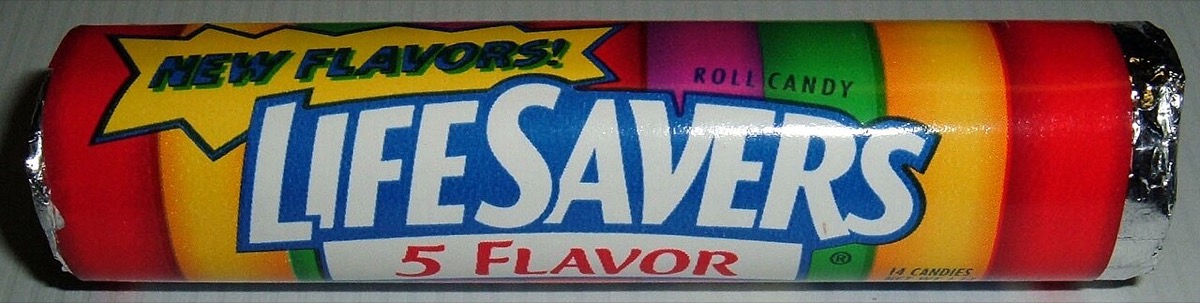
A Life Savers 5 Flavor roll — the candy brand behind Candystand
Trends 1997–2010

Candystand

Life Savers' secret weapon for brand loyalty: genuinely good Flash games, free for anyone, with the advertising hiding inside the games themselves. The mini golf alone kept a generation of school computer labs quietly clicking.

Video thumbnail — Charlie the Unicorn
Trends 2005–2009 peak

Charlie the Unicorn

A grumpy unicorn gets badgered into a Candy Mountain quest in this absurdist fever dream. They wanted his kidney. Time magazine marveled that something so nonsensical could earn a cultlike following — and for once, the magazine was right.

Video thumbnail — "Chuck Norris Approved" - Mike Huckabee Ad - 2007
Trends 2005–2009

Chuck Norris Facts

Chuck Norris can divide by zero. The absurdist one-liner engine of 2005 colonized forum signatures, email chains, and lunchrooms — hyperbolic "facts" about one man's toughness that became a shared vocabulary for the whole internet.

Video thumbnail — Digg: Old Rivals, New Vision
Tech 2004–present

Digg

The social-news front page of the mid-2000s web, where users submitted links and "dugg" them up or buried them. A single spot on the front page could bury a small website under a flood of traffic — and then a redesign everyone hated handed Digg's entire audience to Reddit.

Video thumbnail — Ebay Website (1999)
Trends 1995–early 2000s

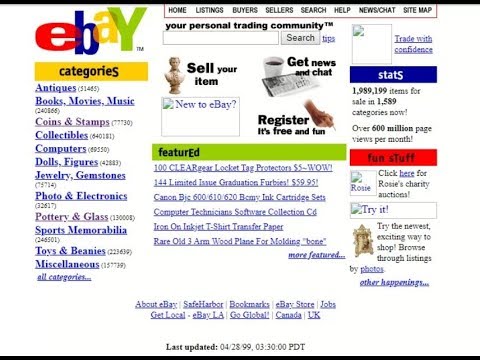
Early eBay

The person-to-person auction era before storefronts and one-click checkout. You photographed your own stuff with a grainy digital camera, hand-wrote the listing in janky HTML, and mailed a check to a stranger whose feedback score was the only thing telling you they could be trusted. Half the thrill was a last-second bidding war; the other half was the box arriving at all.

the glossy red Macromedia Flash icon — the 'install Flash Player' era
Trends 1999–2010 peak

Flash Game Sites

A corner of the web where anyone could upload a game, the community voted, and you could lose hours flicking through hand-coded animations and wildly unpolished experiments. Flash game sites were the internet's scrappy basement arcade.

Video thumbnail — Website review- FMYLIFE.com
Trends 2008–present

FML (FMyLife)

"Today, [something humiliating happened]. FML." The confessional site where strangers shared their tiny daily disasters as one-sentence anecdotes, and you voted on whether their life truly sucked — or whether they totally deserved it. The three-letter sign-off outgrew the website and became everyday slang.

gamefaqs
Trends 1995–present

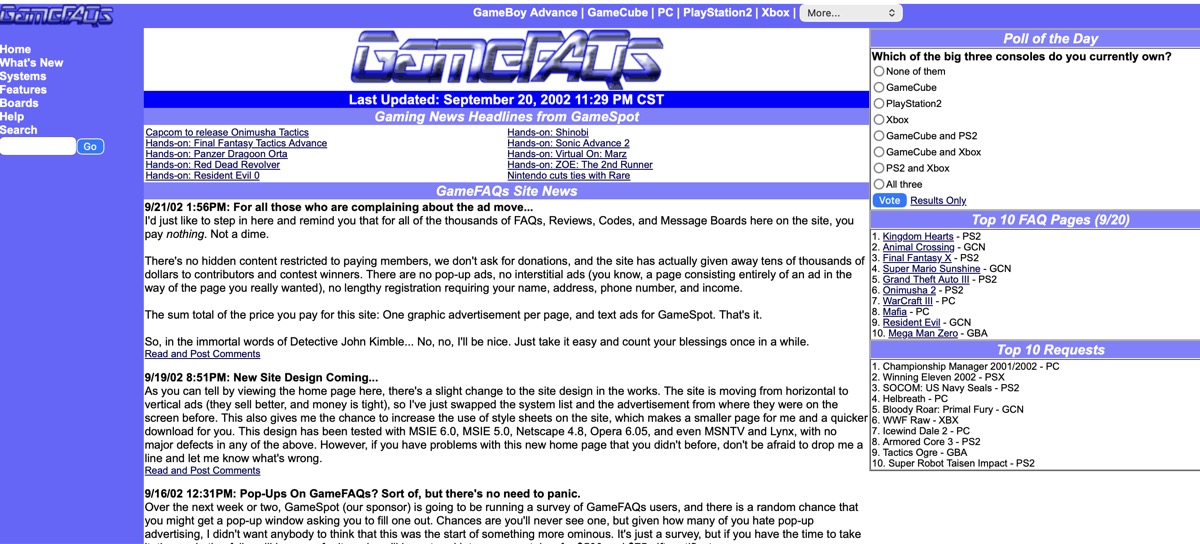
GameFAQs

A vast library of fan-written, plain-text walkthroughs in monospaced ASCII — hand-drawn text maps, boss strategies, and the one password you needed. Players printed fifty-page guides on the family printer or scrolled giant text files over dial-up. GameFAQs was how you beat the unbeatable.

Video thumbnail — Habbo Hotel Experience
Trends 2000–present

Habbo Hotel

A giant isometric pixel-art hotel you checked into as a blocky avatar — decorating rooms with "furni," chatting in the lobby, and guarding the virtual pool. One of the first massively popular online social worlds built for teenagers.

Video thumbnail — Miniclip: The End Of An Era | Forgotten Internet
Trends 2001–present

Miniclip

The browser-games portal you loaded the second the teacher turned around — a wall of free Flash games for every spare ten minutes, from stick-figure violence to pool. If one game got blocked at school, Miniclip was where you found ten more.

Video thumbnail — The Bizarre Lore of Newgrounds
Trends 1995–present

Newgrounds

The birthplace of internet culture's raw, unfiltered edge — where amateurs published bold Flash creations with no gatekeeper between them and millions of eyes. A tank logo, the dreaded "blam" vote, and the night-before anxiety: did your submission survive judgment?

Video thumbnail — If You Leave Me Now (Pets.com Super Bowl Commercial, HQ)
Trends 1998–2000

Pets.com Sock Puppet

The floppy-eared sock puppet with the wristwatch collar became more famous than the store he was selling — a Macy's parade balloon and a Super Bowl ad for a company that lasted nine months past its IPO. He remains the face of the entire dot-com bust.

Video thumbnail — Poptropica® App: Official Trailer
Trends 2007–present

Poptropica

The browser game that ate every school computer lab: you made a round-headed avatar and traveled island to island, solving story quests and puzzles. It was created by Jeff Kinney, who was just becoming famous as the author of Diary of a Wimpy Kid.

sparknotes
Trends 1999–present (peak 2000s)

SparkNotes

The night-before-the-essay lifeline. SparkNotes put free study guides for every book you didn't read online in 1999 — teachers dreaded it, everyone bookmarked it, and even Barnes & Noble dumped CliffsNotes from its shelves.

Video thumbnail — Splatterball Plus 1999 PC
Video Games 1996–2000

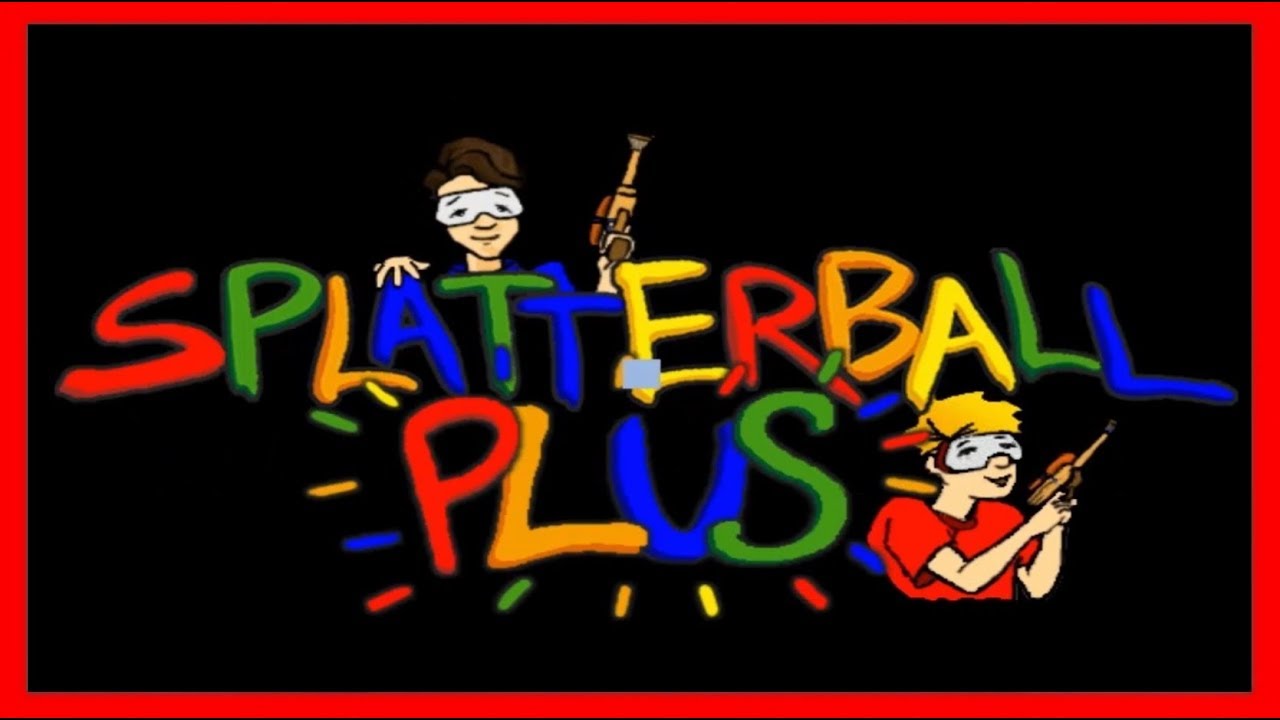
Splatterball

An online multiplayer paintball game — teams, squads, and ranked stats — played over dial-up through America Online's games area in the late 1990s, back when premium online games billed by the hour and the meter was always ticking.

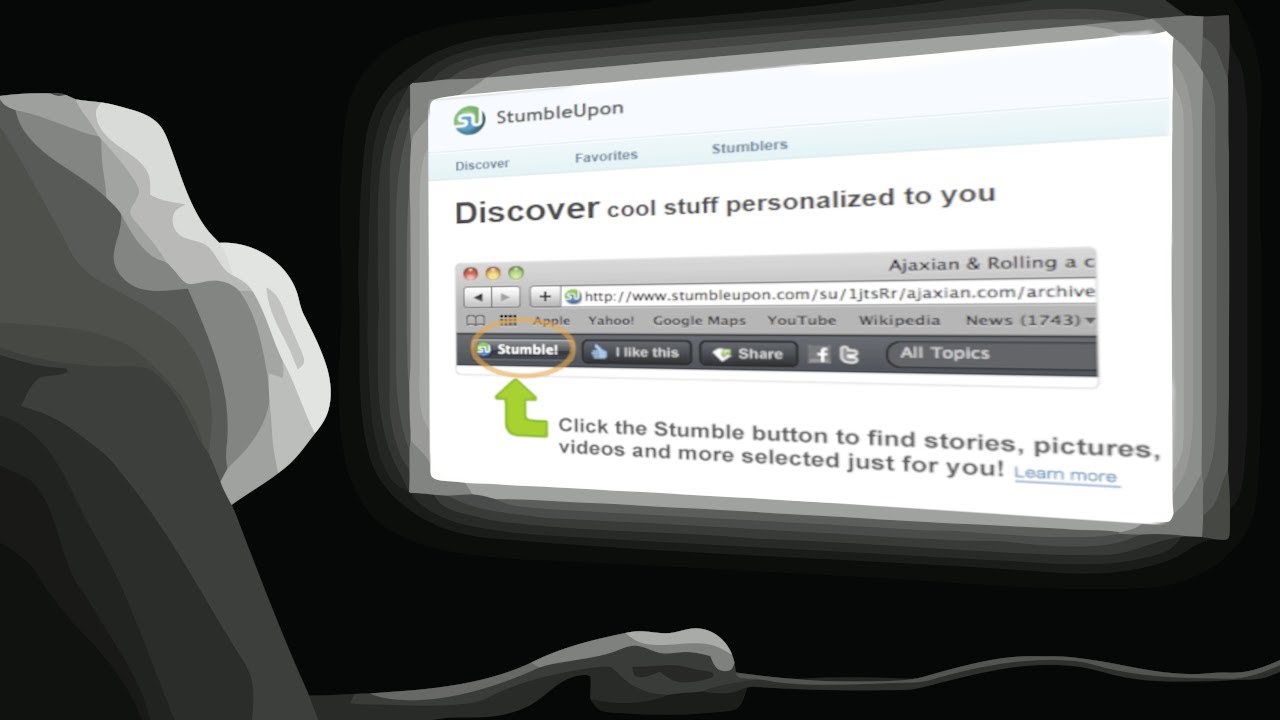
Video thumbnail — StumbleUpon: Internet Discovery Through the 00's
Trends 2001–2018

StumbleUpon

Press the green Stumble button and the toolbar threw you onto a semi-random webpage matched to your interests. Thumbs up or thumbs down, and it learned. StumbleUpon was the platonic ideal of productive procrastination: the perfect tool for losing an entire afternoon, one weird website at a time.

Video thumbnail — Texts From Last Night
Trends 2009–present

TFLN (Texts From Last Night)

Anonymous, out-of-context text messages — labeled only by area code — capturing the previous night's worst decisions. It was the drunk-text hall of fame, and half the fun was reconstructing the disaster around each single message.

Video thumbnail — The Impossible Quiz - WALKTHROUGH (Full Game PC)
Video Games 2007–2012

The Impossible Quiz

One hundred ten questions, zero logic, and a computer lab full of kids shouting contradictory advice at the screen. The Impossible Quiz debuted on February 20, 2007, as a Flash game that turned a single-player experience into a collective fever dream.

tripod
Trends 1995–2026

Tripod

The free personal-homepage host where a generation first learned HTML. A sibling to GeoCities and Angelfire, it started as a resource for college kids and accidentally became a building full of gloriously amateur websites about absolutely everything.

Video thumbnail — Can you use Wikipedia for school? | A WIKI MINUTE
Trends 2004–present

The 'You Can't Cite Wikipedia' Speech

Every 2000s student heard the teacher's solemn warning: Wikipedia is not a legitimate source. Every 2000s student had already used it, and would use it again that night. The workaround became a generational skill.

Video thumbnail — How YTMND came to be
Trends 2004–present

YTMND

"You're the Man Now, Dog." A whole website built on one dumb, perfect formula: a single looping image, a blaring sound clip, and a line of zooming text — repeated forever until it was either hypnotic or unbearable.