#Ritual

6 items

Video thumbnail — How to Make a Paper Bag Book Cover
Trends 1970s–2000s

Covering Your Textbooks

The first week of school came with homework before you'd learned anything: take home the stack of hardcover textbooks the teacher just issued and cover every single one. You either cut open a brown paper grocery bag and folded it into a snug jacket, or slid on a stretchy fabric cover in a color you actually liked. Then you brought them back the next day for the teacher to check.

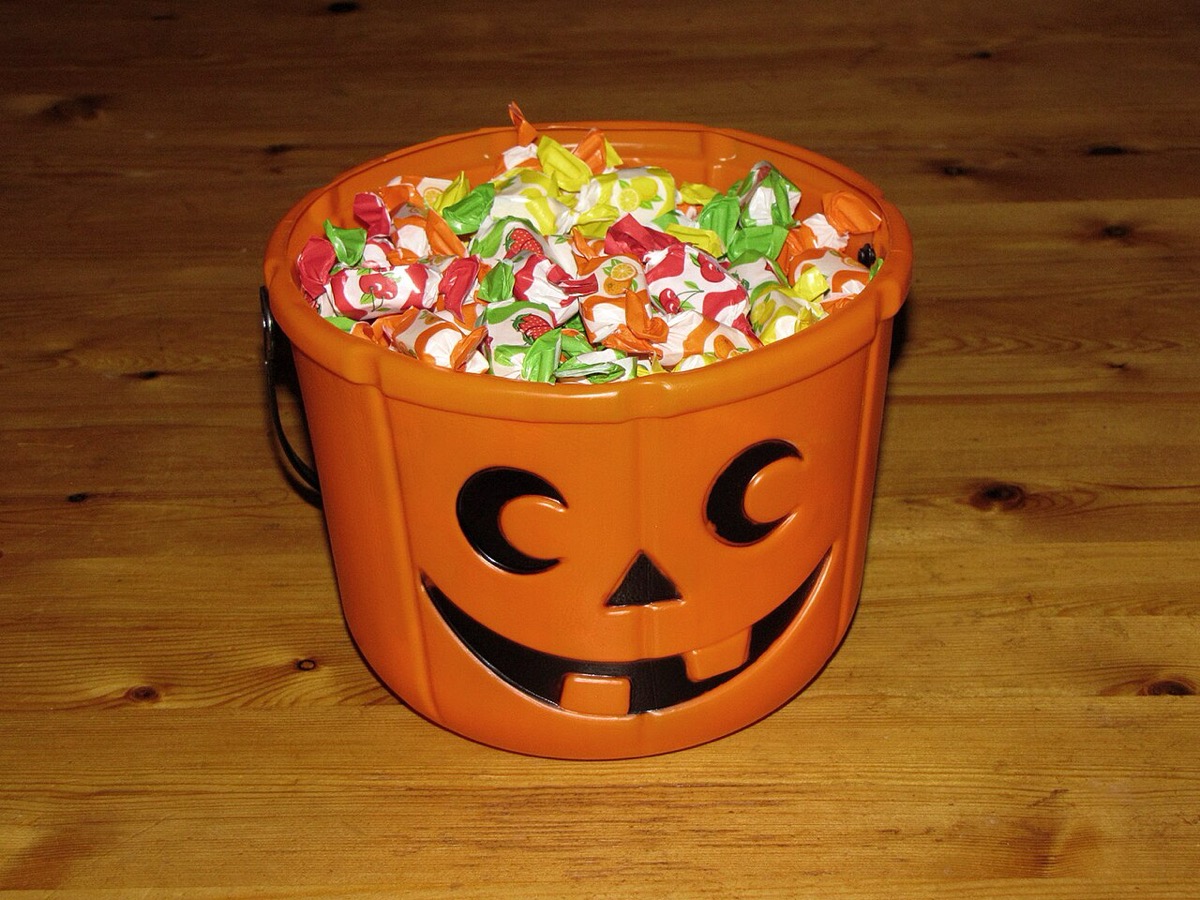
A plastic jack-o'-lantern pail filled to the brim with wrapped candies on a wooden floor
Trends 1990–2005 peak

The Halloween Candy Haul

The real event started after trick-or-treating: dumping the pillowcase onto the living-room floor and sorting the haul into a personal taxonomy — chocolate aristocracy, fruity middle class, the circus-peanut underclass. Then came the trading floor: sibling negotiations with exchange rates everyone understood (one full-size anything was worth a fistful of anything else). And the parental 'safety inspection' tax: unwrapped candy confiscated, suspicious pinholes examined, a few 'tested' Snickers never seen again.

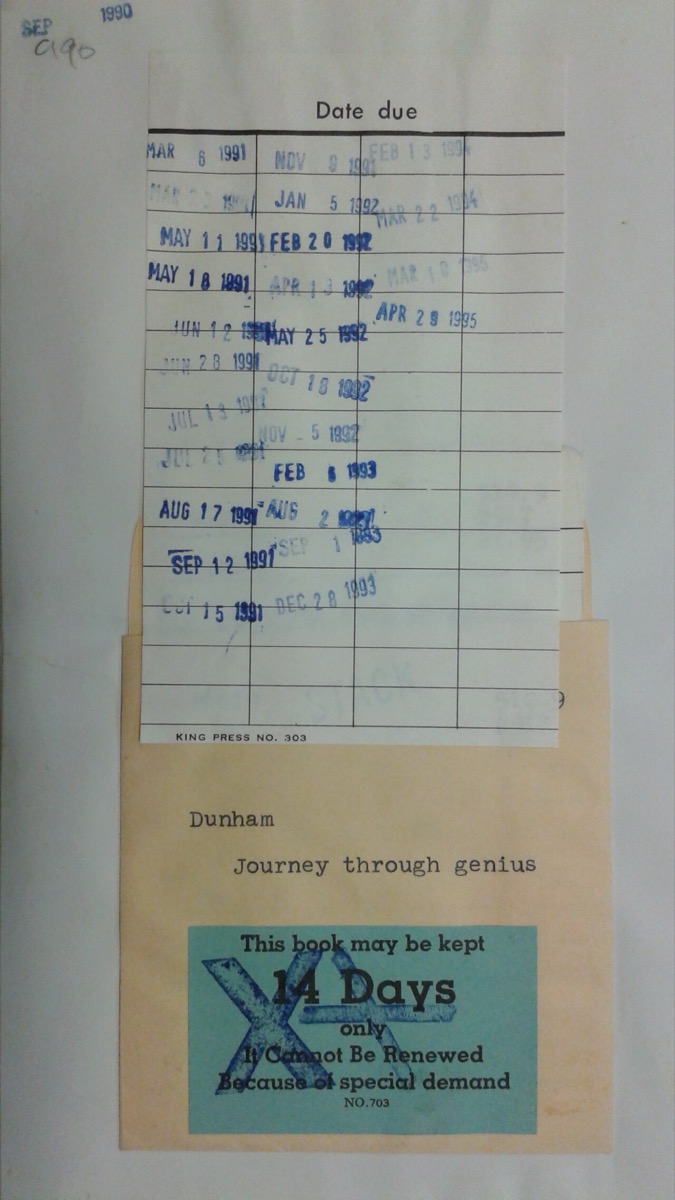
A library book's date-due slip stamped with due dates from 1990 to 1995, above the manila card pocket in the back cover
Trends 1900–1999

The Library Card & Pocket Checkout

A manila pocket glued inside the back cover of library books, a lined card inside listing every name who'd borrowed the copy before you, stamped with due dates — a fossil record of readers going back years, and you signed in to add yourself to the ledger. Then came barcodes, and 90s kids were among the last to know this ritual.

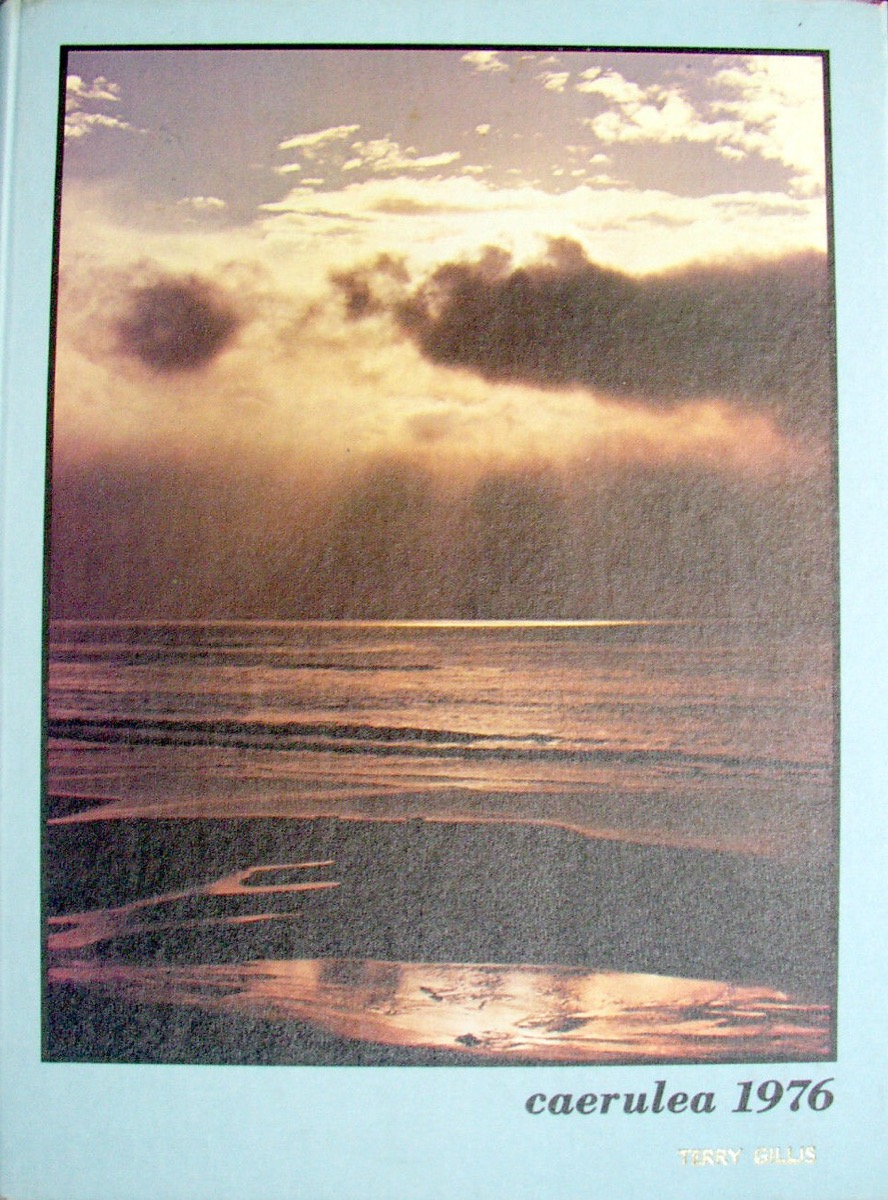
The cloth hardcover of a 1976 school yearbook, embossed 'caerulea 1976' over a sunset-ocean cover photo
Trends 1980s–present

Signing Yearbooks

The last week of school, when the yearbooks came out and everyone traded them around to scrawl in the margins and across each other's photos. 'HAGS,' 'stay sweet,' '2 good 2 be 4 gotten,' 'don't ever change, KIT!' — the same handful of phrases written over and over, sometimes next to a kid you'd barely spoken to all year.

Illustrated placeholder card
Trends 1900–2009

Writing Your Name in the School Textbook

A grid stamped inside the front cover: ISSUED TO / YEAR USED / CONDITION. On the first day you wrote your name in the column alongside every kid who'd had your copy before — sometimes going back a decade. You scanned the list for older siblings, anyone you recognized, anyone famous. The condition column warned: New, Good, Fair, Poor — and you'd pay the difference.

Video thumbnail — Don't Dream Machine it's over - Sony's last clock radio (ICF-C1)
Trends 1950s–2000s (then the phone took over)

Bedside Alarm Clocks

The glowing red digits on the nightstand, the snooze bar slapped in the dark, the 12:00 blink after every power outage — a device so mundane you didn't think of it as technology until it vanished from every bedroom at once. The smartphone didn't just beat the bedside alarm clock; it quietly deleted the whole category.