Walkman

Sony's cassette player made music something you carried: foam-pad headphones, a belt clip, and a pocketful of AA batteries it drained by the week. Born in 1979, it was such a default fact of 90s life that 'Walkman' had long since stopped meaning Sony and started meaning the whole idea.
Sony co-founder Masaru Ibuka was lugging the company's bulky TC-D5 recorder on business trips and asked deputy president Norio Ohga for a playback-only stereo version he could use while walking. The result, the metal-cased blue-and-silver TPS-L2, went on sale in Japan on July 1, 1979, at around ¥33,000 (about $150). Sony predicted 5,000 units a month; it sold more than 30,000 in the first two months. Under Akio Morita, Sony aimed the little player squarely at the youth market — though its overseas sales arms balked at the odd Japanese-English name, selling it as the 'Sound-about' in the US and the 'Stowaway' in the UK before 'Walkman' simply won in the early 80s.
The numbers turned cultural fast. The cassette overtook vinyl in sales by 1983, 'Walkman' entered the Oxford English Dictionary in 1986, and within a decade of launch Sony held half the US market for what everyone now just called a Walkman regardless of the label on the box. Over 100 million units had sold by 1989; when Morita was knighted in 1992, British newspapers ran the headline 'Arise, Sir Sony Walkman.'
The 90s were the Walkman's ubiquity era and its slow twilight at once. Cassette Walkman sales reached 186 million units by the twentieth anniversary in 1999, even as portable CD players — Sony's own Discman, later rebranded the CD Walkman — steadily ate the format. Sony ended cassette Walkman production in 2010 after roughly 220 million units, with all Walkman devices totaling around 400 million. By then the iPod had claimed the pocket the Walkman invented; the brand survives on Sony's digital players, but the foam headphones, the pencil-rewound mixtape, and the dying-battery warble belong to memory.
Similar items
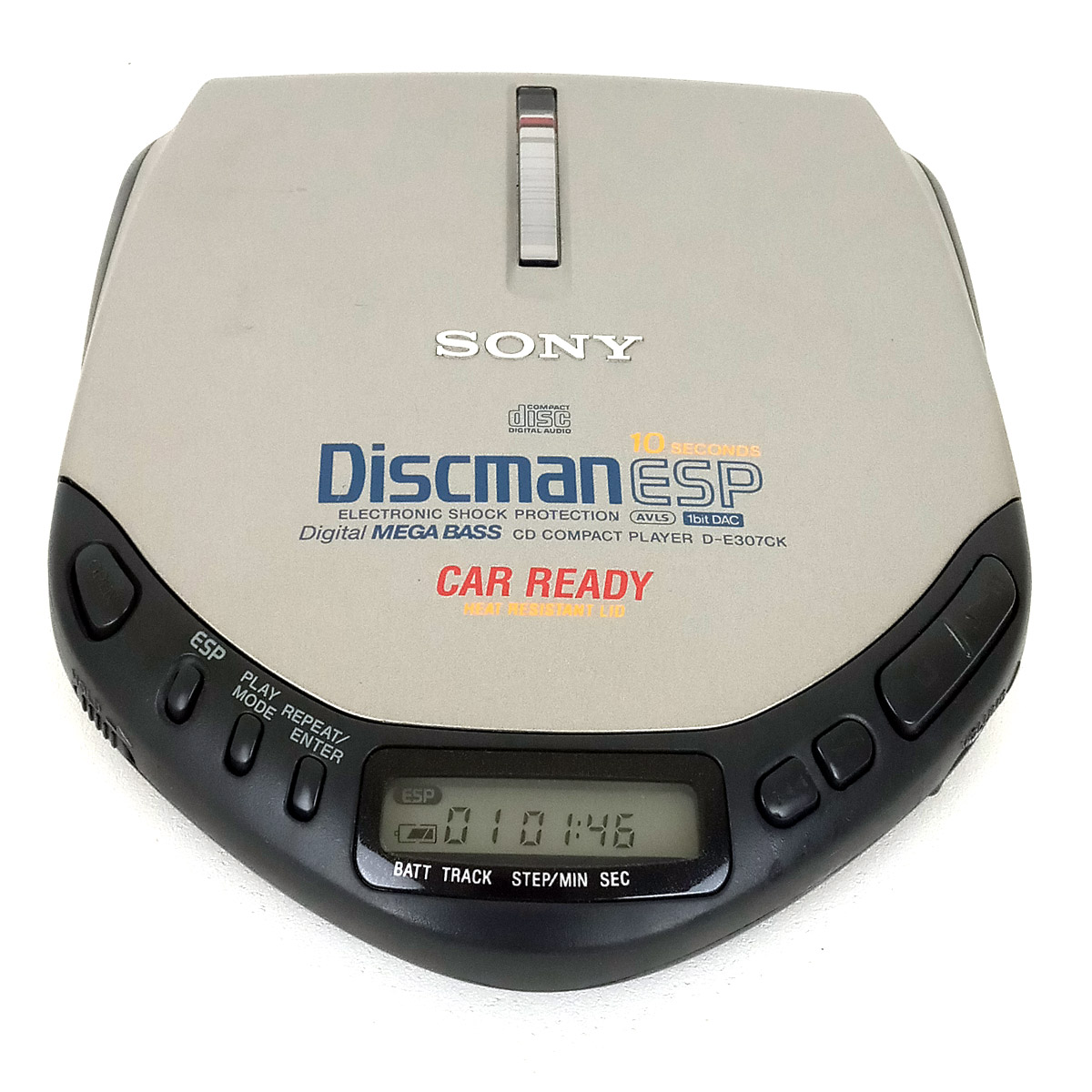
Discman & CD Binders
The ritual of portable CD life: a Sony Discman clipped to your waist or backpack, Electronic Skip Protection bragged on the box, and a zip-up CD binder holding exactly 24 discs — the ones that defined you. CD binders like Case Logic wallets replaced jewel cases, turning your music taste into curated, tangible proof of personality.
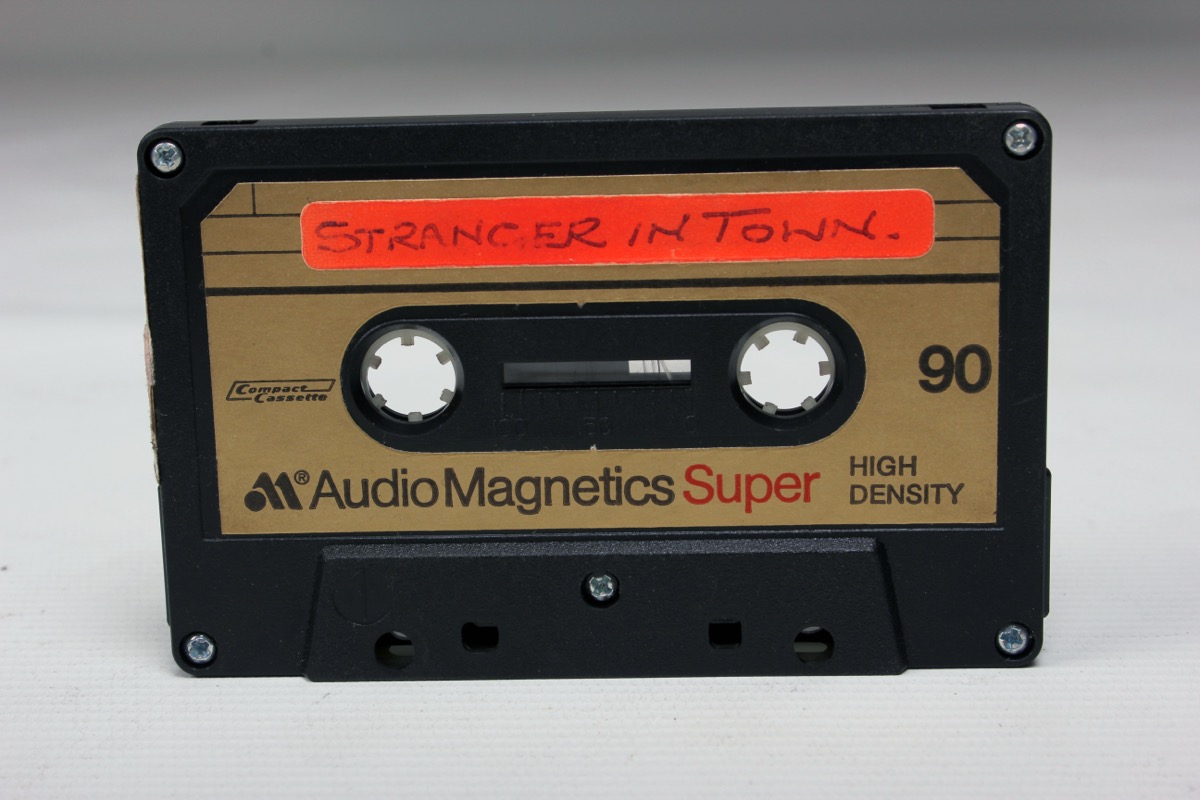
Mixtapes
The compact cassette made music personal; the Walkman made it portable; and the mixtape made it meaningful. A hand-labeled tape was a love letter, a friendship offering, an identity statement — hovering over the record button to catch a song off the radio, agonizing over track order, building the perfect sequence for someone who mattered.
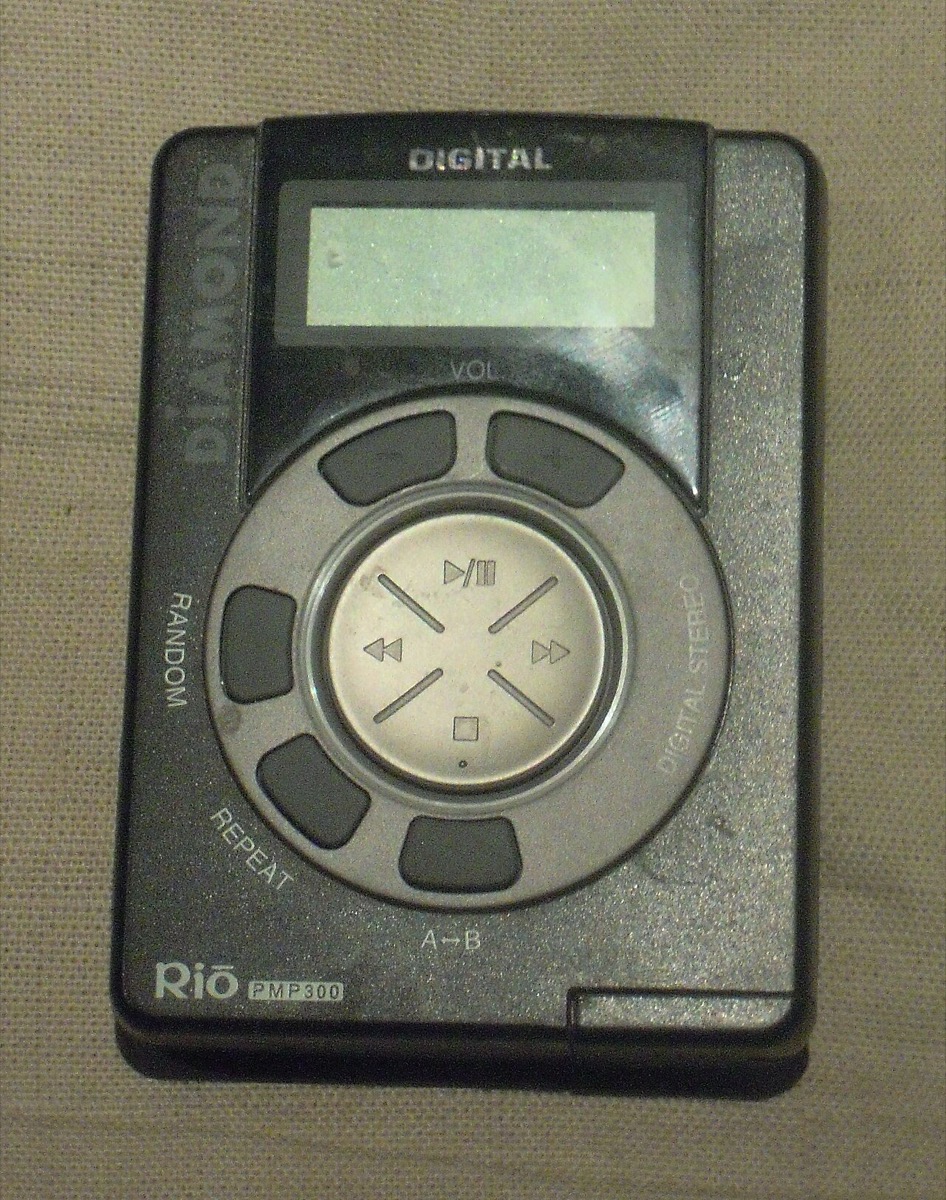
Early MP3 Players
The flash-memory bricks that freed your MP3s from the desktop. Diamond's Rio PMP300, arriving in September 1998 at $200, was the first MP3 player that actually caught on — deck-of-cards sized, running forever on one AA battery, holding maybe eight or ten songs. No moving parts meant no skips, a revelation after a decade of portable CD players. The RIAA sued to kill it; the courts sided with you instead.

iPod
Steve Jobs unveiled the iPod on October 23, 2001, promising "1,000 songs in your pocket." The original model packed a 5GB hard drive, mechanical scroll wheel, and FireWire connection—Mac-only, $399. The click wheel, iTunes Music Store (2003), and later Windows support made it the gateway device to digital music and one of the most influential electronics ever built.