
God of War
Kratos, a Spartan warrior betrayed by Ares, tears through Greek myth with chained blades and rage. Santa Monica Studio's 2005 PS2 epic scored a 94, sold millions, and turned the quick-time finisher into an industry standard.
8 items
Kratos, a Spartan warrior betrayed by Ares, tears through Greek myth with chained blades and rage. Santa Monica Studio's 2005 PS2 epic scored a 94, sold millions, and turned the quick-time finisher into an industry standard.

The Real Driving Simulator — and it meant it. Gran Turismo made PS1 owners grind license tests, obsess over gear ratios, and fall in love with a used Nissan they tuned into a monster. Suddenly a racing game wasn't about power-ups; it was about the cars.
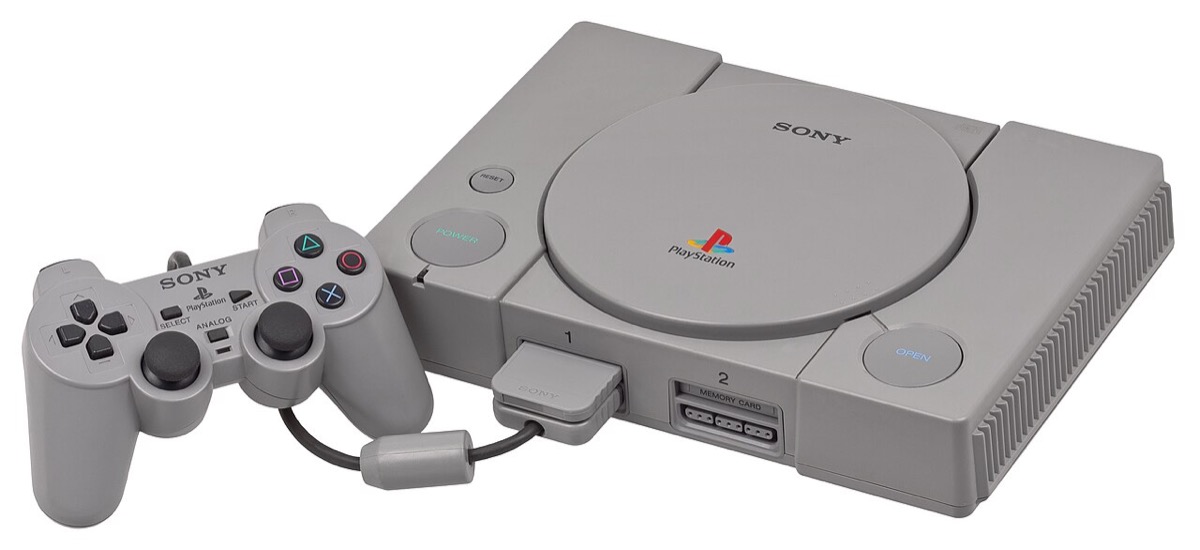
The grey box that took gaming off the cartridge and onto the CD — and took it away from Nintendo and Sega while it was at it. Sony's first console arrived in Japan at the end of 1994 and in America the following September, and it made a generation fluent in memory cards, load screens, and demo discs. It started as a Nintendo project that Nintendo walked away from.
![Video thumbnail — Playstation 9 - 2000 PS2 Commercial [High Quality]](https://i.ytimg.com/vi/NyvD_IC9QNw/maxresdefault.jpg)
The black rectangle that invaded living rooms worldwide as an affordable DVD player and happened to pack the best game library ever assembled. With over 155 million sold—the best-selling console of all time—the PlayStation 2 didn't just dominate gaming; it became the era's default home entertainment hub.

Before downloads, trying a game meant a silver disc: the sampler that came in the console box, PlayStation Underground in the mail, a Jampack from the store — or the legendary discs handed out with Pizza Hut orders in 1999. You played the same three demos a hundred times and loved every second.

Sony's widescreen handheld that made your backpack feel like contraband. The PSP played UMD games and movies, had actual graphics, and let you game or watch on the go—turning every school lunch period into a gaming session. It felt like the future until the future moved on.

A $2,500 robot dog that learned, played, and had moods — and people loved theirs like family. Sony's AIBO was the actual future, briefly for sale — Japan's entire first batch sold out over the internet in twenty minutes.

Sony's cassette player made music something you carried: foam-pad headphones, a belt clip, and a pocketful of AA batteries it drained by the week. Born in 1979, it was such a default fact of 90s life that 'Walkman' had long since stopped meaning Sony and started meaning the whole idea.