USB Flash Drives
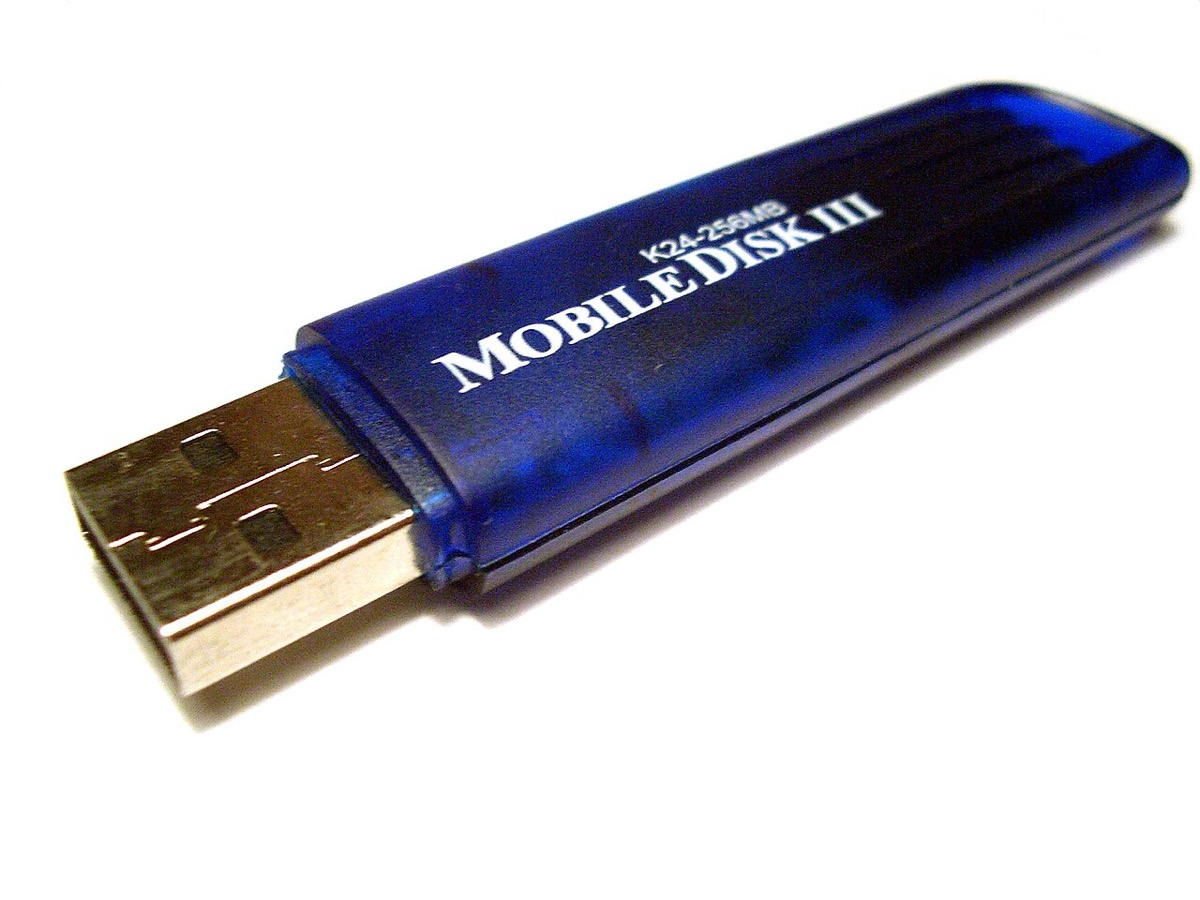
Photo credit: Photo: Sherool, CC BY-SA 3.0, via Wikimedia Commons
A stick the size of your thumb that held everything. By the mid-2000s, USB flash drives had killed the floppy disk, and everything moved on a lanyard: your homework, your music, your games. Losing one was a 2000s tragedy — the only copy of your essay, gone with the keychain.
The invention of the USB flash drive is genuinely contested. Engineers at the Israeli company M-Systems — Amir Ban, Dov Moran, and Oron Ogdan — filed a patent in April 1999 and are most often credited as the inventors; Singapore's Trek 2000 was the first company known to actually sell one, under the trademark "ThumbDrive." Flash drives first appeared for sale in late 2000, with early capacities as small as 8 megabytes.
Through the 2000s, flash drives hung from lanyards and keychains as essential gear. They ferried homework between the computer lab and home and passed music and games between friends' PCs. Until about 2005, most computers still shipped with floppy-disk drives; as USB ports became universal and the sticks got cheaper and bigger, the floppy went obsolete. The flash drive killed it — a quiet revolution in how files moved.
The tragedy of losing one was absolute. Cloud backup didn't exist yet; the drive often WAS the backup, and the only copy of your essay could vanish on a stick the size of your thumb. But the stick also liberated you: your music followed you, your work followed you. For the first time, your digital life fit in your pocket, and that freedom was worth the risk of losing it all.
Similar items
CD Burners
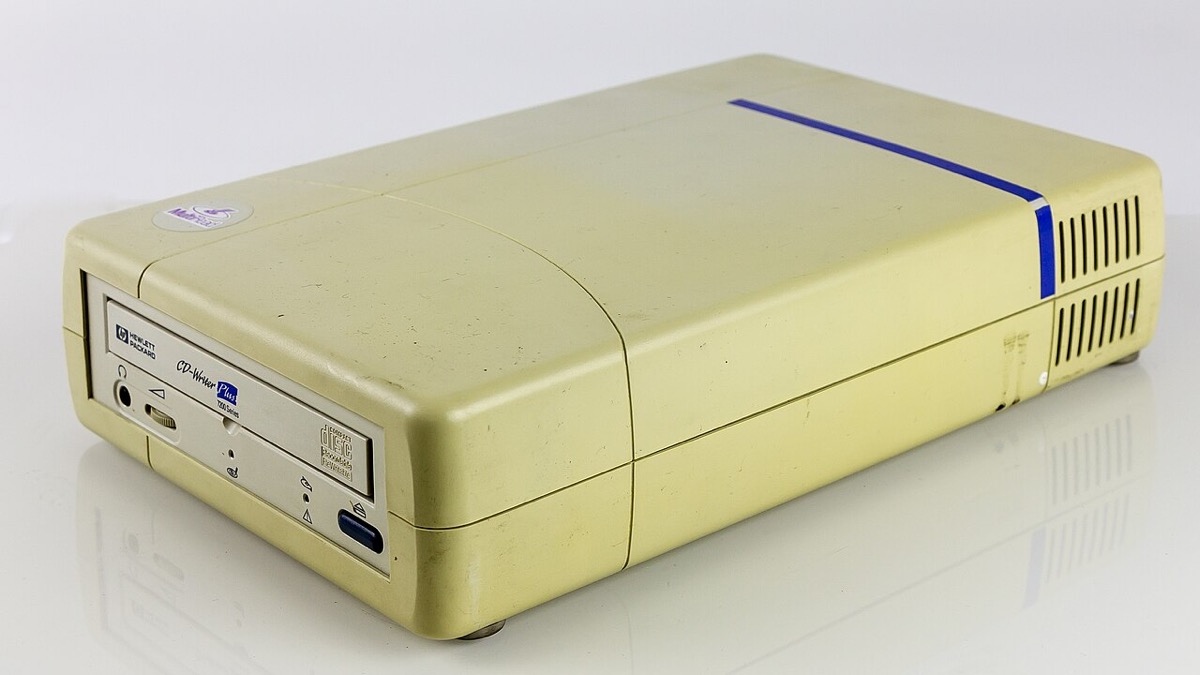
The drive that made every PC a record-pressing plant. You fed in a blank CD-R, dragged your downloads into Nero or Easy CD Creator, and held your breath: one buffer underrun mid-burn and the disc was a coaster. When it worked, you walked away with a fresh mix CD and the quiet pride of having pressed it yourself.
Computer Lab
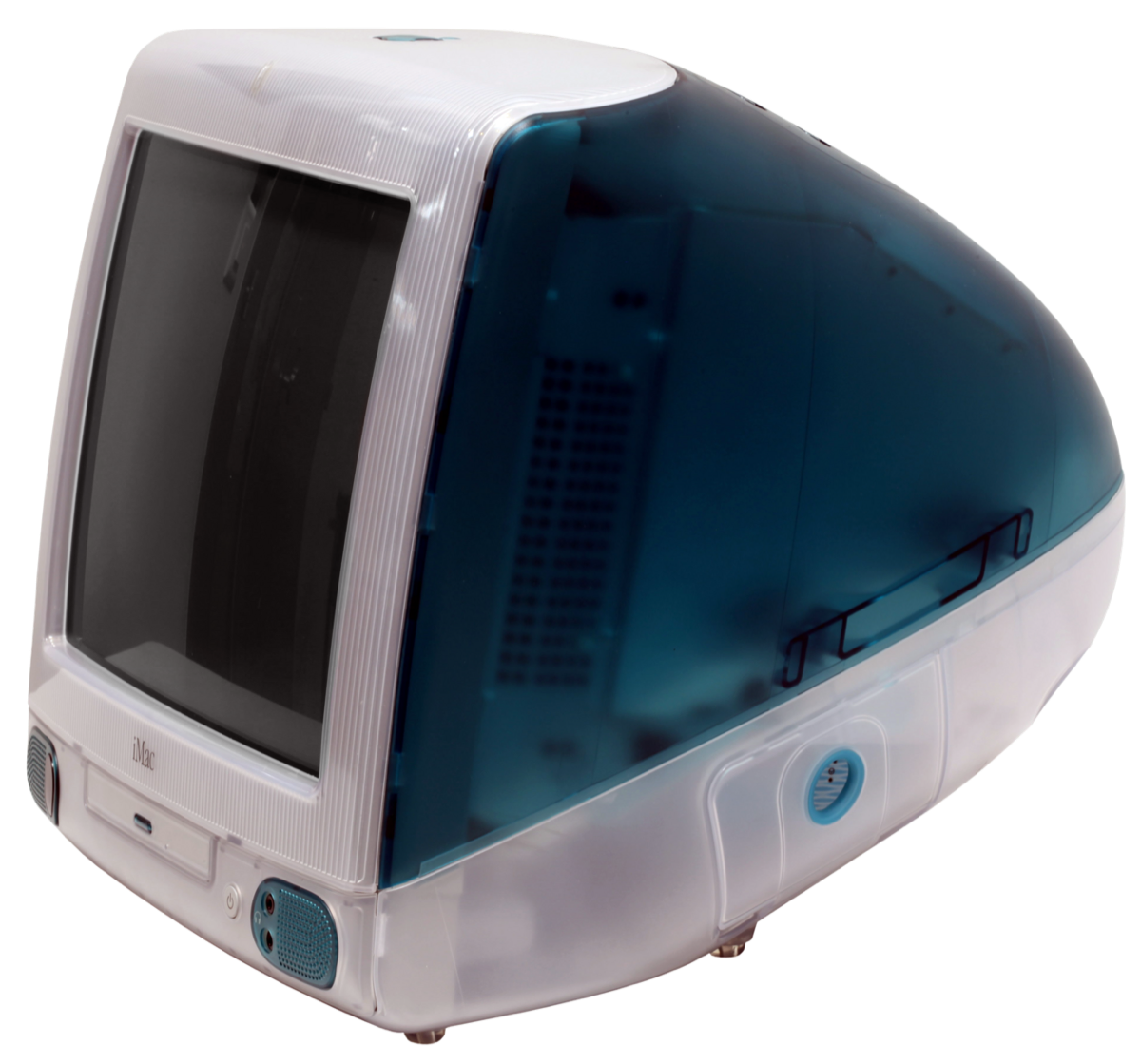
The weekly pilgrimage down the hall to the room full of beige Apple computers, where you'd slot in a floppy disk, wait, and take turns dying of dysentery on the Oregon Trail. "Computer Day" was equal parts educational software and the first place a lot of kids ever touched a keyboard.
Lanyards
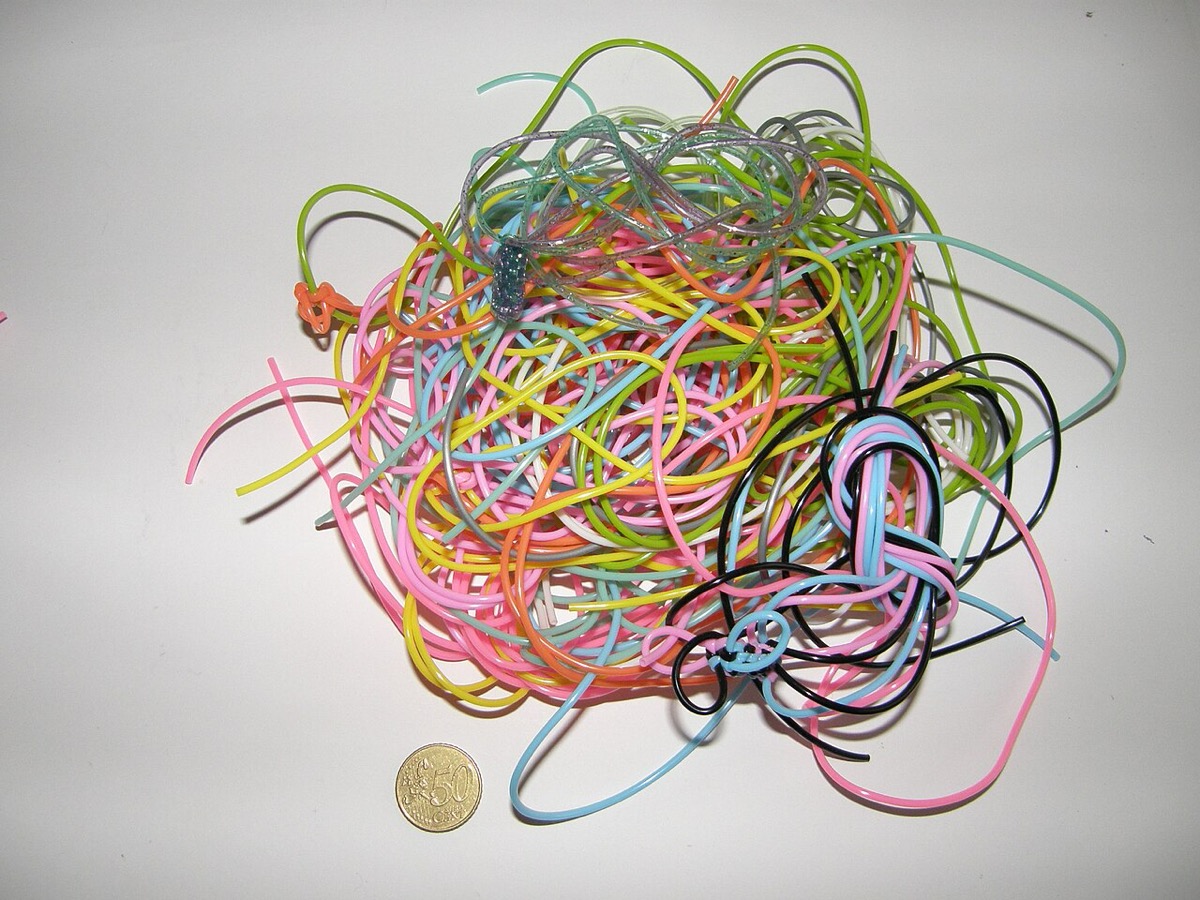
The plastic-lace keychain craft that ran on camp tables and classroom desks — box stitch, cobra, Chinese staircase — in every neon color the gift-shop rack sold. Depending on where you grew up you called it gimp, boondoggle, or scoubidou, and you made yards of it you had no use for.

Floppy Disks
IBM's 1971 invention, shrunk twice — to 5.25 inches, then 3.5 inches — until the 1.44 MB disk became the default on every 90s computer. That hard plastic shell with the sliding metal shutter, your homework labeled in marker, ferried between the school lab and home in a backpack pocket.