#Gadgets

45 items

Video thumbnail — Aura Interactor commercial (1994)
Tech 1994–1995

Aura Interactor

The black plastic vest that plugged into your Super Nintendo or Genesis and turned every punch, explosion and bass line into a thump against your back. Aura Systems launched it in 1994 for about $100 with a $5 million ad campaign and a Mortal Kombat II tie-in. It was, as one 12-year-old told a reporter, weird.

Video thumbnail — Don't Dream Machine it's over - Sony's last clock radio (ICF-C1)
Trends 1950s–2000s (then the phone took over)

Bedside Alarm Clocks

The glowing red digits on the nightstand, the snooze bar slapped in the dark, the 12:00 blink after every power outage — a device so mundane you didn't think of it as technology until it vanished from every bedroom at once. The smartphone didn't just beat the bedside alarm clock; it quietly deleted the whole category.

Video thumbnail — Blackberry commercial from 2008
Tech 2005–2010 peak

BlackBerry

The thumb-typed email machine that owned the boardroom, then the teen universe — the hottest phone in America right up until the iPhone ate it. Push email, the blinking red light, BBM: BlackBerry was so addictive that Webster's New World made "CrackBerry" its 2006 Word of the Year.

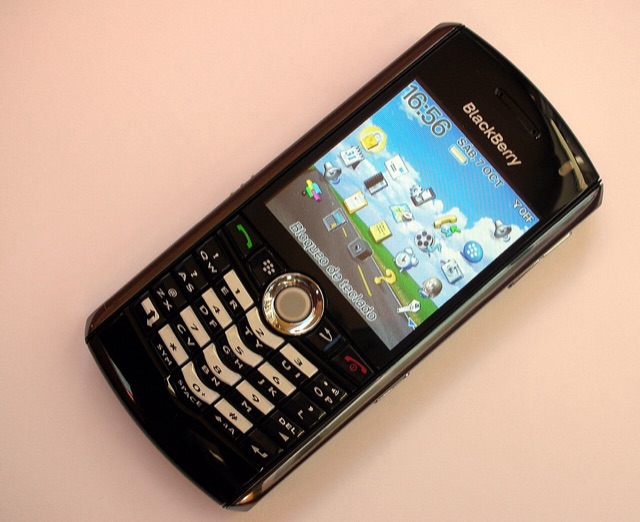
A black BlackBerry Pearl 8100 showing its trackball and hybrid keypad, 2006
Tech 2006–2010

BlackBerry Pearl

The BlackBerry that didn't look like a BlackBerry. RIM shrank the slab to a candybar, swapped the scroll wheel for a glowing trackball, and added a camera — and suddenly people who had never been issued one by an IT department wanted one.

Video thumbnail — Creative Zen Vision M Review
Tech 2000–2011

Creative Zen & Nomad Jukebox

Your Nomad Jukebox or Creative Zen sounded better than any iPod — more formats, zero iTunes, pure PC-forum credibility — and it battled the white earbuds in every comment thread of the 2000s. Then came the wildest ending in the MP3 wars: Creative sued Apple over a music-navigation patent, and Apple paid $100 million to settle.

Video thumbnail — Cybiko Wireless Inter-tainment Computer
Tech 2000–2003

Cybiko

A translucent pocket computer for teens with a rubber QWERTY keyboard and its own two-way radio — Cybikos within about a hundred meters could text each other and join wireless chatrooms, years before teens had phones. Over 430 games and apps, all free. Half a million sold in 2000 alone, then the moment passed as fast as it arrived.

Video thumbnail — Garmin Super bowl XLI Commercial ad 2007
Tech 1998–2012

Dashboard GPS Units

Before your phone knew where you were going, a suction-cupped gadget on the windshield did. Punch in an address, obey the robotic voice, and brace for the deadpan "Recalculating…" every time you missed a turn. It ruled the dashboard for a decade — then evaporated into the phone.

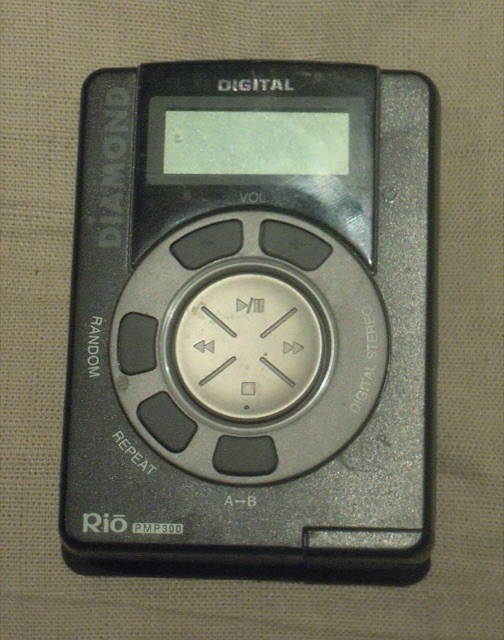
A Diamond Rio PMP300, the 1998 flash-memory MP3 player
Tech 1998–2004

Early MP3 Players

The flash-memory bricks that freed your MP3s from the desktop. Diamond's Rio PMP300, arriving in September 1998 at $200, was the first MP3 player that actually caught on — deck-of-cards sized, running forever on one AA battery, holding maybe eight or ten songs. No moving parts meant no skips, a revelation after a decade of portable CD players. The RIAA sued to kill it; the courts sided with you instead.

Video thumbnail — PS2 EyeToy Commercial (2003)
Video Games 2003–2008

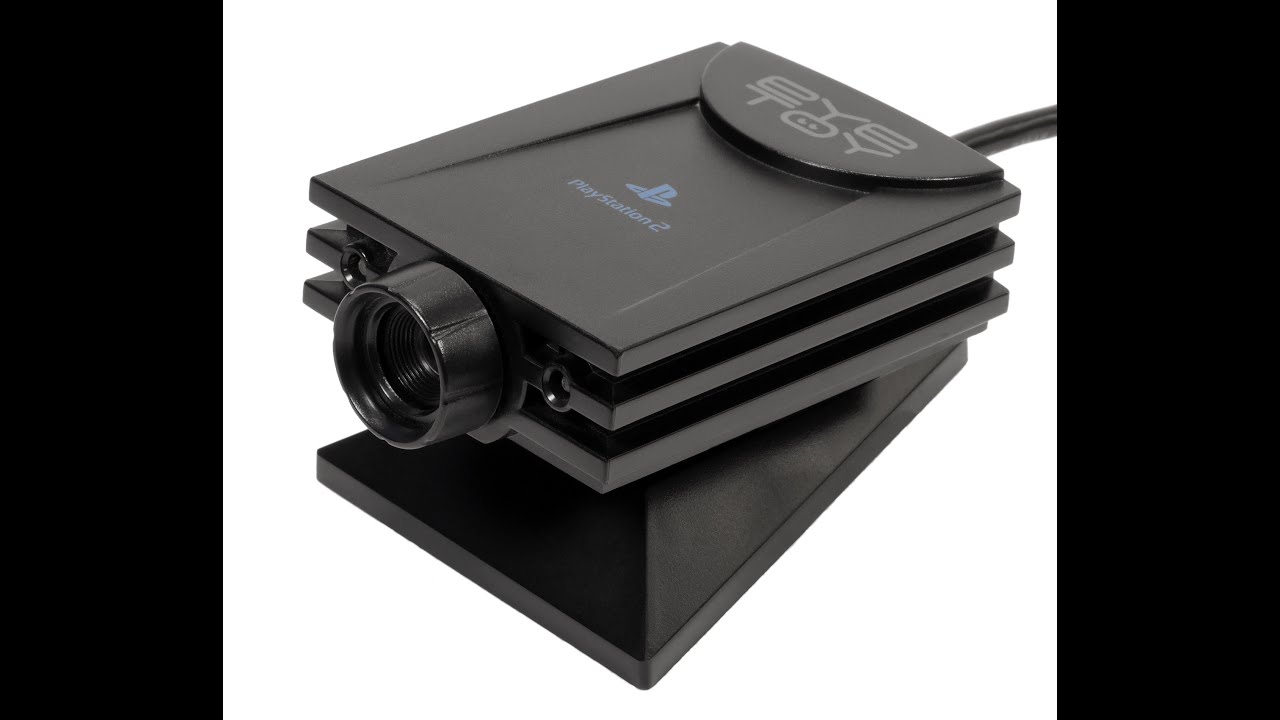
EyeToy

A little silver camera perched on the TV, and suddenly YOU were in the game — flailing at ninjas, washing virtual windows, waving both arms like you were landing a plane. The EyeToy turned the PlayStation 2 into a mirror that fought back, and turned every living room into a very sweaty arcade.

Video thumbnail — Flip Video Was Successful! So They Killed It? - Krazy Ken's Tech Talk
Tech 2006–2011

Flip Video

The pocket camcorder of the early YouTube era. Just press record, flip out the USB arm, plug into your computer — that was the whole idea. Barely any buttons, cheap, and it became the best-selling camcorder in America before its own parent company killed it.

Video thumbnail — Steve Jobs introduces iPhone in 2007
Tech 2007–2008

iPhone Launch (2007)

"Today, Apple is going to reinvent the phone." Steve Jobs said it on January 9, 2007, and by June 29 thousands were camped outside stores to find out if he meant it. The lines, the keynote, the $599 price tag — the moment phones changed overnight.

Video thumbnail — Iconic Ads - iPod Silhouette commercial
Tech 2001–2007

iPod

Steve Jobs unveiled the iPod on October 23, 2001, promising "1,000 songs in your pocket." The original model packed a 5GB hard drive, mechanical scroll wheel, and FireWire connection—Mac-only, $399. The click wheel, iTunes Music Store (2003), and later Windows support made it the gateway device to digital music and one of the most influential electronics ever built.

Video thumbnail — iPod Nano 1st Gen ad (2005)
Tech 2005–2017

iPod nano

The iPod that came out of Steve Jobs's watch pocket. Thinner than a pencil, an ounce and a half, a thousand songs — and a screen that scratched so easily the lawsuits started within six weeks.

Video thumbnail — Spot Apple - "Life is Random" - iPod Shuffle Campain - 2005
Tech 2005–2017

iPod Shuffle

A gum-stick iPod with no screen: you loaded it with iTunes' AutoFill, hung it around your neck, pressed play and took what it gave you. Announced in 2005 as the first iPod under $100, sold with the tagline "Life is random." It bet that surrendering control of your music could feel like freedom — which is roughly how everyone listens now.

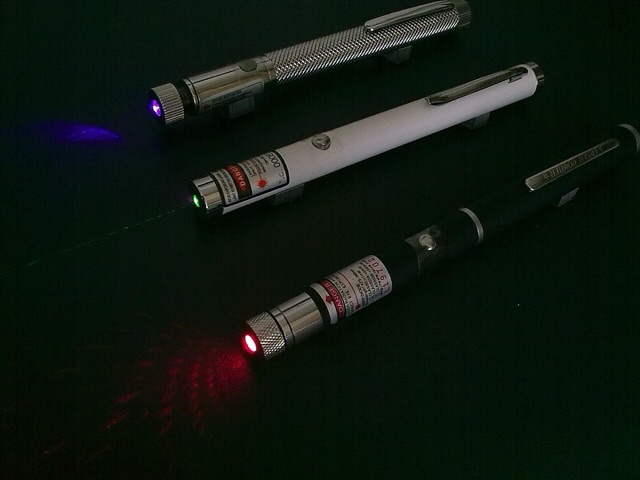
Three handheld laser pointers on a black background, each lit — a violet, a green, and a red beam and dot
Toys 1996–2000

Laser Pointers

The little metal cylinder that shot a tiny red dot across the room — and, briefly, across every classroom, movie screen, and school bus in America. When laser diodes got cheap in the late 90s, the laser pointer became the pet rock of the decade: irresistible, everywhere, and quickly banned.

Video thumbnail — LG Chocolate phone commercial ad 1
Tech 2005–2007

LG Chocolate

The glossy black slider whose touch keys glowed red like something from the future — half phone, half candy bar, all status symbol. In the gap between the RAZR and the iPhone, the LG Chocolate was the coolest object in the mall.

Video thumbnail — Early 2000s Linksys Wi-Fi Gear
Tech 2002–2009 peak

Linksys WRT54G

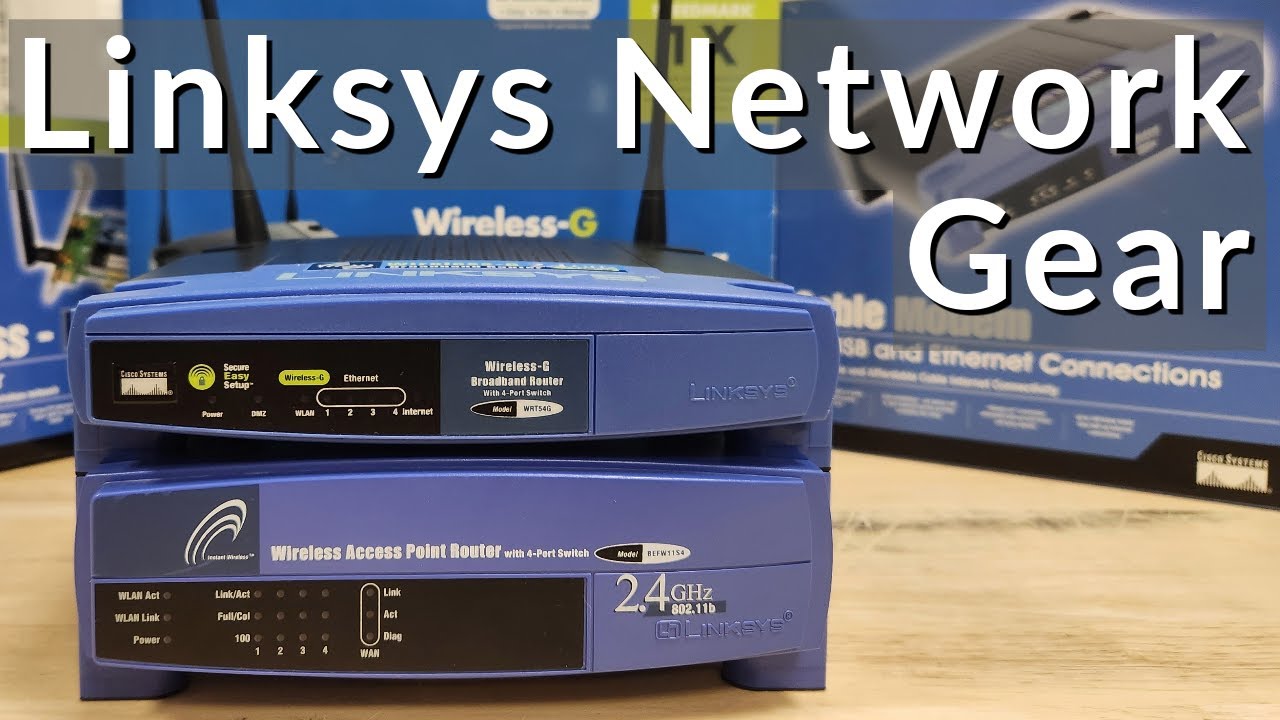
The blue-and-black box that put Wi-Fi in the living room. Cheap, everywhere, and secretly running Linux — which one mailing-list post in 2003 turned into an open-source legend that outlived the router itself.

the MAXIM wordmark
Trends 1997–2008 peak

Maxim

The "lad mag" that lived on every barbershop shelf and older brother's bedroom floor. Maxim brought cover models, cheeky lists, gear reviews, and the famous Hot 100 to millions of readers in the early 2000s—a condensed, irreverent take on lifestyle media that dominated dorms and waiting rooms.

Video thumbnail — Zune Was a Beautiful Commercial Disaster
Tech 2006–2011

Microsoft Zune

Microsoft's answer to the iPod arrived in November 2006 — thicker, later, and available in brown. The Zune became tech's favorite punchline, but the punchline hid real ideas: wireless song-sharing, a subscription music pass years before streaming won, and a UI so good it became the design language of Windows Phone.

Video thumbnail — Motorola Razr V3 Commercial
Tech 2004–2007

Motorola Razr

The Razr V3 launched in late 2004 as the world's thinnest clamshell phone at a shocking $500. Its anodized-aluminum body, laser-etched keypad, and impossible thinness made it a fashion statement. When the price dropped in 2005–2006, everyone had one—and snapping it shut after a call was the whole point.

Video thumbnail — Cingular Wireless - Motorola SLVR Commercial 2006
Tech 2005–2007

Motorola SLVR & KRZR

The Razr's thinner siblings. The SLVR was the Razr flattened into a candybar with iTunes inside; the KRZR was the Razr stretched taller and narrower under a glossy glass face. Neither escaped the original's shadow.

Video thumbnail — Motorola Startac TV Ad 1996
Tech 1996–2000

Motorola StarTAC

A Star Trek communicator finally landed in your hand — the Motorola StarTAC flipped open and changed what everyone thought a phone should be. At 88 grams and a $1,000 price tag, it was impossibly small and impossibly cool.

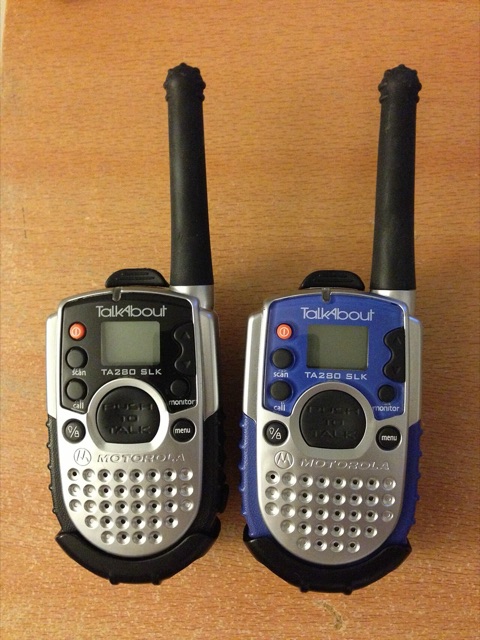
A pair of Motorola TalkAbout TA280 SLK walkie-talkies, one black and one blue
Tech 1997–2004

Motorola Talkabout

The chunky yellow walkie-talkies that kept families connected before everyone had a cellphone — two-car road-trip caravans, ski slopes, theme parks, and kids roaming the neighborhood with a two-mile leash. Over.

Video thumbnail — Some moments of my life with NABAZTAG:TAG by Violet (2007)
Tech 2005–2011

Nabaztag

A white plastic rabbit from Paris that connected to your Wi-Fi, wiggled its ears, lit up its belly and read your email out loud. Violet launched it in France in 2005, had sold 50,000 across Europe within a year, and then watched its servers buckle at Christmas 2006 under the weight of new owners trying to register.

Video thumbnail — Nokia 3310 Commercial
Tech 2000–2005

Nokia 3310

The brick phone that became a meme—Nokia's 3310 was the phone that survived drops that would kill any modern device. Released in 2000 and sold over 126 million times, it was famous for its indestructibility, the built-in Snake II game, interchangeable colored covers, and the iconic Nokia tune ringtone. It was the anti-smartphone years before the smartphone era, representing the peak of durable simplicity.

Video thumbnail — Palm Five 'Simply Palm' TV Commercial 1999
Tech 1996–2003

PalmPilot

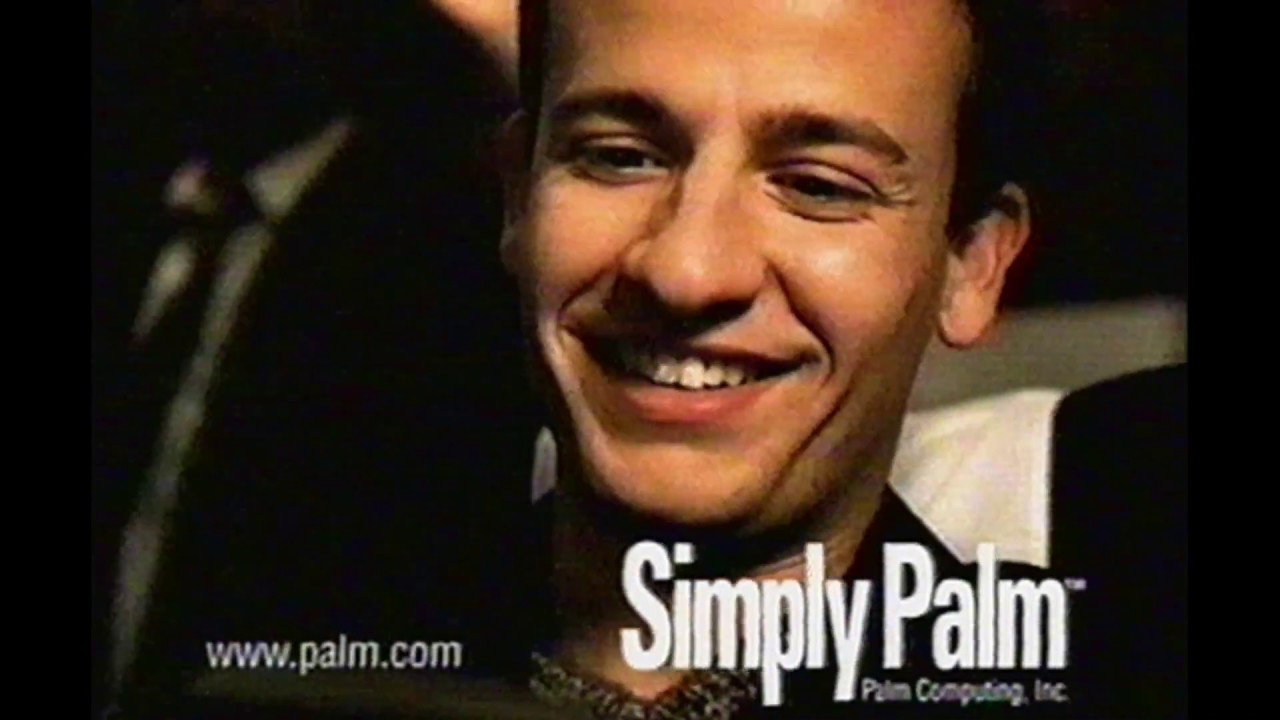
A little gray slab that put your calendar, contacts, memos — and, let's be honest, games — in your pocket, years before smartphones. You wrote on it with a stylus in Graffiti, its own alphabet you had to learn stroke by stroke. For a while, it was the future.

Video thumbnail — Palm Treo 650 Commercial
Tech 2002–2009

Palm Treo

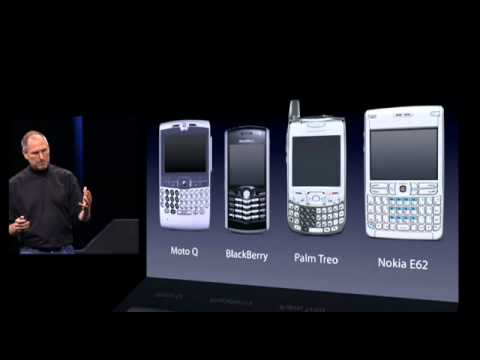
The smartphone before the smartphone: a full thumb keyboard, a stylus, Palm OS, and the then-startling ability to check your calendar in the middle of a call. Built by the PalmPilot's own inventors after they walked out on Palm.

Video thumbnail — Philips Introduces Flat Screen TVs 1998
Tech 1997–2014

Plasma TV

The first flat screen you could hang on a wall: 42 inches, a few inches deep, and for years the way to tell a home theater from a living room. Deep blacks, the burn-in warning, and a decade of slowly losing to LCD.

A silver Insignia portable DVD player, open with the screen up and the disc tray exposed
Tech 1998–2010

Portable DVD Players

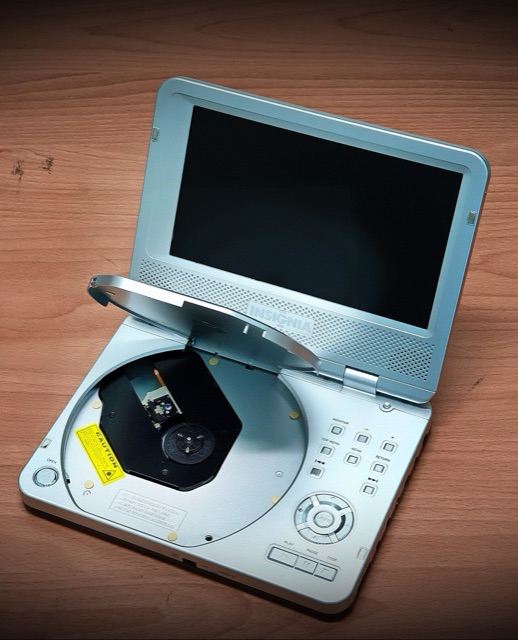
The backseat road-trip luxury before tablets existed. A portable DVD player strapped to the back of a headrest — or a dual-screen set for two kids — meant the family minivan finally had in-flight entertainment, as long as the disc didn't skip over every pothole.

Video thumbnail — 1995 RadioShack Cellular Phones "You've got questions. We've got answers" TV Commercial
Trends 1990–2000 peak

RadioShack

Every strip mall had one: RadioShack, where you flashed your Battery of the Month club card for a free Enercell and got asked for your phone number just to buy batteries. Drawers of components, Realistic-brand gadgets, RC cars, police scanners, and staff who actually knew electronics. "You've got questions. We've got answers."

Video thumbnail — The first Roomba advert
Tech 2002–present

Roomba

The disc-shaped robot that vacuumed your floor by itself — bumping off the furniture, humming along, and, most memorably, serving as a chariot for the family cat. The first robot vacuum most people ever actually owned.

Video thumbnail — Segway intro on Good Morning America Dec 3, 2001
Tech 2001–2020

Segway

Dean Kamen's self-balancing two-wheeler, unveiled in December 2001 after months of speculation about a secret invention code-named Ginger. It cost about $5,000, sold roughly 140,000 units before production ended in 2020, and found its place with tour groups, police and security guards.

Video thumbnail — Ionic Breeze - Quadra Commercial Sharper Image (2002)
Trends 1990s–2000s

Sharper Image

The mall store where you'd test-nap in a $400 massage chair while pretending to shop. Sharper Image was a playground of high-end gadgets, gizmos, and dubious contraptions—air purifiers, personal robots, noise machines, and the infamous Ionic Breeze, which looked futuristic but barely worked.

Video thumbnail — Spy Kids (2001) Official Trailer - Robert Rodriguez Family Spy Movie HD
Movies 2001–2003

Spy Kids

The movie where your boring parents turned out to be retired spies — and when they got kidnapped, you and your sibling became the heroes. Robert Rodriguez wrote, directed, and edited his 2001 gadget caper himself, packing it with jetpacks, a surreal TV-host villain, and henchmen made entirely of thumbs.

Video thumbnail — UNBOXING A VINTAGE PORTABLE FAN! (Squeeze Breeze Water Misting Fan)
Toys mid-90s–present

Squeeze Breeze

A squeeze bottle with a battery-powered fan on top—pump the trigger and get a weak, faintly warm cloud of mist on a scorching day. O2COOL's signature gadget rode the line between toy and survival gear, showing up everywhere from theme-park lines to Little League sidelines. The soft foam blades were safe to touch, even when a sibling grabbed for it mid-spray.

Video thumbnail — Home Alone 2 Tiger Talkboy Tape Recorder Commercial
Toys 1992–1995

Talkboy

The handheld cassette recorder that Kevin McCallister made famous in Home Alone 2—a toy Tiger Electronics built for the movie before kids could buy it. Tape your voice, rewind it, slow it down: every kid who owned one immediately did the voice trick from the movie, and that simple gimmick was the entire appeal. Tiger Electronics' most beloved and oddly random toy, it came perilously close to being just a footnote in cinema history.

Video thumbnail — 1993 Timex Indiglo Watch "Nighttime will never be the same" TV Commercial
Tech 1992–1999 peak

Timex Indiglo

The button under the covers: that eerie greenish-blue glow that lit the entire watch face at once. Timex Indiglo wasn't just a backlight — it was a gadget inside a watch, and every kid with one pressed it obsessively in the dark.

The peanut-shaped TiVo remote control with its yellow pause button and thumbs-up and thumbs-down keys
Tech 1999–2006 peak

TiVo

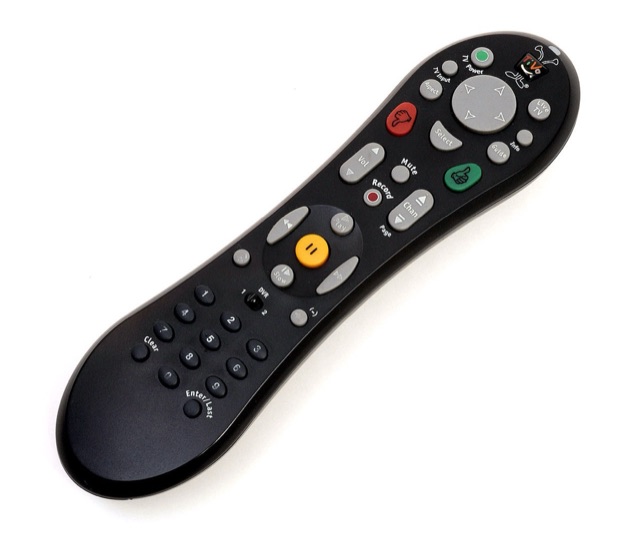
The machine that finally bent television around your schedule instead of the other way around. Pause live TV, rewind the play you just missed, record a whole season by name — no tapes, no timers. "TiVo it" became a living-room verb.

Video thumbnail — Tooth Tunes (Up, Down) (2007) commercial
Toys 2007–2018

Tooth Tunes

The toothbrush that played Hannah Montana inside your skull. Press the bristles to your teeth and a two-minute song hummed up through your jawbone — exactly as long as the dentist said to brush, and only you could hear it.

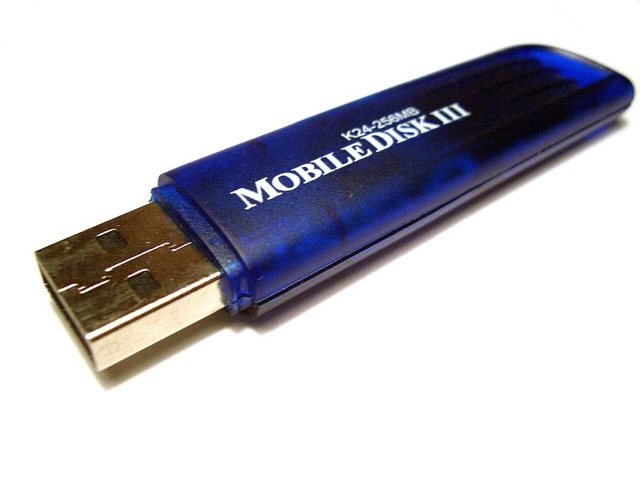
A translucent blue TwinMOS 256 MB USB flash drive, a typical early-2000s model
Tech 2000–present

USB Flash Drives

A stick the size of your thumb that held everything. By the mid-2000s, USB flash drives had killed the floppy disk, and everything moved on a lanyard: your homework, your music, your games. Losing one was a 2000s tragedy — the only copy of your essay, gone with the keychain.

Video thumbnail — Retro Tech: 1990's V-Link Teen "Cell phone".
Toys 1996–1998

V-Link

Half walkie-talkie, half cell phone, the V-Link let 90s kids call each other's handsets — and even leave voicemail — years before any of them had a real phone. It was chunky, it was expensive, and if your whole crew had one, it was the coolest gadget on the block.

Video thumbnail — Will It Blend? - iPhone
Trends 2006–2020

Will It Blend?

"Will it blend? That is the question." Blendtec founder Tom Dickson, in a white lab coat, fed marbles, a rake handle, golf balls and eventually a brand-new iPhone into his blender and reduced each to dust. It started in October 2006 on a $50 budget and became the viral campaign every marketing class studied.

Video thumbnail — Delphi XM Satellite Radio for the Car Commercial 2002
Tech 2001–2008

XM vs. Sirius

Two companies, two satellite fleets, a hundred-plus channels each, and a decade of "which one has Stern?" XM had baseball, Oprah and Bob Dylan; Sirius had the NFL and Howard. They burned billions, then merged.
Video thumbnail — Yes Gear - Yak Bak Commercial
Toys 1994–2000

Yak Bak

The palm-sized recorder built for exactly one purpose: capturing a burp, a catchphrase, or a dumb sound and replaying it until the batteries gave out. Two buttons—Say and Play—and about six seconds of glorious nonsense.
Video thumbnail — Zoey 101 Intro Song |High Quality|Follow Me| Jamie Lynn Spears
TV 2005–2008

Zoey 101

A boarding-school show where the main draw was the tech. Zoey 101 ran four seasons on Nickelodeon and delivered the fantasy we all wanted: a beach-adjacent boarding school with PDA devices and its own sushi joint.