Floppy Disks

IBM's 1971 invention, shrunk twice — to 5.25 inches, then 3.5 inches — until the 1.44 MB disk became the default on every 90s computer. That hard plastic shell with the sliding metal shutter, your homework labeled in marker, ferried between the school lab and home in a backpack pocket.
IBM introduced the floppy disk in 1971 at 8 inches across. Shugart Associates shrank it to 5.25 inches in 1976. The 3.5-inch format came from a consortium design, first shipped in 1983; the 1.44 MB high-density version arrived in 1986, IBM made it the standard on the PS/2 in 1987, and by 1988 the 3.5-inch was outselling the 5.25-inch. That's when the 90s memory crystallized: the hard plastic shell, the sliding metal shutter you couldn't stop fidgeting with, a label scrawled in marker, 1.44 MB holding your entire book report.
The decline came fast. Apple's 1998 iMac shipped with no floppy drive, sending a signal through the industry. Dell dropped built-in drives from consumer machines in 2003. By January 2007 only 2% of computers sold in stores had one. Sony, in the floppy business since 1983, ended its last domestic floppy sales in March 2011. But the shape outlived the technology: the save icon in software is still a tiny floppy disk, skeuomorphic design outliving the object itself. Kids now know the shape only as "the save button."
Similar items

Zip Disks
The chunky blue disk that held a then-unthinkable 100 megabytes — seventy floppies in one satisfying clunk. For a few years every graphic designer, computer lab, and serious computer household had an Iomega Zip drive, and every Zip owner lived in quiet fear of the Click of Death.
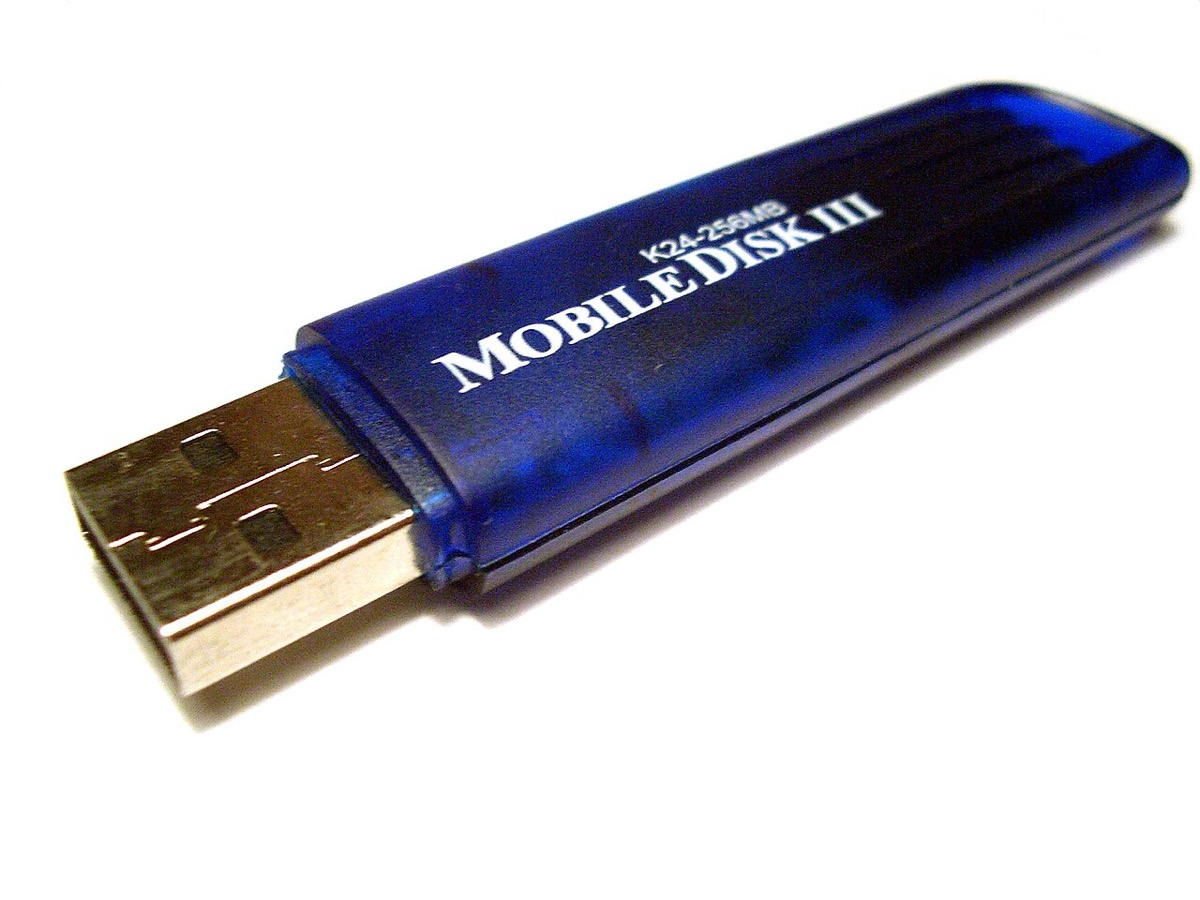
USB Flash Drives
A stick the size of your thumb that held everything. By the mid-2000s, USB flash drives had killed the floppy disk, and everything moved on a lanyard: your homework, your music, your games. Losing one was a 2000s tragedy — the only copy of your essay, gone with the keychain.
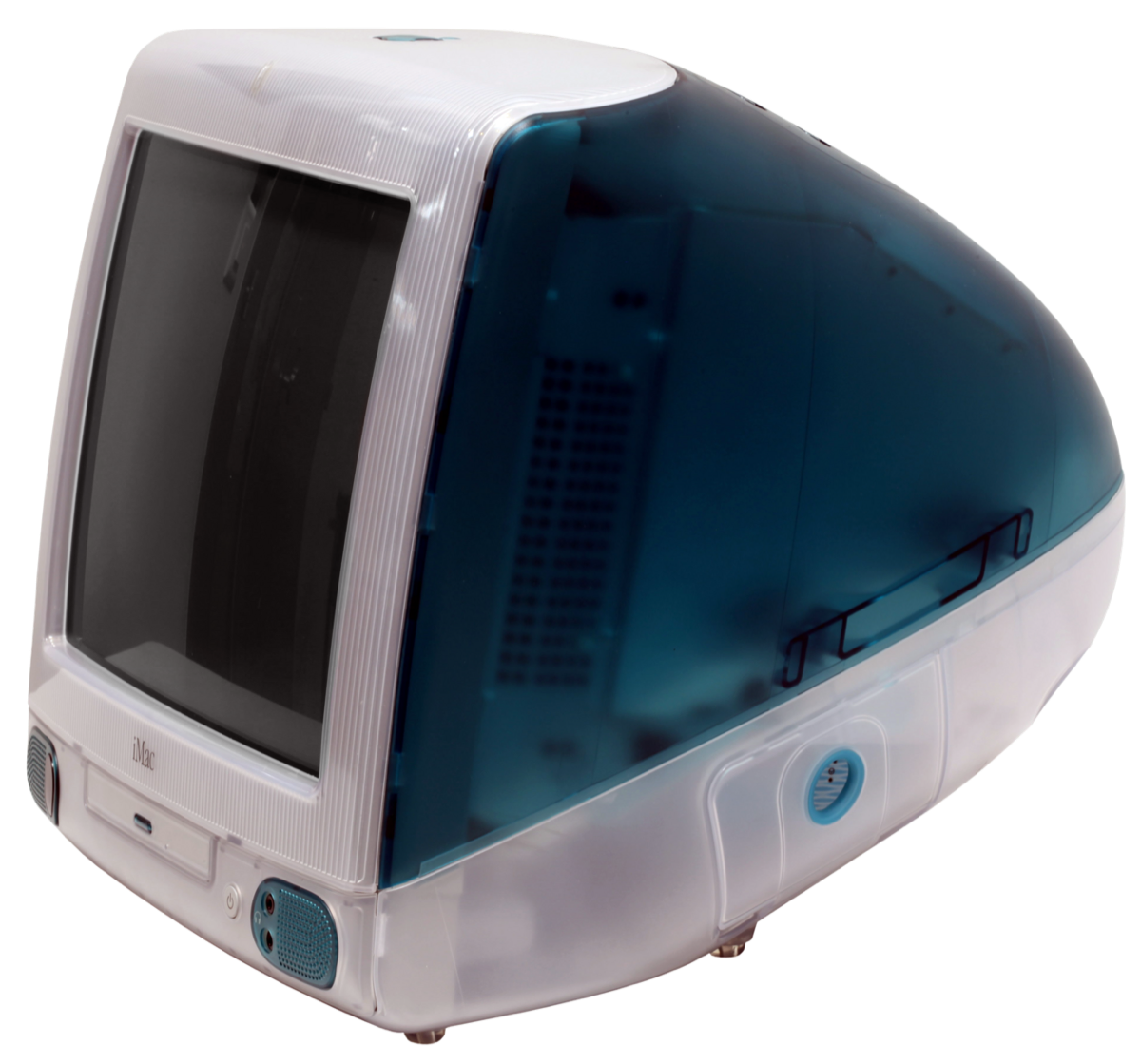
Computer Lab
The weekly pilgrimage down the hall to the room full of beige Apple computers, where you'd slot in a floppy disk, wait, and take turns dying of dysentery on the Oregon Trail. "Computer Day" was equal parts educational software and the first place a lot of kids ever touched a keyboard.

Accelerated Reader Points
Finish the book, march to the library computer, pass the quiz, collect the points. Accelerated Reader turned a generation's independent reading into a full-blown economy — with leaderboards, prize walls, and kids doing cold calculations about whether a fat book was worth the point risk.