The Cranberries

A Limerick band fronted by Dolores O'Riordan's unmistakable keening wail, The Cranberries seemed to come out of nowhere in 1993 and then were impossible to escape — "Linger," "Dreams," and then "Zombie," the stadium-sized protest song that outlived the decade.
Formed in Limerick, Ireland, in 1989, The Cranberries solidified when Dolores O'Riordan joined as lead vocalist in mid-1990. Their 1993 debut, "Everybody Else Is Doing It, So Why Can't We?," arrived with two immediately inescapable singles: "Linger," which peaked at No. 8 on the Billboard Hot 100 and spent 24 weeks on the chart, and "Dreams." The album eventually sold 5 million copies in the US alone.
Then on September 19, 1994, they released "Zombie," the lead single from their second album, "No Need to Argue," and it became something else entirely. O'Riordan wrote it about the Warrington bombing of March 20, 1993, in which two children — Johnathan Ball, age 3, and Tim Parry, age 12 — were killed. She described the song as anti-violence, not political, but either way it was everywhere: No. 1 in Australia, France, Germany, and elsewhere, and Best Song at the 1995 MTV Europe Music Awards. "No Need to Argue" became the band's biggest seller, going 7× platinum in the US.
By mid-1996, The Cranberries' combined albums had sold more than 22 million copies. Later records couldn't recapture that lightning, and the band went on hiatus in 2003. O'Riordan died unexpectedly on January 15, 2018, but the legacy held: in April 2020, the "Zombie" video passed one billion YouTube views — the first song by an Irish artist to reach that milestone. A final album, "In the End," arrived in 2019 before the band disbanded.
Similar items
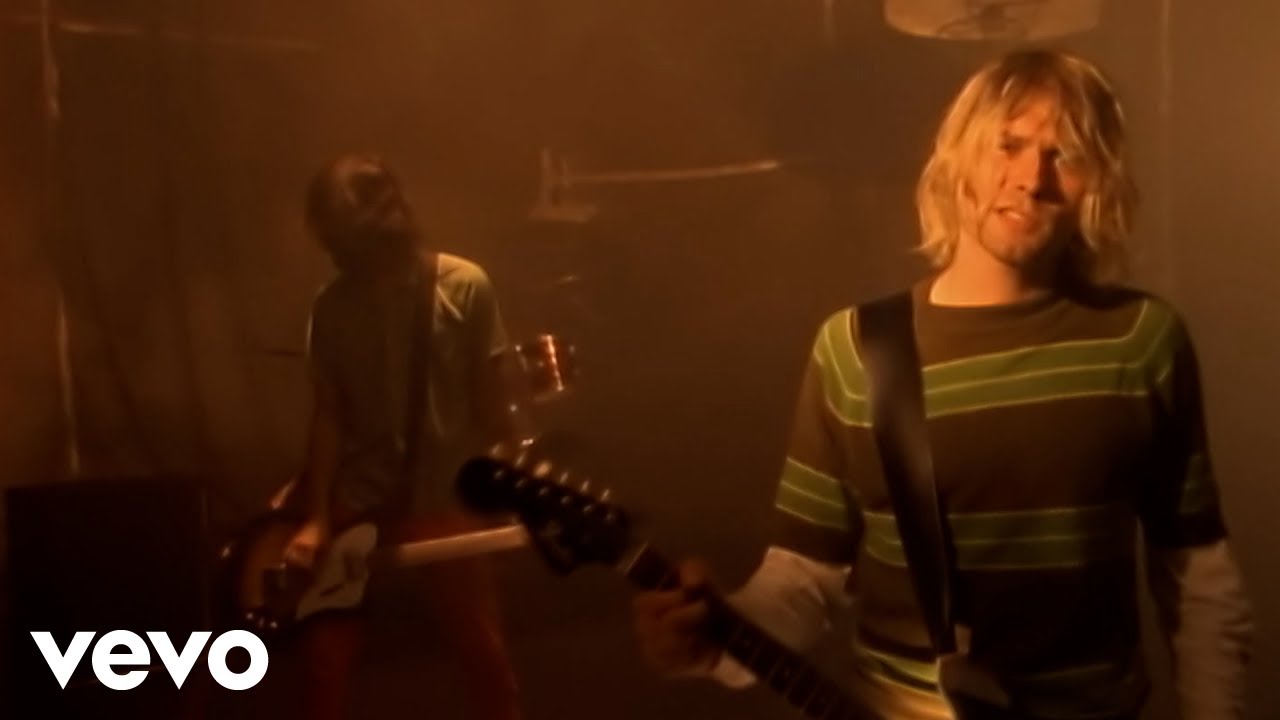
Nirvana
Kurt Cobain, Krist Novoselic, and Dave Grohl didn't invent grunge—but their 1991 album Nevermind accidentally blew it up worldwide, displacing Michael Jackson from #1 and making flannel shirts and angst the uniform of the decade.

Pearl Jam
Seattle's other grunge titans: Eddie Vedder's baritone over the anthems of Ten, then a career spent actively refusing rock stardom — no more music videos, few interviews, and a one-band war against Ticketmaster.

Counting Crows
Adam Duritz's dreadlocked, wordy, openly wounded alt-rock band — one of the definitive sounds of 90s radio. Their 1993 debut sold over seven million copies, and Duritz spent years dismantling the very song that made them famous, recanting "Mr. Jones" and its hunger for stardom after getting exactly what he wished for.
![Video thumbnail — Hootie & The Blowfish - Only Wanna Be with You (Official Music Video) [HD]](https://i.ytimg.com/vi/Ln6WQqRDrCo/maxresdefault.jpg)
Hootie & the Blowfish
The band everyone owned, played to death, and then pretended never to like. Hootie & the Blowfish's Cracked Rear View was the best-selling album of 1995 — eventually certified 22× platinum — before total saturation curdled into backlash.