Pearl Jam
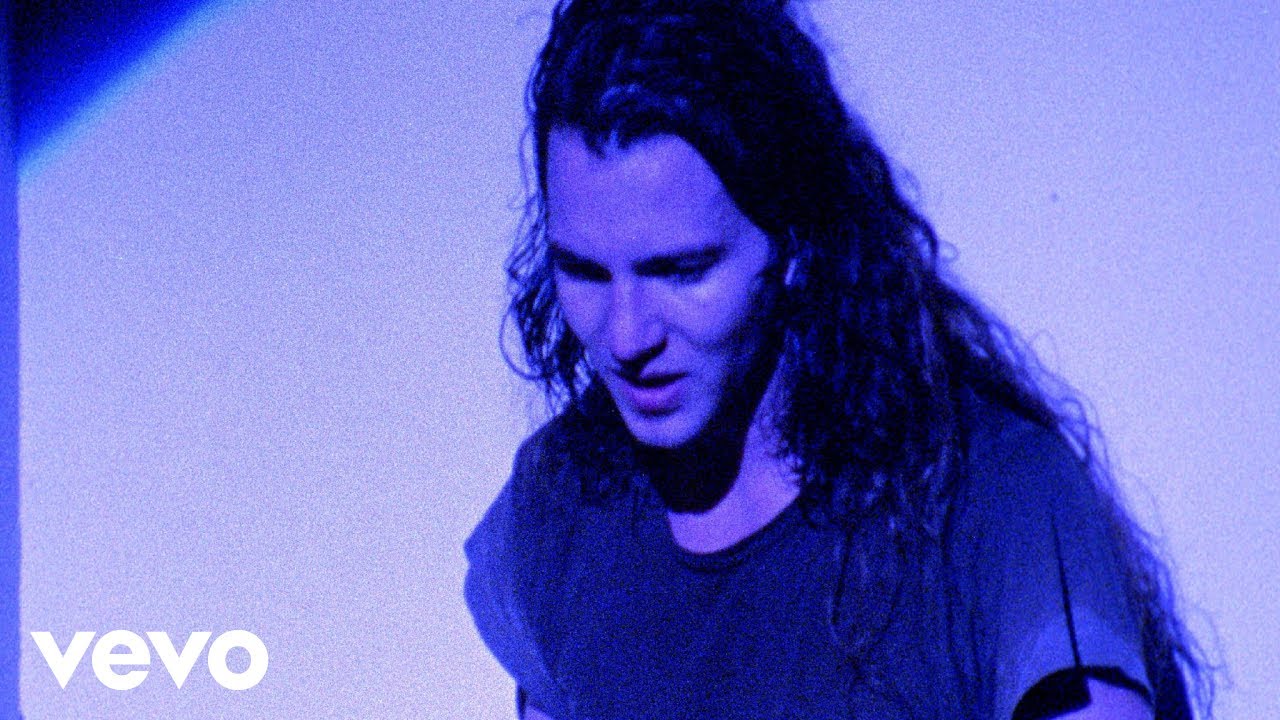
Seattle's other grunge titans: Eddie Vedder's baritone over the anthems of Ten, then a career spent actively refusing rock stardom — no more music videos, few interviews, and a one-band war against Ticketmaster.
Pearl Jam rose from a Seattle tragedy. Guitarist Stone Gossard and bassist Jeff Ament had been in Mother Love Bone, whose frontman Andrew Wood died of a heroin overdose in 1990, months before the band's debut album arrived. Regrouping with guitarist Mike McCready, they cut an instrumental demo that reached a singer named Eddie Vedder through drummer Jack Irons. The new band played its first show at Seattle's Off Ramp Café on October 22, 1990, under the name Mookie Blaylock — after the basketball player — and, upon signing to Epic, renamed itself Pearl Jam, titling its debut album Ten for Blaylock's jersey number.
Ten, released August 27, 1991, was slow to catch — then became one of the defining rock records of the decade, hitting number two on the Billboard 200 in 1992, staying on the chart for nearly five years, and eventually going 13× platinum on the strength of 'Alive,' 'Even Flow,' and 'Jeremy.' Nineteen ninety-two brought Saturday Night Live, MTV Unplugged, and Lollapalooza; 1993's Vs. sold 950,378 copies in its first week — more than the rest of that week's Billboard top ten combined, a record that stood until 1998.
Then the band spent its fame like ammunition. After 'Jeremy,' Pearl Jam simply stopped making music videos. In 1994 it went to war with Ticketmaster over service fees, filing a complaint that triggered a Justice Department investigation — Gossard and Ament testified before a congressional subcommittee that June — then canceled its summer tour and boycotted Ticketmaster venues for years, building its own stages in rural fields. Vitalogy still arrived in 1994 as the second-fastest-selling CD to date.
The refusals worked out to longevity: more than 100 million albums sold worldwide and a first-ballot Rock and Roll Hall of Fame induction in 2017. Vedder even admitted in 2006 that his origin story for the band's name — a great-grandmother Pearl and her peyote-laced jam — was, in his words, 'total bullshit.'
Similar items
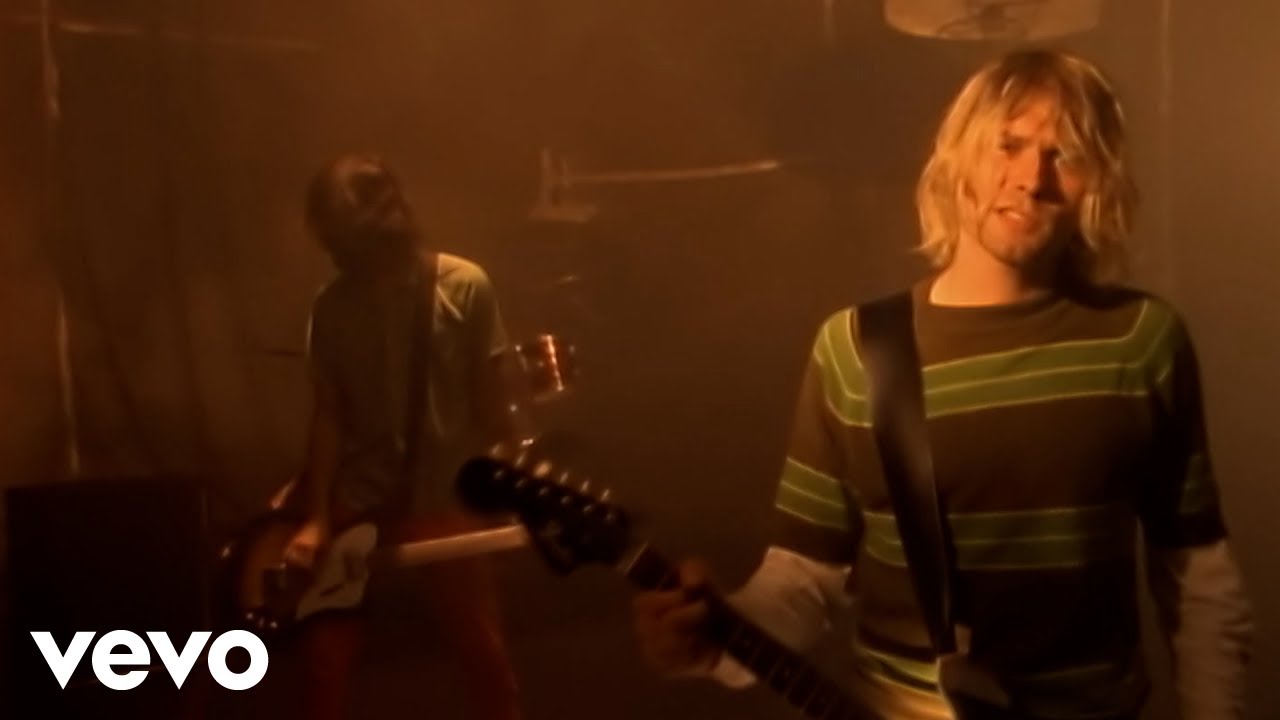
Nirvana
Kurt Cobain, Krist Novoselic, and Dave Grohl didn't invent grunge—but their 1991 album Nevermind accidentally blew it up worldwide, displacing Michael Jackson from #1 and making flannel shirts and angst the uniform of the decade.
Smells Like Teen Spirit
A quiet-verse, loud-chorus riff, a trashed gym, and 'here we are now, entertain us': Nirvana's lead single from Nevermind is the moment grunge went mainstream. Kurt Cobain called it his shot at the ultimate pop song — it became Generation X's accidental anthem instead.
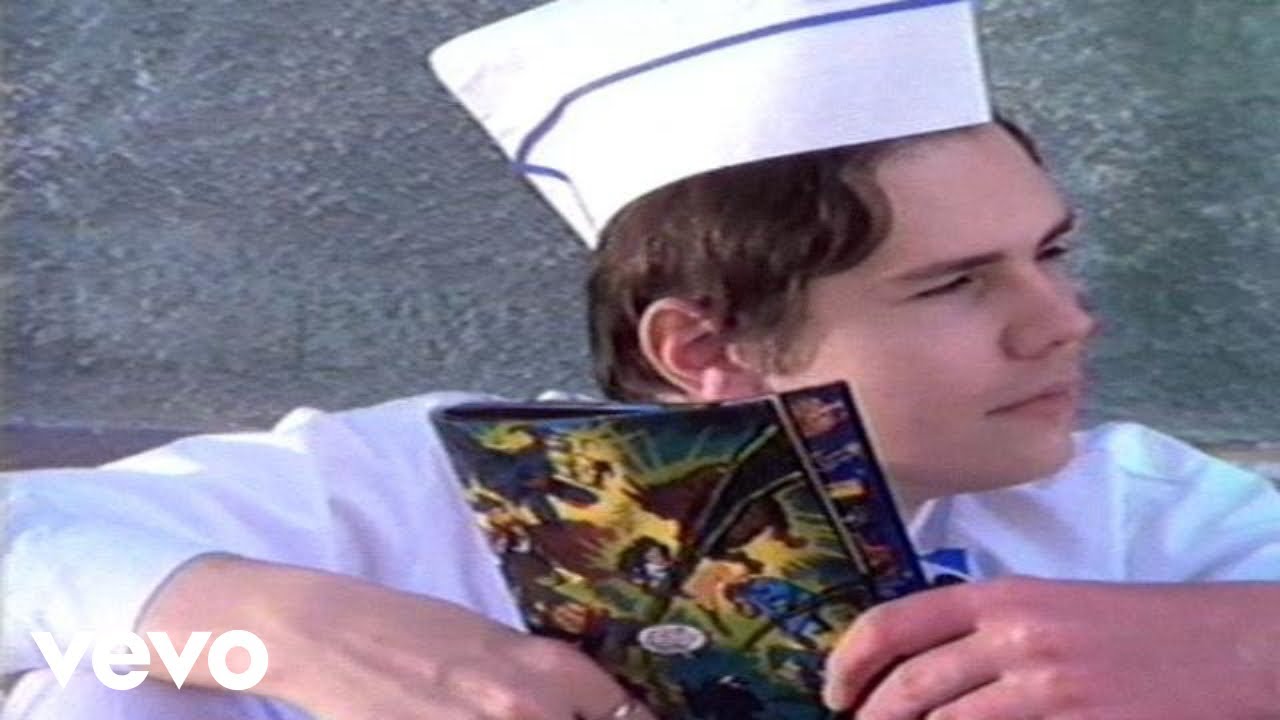
The Smashing Pumpkins
Billy Corgan's Chicago four-piece: shaved head, a black ZERO shirt, and a voice that could go from a whisper to a howl inside one bar. Between Gish and Machina they were a defining act of 90s alternative rock — a #1 double album, two Grammys, and seven VMAs in a single night — and then they ended it themselves, on stage at the same Chicago club where they'd started.
![Video thumbnail — Red Hot Chili Peppers - Californication (Official Music Video) [HD UPGRADE]](https://i.ytimg.com/vi/YlUKcNNmywk/maxresdefault.jpg)
Red Hot Chili Peppers
Four high-school friends from Los Angeles turned nude socks into a rock-and-roll statement, then became one of the biggest bands of the 1990s and 2000s. The Chili Peppers' sinewy funk-rock and theatrical chaos defined an era.