Alanis Morissette
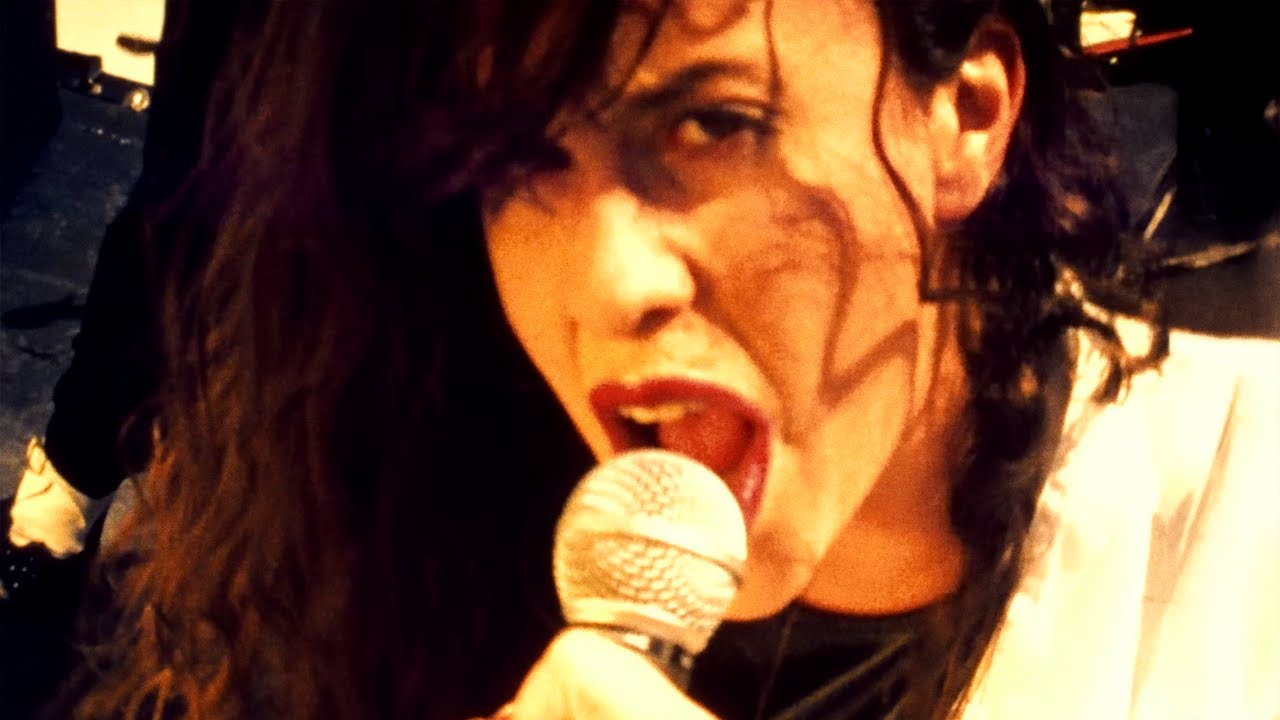
The Canadian teen-pop star who reinvented herself as the voice of 90s female rage. Raw, oversharing, absolutely unapologetic about her feelings—she gave the decade permission to be a mess and call it art.
21 items
The Canadian teen-pop star who reinvented herself as the voice of 90s female rage. Raw, oversharing, absolutely unapologetic about her feelings—she gave the decade permission to be a mess and call it art.
The song that bottled the dread of white-collar routine—people driving in on the highway, all going through identical motions like ants. Boyd Tinsley's violin circled and circled in hypnotic patterns, and every live show stretched it past the studio blueprint.
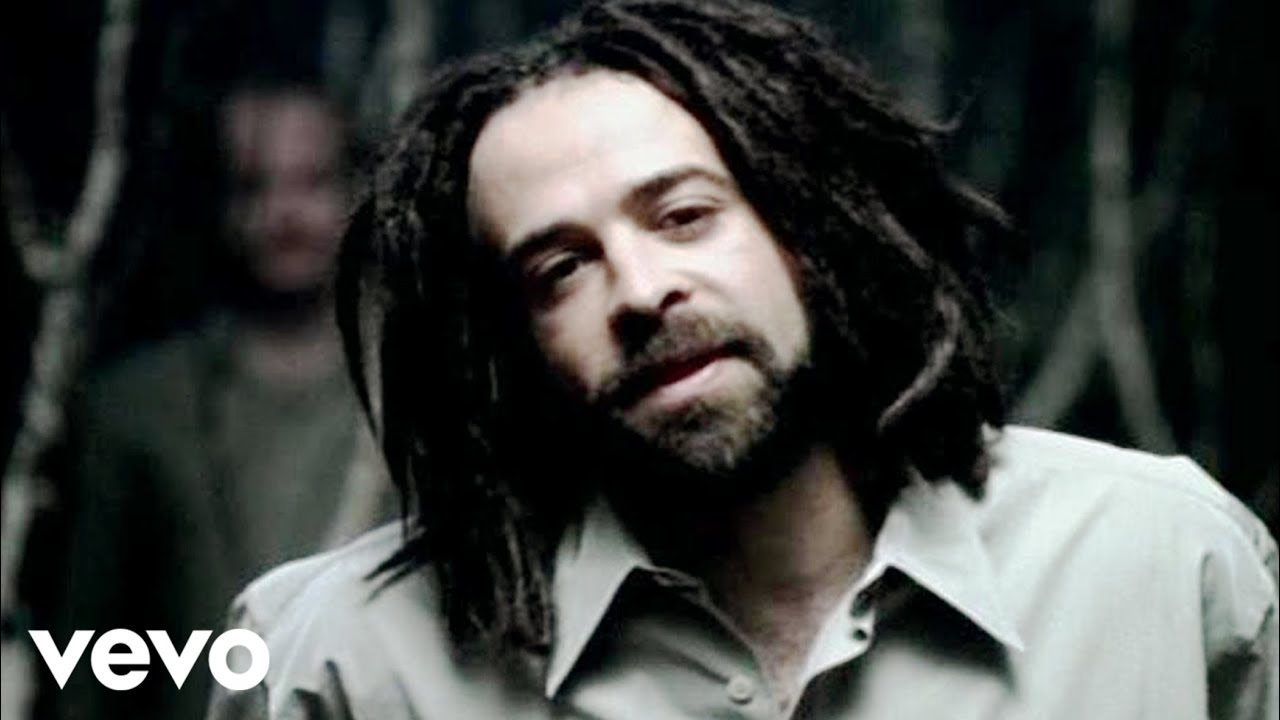
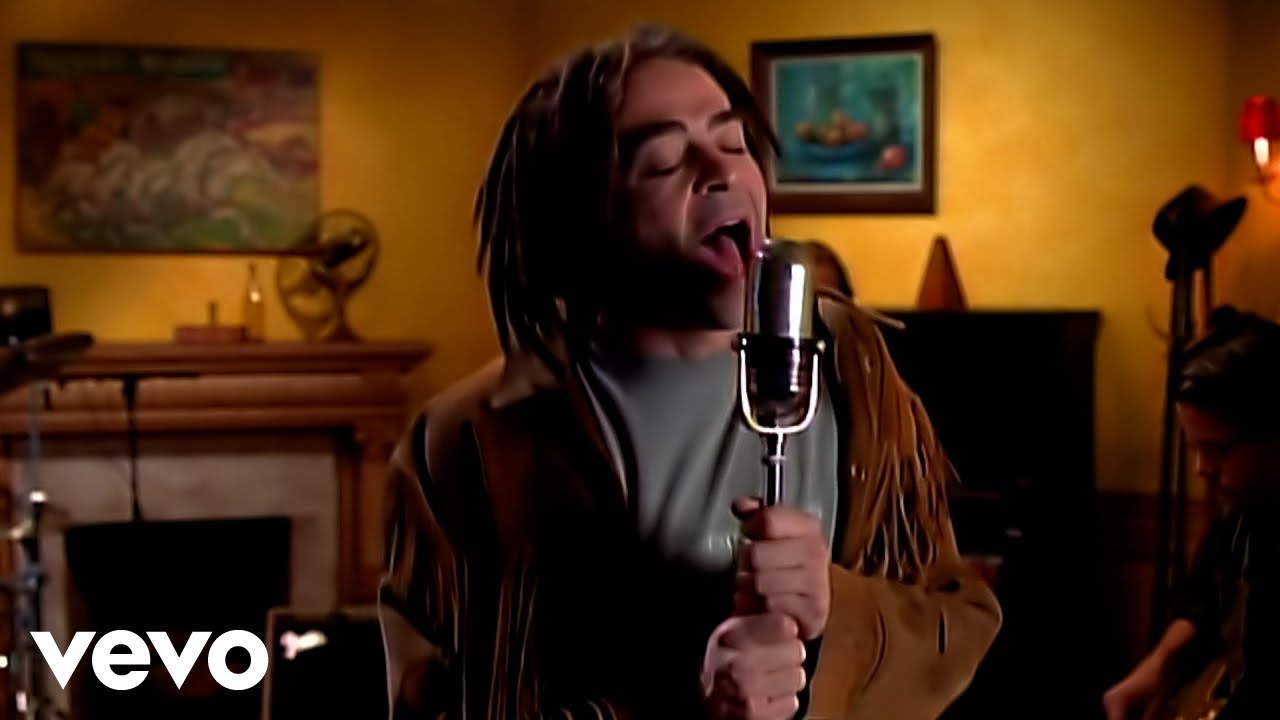
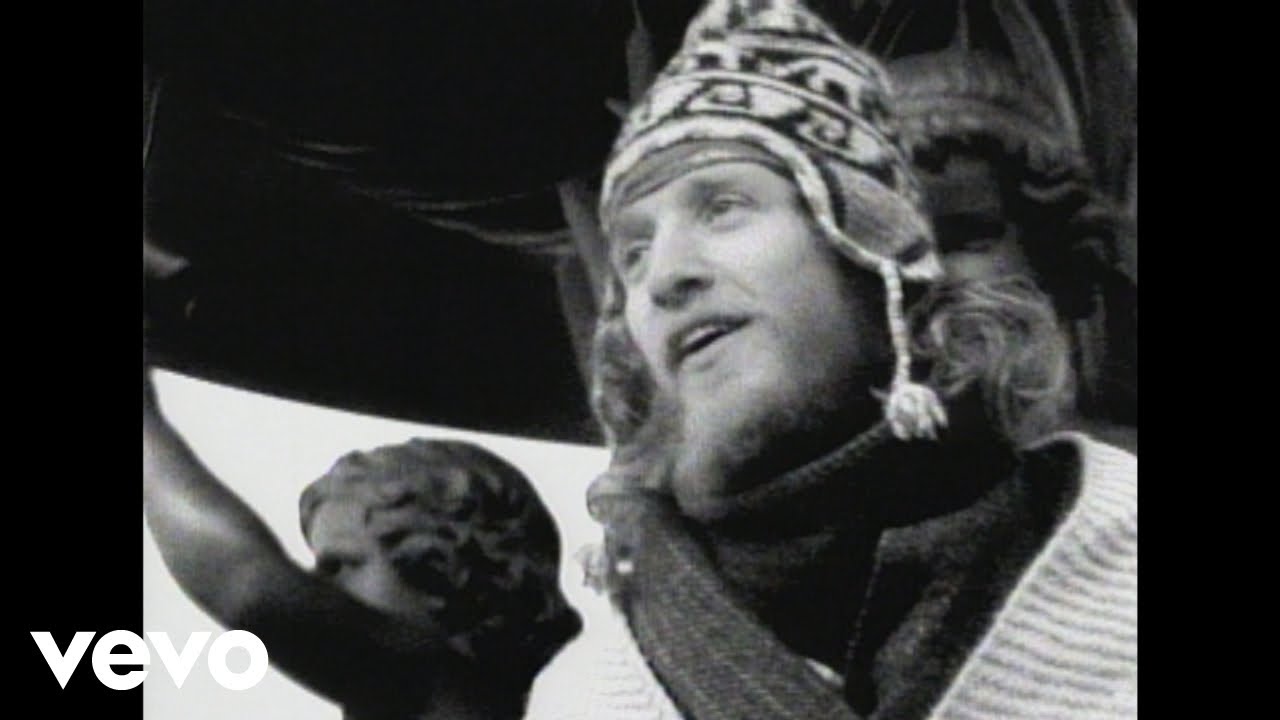
Adam Duritz's dreadlocked, wordy, openly wounded alt-rock band — one of the definitive sounds of 90s radio. Their 1993 debut sold over seven million copies, and Duritz spent years dismantling the very song that made them famous, recanting "Mr. Jones" and its hunger for stardom after getting exactly what he wished for.
The slow-dance ballad that sounded gorgeous until you learned the narrator is watching through a window—a Peeping Tom confessing over a dreamy groove. Radio ate it up anyway, and it became the default prom song for an entire generation.
The song that began as a guitar finger exercise—a delicate, circular picking pattern Dave Matthews practiced until it turned into a melody. Quiet, hypnotic proof that the band could hold a room without a single big chorus.
"May-ayy, do you wanna get married, or run away?" — the jangliest, sunniest radio monster of late 1998 was secretly a song about two scared teenagers facing a pregnancy. It topped four different airplay charts, and most people singing along never noticed what it was about.
Buffalo bar-band punks turned the kings of the late-90s radio ballad: Johnny Rzeznik and Robby Takac spent a decade in the van before "Name" and then "Iris" made them one of the biggest acts in America — and "Iris" sat on top of the airplay chart so long it set a record that stood for over two decades.
The song that leaked before it was ever released, spreading across Napster as fans organized a campaign to free the shelved album it came from. A fan uprising before fan uprisings were a standard industry crisis—dark, brooding, and worth the fight.
The breakthrough single that launched Counting Crows from small-club acoustics into MTV ubiquity — two struggling musicians daydreaming that being rock stars would make everything easier. Its central confession, "when everybody loves me, I will never be lonely," became the 90s' great be-careful-what-you-wish-for lyric: Duritz got the fame and spent years walking the song back.
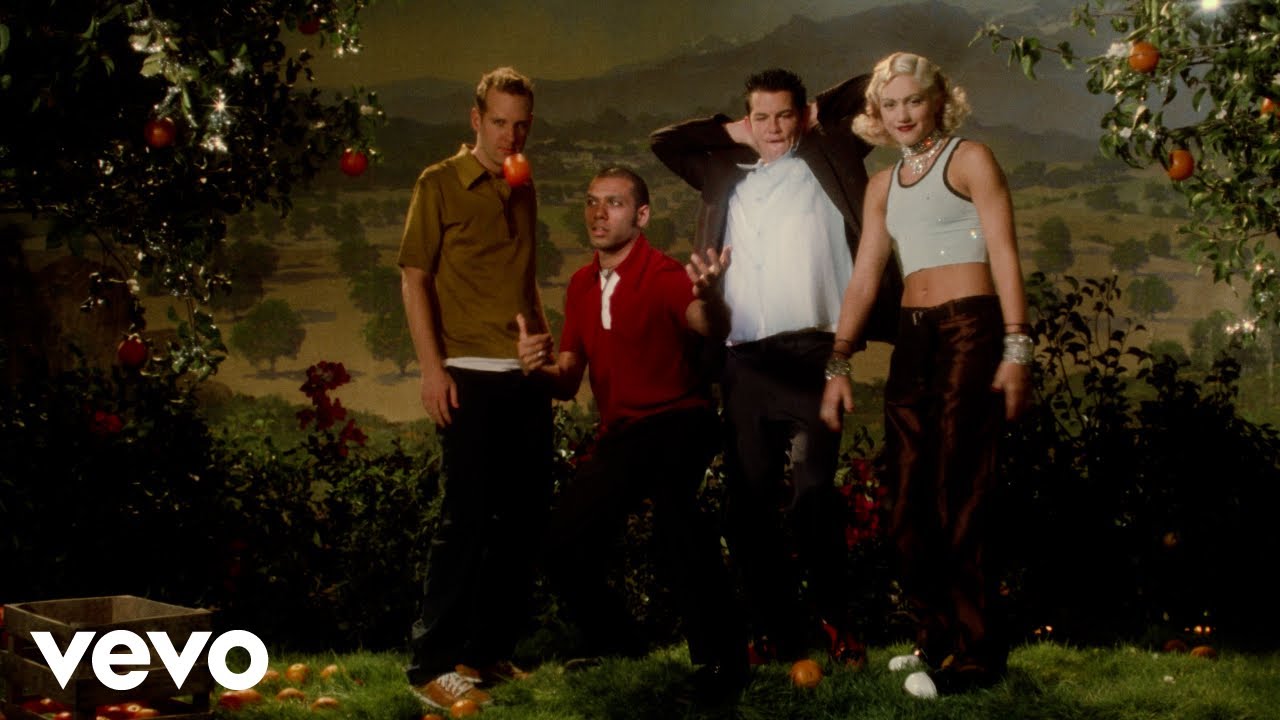
Gwen Stefani's bindi, bleached-blonde hair, and midriff on full display, fronting a bouncy ska-punk band out of Anaheim. "Just a Girl" and the aching "Don't Speak" made Tragic Kingdom one of the decade's defining albums.
The melancholy glow of 1997 radio: Jakob Dylan—yes, that Dylan—singing about the death of ideas over the year's most inescapable groove. It topped every rock format at once, won two Grammys, and never even appeared on the Hot 100.
A goofy three-piece from Seattle armed with a two-string "basitar" and a three-string "guitbass"—and no apologies. The 1996 single off their triple-platinum debut hit No. 29 on the Billboard Hot 100 and charted around the world. The video put them in an orchard where the trees grow cans of peaches, until ninjas ambush the band mid-song. "Movin' to the country, gonna eat a lot of peaches" has lived in heads rent-free ever since.
From college-radio cult band to the thinking fan's arena colossus — R.E.M. was the bridge between the 1980s underground and the 1990s alternative explosion. "Losing My Religion" and "Everybody Hurts" became anthems for a generation, and the Athens, Georgia quartet proved that you could be smart, cryptic, and absolutely massive all at once.
The haunting album opener and second single, with the unforgettable first line — "step out the front door like a ghost" — and a chorus of hollow childhood mantras. A slow folk-rock rethinking of a song from Duritz's earlier band The Himalayans, it became the live centerpiece that never played the same way twice.
"Doo doo doo, doo doo-doo doo..." — the sunniest-sounding smash of 1997 was a song about crystal meth, and the radio edit made sure you couldn't tell. The hook that soundtracked every summer barbecue was hiding one of the darkest lyrics on the dial.
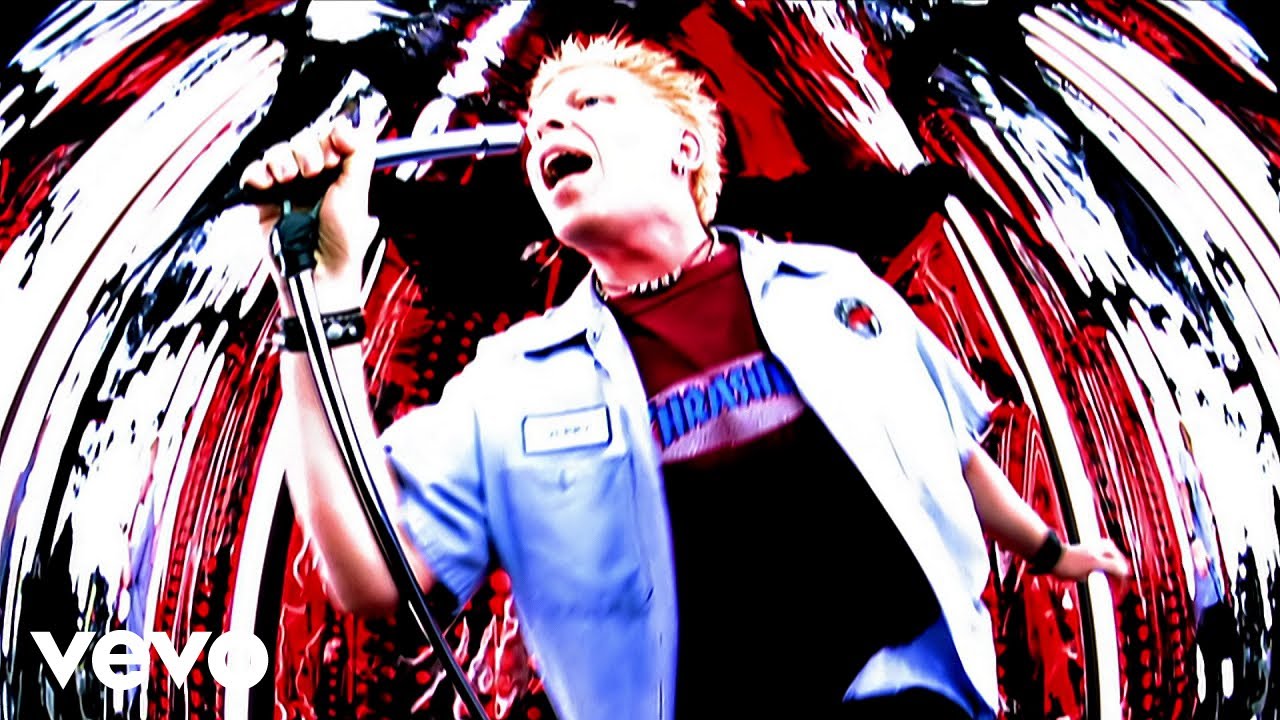
The Orange County lifers who took punk from the underground to total radio domination in one 1994 stroke. Smash became one of the best-selling albums ever released on an independent label, with "Come Out and Play" and "Self Esteem" detonating on modern-rock radio. A second, goofier peak followed with Americana and "Pretty Fly (for a White Guy)." Decades later, frontman Dexter Holland finished a PhD in molecular biology—and the band never stopped touring.
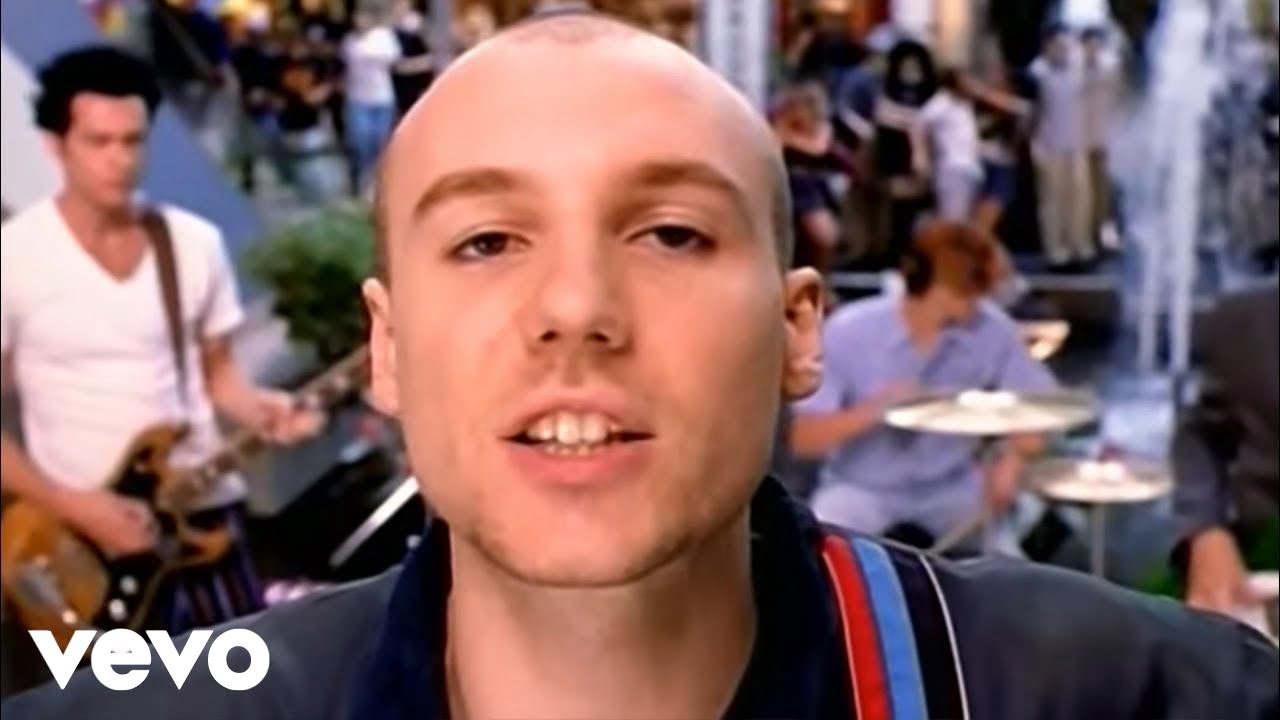
Stephan Jenkins' San Francisco hit machine: one self-titled 1997 debut that just would not stop producing singles — "Semi-Charmed Life," "Jumper," "How's It Going to Be," "Graduate" — all sunshine on the surface and something much darker underneath.
Sublime's defining hit reached radio one week before the album — and two months after Bradley Nowell's fatal heroin overdose. It went to #1 on Billboard's Modern Rock chart, the band's biggest song sung by a frontman who was already gone, its shrugging "lovin' is what I got" warmth forever shadowed by the tragedy behind it.
The one-hit wonder that was one hit by choice: eight months after this song exploded, Gregg Alexander dissolved the New Radicals by press release and walked away at the absolute top. The celebrity-slam verse? A deliberate trap for the media—and the media walked right into it.
Billy Corgan's Chicago four-piece: shaved head, a black ZERO shirt, and a voice that could go from a whisper to a howl inside one bar. Between Gish and Machina they were a defining act of 90s alternative rock — a #1 double album, two Grammys, and seven VMAs in a single night — and then they ended it themselves, on stage at the same Chicago club where they'd started.
"For the life of me, I cannot remember..." — the guilt-stricken confession ballad that all of 1997 alt-radio screamed along to without quite knowing what it was confessing. Rooted in something real, mostly made up, and somehow everyone's story at once. (The Verve Pipe, from Michigan — no relation to The Verve of "Bitter Sweet Symphony" fame, same year, different ocean.)