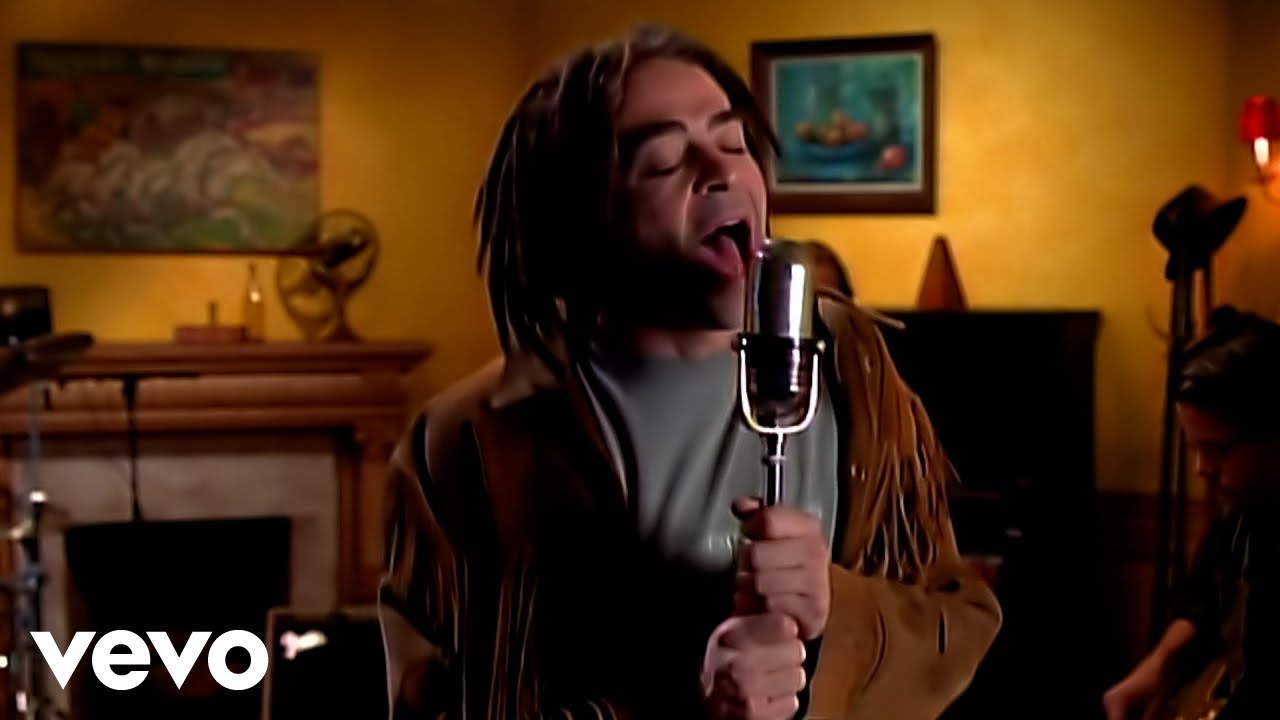
August and Everything After
Counting Crows' 1993 debut—rootsy, literate, and aching, with "Mr. Jones" inescapable on every radio and Adam Duritz's dreads on every MTV block. The album that lived in car CD players for the rest of the decade.
26 items
Counting Crows' 1993 debut—rootsy, literate, and aching, with "Mr. Jones" inescapable on every radio and Adam Duritz's dreads on every MTV block. The album that lived in car CD players for the rest of the decade.

Amy Lee's voice pierces through a dark, orchestral surge; Paul McCoy's shout answers it back. That trade-off — her ethereal plea met by his aggressive roar — became the signature of Evanescence's breakthrough. The song exploded in 2003, hitting #5 in America, #1 in the UK for four weeks, and perfectly captured a moment when goth-tinged rock finally cracked mainstream radio.
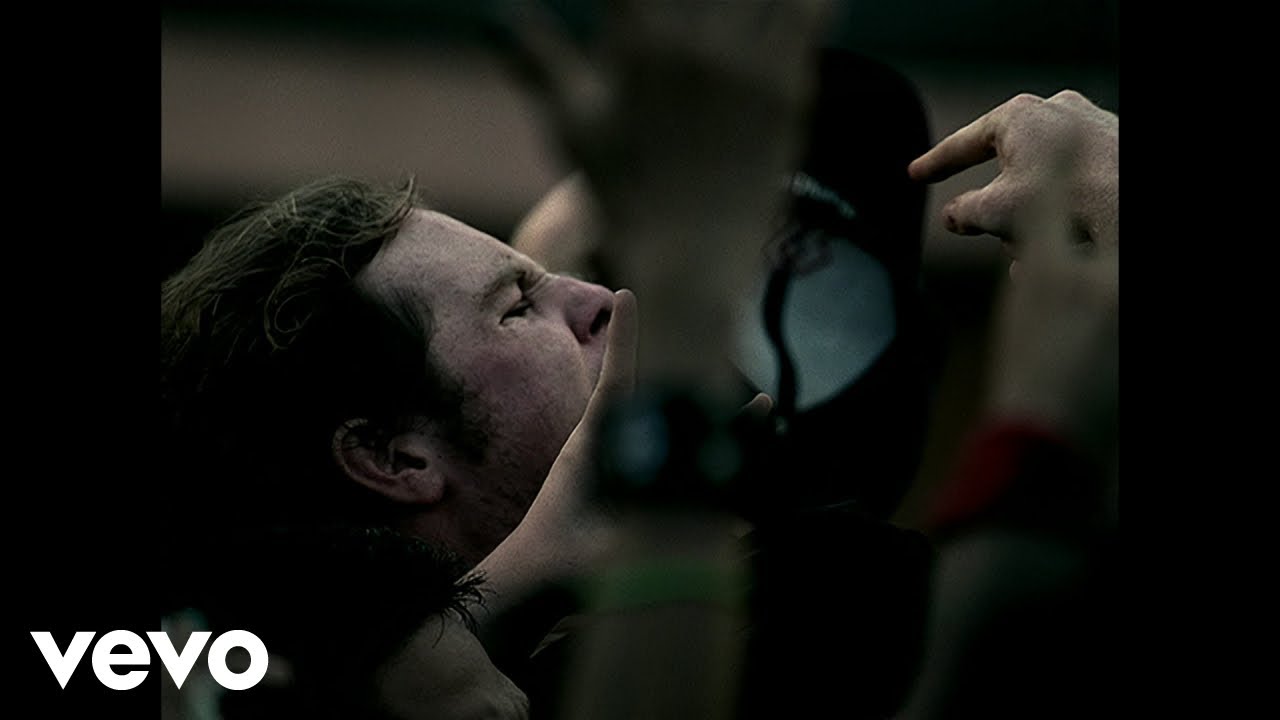
A nu-metal song too weird for the genre, with a suicide reference chopped into its very title. 'Chop Suey!' landed on Clear Channel's post-9/11 list of songs radio was told to avoid — and became the defining track of every Kazaa queue and school-bus headphone share anyway.
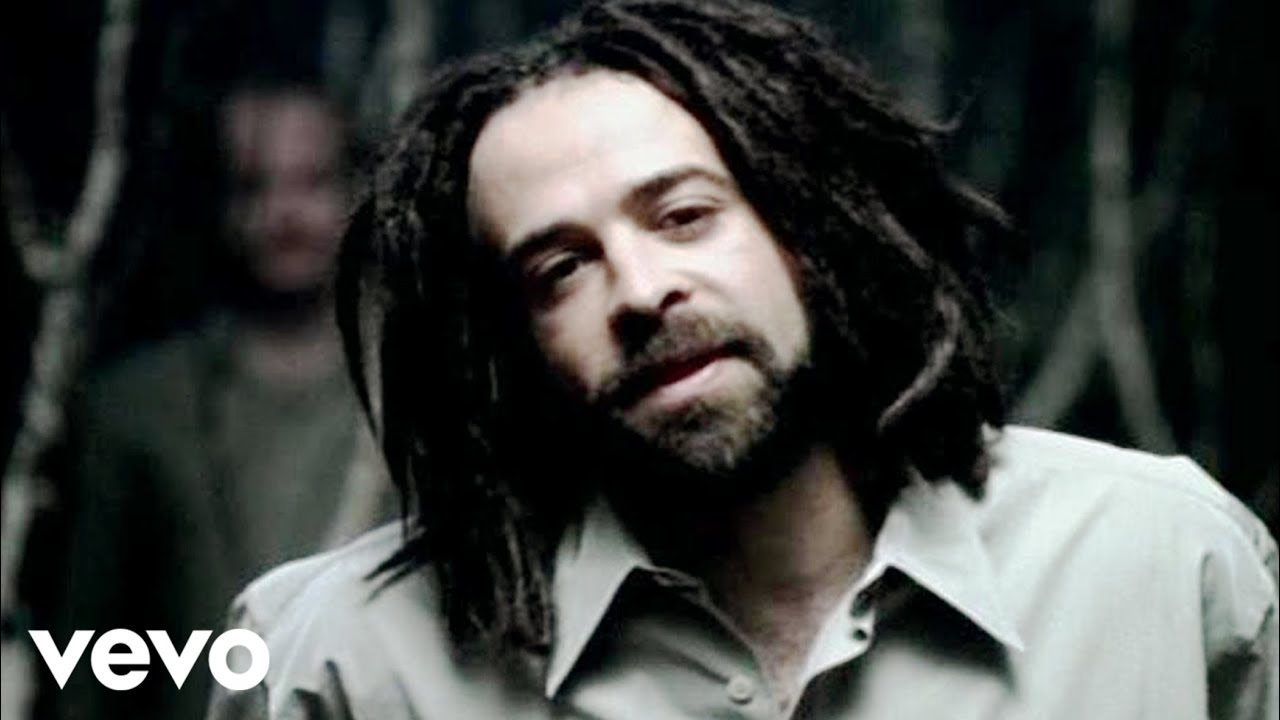
Adam Duritz's dreadlocked, wordy, openly wounded alt-rock band — one of the definitive sounds of 90s radio. Their 1993 debut sold over seven million copies, and Duritz spent years dismantling the very song that made them famous, recanting "Mr. Jones" and its hunger for stardom after getting exactly what he wished for.

The arena-rock anthem that felt both deeply sincere and faintly ridiculous, and proved Creed were simultaneously the most mocked and most inescapable band in America. Scott Stapp's arms-wide-open delivery of lyrics about lucid dreaming somehow dominated rock radio for over a year.
![Video thumbnail — Green Day - Basket Case [Official Music Video] (4K Upgrade)](https://i.ytimg.com/vi/NUTGr5t3MoY/maxresdefault.jpg)
Green Day's major-label debut smashed punk into the mainstream with three-minute anthems of suburban ennui. Released February 1, 1994, "Longview," "Basket Case," and "When I Come Around" dragged pop-punk from a Bay Area garage to every suburban bedroom in America.
![Video thumbnail — Hootie & The Blowfish - Only Wanna Be with You (Official Music Video) [HD]](https://i.ytimg.com/vi/Ln6WQqRDrCo/maxresdefault.jpg)
The band everyone owned, played to death, and then pretended never to like. Hootie & the Blowfish's Cracked Rear View was the best-selling album of 1995 — eventually certified 22× platinum — before total saturation curdled into backlash.
![Video thumbnail — Nickelback - How You Remind Me [OFFICIAL VIDEO]](https://i.ytimg.com/vi/Aiay8I5IPB8/maxresdefault.jpg)
The opening growl — 'Never made it as a wise man' — that became the sound of 2001, and the song that proved Nickelback were simultaneously the internet's favorite punching bag and the actual soundtrack to the decade. Mathematically the most-played song of the 2000s on US radio, and everyone hated it, and everyone still knows every word.

Alanis Morissette's international debut detonated on alternative radio with "You Oughta Know" and never let up. At 21, she won the 1996 Grammy for Album of the Year, becoming the youngest recipient of that award at the time and selling over 33 million copies worldwide.
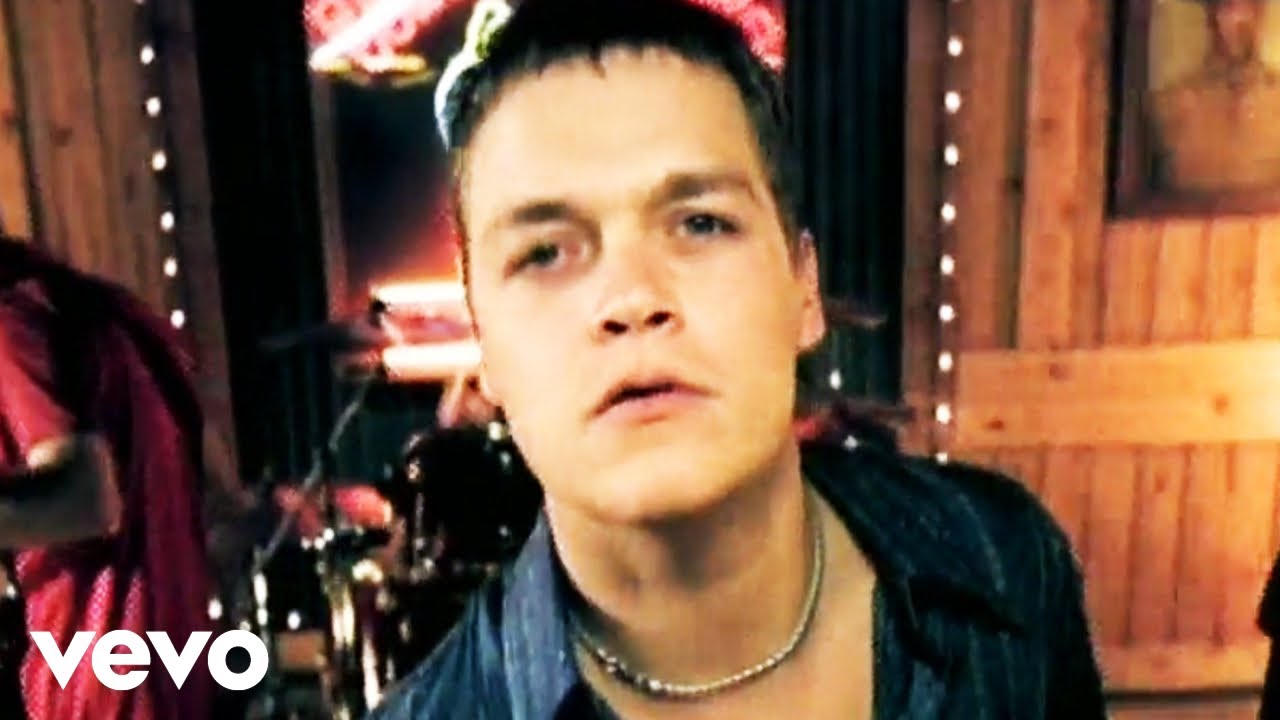
At fifteen, Brad Arnold of 3 Doors Down wrote "Kryptonite" during math class — and ended up with one of the inescapable rock songs of the decade. From a Mississippi radio station's runaway request line to an eight-times-platinum single, this was the sound of the year 2000 on every rock station in America. You probably knew every word before you fully understood them.
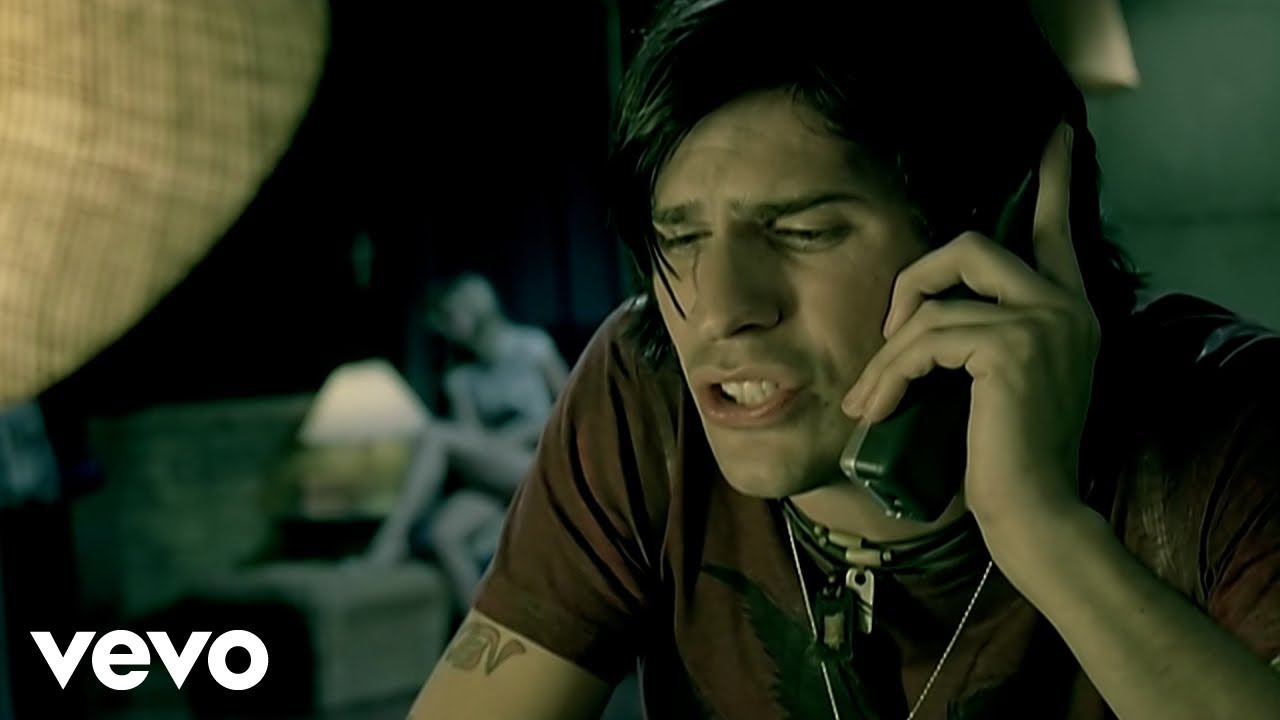
Hinder's whispered phone call to an ex — "honey, why you calling me so late?" — that owned radio and ringtones in the fall of 2006. The power ballad every flip phone in America seemed to erupt with, guilty premise and all.

Billy Corgan's double-album magnum opus: 28 tracks, two discs, infinite sadness. Mellon Collie debuted at #1 on the Billboard 200 (their only chart-topper), spawned multiple MTV staples, and won a Grammy for 'Bullet with Butterfly Wings'—the song that distilled 90s ennui into one howled line: 'Despite all my rage, I am still just a rat in a cage.'
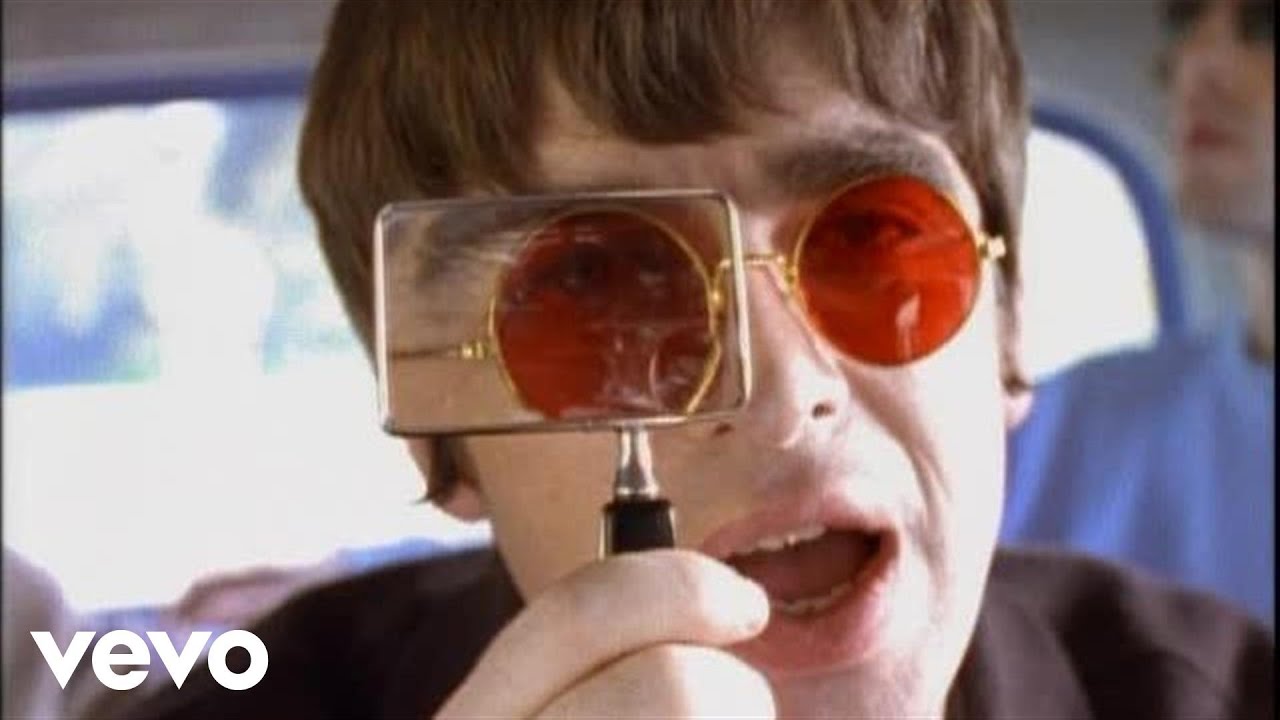
Oasis's second album was the sound of the 1990s reaching critical mass: brothers Noel (songwriter, deadpan guitar) and Liam (arrogant vocals) Gallagher channeling The Beatles, bombast, and Manchester swagger into 12 tracks that became anthems. One of the best-selling albums ever, it made Oasis briefly the biggest rock band on Earth.
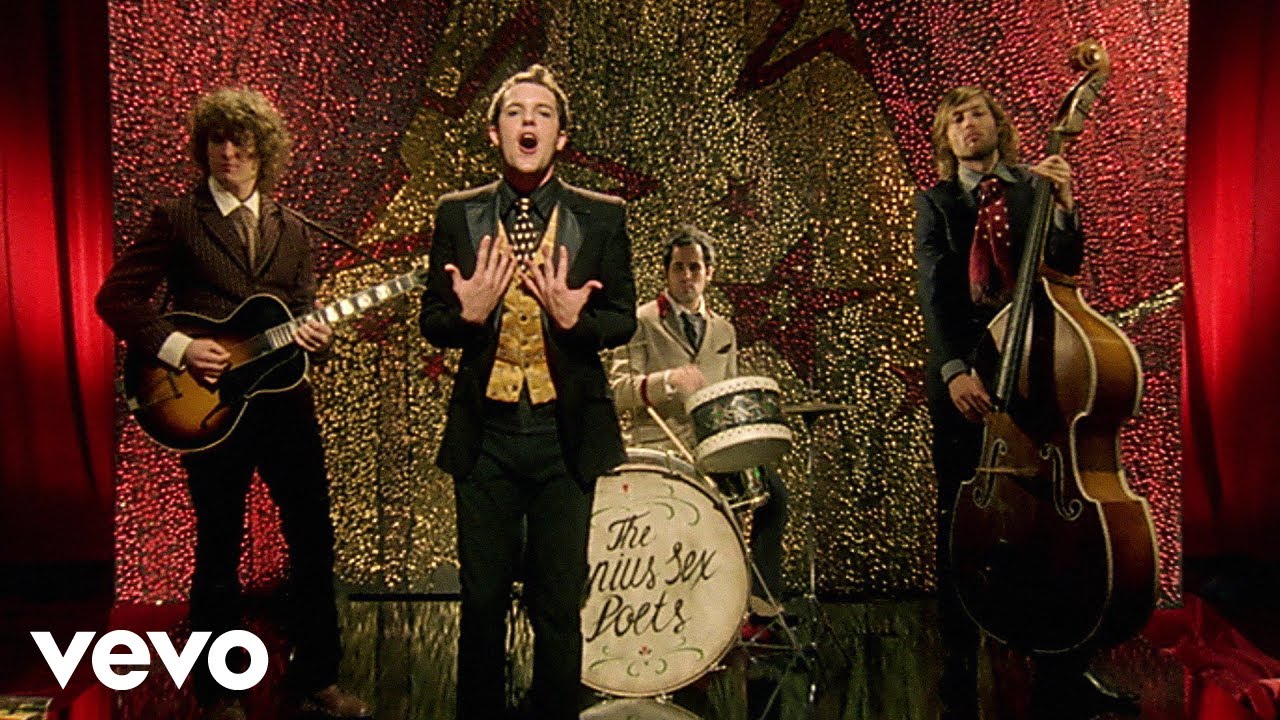
The Killers' debut single — written after Brandon Flowers found his girlfriend in a Las Vegas bar with another man. Released in 2003, it peaked at No. 10 on both the US and UK charts, and then simply never left: by 2026 it had logged more than 500 weeks on the UK singles chart, a communal scream at weddings and stadiums that outlived its own decade.
![Video thumbnail — My Chemical Romance - Welcome To The Black Parade [Official Music Video] [HD]](https://i.ytimg.com/vi/RRKJiM9Njr8/maxresdefault.jpg)
The eyeliner-and-marching-band emo icons behind The Black Parade. Formed in New Jersey after 9/11, MCR gave every mid-2000s teenager an anthem — "Welcome to the Black Parade," "Helena," "I'm Not Okay" — and a look.
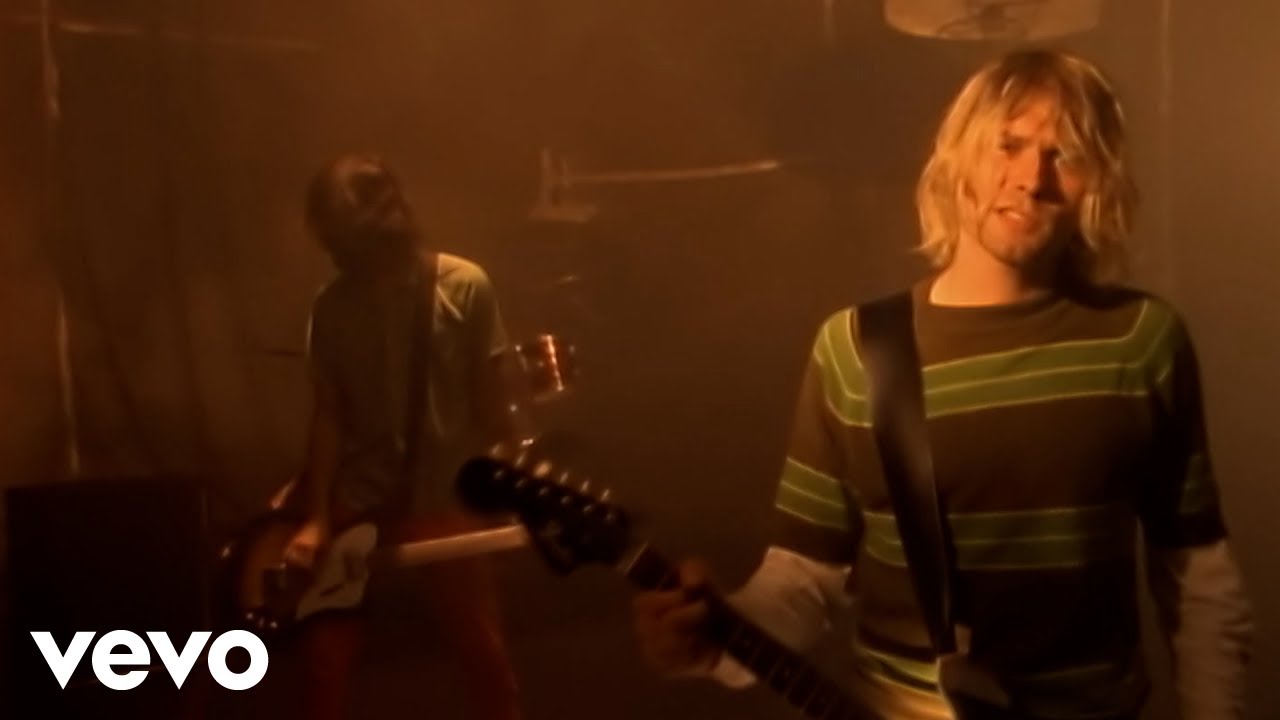
Kurt Cobain, Krist Novoselic, and Dave Grohl didn't invent grunge—but their 1991 album Nevermind accidentally blew it up worldwide, displacing Michael Jackson from #1 and making flannel shirts and angst the uniform of the decade.
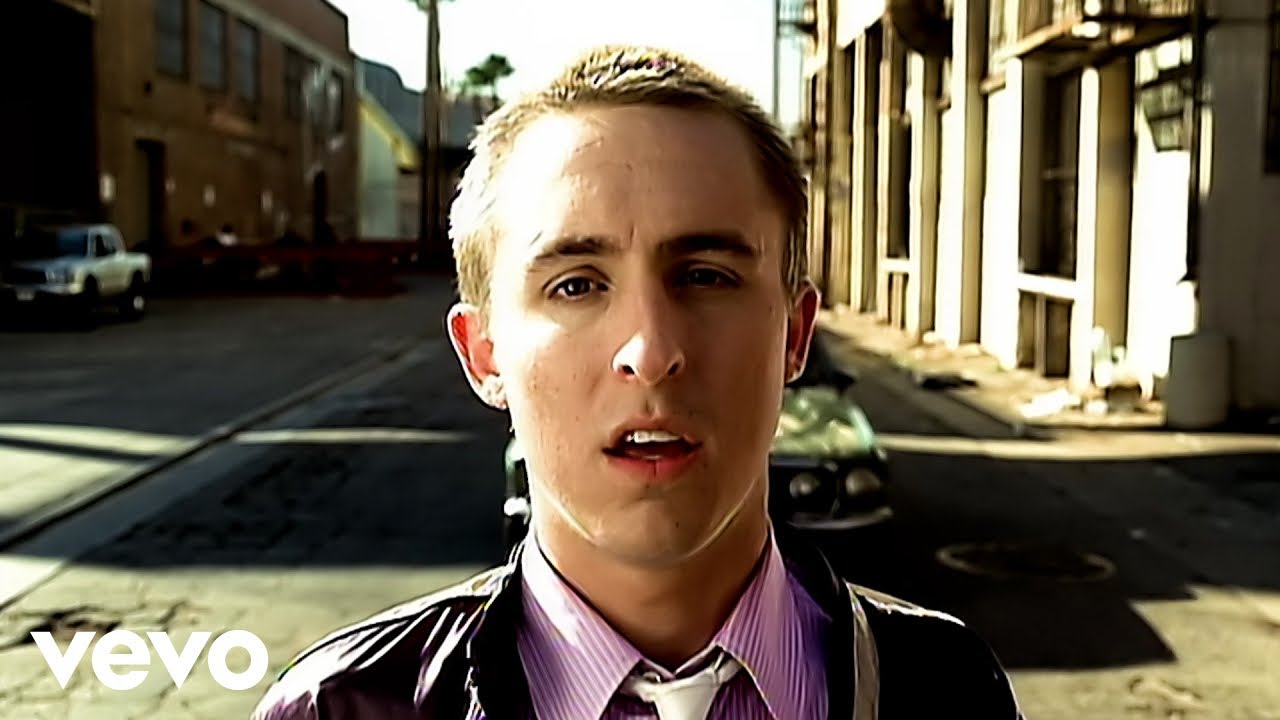
Pop-punk with a violin section of one. Yellowcard's signature song only reached #37 on the Hot 100, but it went double Platinum and became the era's defining leave-this-town anthem — named for a street that doesn't quite exist.
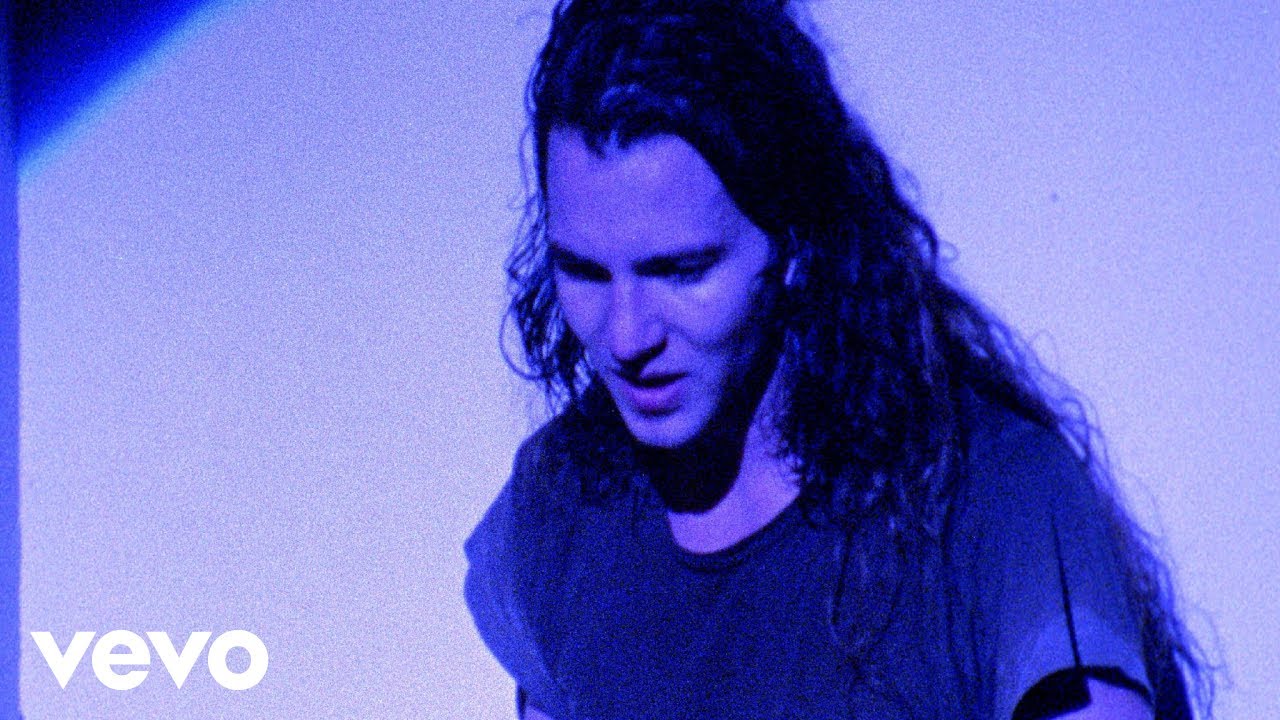
Seattle's other grunge titans: Eddie Vedder's baritone over the anthems of Ten, then a career spent actively refusing rock stardom — no more music videos, few interviews, and a one-band war against Ticketmaster.

Jack Black fakes his way into a prep-school substitute-teaching job and turns a class of fifth-graders into a rock band. The trick that makes School of Rock immortal: the kids were real musicians playing live, so every scene of them discovering rock and roll is actually happening.
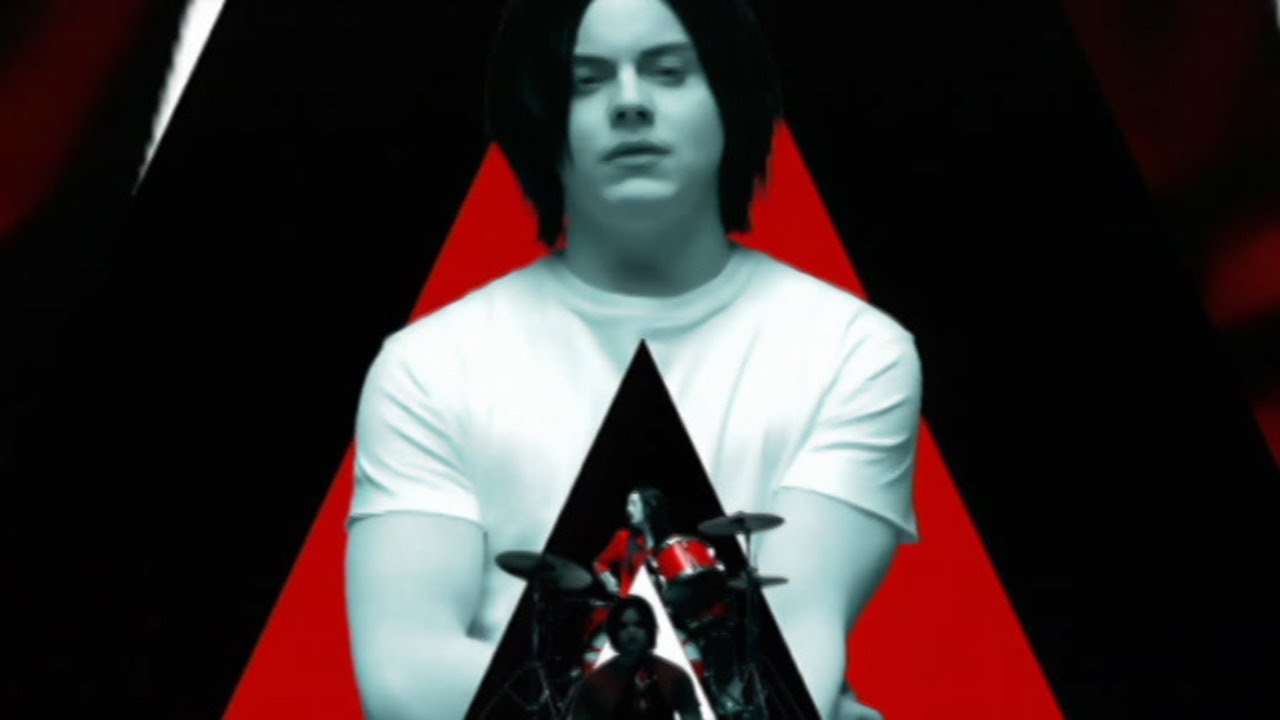
A seven-note riff that sounds exactly like a bass — played by a band with no bassist. "Seven Nation Army" peaked at #76 on the Hot 100, then quietly conquered every stadium on earth. Millions chant it at games today without knowing they're singing The White Stripes.

Somebody once told me — you know the rest. Smash Mouth's 1999 radio staple peaked at #4 on the Hot 100, but immortality arrived in 2001, when it played over Shrek's opening credits and fused itself permanently to a green ogre. The internet did the rest.
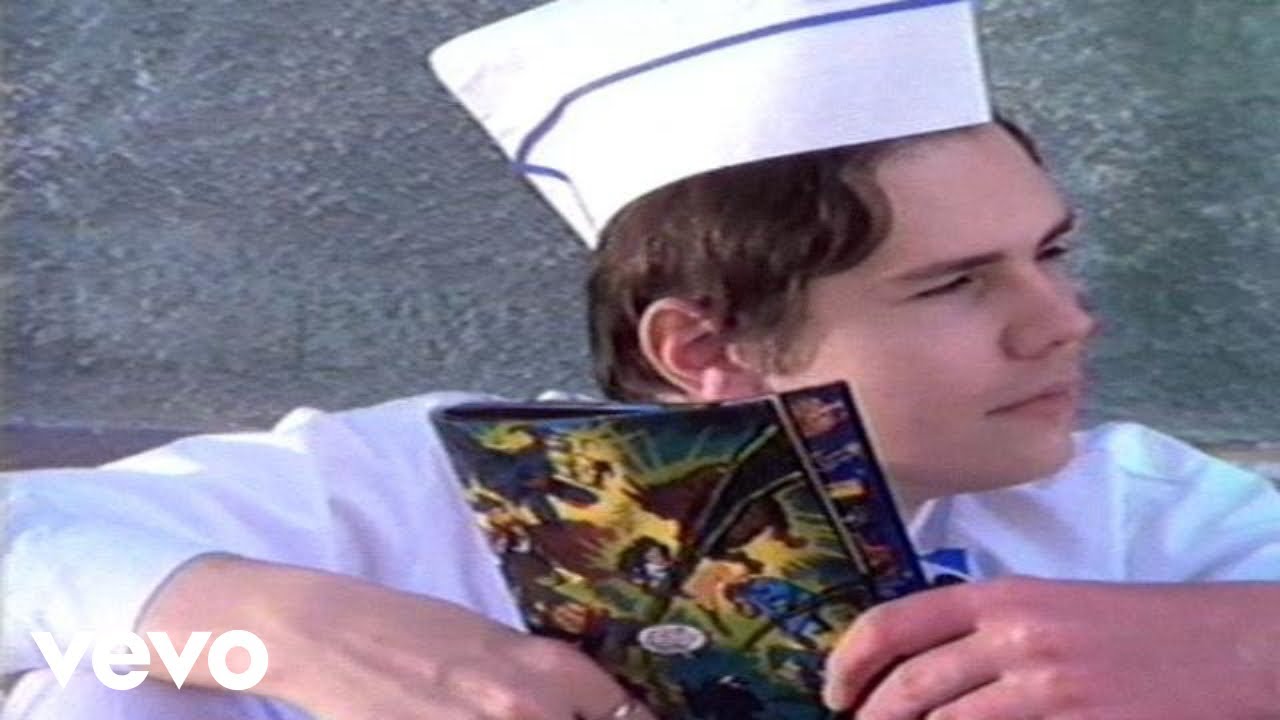
Billy Corgan's Chicago four-piece: shaved head, a black ZERO shirt, and a voice that could go from a whisper to a howl inside one bar. Between Gish and Machina they were a defining act of 90s alternative rock — a #1 double album, two Grammys, and seven VMAs in a single night — and then they ended it themselves, on stage at the same Chicago club where they'd started.
A quiet-verse, loud-chorus riff, a trashed gym, and 'here we are now, entertain us': Nirvana's lead single from Nevermind is the moment grunge went mainstream. Kurt Cobain called it his shot at the ultimate pop song — it became Generation X's accidental anthem instead.
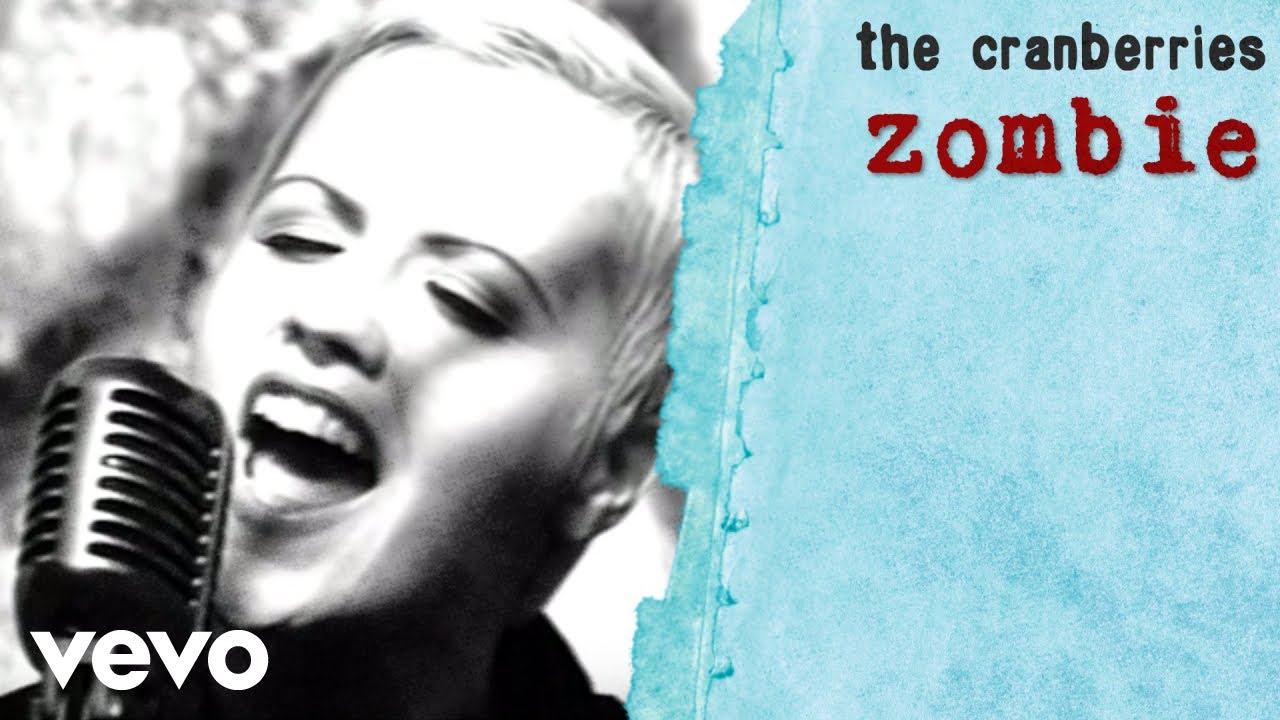
A Limerick band fronted by Dolores O'Riordan's unmistakable keening wail, The Cranberries seemed to come out of nowhere in 1993 and then were impossible to escape — "Linger," "Dreams," and then "Zombie," the stadium-sized protest song that outlived the decade.
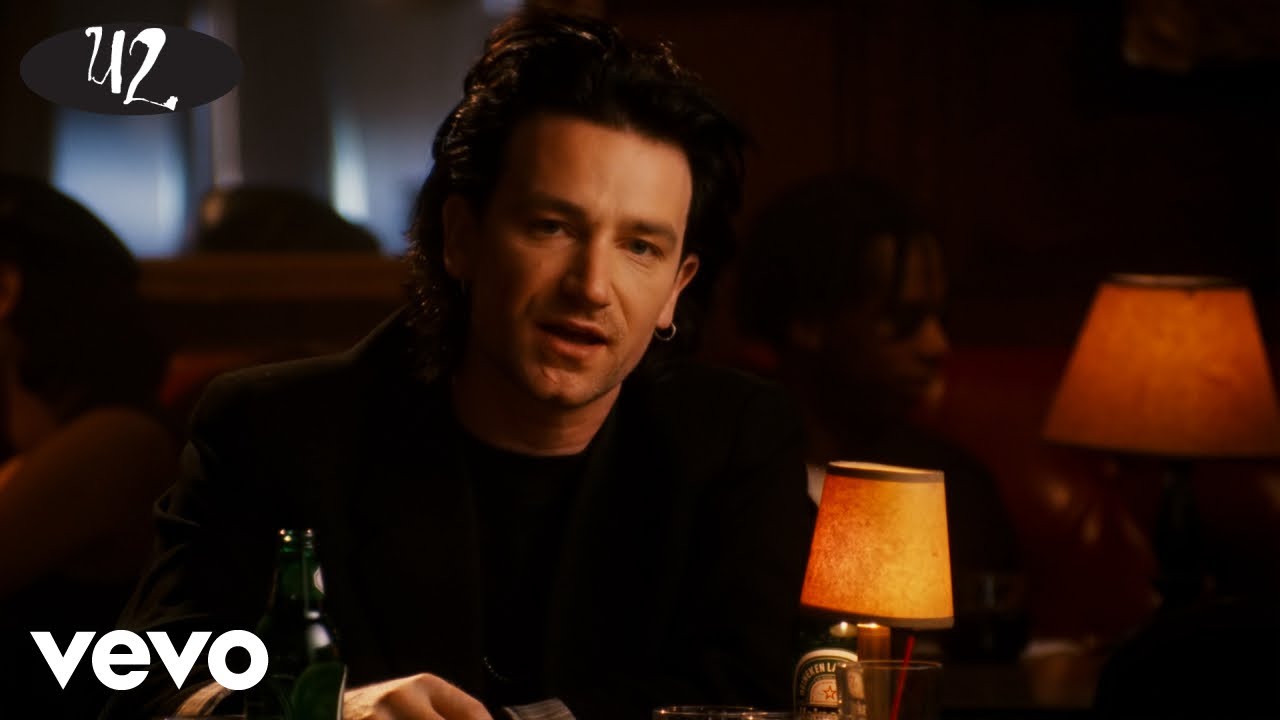
Dublin's titanic arena-rock band, who peaked once in the 1980s and reinvented themselves entirely in the 1990s as ironic multimedia spectacle. The Nineties U2 was fearless—Berlin studios, video walls the size of buildings, prank calls to the White House. They nearly broke up, then wrote "One" and changed everything.
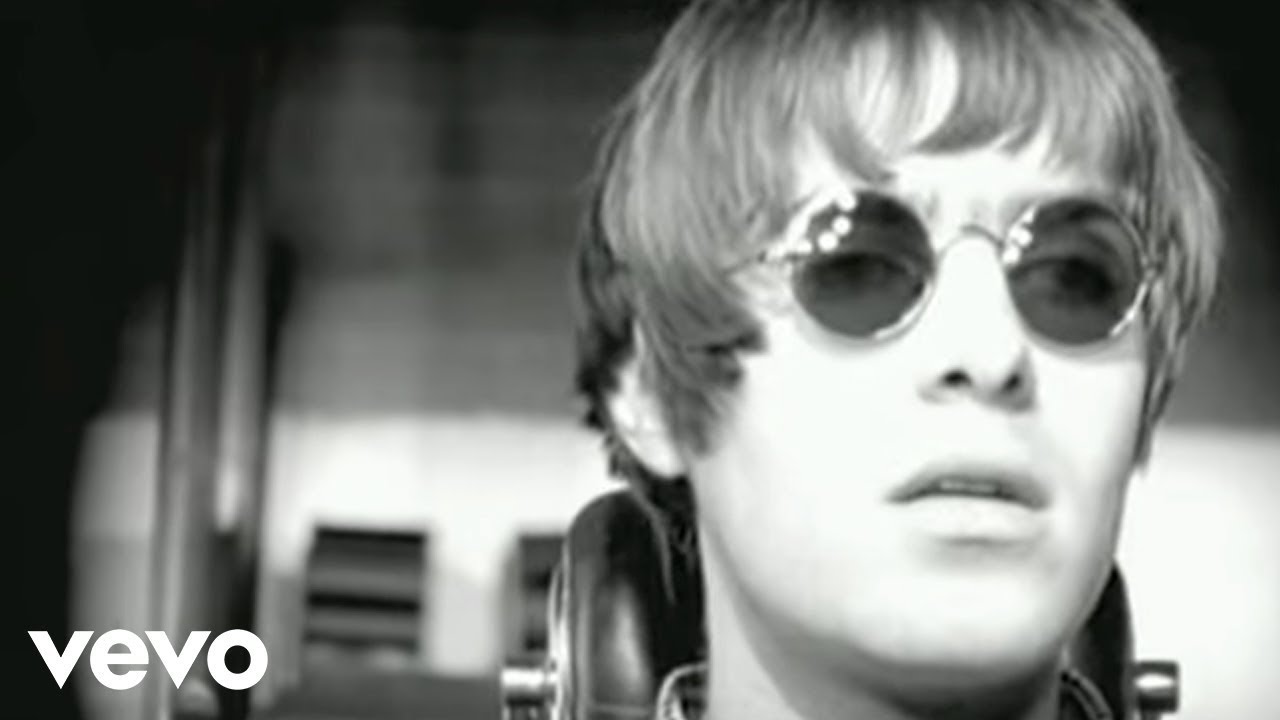
Today is gonna be the day. A few strums into any acoustic guitar within earshot of a campfire, and everybody knows what's coming. Oasis's 1995 anthem became Britpop's biggest export, America's one Oasis moment, and the song guitar shops learned to dread.