The 7th Guest

The 1993 haunted-mansion puzzle game that came on two CD-ROMs when most PCs had no CD drive, and sold the drives anyway. Ghostly actors in a pre-rendered house, 19th-century brainteasers, a toymaker named Stauf (an anagram of Faust), and Bill Gates calling it "the new standard in interactive entertainment."
Graphic artist Rob Landeros and programmer Graeme Devine pitched a haunted-house game to Martin Alper, head of Virgin Games, and were promptly "fired" so that, with Virgin's backing, they could found Trilobyte to make it. Writer Matthew Costello supplied the story: in 1935 in the town of Harley-on-the-Hudson, a drifter named Henry Stauf has visions of toys, becomes a rich toymaker and builds a mansion; children who own his toys sicken and die; six guests arrive for a party, and a boy named Tad climbs in a window as the seventh. The player is Ego, an amnesiac drifting through the house, piecing the night together.
Devine's GROOVIE engine streamed data continuously from CD-ROM, running at a then-unusual 640x320 in 256 colors. The house was pre-rendered in 3D once that proved feasible and cheaper than the original plan of filming a real set, and the actors were shot on blue screen, performing straight to camera every action a player might choose. The imperfect compositing left ghostly auras, which the team kept as a feature. The puzzles came from 19th-century puzzle books because the ones they wanted were copyrighted. The design goal, with a textless, remote-control-style interface, was summed up as "What would Mom play?" Trilobyte reportedly spent more than $500,000 and over two years on the graphics alone.
It was too big for floppy disks, so it shipped on April 28, 1993 only on CD-ROM, two of them, at a time when most PCs had no drive at all; Computer Gaming World marveled that it "actually requires TWO." The game sold 450,000 copies in its first year, a million by 1995 (ahead of Myst at that point) and 2.3 million by 1997, and alongside Myst it is credited as the killer app that got people to buy CD-ROM drives. Bill Gates called it "the new standard in interactive entertainment."
The sequel, The 11th Hour (December 1995), got mixed reviews and undersold; a puzzle compilation called Uncle Henry's Playhouse sold 27 copies in the United States, and Trilobyte folded for a time. A licensed fan sequel, The 13th Doll, shipped in 2019 with Robert Hirschboeck back as Stauf, a 25th Anniversary Edition arrived the same year, and a full remake followed in 2026.
Similar items
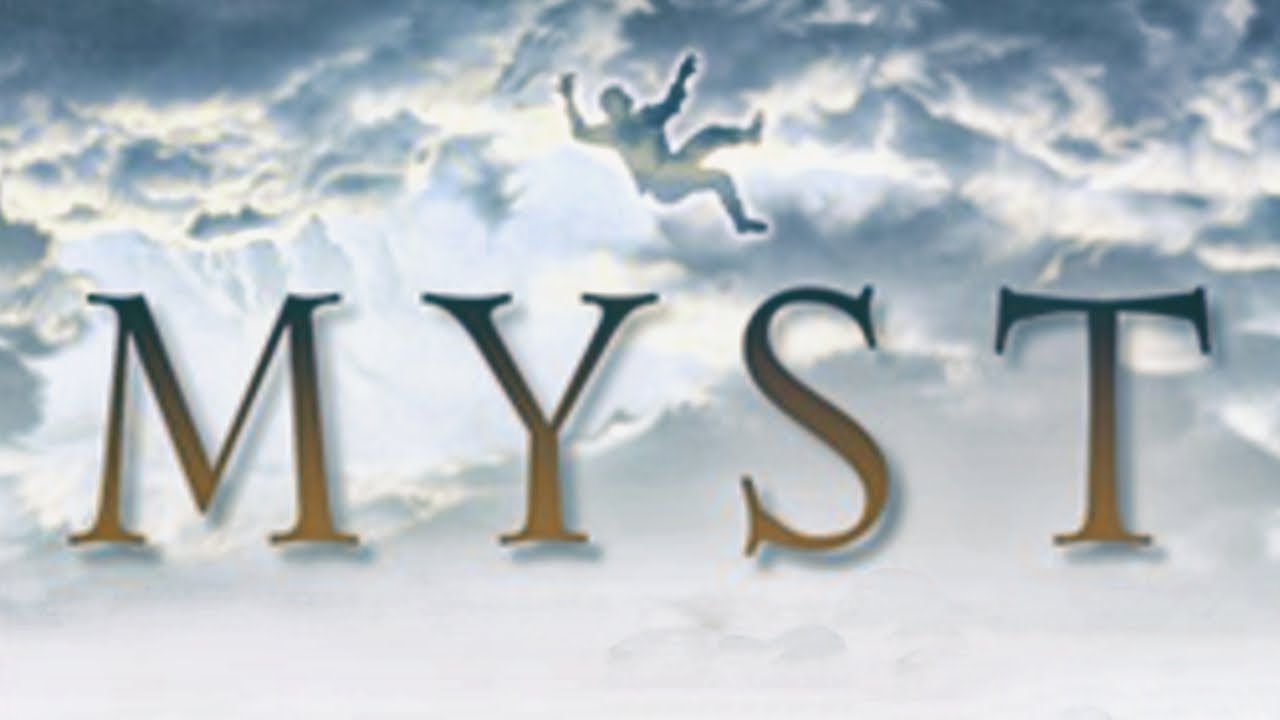
Myst
An island with no instructions, no timer, no way to die — just a series of machines to solve, each more surreal than the last. Myst proved a computer game could be a slow, atmospheric mystery with no combat and endless patience.

Microsoft Encarta
The CD-ROM encyclopedia that killed the twenty-volume set on the shelf. Encarta turned book reports into a multimedia experience — clickable maps, audio clips of national anthems and animal sounds, video snippets — and hid the MindMaze trivia game inside for when you were supposed to be studying.

The Secret of Monkey Island
Lucasfilm Games' 1990 pirate comedy: Guybrush Threepwood, a kid who wants to be a pirate, the ghost pirate LeChuck, and sword fights settled by insults ("You fight like a dairy farmer." "How appropriate. You fight like a cow."). Ron Gilbert built it so you almost couldn't die, which made it the adventure game people finished instead of quitting.

Sega CD
The CD-ROM deck that bolted under your Genesis and turned it into a two-story tower of futuristic black plastic. At $299 in 1992 it promised arcade-quality full-motion video — and the grainy FMV era it kicked off became gaming's most fondly mocked experiment. Night Trap's live-action thrills even landed it in front of Congress.