The Secret of Monkey Island

Lucasfilm Games' 1990 pirate comedy: Guybrush Threepwood, a kid who wants to be a pirate, the ghost pirate LeChuck, and sword fights settled by insults ("You fight like a dairy farmer." "How appropriate. You fight like a cow."). Ron Gilbert built it so you almost couldn't die, which made it the adventure game people finished instead of quitting.
Ron Gilbert came up with a pirate adventure in 1988, after finishing Zak McKracken, and pitched it to Lucasfilm Games as a series of short stories. Production waited until the team finished Indiana Jones and the Last Crusade in 1989, and the game, under the working title Mutiny on Monkey Island, was then built in nine months for about $200,000. Gilbert hired Tim Schafer and Dave Grossman to write and program alongside him and assigned them different characters because their humor didn't match: Grossman's was dry and sarcastic, Schafer's more in your face.
The world came from Gilbert's favorite childhood ride, Pirates of the Caribbean, and the paranormal streak from Tim Powers' novel On Stranger Tides. The sword fighting came from Errol Flynn movies, where the designers noticed pirates taunted each other instead of attacking, so duels became exchanges of insults and comebacks; Orson Scott Card helped write the insults during a visit to Skywalker Ranch. Gilbert's bigger rule was a reaction to Sierra's adventures, where "you died any time you did anything wrong," which he called "a cheap way out for the designer." Guybrush almost cannot die: fall off a cliff and a "rubber tree" bounces you back, a joke on Sierra's game-over screen.
The game shipped in 16-color EGA in October 1990, with Guybrush in black and white because artist Steve Purcell found the palette "ghastly," then in 256 colors that December and on CD-ROM with Michael Land's "pirate reggae" score in 1992. One EGA gag, a tree stump that demanded disc 22, then 36, then 114, generated so many hint-line calls that later editions removed it. Gilbert says it "sold well" but was "never a big hit"; Next Generation reported that it and its sequel became "blockbusters on the PC and the Amiga throughout Europe."
Five sequels followed, from Monkey Island 2: LeChuck's Revenge in 1991 to Return to Monkey Island in 2022, plus a 2009 Special Edition with voice acting. Computer Gaming World ranked it the 19th best game of all time in 1996, asking who could forget "the insult-driven duel system or the identity of the mysterious Swordmaster," and in 2011 the Smithsonian American Art Museum selected it for its Art of Video Games exhibition.
Similar items

Sam & Max Hit the Road
A deadpan dog detective in a suit and his "hyperkinetic rabbity thing" partner road-trip across America's tackiest tourist traps chasing an escaped carnival bigfoot. LucasArts' 1993 point-and-click classic was sharp, absurd, and voiced by the actual voice of Disney's Goofy.
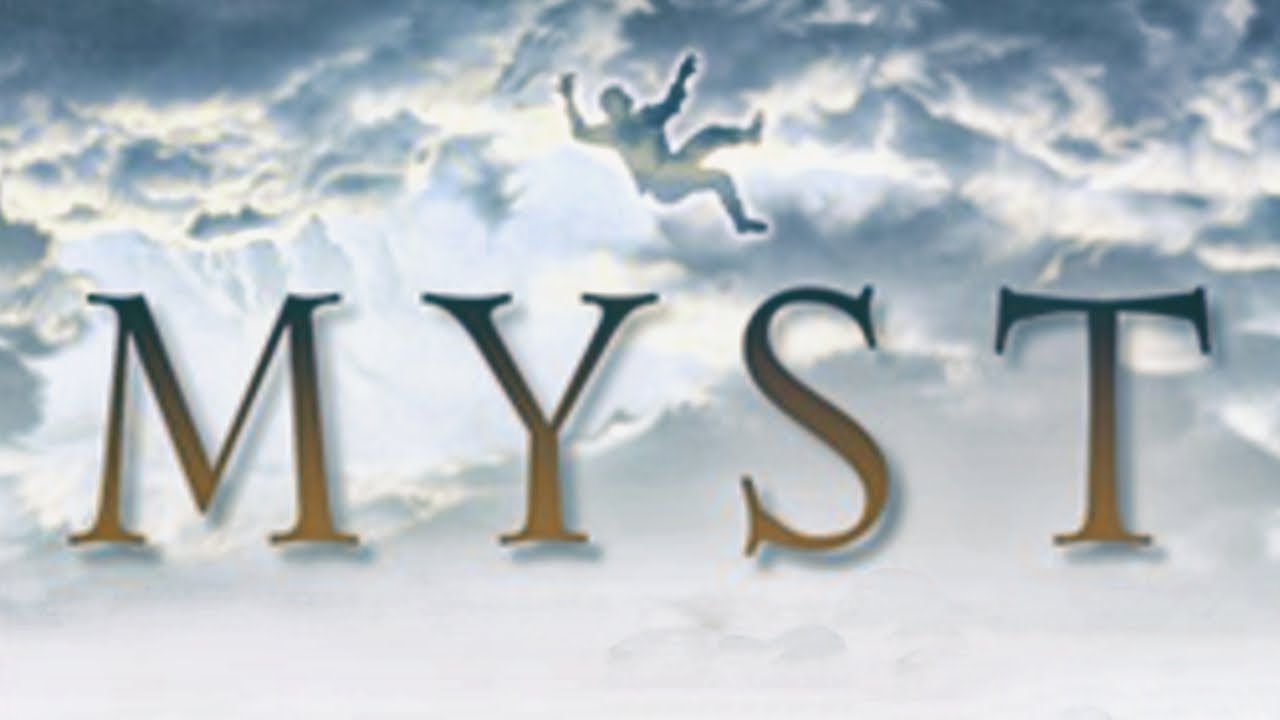
Myst
An island with no instructions, no timer, no way to die — just a series of machines to solve, each more surreal than the last. Myst proved a computer game could be a slow, atmospheric mystery with no combat and endless patience.

Putt-Putt
A cheerful purple convertible car who was born as a bedtime story and became a staple of 90s family PCs. Putt-Putt's point-and-click adventures were forgiving, consequence-free, and brimming with clickable animations — nothing to lose, everything to discover.

Lemmings
Guide a horde of dim, green-haired lemmings to safety by handing out jobs — Digger, Builder, Blocker, Bomber — before they walk blindly off a cliff. The 'Let's go!' squeak, the 'Oh no!' self-destruct, and one of the most-ported games ever.