
Animorphs
The Scholastic sci-fi series that hooked '90s kids on something surprisingly dark: five teens who can 'morph' into any animal to fight a secret alien invasion. The covers where a kid transformed mid-photo were the whole hook.
35 items
The Scholastic sci-fi series that hooked '90s kids on something surprisingly dark: five teens who can 'morph' into any animal to fight a secret alien invasion. The covers where a kid transformed mid-photo were the whole hook.

The middle prequel arrived May 16, 2002 with Hayden Christensen's brooding Anakin, the clone army, and the moment every 2002 audience cheered: Yoda finally drawing a lightsaber against Christopher Lee. It was also a landmark under the hood — one of the first major films shot entirely on digital cameras.

The blue-people movie that broke the all-time box-office record and put 3D glasses on the entire planet. James Cameron waited a decade for the technology to match his vision — then spent a quarter-billion dollars proving it was worth the wait.
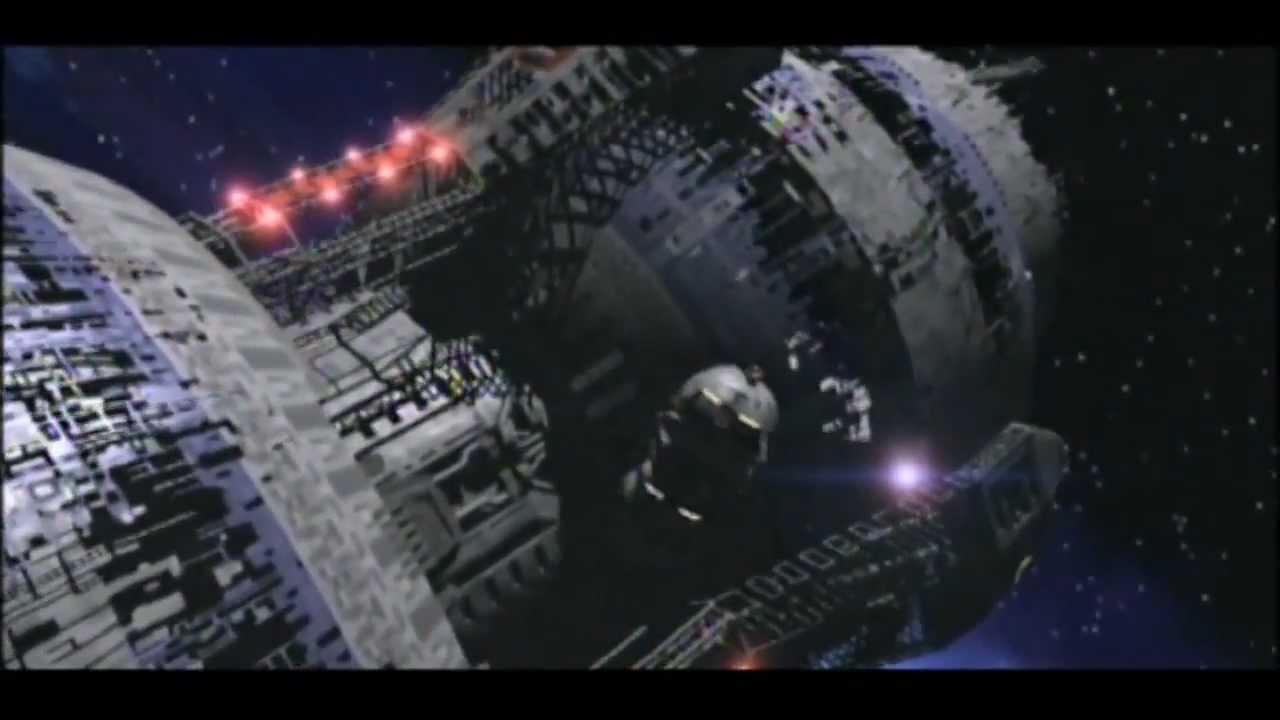
Before serialized television was the norm, J. Michael Straczynski pitched a "novel for television" — one five-year story with a planned beginning, middle, and end, most of it written by him alone. Babylon 5 was the scrappy syndicated space station that proved appointment sci-fi didn't need a Trek badge.
Bruce Campbell's chin under a cowboy hat: a Harvard-educated lawyer turned bounty hunter, an outlaw gang to catch, and a mysterious golden Orb granting superhuman strength. Fox gave it one Friday-night season — viewers voted to save it in TV Guide's poll, and Fox canceled it anyway. The cult never let go.

A cop and a criminal wake up in 2032, and the future has become a joke they don't get. Demolition Man arrived in October 1993 as a Stallone action vehicle disguised as satire — a gleaming, pacified future where everything fun is outlawed. But the real legacy is Taco Bell and three seashells. And it helped launch Sandra Bullock.

The film that nearly died at the box office six weeks after 9/11, then rose from the dead through midnight screenings and DVD to become the 2000s' defining cult artifact. A nightmarish fever dream about time loops and a rabbit suit that you'd lend to friends with just 'watch it' and argue about until 3 a.m.
![Video thumbnail — The Fifth Element - Official® Trailer [HD]](https://i.ytimg.com/vi/199EvXTKucc/maxresdefault.jpg)
Luc Besson's gloriously maximalist 1997 sci-fi spectacle: Bruce Willis as flying-cab driver Korben Dallas, Milla Jovovich as the orange-haired Leeloo, Gary Oldman chewing scenery as Zorg, and Chris Tucker's motor-mouthed Ruby Rhod. Jean Paul Gaultier costumes, a blue alien diva, and a plot to save Earth with four stones and one perfect being.

Delivery boy Fry cryogenically freezes and wakes in the year 3000 to join a space-shipping crew led by the sardonic Leela and foul-mouthed robot Bender. Created by Matt Groening, this sci-fi comedy was staffed with Ph.D.s—the writers brought genuine math-smart humor and surprising emotional depth. Fox premiered it in 1999, but it became a cult phenomenon on Comedy Central; episodes like 'Jurassic Bark' showed its tearjerking side, and it won six Emmy Awards over its life.
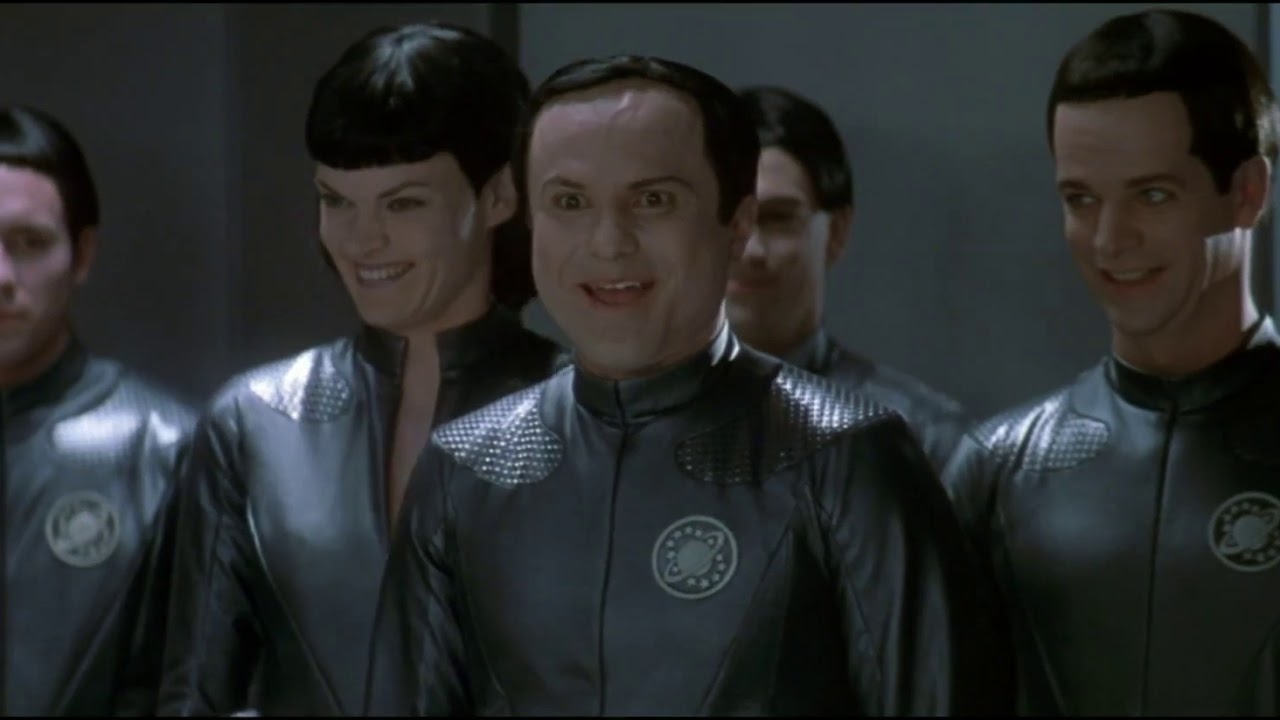
The washed-up cast of a canceled space show gets abducted by aliens who watched the reruns and thought they were documentaries. "Never give up, never surrender!" The Star Trek parody so good that actual Trek fans voted it one of the best Star Trek films — and it isn't one.
![Video thumbnail — GATTACA [1997] – Official Trailer (HD) | Now on 4K Ultra HD, Blu-ray and Digital](https://i.ytimg.com/vi/NIIZ2P-fiyI/maxresdefault.jpg)
A 1997 cerebral sci-fi thriller written and directed by Andrew Niccol, starring Ethan Hawke as a genetically inferior man who assumes another person's DNA identity to pursue his dream of space travel. Set in a near-future where genetic engineering has created a rigid caste system of "valids" and "in-valids," the film is a stylish, retro-futurist meditation on human potential, discrimination, and ambition. Modest at the box office but a lasting cult favorite that anticipated the ethics debates around genetic engineering.

The game that made Steam essential. Silent physicist Gordon Freeman, armed with a gravity gun that weaponized the environment — sawblades, radiators, physics itself — fought an alien occupation in the Eastern European City 17. Five years in development, a $40 million budget, 39 Game of the Year awards — and it required Steam activation, becoming the Trojan horse that made the world install the platform.

The White House explodes. Will Smith punches an alien and delivers the one-liner. Jeff Goldblum uploads a virus from a PowerBook. The movie that made July 4th weekend a permanent blockbuster holiday — and the biggest film of 1996 by a mile.
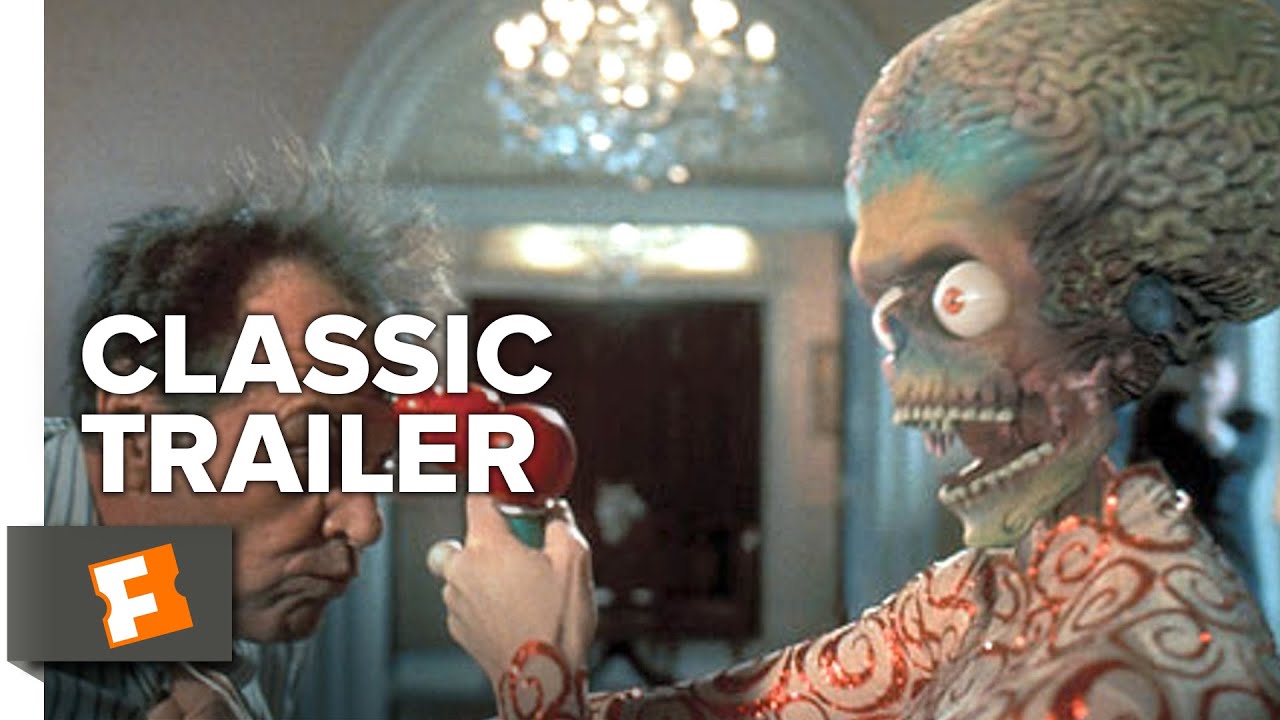
Tim Burton's $80 million love letter to a gory 1962 trading-card set: cackling bug-eyed Martians vaporizing Jack Nicholson, Pierce Brosnan, and half of Hollywood — until Slim Whitman's yodeling makes their heads explode. Five months after Independence Day played it straight, this played it very, very weird.

Will Smith and Tommy Lee Jones in black suits and shades, policing the aliens already living in Manhattan. The neuralyzer flash, the talking pug, and a theme song you could not escape made this one of the defining blockbusters of summer 1997.

The strange outsider parable about a hairless, pale savant with electromagnetic powers — lightning-struck before birth, raised in a cellar, thrust into a small town that doesn't understand him. It split critics but became exactly the kind of weird 90s rental-store fixture that stays lodged in memory.

The prequel trilogy's dark landing, May 19, 2005: Order 66, the Mustafar duel, and the Vader suit sealed shut — the first Star Wars film ever rated PG-13. It was the year's #1 movie in North America, and it has aged into the one the prequel generation defends.

Alien teens hiding in plain sight in a New Mexico high school — sci-fi wrapped in teen romance, set around a kitschy diner where everything came doused in Tabasco. It only ran three seasons, but its fans mounted one of TV's most famous save-our-show campaigns, mailing bottles of hot sauce to the network.

An ordinary kid gets doused by an experimental chemical on the walk home from school and comes away with powers — telekinesis, finger-tip electricity, and the ability to melt into a puddle of silver goo. Then she has to keep it secret from everyone.

A band of travelers trapped sliding through parallel universes, each one stranger than the last, racing against a countdown timer to find their way home. Jerry O'Connell led this 1990s cult sci-fi favorite through five seasons and two networks.

Nickelodeon's scrappy live-action space adventure: misfit students and two adults stranded aboard an alien ship, trying to get home. It ran 26 episodes across 1996–97, ended mid-arc with the crew no closer to Earth, and vanished — becoming the show half the kids who watched it aren't sure was real.

"Do a barrel roll!" Nintendo's on-rails space shooter gave the world Peppy's immortal advice, branching routes that made every run different, and the Rumble Pak — the accessory that made your controller shake with every explosion. Over 4 million copies later, it stands as one of 1997's biggest games.

The franchise that started in 1966 hit its cultural zenith in the 1990s, when two series aired simultaneously, a film franchise thrived alongside them, and Trek's technobabble and ethics debates penetrated the mainstream. From TNG's syndication dominance to Voyager's network-launching premiere, Star Trek was inescapable.

The Borg Queen haunted the multiplex in Jonathan Frakes's feature directorial debut, with James Cromwell as the boozy, reluctant legend who invents warp drive. It became the highest-grossing and best-reviewed of the TNG-era films — the moment 90s Trek proved it could do full Hollywood scale.

Jonathan Frakes's second Trek film is the cozy one — Picard defying Starfleet to defend a peaceful people and their rejuvenating planet. Critics shrugged that it played like a long TV episode; for a lot of fans, that was exactly the appeal.
![Video thumbnail — STARSHIP TROOPERS [1997]– Official Trailer (HD)](https://i.ytimg.com/vi/zPYuV_jGk7M/maxresdefault.jpg)
Paul Verhoeven's militaristic sci-fi satire based on Robert A. Heinlein's 1959 novel, starring Casper Van Dien as a young soldier fighting giant bugs in a fascistic future society. A visual spectacle that was widely misunderstood upon release but has become a celebrated cult classic.
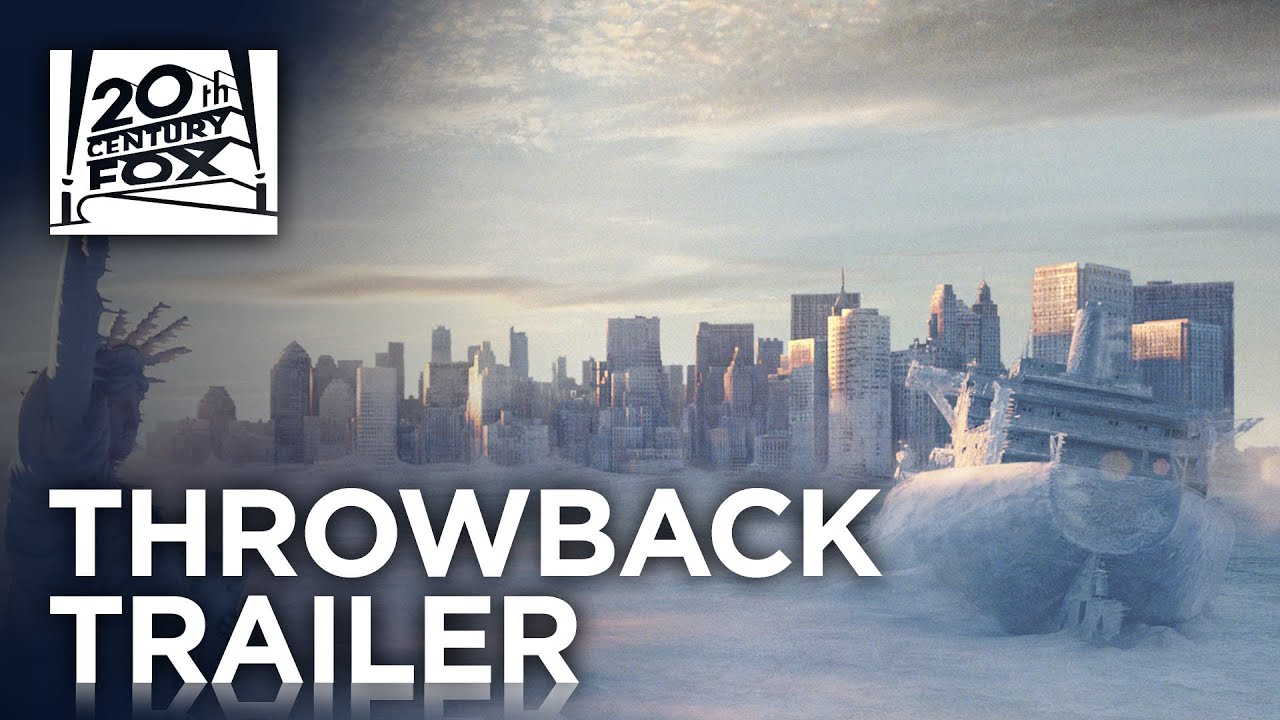
Roland Emmerich's 2004 blockbuster trades aliens for air currents — a cascade of extreme weather that flash-freezes New York in a matter of days. Dennis Quaid's climate scientist goes unheeded, Jake Gyllenhaal ends up burning library books to survive, and that frozen Statue of Liberty became the poster image for every "what if the climate does THIS" conversation you had in school.
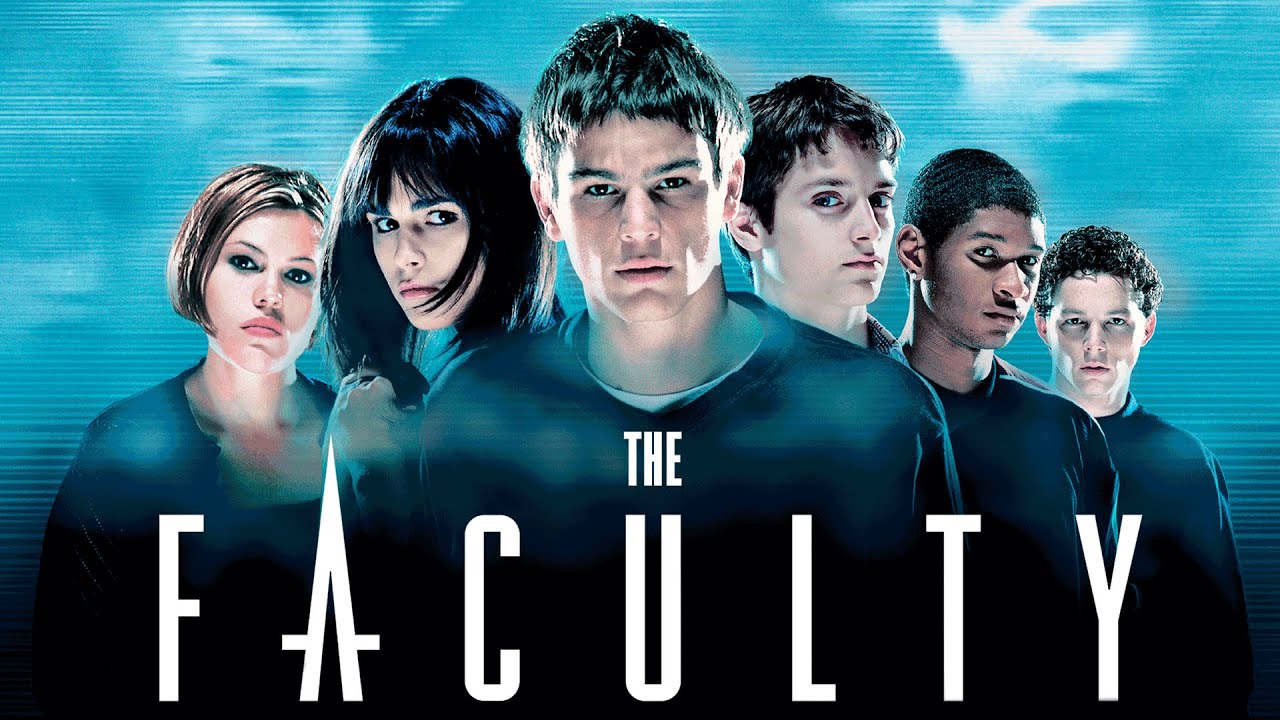
When the teachers at a sleepy Ohio high school start acting strange, six student misfits figure out the faculty is being taken over by alien parasites — Invasion of the Body Snatchers relocated to sixth period. The cast is absurdly stacked: Elijah Wood and Josh Hartnett versus a teachers' lounge containing Robert Patrick, Salma Hayek, Famke Janssen, and, yes, Jon Stewart.

The Wachowskis' sci-fi thriller rewired action cinema with bullet-time, philosophical depth, and Keanu Reeves as an accidental messiah in a simulation. Released March 1999, The Matrix became an instant cultural landmark, launching a franchise and spawning endless "red pill" debates in college dorms.

Sixteen years after Return of the Jedi, Star Wars came back on May 19, 1999 — behind maybe the biggest hype wave in movie history. Fans famously camped outside theaters in ticket lines, and people bought tickets to Meet Joe Black just to watch the teaser and walk out. What delivered: Darth Maul, "Duel of the Fates," and the podrace. What didn't: Jar Jar and midi-chlorians.

Teenagers "break out" with telepathy, telekinesis, and teleportation, and find themselves drawn to a sentient psychic spaceship on a South Pacific island. The British revival of a 70s cult classic aired on Nickelodeon from 1992 to 1995 — and lives on for US viewers as a fever-dream memory many later doubted was real. It was real, and it was genuinely on Nick.

Fox's paranoia engine: FBI agents Mulder and Scully investigating UFOs, monsters, and government cover-ups one case file at a time. Created by Chris Carter, The X-Files turned "I Want to Believe" into a mantra and proved that prime-time TV could do serialized mythology decades before the streaming age demanded it.
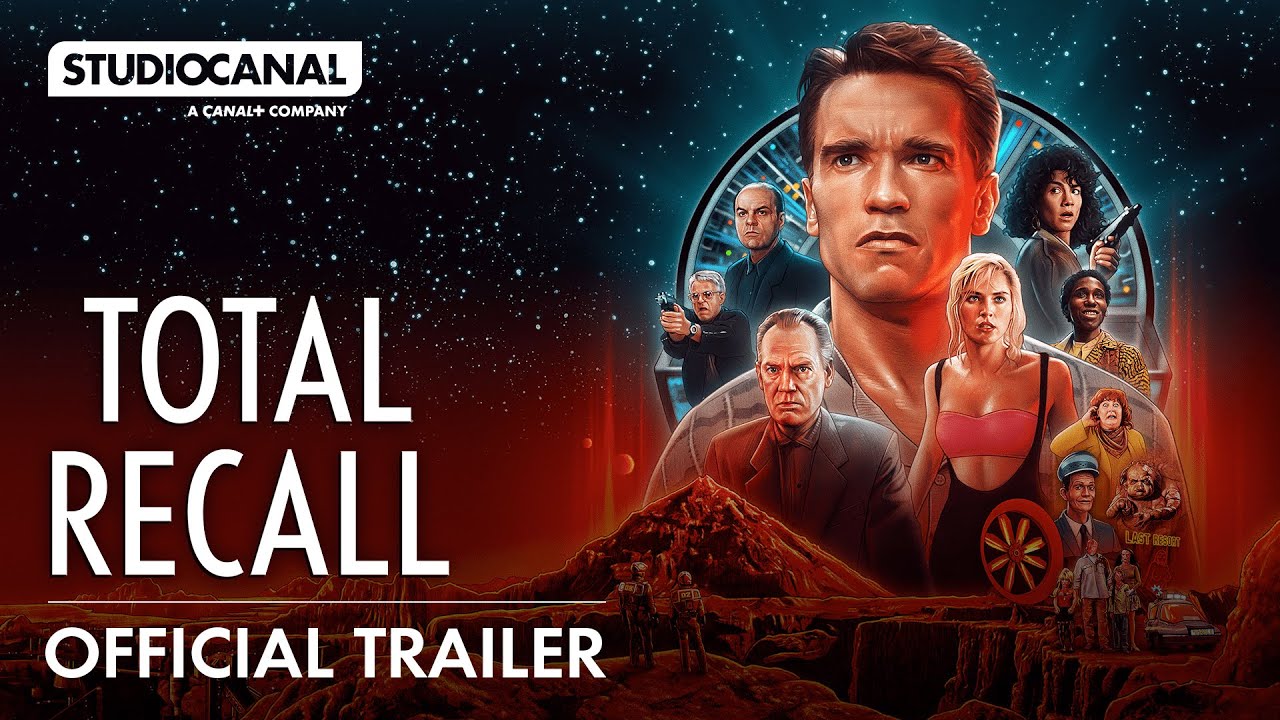
Schwarzenegger as a construction worker who may be a secret agent who may be dreaming the whole thing. Paul Verhoeven's Mars mind-bender gave sleepovers 'Get your ass to Mars,' the three-breasted mutant, and an ending arguments were built on.
The United Paramount Network launched in January 1995 on the back of a Star Trek premiere that drew 21 million viewers — a number it spent the next eleven years chasing. UPN was scrappy, ambitious, and chronically broke, but it gave us Voyager, Moesha, SmackDown, and Buffy's final seasons — and in your town it wasn't "UPN," it was UPN 9, or UPN 50, or whatever your channel was.

Strap into a cockpit on the carrier Tiger's Claw and fly against the Kilrathi — cat-faced aliens in a war the game dared to let you lose. Wing Commander was World War II in space on a 1990 PC, and it made every other game on the shelf suddenly look cheap.