Donnie Darko

The film that nearly died at the box office six weeks after 9/11, then rose from the dead through midnight screenings and DVD to become the 2000s' defining cult artifact. A nightmarish fever dream about time loops and a rabbit suit that you'd lend to friends with just 'watch it' and argue about until 3 a.m.
Written and directed by first-timer Richard Kelly on a $4.5 million budget financed through Drew Barrymore's production company Flower Films (Barrymore also played teacher Karen Pomeroy), Donnie Darko premiered at Sundance on January 19, 2001, and was released October 26, 2001—just six weeks after the September 11 attacks. Its marketing featured a crashing plane, so the film was scarcely advertised at all. It played 58 theaters at its widest release and grossed just $517,375 in its initial theatrical run—a commercial disaster that looked like a career killer.
Then came the resurrection. When the film hit home video in March 2002, New York's Pioneer Theatre began midnight screenings—and ran them for 28 consecutive months straight. US DVD sales brought in over $10 million, and theatrical reissues pushed the worldwide gross to about $7.5 million — the flop had become a genuine phenomenon. A Director's Cut premiered May 29, 2004, giving it new life among fans who'd spent years dissecting it frame by frame. Jake Gyllenhaal's haunted performance as troubled suburban teen Donnie, opposite James Duval's nightmarish Frank in the rabbit suit and a supporting cast including Jena Malone, Patrick Swayze (as motivational guru Jim Cunningham), and Gyllenhaal's real-life sister Maggie, locked in viewers' minds through pure magnetic weirdness.
The film's haunting cover of "Mad World" by Gary Jules and Michael Andrews (stripped down from the Tears for Fears original) became the UK's Christmas No. 1 in 2003, spending three weeks at the top—proof that Donnie Darko's mood had seeped into the cultural bloodstream. It became THE 2000s dorm-room cult DVD, the movie you borrowed from a friend with no explanation required, watched alone at midnight, and texted about obsessively the next day. It asked big questions about free will, alternate timelines, and destiny, wrapped in a surrealist package no studio would finance today.
Similar items
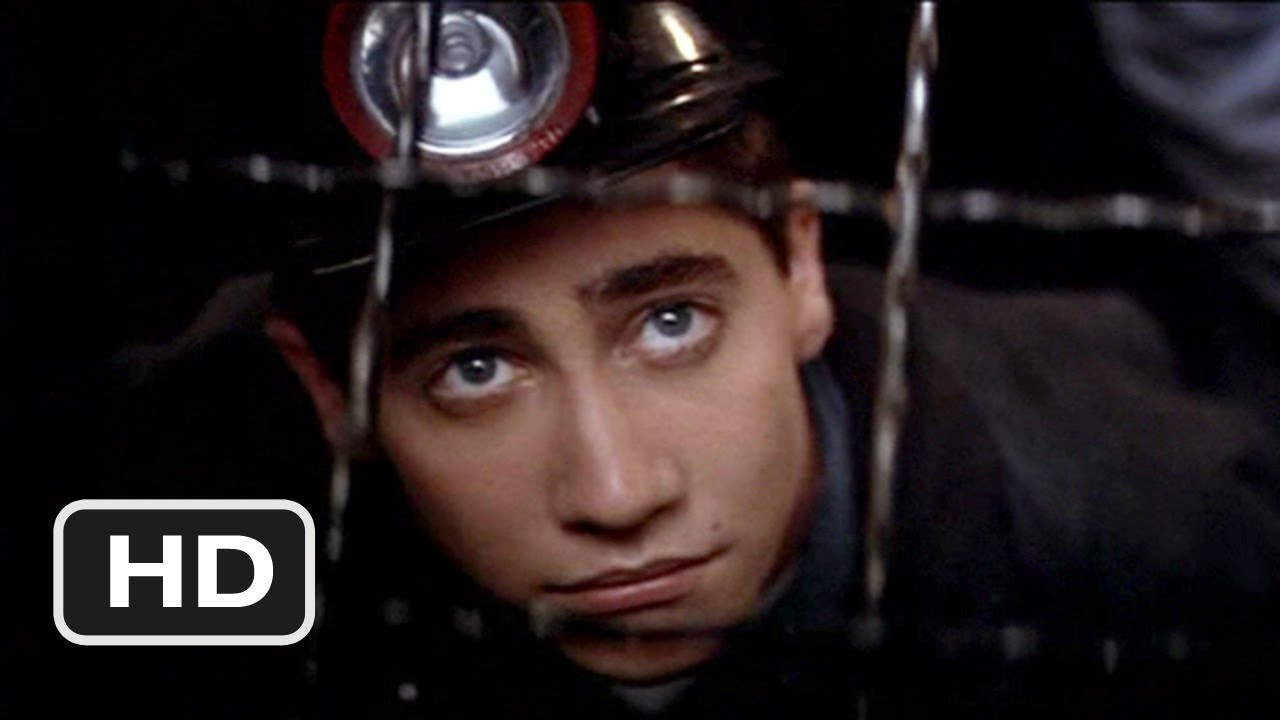
Jake Gyllenhaal
Born into Hollywood royalty but broke through on his own terms—as the troubled daydreamer who became every indie film's favorite wunderkind. By mid-decade, he'd pivoted into blockbusters without losing the arthouse credibility, proving the 2000s' best leading men didn't have to pick a lane.
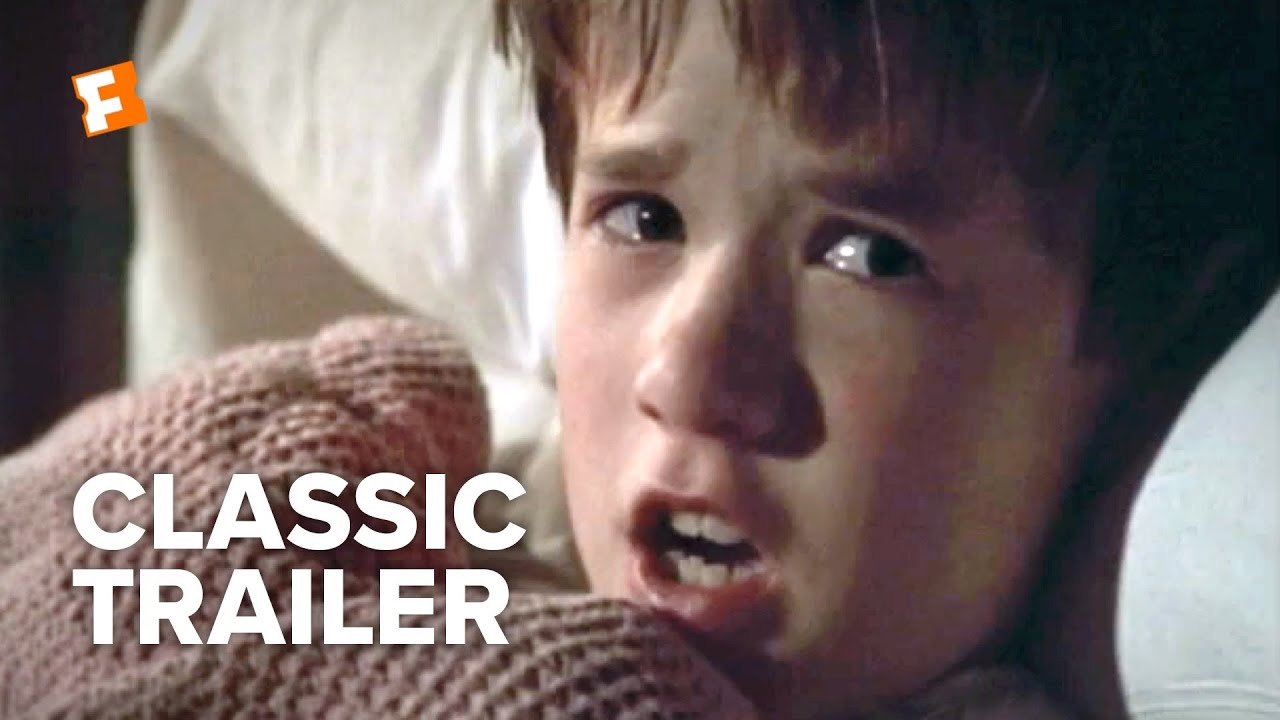
The Sixth Sense
M. Night Shyamalan's breakout thriller about a child psychologist (Bruce Willis) treating a boy (Haley Joel Osment) who whispers the film's immortal line: 'I see dead people.' A cultural phenomenon that made the twist ending a permanent fixture of cinema and grossed over $670 million worldwide.

Anchorman: The Legend of Ron Burgundy
"Stay classy, San Diego." Will Ferrell's mustachioed 1970s news anchor Ron Burgundy and his idiot news team gave the 2000s an endlessly quotable comedy — "I love lamp," "60% of the time, it works every time."

Avatar (2009)
The blue-people movie that broke the all-time box-office record and put 3D glasses on the entire planet. James Cameron waited a decade for the technology to match his vision — then spent a quarter-billion dollars proving it was worth the wait.