Star Trek: Insurrection

Jonathan Frakes's second Trek film is the cozy one — Picard defying Starfleet to defend a peaceful people and their rejuvenating planet. Critics shrugged that it played like a long TV episode; for a lot of fans, that was exactly the appeal.
Star Trek: Insurrection premiered on December 11, 1998, with Jonathan Frakes back in the director's chair after First Contact. The plot is classic Trek ethics: Picard discovers a conspiracy to secretly relocate the peaceful Ba'ku from their rejuvenating planet for the benefit of the Son'a, led by F. Murray Abraham's vengeful Ru'afo — and he defies Starfleet orders to stop it. Defend the innocent, even if it costs you your career: the moral core carries the whole film.
It cost $70 million, earned about that much domestically and roughly $118 million worldwide, and drew mixed reviews — 55% on Rotten Tomatoes, with the consensus knock that it "plays like an extended episode of the TV series." Audiences were kinder, grading it B+ on CinemaScore. Lighter and lower-stakes than the Borg thriller before it, Insurrection became the eternal conversation piece in the odd-numbered-curse debate — the gentle, philosophical one fans defend with a shrug and a smile.
The production had its own milestones: it was the first Trek film whose space effects were rendered entirely in CGI, a full-scale Ba'ku village was built at Lake Sherwood, California, and Jerry Goldsmith composed his fourth Trek score. The ninth Star Trek film and third with the TNG crew, it was followed by Nemesis in 2002 — which made many fans retroactively kinder to this one.
Similar items

Star Trek
The franchise that started in 1966 hit its cultural zenith in the 1990s, when two series aired simultaneously, a film franchise thrived alongside them, and Trek's technobabble and ethics debates penetrated the mainstream. From TNG's syndication dominance to Voyager's network-launching premiere, Star Trek was inescapable.

Star Trek: First Contact
The Borg Queen haunted the multiplex in Jonathan Frakes's feature directorial debut, with James Cromwell as the boozy, reluctant legend who invents warp drive. It became the highest-grossing and best-reviewed of the TNG-era films — the moment 90s Trek proved it could do full Hollywood scale.
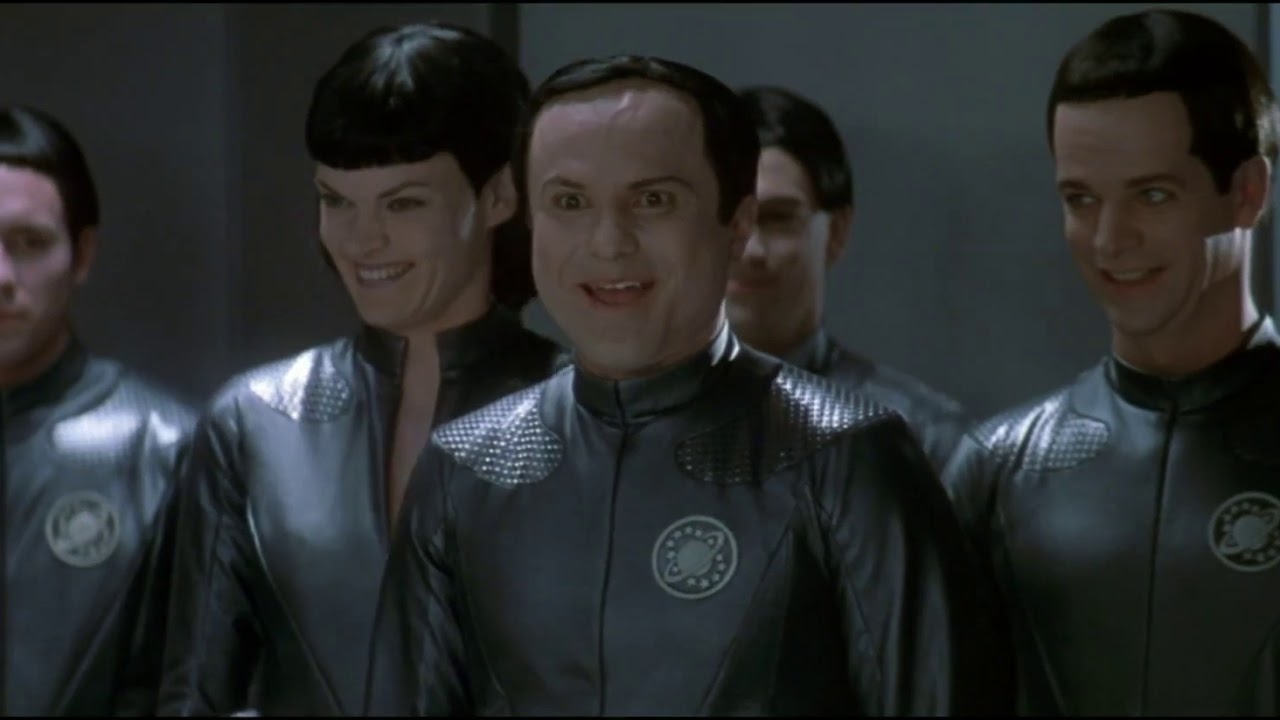
Galaxy Quest
The washed-up cast of a canceled space show gets abducted by aliens who watched the reruns and thought they were documentaries. "Never give up, never surrender!" The Star Trek parody so good that actual Trek fans voted it one of the best Star Trek films — and it isn't one.
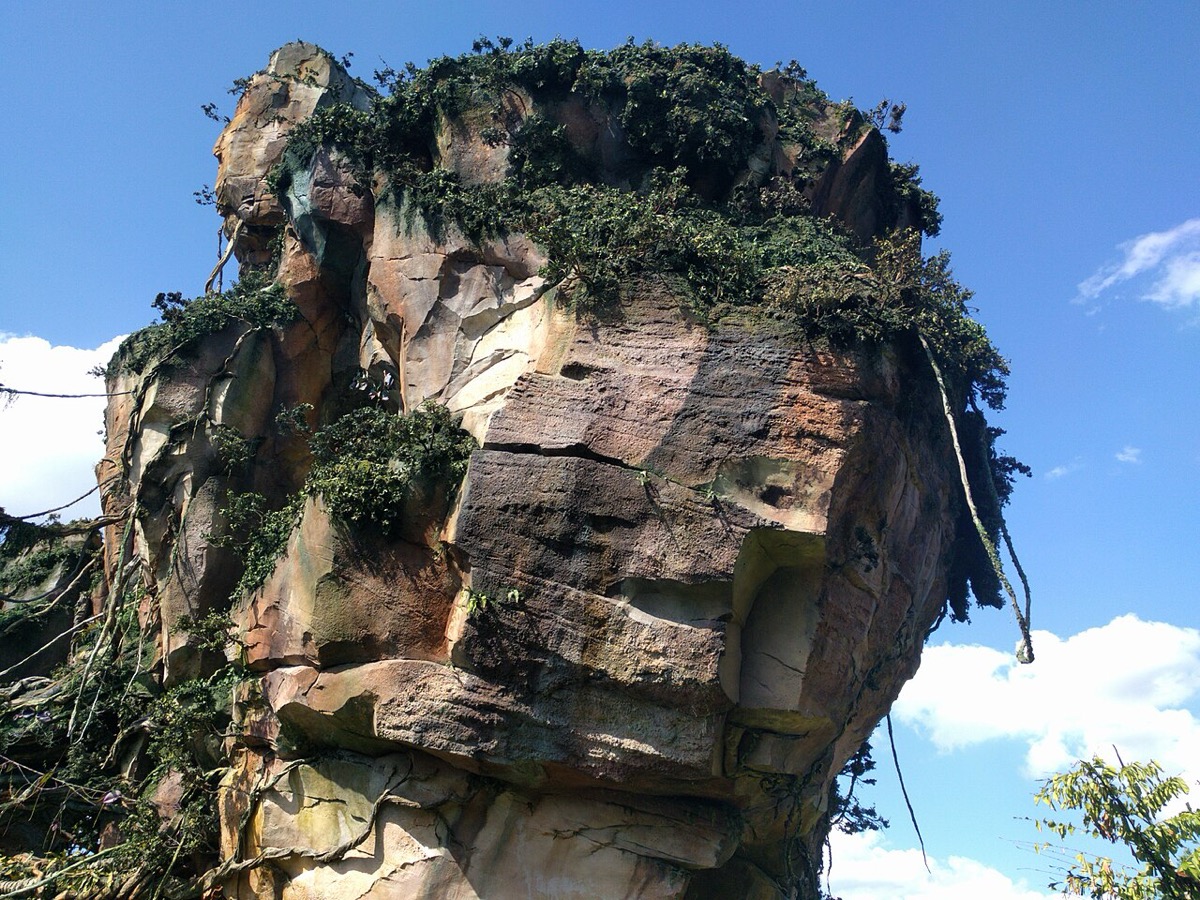
Avatar (2009)
The blue-people movie that broke the all-time box-office record and put 3D glasses on the entire planet. James Cameron waited a decade for the technology to match his vision — then spent a quarter-billion dollars proving it was worth the wait.