Wing Commander

Strap into a cockpit on the carrier Tiger's Claw and fly against the Kilrathi — cat-faced aliens in a war the game dared to let you lose. Wing Commander was World War II in space on a 1990 PC, and it made every other game on the shelf suddenly look cheap.
Wing Commander arrived from Origin Systems in September 1990, directed by a young designer named Chris Roberts. The pitch was "World War II in space": you flew fighter missions for the Terran Confederation against the feline Kilrathi from the strike carrier TCS Tiger's Claw, with wingmen who had names and personalities, medals that landed on your chest, and — its boldest trick — a branching campaign. Win your missions and the war advanced; fail and the game didn't end, it just routed you down a grimmer, losing track. Wingmen could be killed permanently in combat, gone for the rest of the campaign. Nothing on a PC had felt that much like being inside a movie.
It was also famously lavish for its time. Designer Chris Crawford credited Wing Commander with raising the bar for the whole industry — its unusually high production budget forced every competitor to match its production values — and the accolades piled up: Computer Gaming World's Game of the Year for 1991, an Origins Award, and a review in Dragon magazine that awarded it six stars out of a five-star system. Two "Secret Missions" expansion packs followed within months, Wing Commander II shipped in 1991, and Electronic Arts bought Origin outright in 1992 for $35 million in stock. The franchise kept escalating: the open-ended Privateer spin-off in 1993, then Wing Commander III: Heart of the Tiger in 1994 — four CD-ROMs, a reported $4–5 million budget, and a genuine Hollywood cast with Mark Hamill as the player's character and Malcolm McDowell as his admiral, sold with the slogan "Don't watch the game, play the movie!"
The movie, when it literally came, was the fall. The 1999 Wing Commander film — directed by Roberts himself, starring Freddie Prinze Jr. — cost around $25 million, grossed $11.6 million, and was savaged by critics; even Prinze later said he couldn't watch a single scene of it. The game series had already wound down with 1997's Prophecy, and EA eventually shuttered Origin. But the cockpit dream never quite died: in 2012 Roberts announced Star Citizen, an explicit spiritual successor whose crowdfunded ambition — and endless development — is the most Wing Commander thing about it.
Similar items

DeathTrack
Racing, but with machine guns. DeathTrack put you on a futuristic circuit where winning meant crossing the line first — or being the only car left that could. Prize money went straight into bigger weapons, and the next city's grid found out.
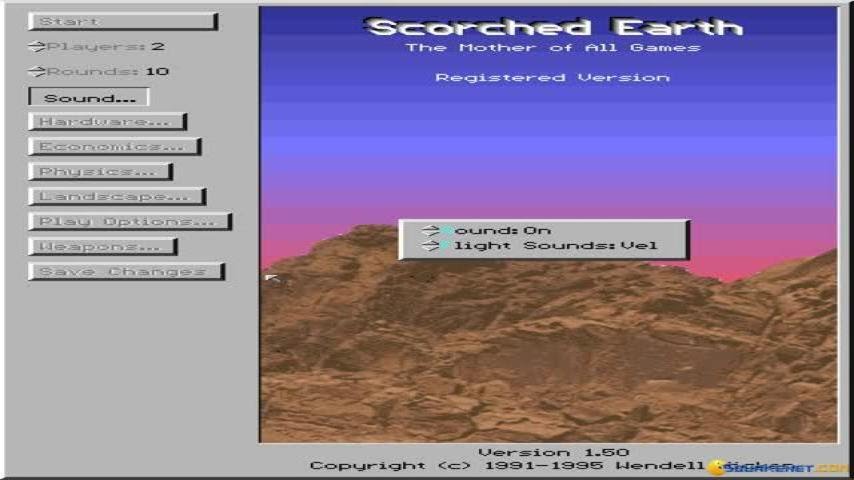
Scorched Earth
"The Mother of All Games"—a turn-based artillery tank battler where physics, wind, and an absurd weapon shop turned a single shared keyboard into hours of hot-seat chaos and sudden laughter.
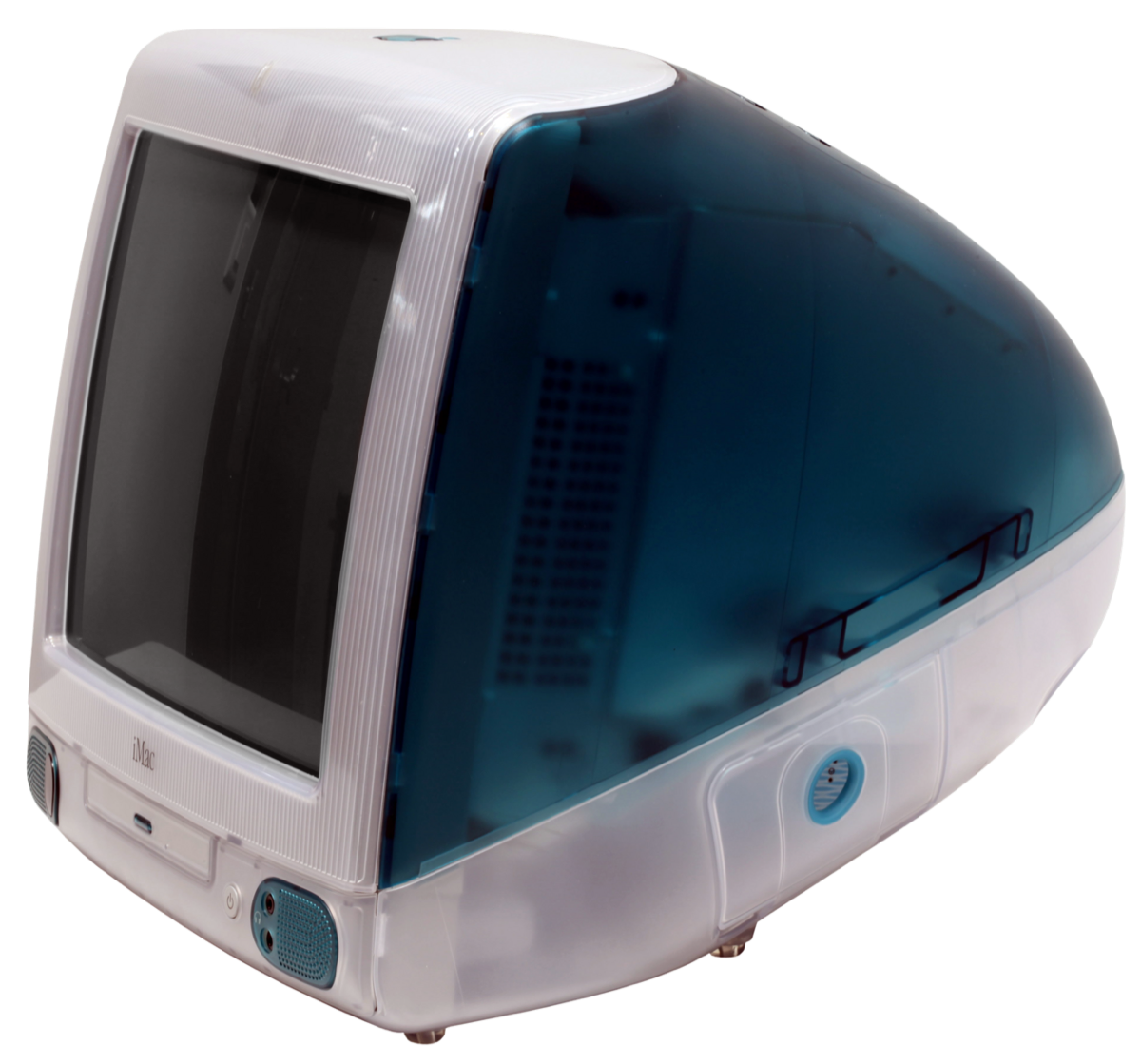
Computer Lab
The weekly pilgrimage down the hall to the room full of beige Apple computers, where you'd slot in a floppy disk, wait, and take turns dying of dysentery on the Oregon Trail. "Computer Day" was equal parts educational software and the first place a lot of kids ever touched a keyboard.

Half-Life 2
The game that made Steam essential. Silent physicist Gordon Freeman, armed with a gravity gun that weaponized the environment — sawblades, radiators, physics itself — fought an alien occupation in the Eastern European City 17. Five years in development, a $40 million budget, 39 Game of the Year awards — and it required Steam activation, becoming the Trojan horse that made the world install the platform.