#Crafts

10 items

Video thumbnail — 1999 Blo Pens Commercial
Toys 1996–2000

Blo-Pens

An airbrush in marker form — you aimed the plastic nib at the paper, took a deep breath, and blew hard through the mouthpiece to spray a fine mist of ink. The stencils promised crisp dinosaurs and stars; the reality was overspray, light-headedness, and a few flecks of spit on every masterpiece.
A vintage Borden-era Elmer's School Glue bottle with the orange twist cap and Elmer the bull on the label
Trends 1947–present

Elmer's Glue

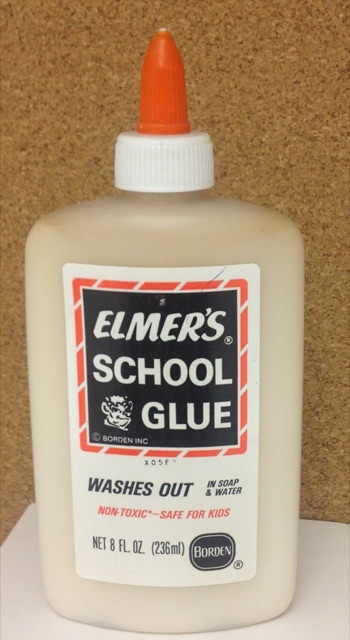
The white bottle with the orange twist cap and the bull on the label — the glue of every 90s classroom, and the raw material of two sacred rituals: peeling dried glue off your palm, and the (never-quite-true) legend of the kid who ate paste.

Five handwoven embroidery-floss friendship bracelets in diagonal, diamond, and chevron patterns
Trends 1970s–present

Friendship bracelets

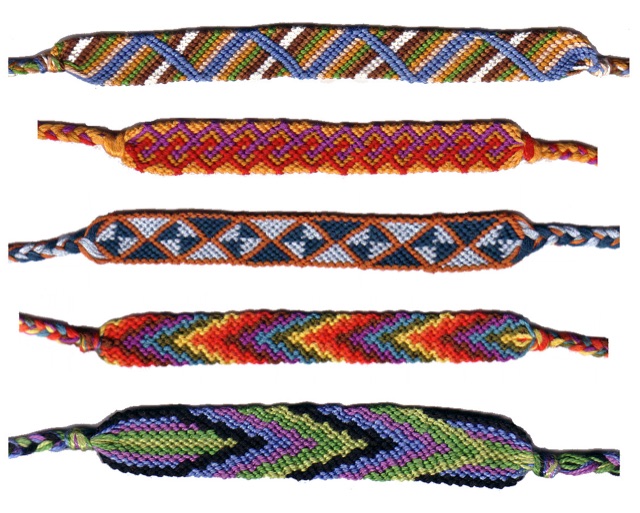
Embroidery floss, a safety pin through your jeans, and forty minutes of tiny knots: the candy-stripe band you made at camp or recess and tied onto a friend's wrist for keeps. The rules were sacred — they make a wish, and it comes true only when the bracelet finally falls off on its own.

Video thumbnail — How to do a Hair Wrap!
Trends 1990s–present (true origin unrecorded)

Hair Wraps

A tight spiral of colored thread wound down a few strands of hair, made at a sleepover or bought at a beach-town stand. We couldn't find who started it, but by 1998 Klutz had published a whole how-to kit for it.

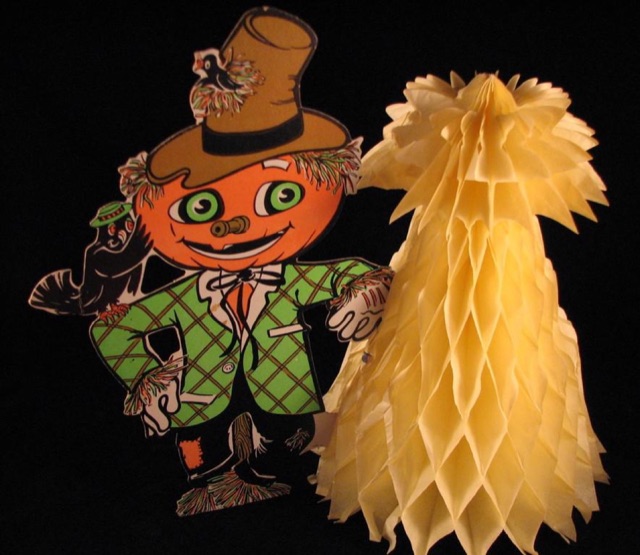
Vintage die-cut paper Halloween decorations — the kind taped up on classroom walls every October
Trends 1990–2005 peak

Halloween Classroom Decorations

Every October, elementary-school teachers transformed their rooms — construction-paper pumpkins taped to the windows, black paper bats on the walls, stretchy fake cobweb in the corners, and the jointed cardboard skeleton grinning by the door. It was the classroom's yearly costume.

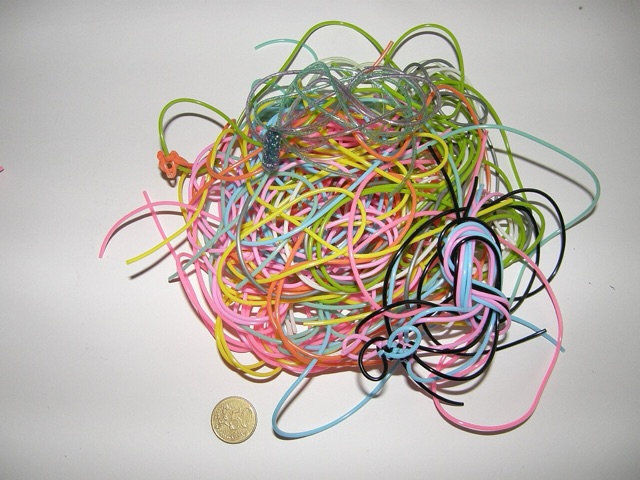
A tangle of brightly colored scoubidou / gimp plastic lacing, the material of the lanyard craft
Trends 1958–present

Lanyards

The plastic-lace keychain craft that ran on camp tables and classroom desks — box stitch, cobra, Chinese staircase — in every neon color the gift-shop rack sold. Depending on where you grew up you called it gimp, boondoggle, or scoubidou, and you made yards of it you had no use for.

Video thumbnail — Magical Rainbow Sponge
Trends 2000–2001

Magical Rainbow Sponge

A dense little sponge loaded with rainbow ink, demonstrated for 37 minutes by Dee Gruenig, billed as the queen of rubber-stamping, on a 2000 Posh Impressions tape. Found Footage Festival pulled it out of an Ohio Goodwill, and her unfiltered delight in a wavy stripe of color became an internet classic.

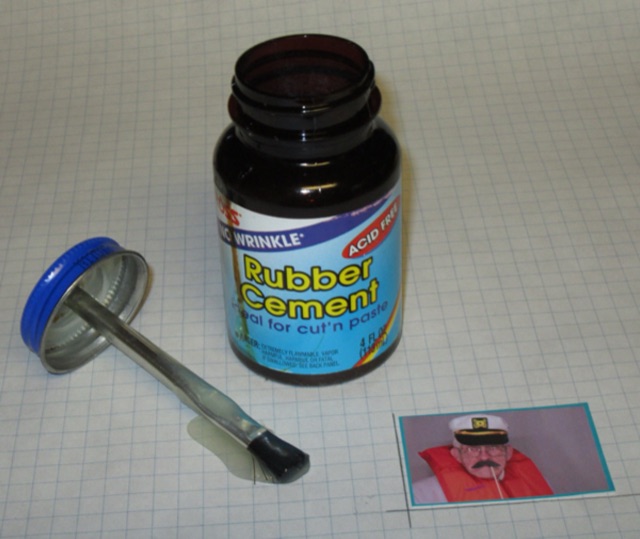
An open jar of rubber cement with its brush-in-the-cap applicator
Trends 1990–2005 peak

Rubber Cement

The brush-in-cap jar with the unmistakable chemical smell that made art projects actually work. Rubber cement let you unstick and re-stick paper without wrinkling—which meant you could revise, adjust, and experiment without destroying your work. The ritual of painting it on, peeling dried excess, and rolling it into bouncy little balls was as much the point as any finished project.

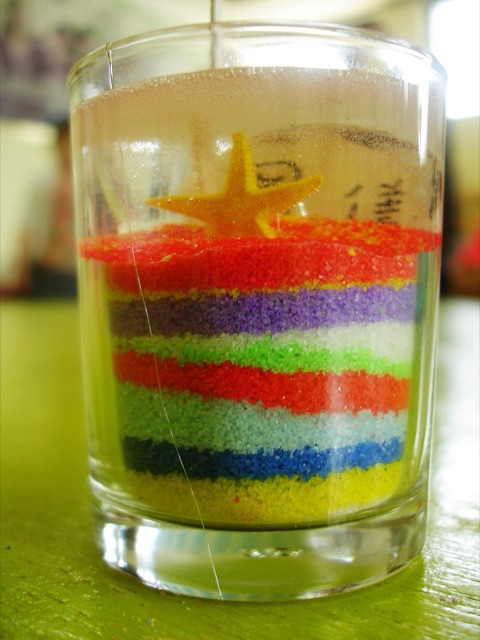
A glass jar of layered rainbow-colored sand topped with a small starfish charm
Trends 1880s–present

Sand Art Bottles

The layered-sand craft booth at every carnival and fair, where you picked a glass bottle, selected neon and tie-dye sand colors, and tilted them into waves and zigzags with a funnel. You walked away with a shelf decoration that somehow always ended up tipped over and swirled into mud.

Video thumbnail — Shrinky Dinks Commercial 1989
Toys 1973–present

Shrinky Dinks

You colored a sheet of plastic, cut it out, put it in the oven, and pressed your face to the door as it curled up like it was ruined — then it flattened, shrank, and hardened into a tiny perfect version of your drawing. Invented by two Wisconsin moms in 1973, it was kitchen chemistry that worked like magic every single time.