Shrinky Dinks
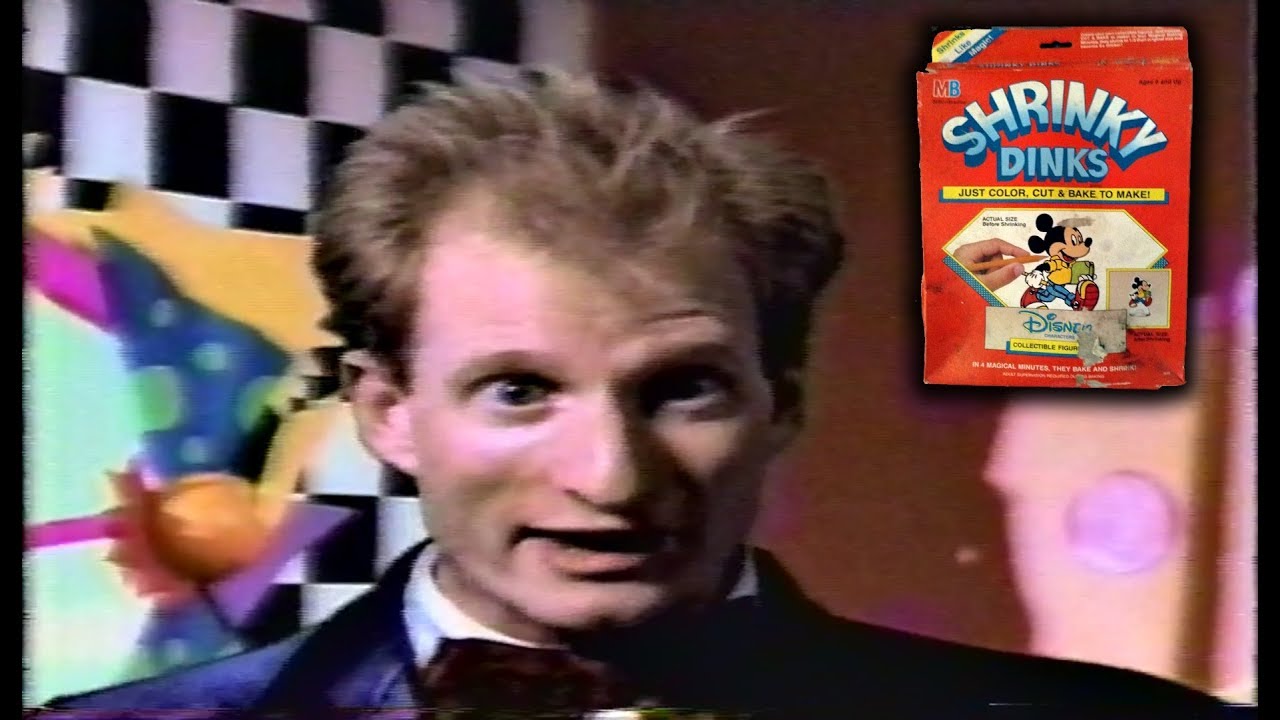
You colored a sheet of plastic, cut it out, put it in the oven, and pressed your face to the door as it curled up like it was ruined — then it flattened, shrank, and hardened into a tiny perfect version of your drawing. Invented by two Wisconsin moms in 1973, it was kitchen chemistry that worked like magic every single time.
Betty Morris and Kate Bloomberg, two housewives in Brookfield, Wisconsin, invented Shrinky Dinks in 1973 as a Cub Scout project with their sons. The mechanism was almost embarrassingly simple: thin sheets of #6 polystyrene that you color with markers or colored pencils, cut into shapes, and bake — in a conventional oven, with a heat gun, or even in an Easy-Bake Oven — until the plastic curls, shrinks, and hardens into a small, thick, rigid version of the design, colors intact. Simple chemistry, but to a kid kneeling in front of the oven light, it was pure sorcery.
The brand was licensed over the years to the big toy names — Milton Bradley, Colorforms, Western Publishing, Skyline Toys — and the kits became a fixture of rainy-day craft culture, with themed sets on every toy aisle. The core memory never changed across any of them: the agonizing minute when your careful drawing writhed and curled into an apparent disaster, and the relief when it settled flat and tiny, ready to be a charm, a magnet, or a zipper pull. Adult crafters quietly adopted the sheets for jewelry, too.
The name got a second life twice over. The band Sugar Ray was originally called Shrinky Dinx and had to change its name before making it big. And in 2008, University of California, Irvine professor Michelle Khine used Shrinky Dinks plastic to prototype tiny microfluidic lab-on-a-chip devices — the oven-shrink trick from the toy aisle, repurposed for research science. The brand itself passed to Alex Brands in 2014 and then to Just Play Products, and the kits are still sold — same plastic, same curl, same magic through the oven door.
Similar items

Sugar Ray
The funk-metal band that flipped into sunshine pop overnight with "Fly" in 1997—a reggae-tinged groove with bleak lyrics about death wrapped in an impossibly breezy hook, with Mark McGrath's frosted tips becoming the era's defining haircut. They owned the radio from 1997 to 2001—"Every Morning," "Someday," "When It's Over"—then eased into the fade, with McGrath resurfacing as a celebrity-news host on Extra.
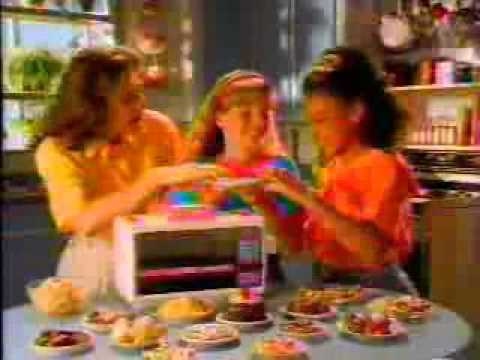
Easy-Bake Oven
A working toy oven that baked tiny cakes with the heat of a light bulb. You mixed a just-add-water pouch, slid the little pan in one side, waited an agonizing eternity, and pulled a real (if slightly rubbery) cake out the other — no grown-up oven required.
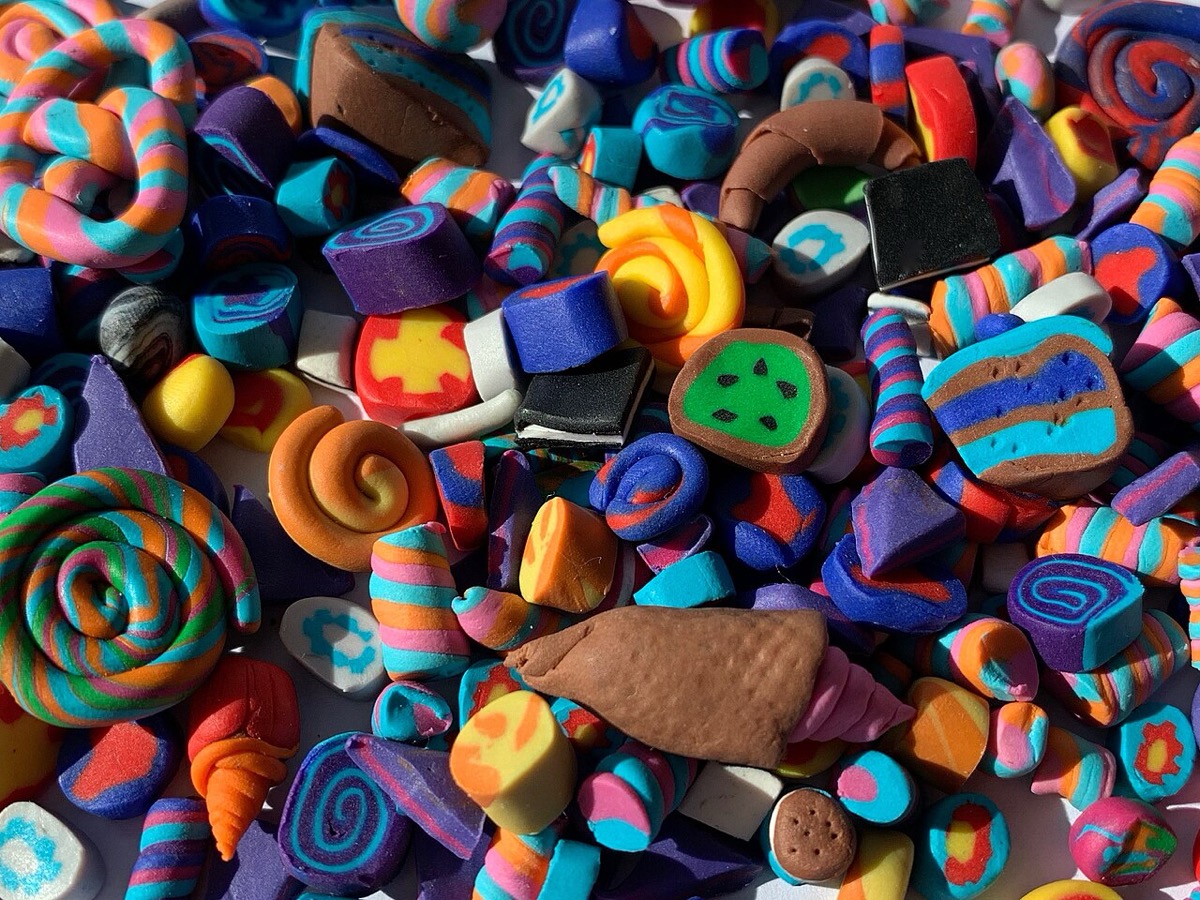
Fimo
The oven-bake polymer clay that was the star of '90s arts-and-crafts: bright blocks you kneaded, sculpted, and baked hard into beads, charms, and tiny food. Master the millefiori "cane" and you could slice off a dozen identical little pictures — the craft-table flex of the decade.
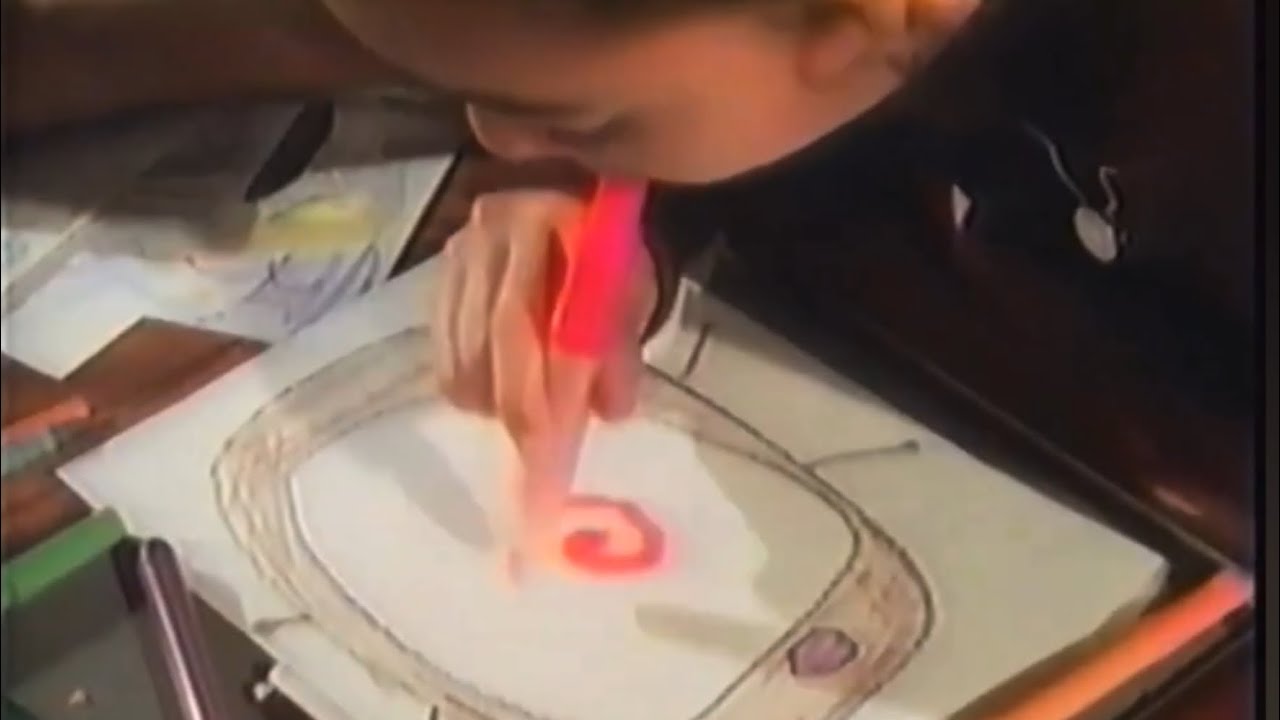
Blo-Pens
An airbrush in marker form — you aimed the plastic nib at the paper, took a deep breath, and blew hard through the mouthpiece to spray a fine mist of ink. The stencils promised crisp dinosaurs and stars; the reality was overspray, light-headedness, and a few flecks of spit on every masterpiece.