Friendship bracelets
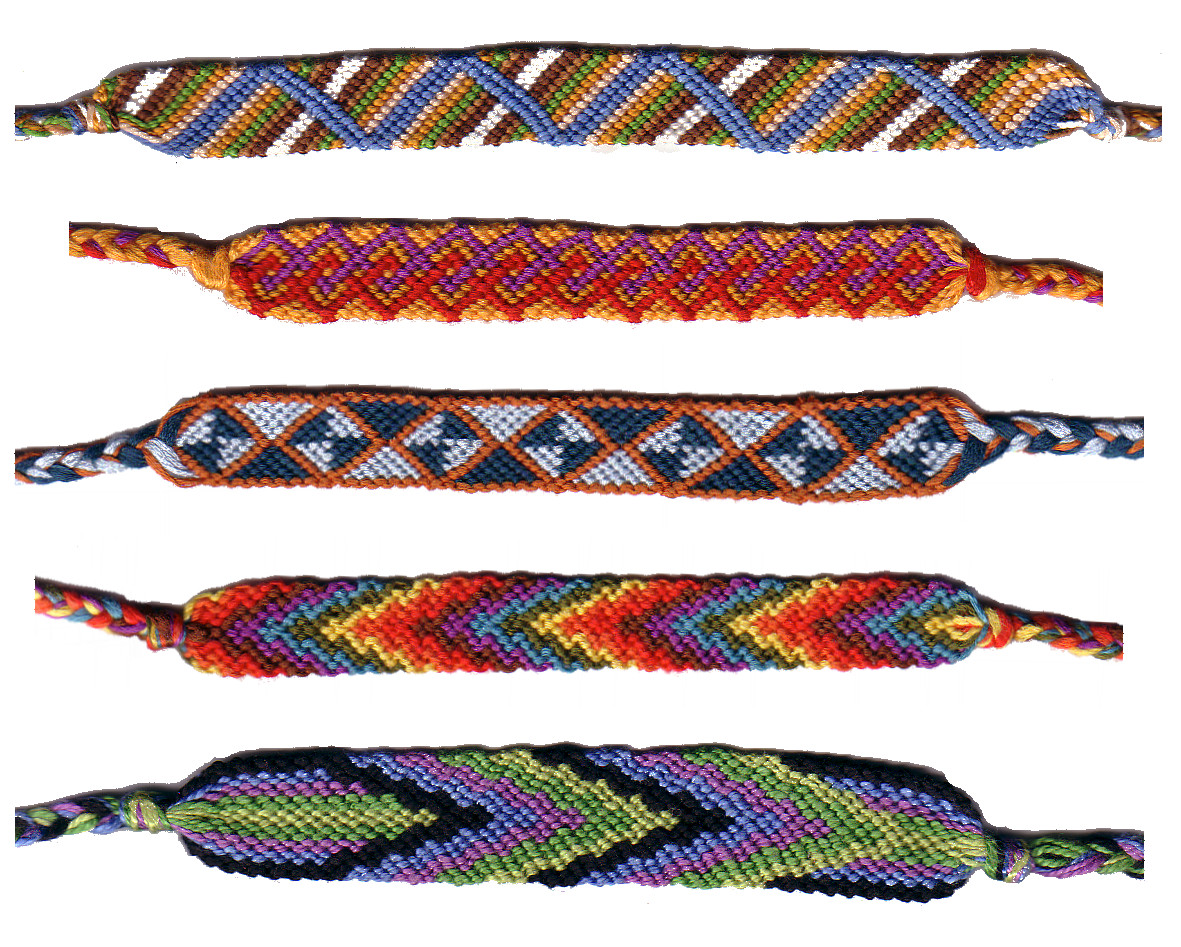
Photo credit: Photo: Ra'ike, CC BY-SA 3.0, via Wikimedia Commons
Embroidery floss, a safety pin through your jeans, and forty minutes of tiny knots: the candy-stripe band you made at camp or recess and tied onto a friend's wrist for keeps. The rules were sacred — they make a wish, and it comes true only when the bracelet finally falls off on its own.
The craft is simple macramé — rows of half-hitch knots in colored embroidery floss, built into candy stripes, chevrons, diamonds, or (for the ambitious) 'alpha' patterns that spell actual letters. Patterns passed hand to hand, from books, and later from websites, but the core skill was always taught the same way: by an older kid at a sleepover or a camp picnic table who knotted agonizingly slowly while you watched.
The bands themselves are far older than the friendship. Their look traces to indigenous Central and South American craft, and some of the decorative knots go back to ancient China; friendship bracelets first became popular in the United States in the 1970s, and got a further surge in the 1980s when they appeared in solidarity protests over the disappearances of Mayan people in Guatemala, carried into the country by religious groups. By the time they saturated 90s classrooms and camp cabins they were fully unisex, wearable in the pool, and cheap enough to fund a whole summer of gifting from one bag of floss.
The folklore is the point: the bracelet is tied on, the wearer makes a wish, and it must stay on until it wears out and drops off by itself — honoring the work that went into it, and granting the wish at the moment it falls. That ritual has never really gone away; it resurfaced at massive scale in 2023, when Taylor Swift fans took a lyric from 'You're on Your Own, Kid' as instructions and traded homemade bracelets at the Eras Tour.
Similar items

Jelly Bracelets
Thin, neon plastic hoops that came in every color imaginable and were stacked up the arm like jewelry—the fashion accessory that cost almost nothing and became trading currency on every playground. Sparked by Madonna's 1980s stacked-arm look, they dominated the early 80s and stayed essential into the 90s, cheap enough to lose constantly and buy again without guilt.
Slap Bracelets
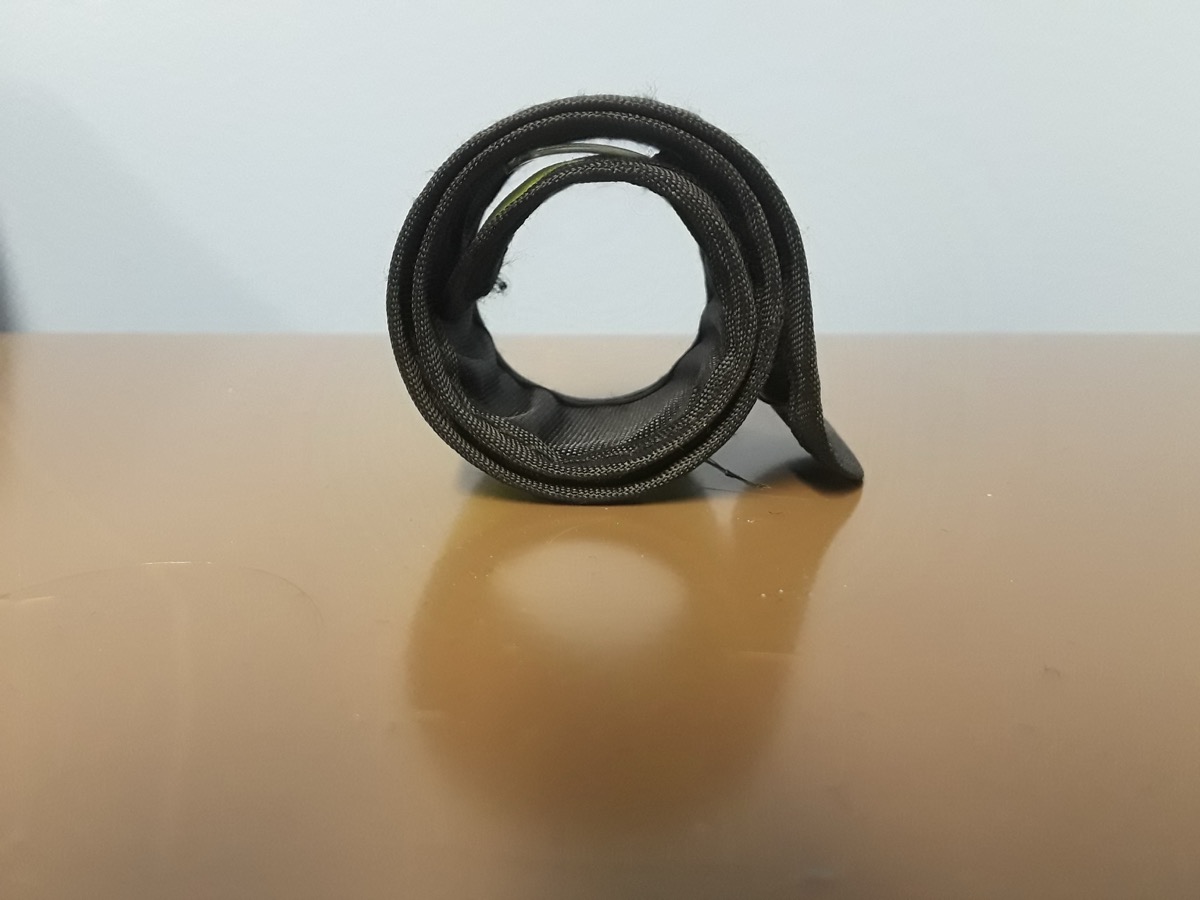
A spring-steel band in a fabric sleeve that snapped flat around your wrist when slapped on — equal parts accessory and weapon. Stuart Anders's invention became a summer craze that vanished just as fast when cheap knockoffs cut kids' wrists and schools banned them outright.
Mood Rings
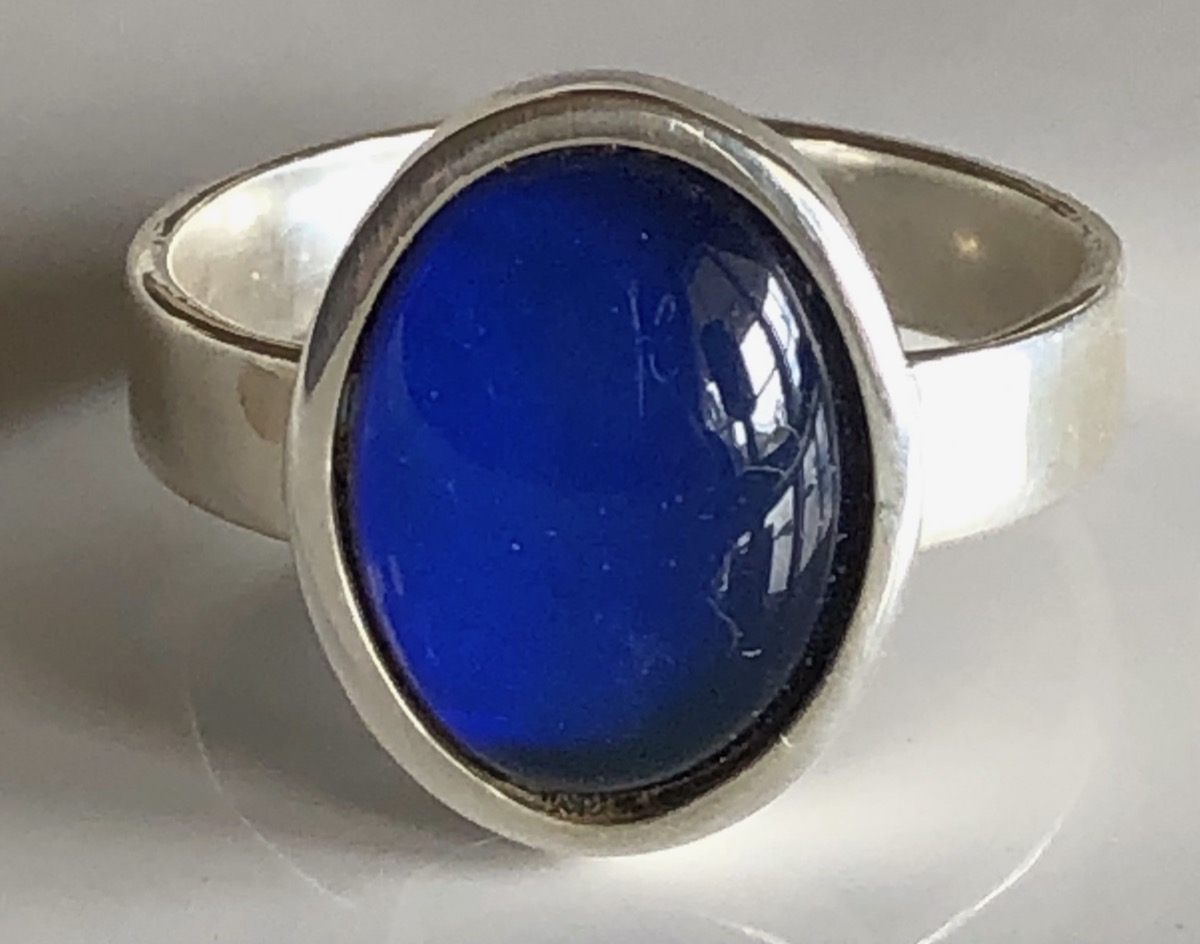
A thermochromic crystal that supposedly read your emotions—blue meant calm, black meant stressed—except it mostly just measured how cold your hands were. The stone changed color with finger temperature, not feelings, but that didn't stop every kid from testing one against its color chart and knowing, deep down, it was a scam.
Lip Smackers
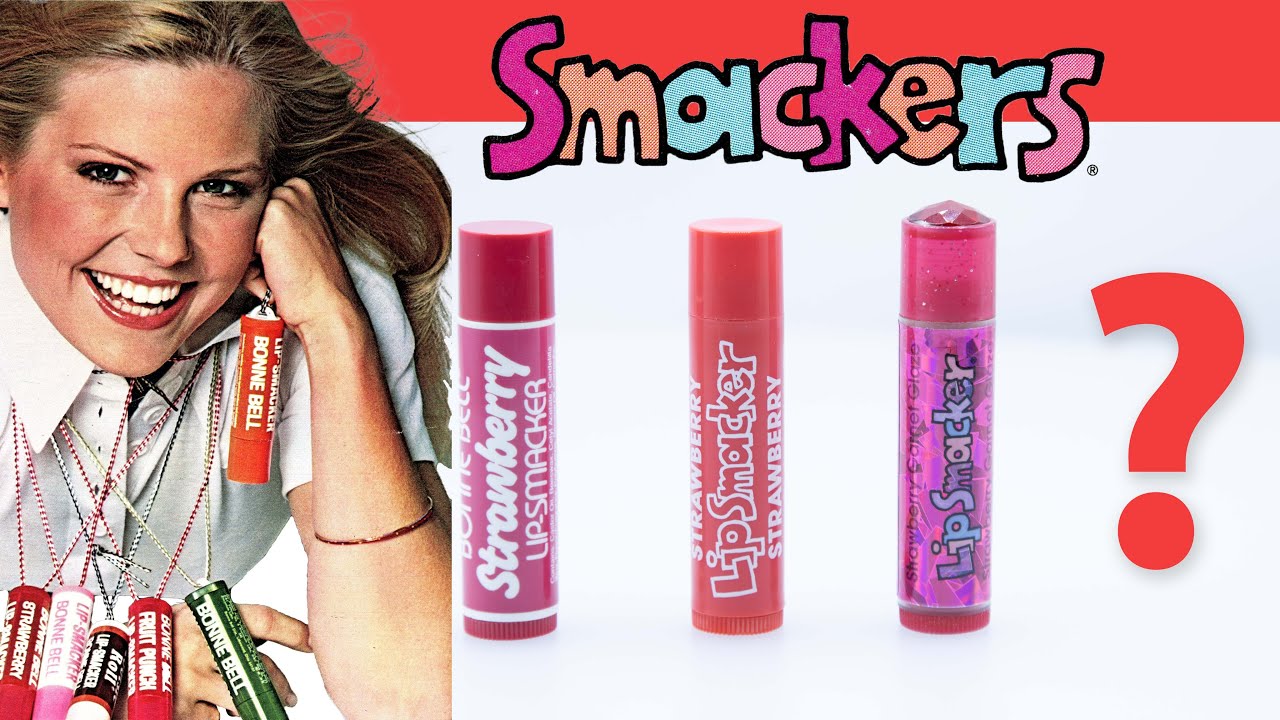
Hoarded in Caboodles and traded at sleepovers like currency, Lip Smackers were the first cosmetic your parents let you own — because it wasn't quite makeup, just flavor. Bonne Bell made them in dozens of flavors, but everyone wanted the Dr Pepper.