Blo-Pens
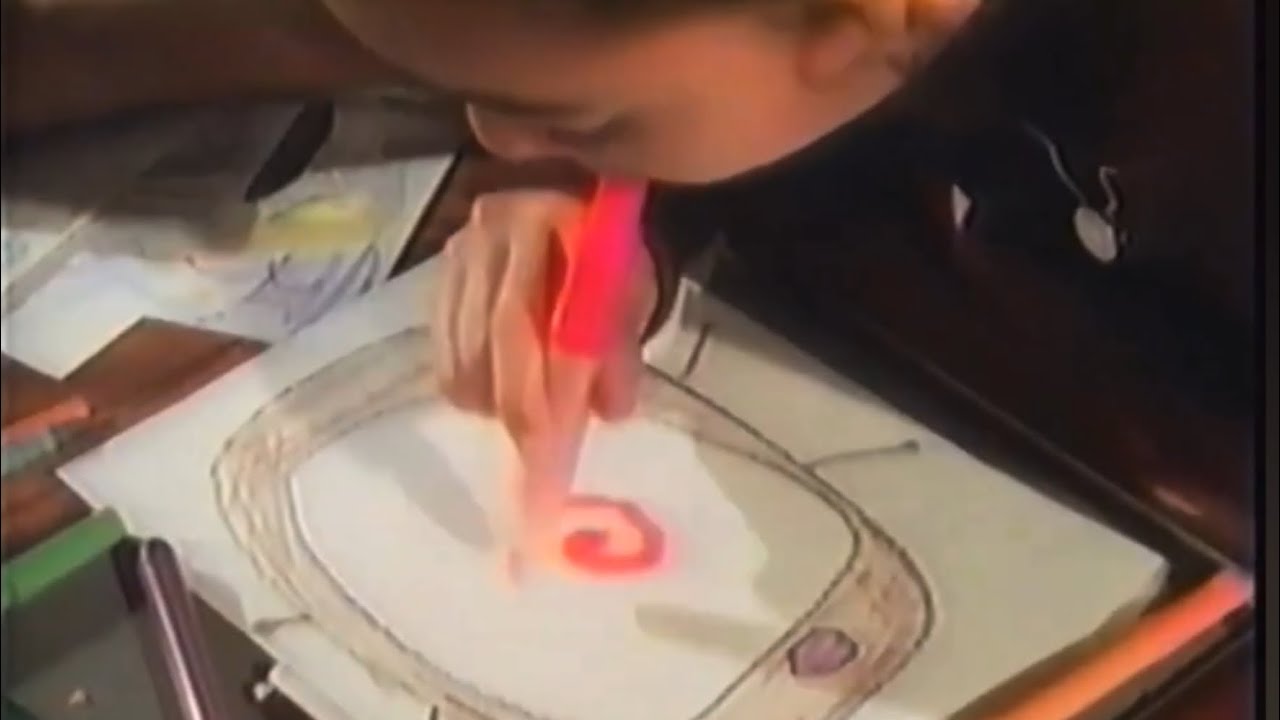
An airbrush in marker form — you aimed the plastic nib at the paper, took a deep breath, and blew hard through the mouthpiece to spray a fine mist of ink. The stencils promised crisp dinosaurs and stars; the reality was overspray, light-headedness, and a few flecks of spit on every masterpiece.
In the 1990s, Blo-Pens arrived as the airbrush every kid could afford — no compressor, no skill required, just lungs and aim. By 1996, sets stamped with the P&M Blopens branding sat on store shelves, each one packed with pens and plastic stencils: dinosaurs, stars, basic shapes. You'd press a stencil onto the paper, lean in with the pen, and blow. If everything went right — which it almost never did — you'd get a crisp, professional-looking outline.
The ritual was messier than the box promised. Light-headedness was half the draw (the other half was the spit), and overspray drifted past the stencil onto the kitchen table, the couch, your sister's homework. Yet the memory stuck long after the product vanished from American shelves around 2000. When the brand returned in 2024 — billed by the toy trade press as its first time back in the US in nearly 25 years, sold by NSI International in the States and John Adams in the UK — the nostalgia had outlasted the product by a full generation.
Similar items
Gel Pens
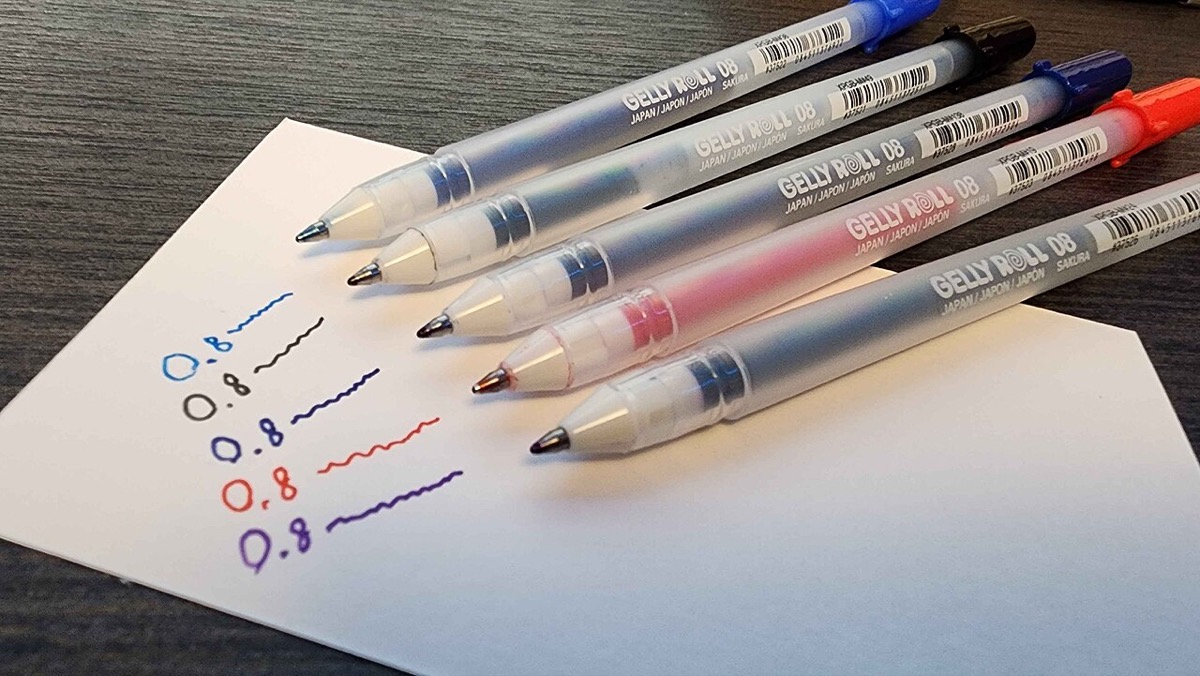
The 1990s school-supply craze: smooth-writing gel-ink pens in glittery, metallic, pastel, and neon colors (the opaque pastels known as "milky pens") that showed up vividly even on black paper. Kids hoarded huge collections, traded colors with friends, and covered notebooks and each other's arms in shimmery ink—a quintessential 90s classroom status symbol.

Creepy Crawlers
The oven where kids baked their own rubbery bugs and threw them at siblings. ToyMax's Creepy Crawlers used a lightbulb-powered mold oven — safe enough for the 90s, still hot enough to feel dangerous — and the smell of baking Plasti-Goop became one of the decade's most specific sense-memories.
Shrinky Dinks
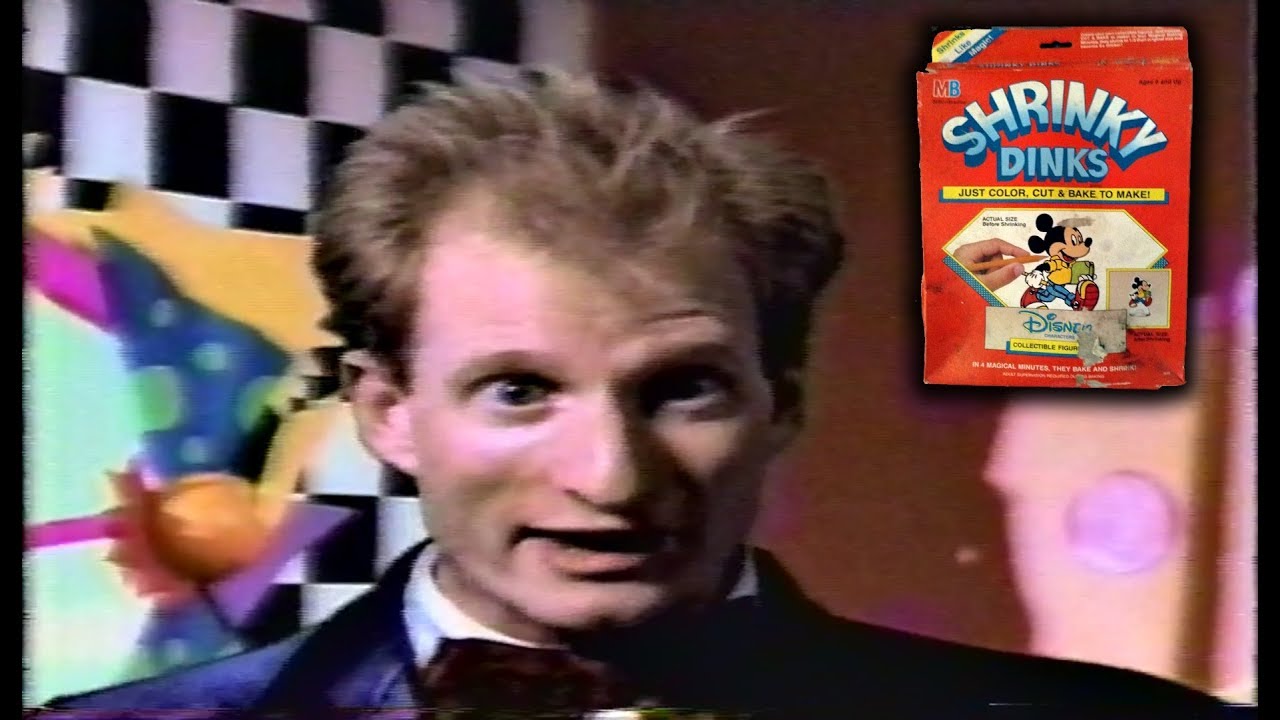
You colored a sheet of plastic, cut it out, put it in the oven, and pressed your face to the door as it curled up like it was ruined — then it flattened, shrank, and hardened into a tiny perfect version of your drawing. Invented by two Wisconsin moms in 1973, it was kitchen chemistry that worked like magic every single time.

Beyblades
These spinning-top battle toys from Takara launched a worldwide mania in the early 2000s. You loaded a Beyblade into a rip-cord launcher, shouted "Let it rip!", and battled rivals in plastic arena bowls called Beystadiums. Customizable parts (attack, defense, stamina types) and the anime tie-in made them trading-post essentials.