N64 Rumble Pak
The plastic cartridge that made you feel explosions in your palms. Nintendo's rumble accessory turned a memory-card slot into a motor, powered by batteries, and changed what players expected from their hardware.
17 items
The plastic cartridge that made you feel explosions in your palms. Nintendo's rumble accessory turned a memory-card slot into a motor, powered by batteries, and changed what players expected from their hardware.
Nintendo's leap into three dimensions, the N64 brought 3D polygon gaming into living rooms with its quirky three-pronged controller and a cartridge library anchored by Super Mario 64 and The Legend of Zelda: Ocarina of Time. Its rumble pak added tactile feedback, while its four controller ports made it the console of couch multiplayer legends.
The small cube-shaped Nintendo console with a built-in carry handle, released November 2001. Indigo or purple exterior, proprietary MINI-DVD discs, and an oversized green A button that defined its controller. Super Smash Bros. Melee, Mario Kart: Double Dash, Metroid Prime, and The Legend of Zelda: The Wind Waker were system-defining hits.
The white remote-waving console that turned living rooms into bowling alleys and convinced your grandmother that she wanted to play tennis. Nintendo's motion-controlled revolution sold 101 million units by letting non-gamers actually *feel* like they were swinging a bat or rolling a bowling ball, while leaving a trail of cracked TV screens in its wake.
Microsoft's first console was a giant black box that held a Pentium III and changed online gaming forever. Launched November 15, 2001, the Xbox arrived with the Duke controller (instantly mocked for its size), a built-in hard drive, and Ethernet port. Halo: Combat Evolved was the system seller, but Xbox Live (November 2002) was the revolution: console gaming went online with a headset in the box and broadband required.
The black rectangle that invaded living rooms worldwide as an affordable DVD player and happened to pack the best game library ever assembled. With over 155 million sold—the best-selling console of all time—the PlayStation 2 didn't just dominate gaming; it became the era's default home entertainment hub.
Sega's last console, a gorgeous white system with a built-in modem that promised arcade quality straight to living rooms. It shipped with one of the most inventive libraries in gaming: Sonic Adventure, Crazy Taxi, Jet Set Radio, and the impossibly niche masterpiece that is Shenmue. The Dreamcast launched with mythical marketing (9/9/99) and died a hero when the PlayStation 2 juggernaut made the economics of console competition impossible.
Sega's 16-bit home console arrived in 1989 and dominated the early 90s with its attitude, speed, and Sonic the Hedgehog. The Genesis ('Mega Drive' everywhere else) promised 'Blast Processing' and delivered games that felt faster and edgier than what Nintendo offered, winning hearts — and quarters — across a generation.
Sega's answer to the PlayStation: a cartridge-free arcade powerhouse with dual processors, a CD-ROM drive, and a cult library of 3D fighters and dreamers. The Saturn dominated Japan but stumbled spectacularly in the West after Sega's infamous E3 surprise launch—a retailer and developer betrayal that became business-school legend.
Nintendo's 16-bit powerhouse that dominated the early 1990s and fought the Sega Genesis for console supremacy. Launched in North America at $199 in August 1991, it came packed with Super Mario World and helped define a generation of gaming with over 49 million units sold worldwide.
The grey brick: four AA batteries, a pea-green screen you had to angle toward a lamp, and Tetris in the box. It was outgunned on paper by every colour handheld it faced, and it buried all of them. Nintendo kept the line it started alive until 2003.
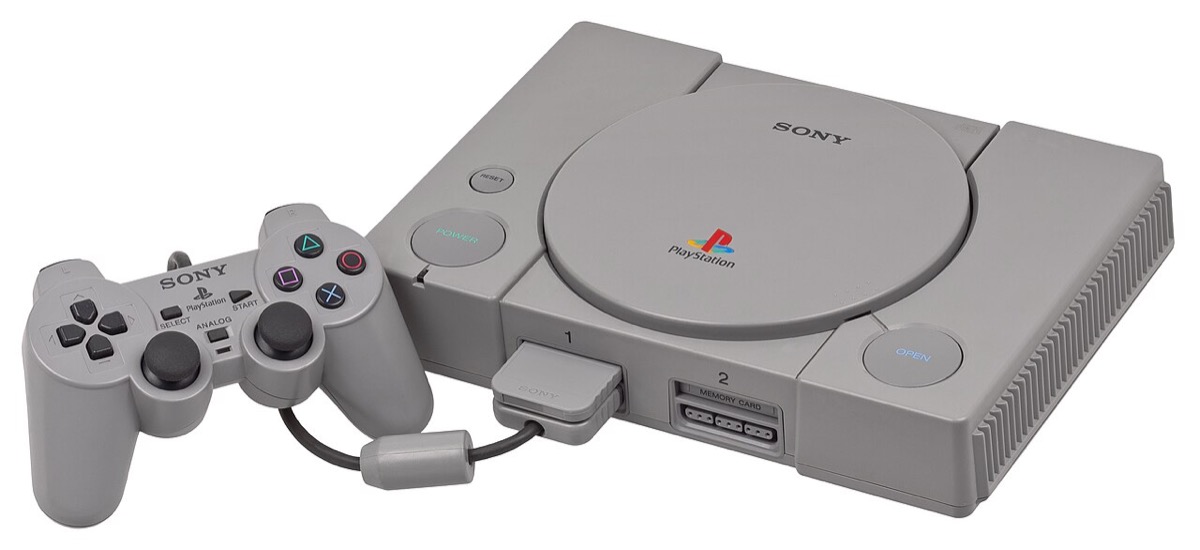
The grey box that took gaming off the cartridge and onto the CD — and took it away from Nintendo and Sega while it was at it. Sony's first console arrived in Japan at the end of 1994 and in America the following September, and it made a generation fluent in memory cards, load screens, and demo discs. It started as a Nintendo project that Nintendo walked away from.
Nintendo's red-and-black 3D machine that sat on a table and asked you to press your face into it. It was on sale in Japan for about five months and in America for about a year, and it is the lowest-selling standalone console Nintendo ever put its name on. Everyone remembers the demo unit at the toy store, and everyone remembers the headache.
The 3DO was an audacious gamble: a roughly $700 CD console that The 3DO Company didn't even build itself — partners like Panasonic manufactured it under license, with royalties flowing back to Trip Hawkins' company. Time magazine called it 1993's "Product of the Year." No amount of prestige could overcome the price.
The Atari Jaguar launched in November 1993 at $249.95 with a bold claim: the world's first 64-bit home console. Critics immediately cried foul — its two 32-bit chips didn't quite add up. The PowerPad controller, bristling with 17 buttons including a phone-style keypad, didn't help. It became Atari's last console.
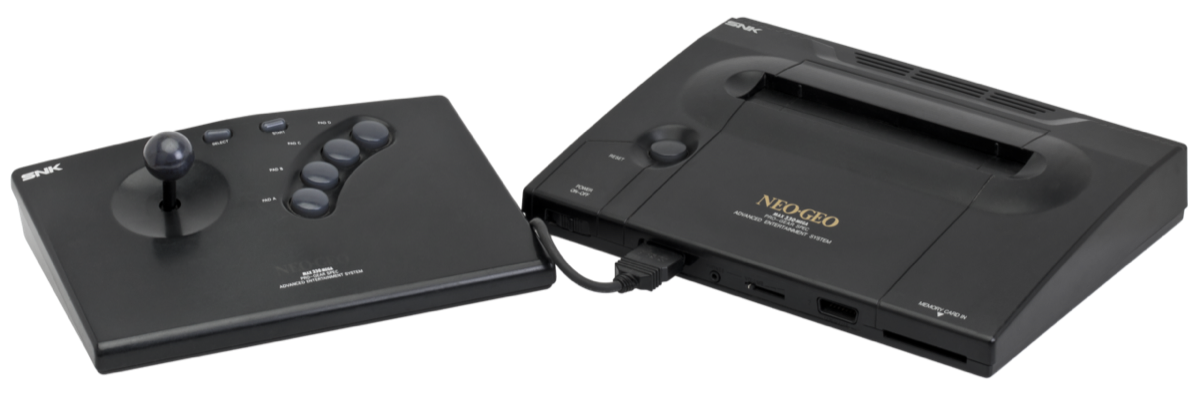
SNK's answer to a dream: the arcade in your home. The Neo Geo's home console ran hardware identical to its arcade cabinets, so you got arcade-perfect games with zero compromises — for $649.99, plus cartridges that cost upward of $200. The rich kid down the street had one. You didn't.
The CD-ROM deck that bolted under your Genesis and turned it into a two-story tower of futuristic black plastic. At $299 in 1992 it promised arcade-quality full-motion video — and the grainy FMV era it kicked off became gaming's most fondly mocked experiment. Night Trap's live-action thrills even landed it in front of Congress.