PlayStation 2

The black rectangle that invaded living rooms worldwide as an affordable DVD player and happened to pack the best game library ever assembled. With over 155 million sold—the best-selling console of all time—the PlayStation 2 didn't just dominate gaming; it became the era's default home entertainment hub.
Sony's PlayStation 2 launched in Japan on March 4, 2000, and hit North America on October 26, 2000, arriving at exactly the right moment. The DVD player feature was genius: a standalone DVD player often cost as much as the console, and the PS2 did both, sneaking into millions of living rooms that would never have bought a 'video game console.' The game library was staggering in breadth and depth—Grand Theft Auto III and Vice City redefined open-world gaming, Final Fantasy X pushed RPG storytelling to new heights, God of War arrived with visceral action, and thousands of other titles filled every genre and niche. Production continued all the way to 2013, underscoring the console's enduring appeal and stability.
The PS2 defined gaming's first decade of the 21st century. It was the machine that made Grand Theft Auto a household name and the disc tray that played both Spider-Man the game and Spider-Man the movie. Nostalgia for the PS2 runs deep—it wasn't just a piece of hardware, it was the centerpiece of a generation's childhood and teenage years.
Similar items

Sega Dreamcast
Sega's last console, a gorgeous white system with a built-in modem that promised arcade quality straight to living rooms. It shipped with one of the most inventive libraries in gaming: Sonic Adventure, Crazy Taxi, Jet Set Radio, and the impossibly niche masterpiece that is Shenmue. The Dreamcast launched with mythical marketing (9/9/99) and died a hero when the PlayStation 2 juggernaut made the economics of console competition impossible.

Nintendo 64
Nintendo's leap into three dimensions, the N64 brought 3D polygon gaming into living rooms with its quirky three-pronged controller and a cartridge library anchored by Super Mario 64 and The Legend of Zelda: Ocarina of Time. Its rumble pak added tactile feedback, while its four controller ports made it the console of couch multiplayer legends.
![Video thumbnail — Wii Would Like to Play (2006) - Wii Commercial [4K + 60 FPS]](https://i.ytimg.com/vi/QBOFhmjTgvY/maxresdefault.jpg)
Nintendo Wii
The white remote-waving console that turned living rooms into bowling alleys and convinced your grandmother that she wanted to play tennis. Nintendo's motion-controlled revolution sold 101 million units by letting non-gamers actually *feel* like they were swinging a bat or rolling a bowling ball, while leaving a trail of cracked TV screens in its wake.
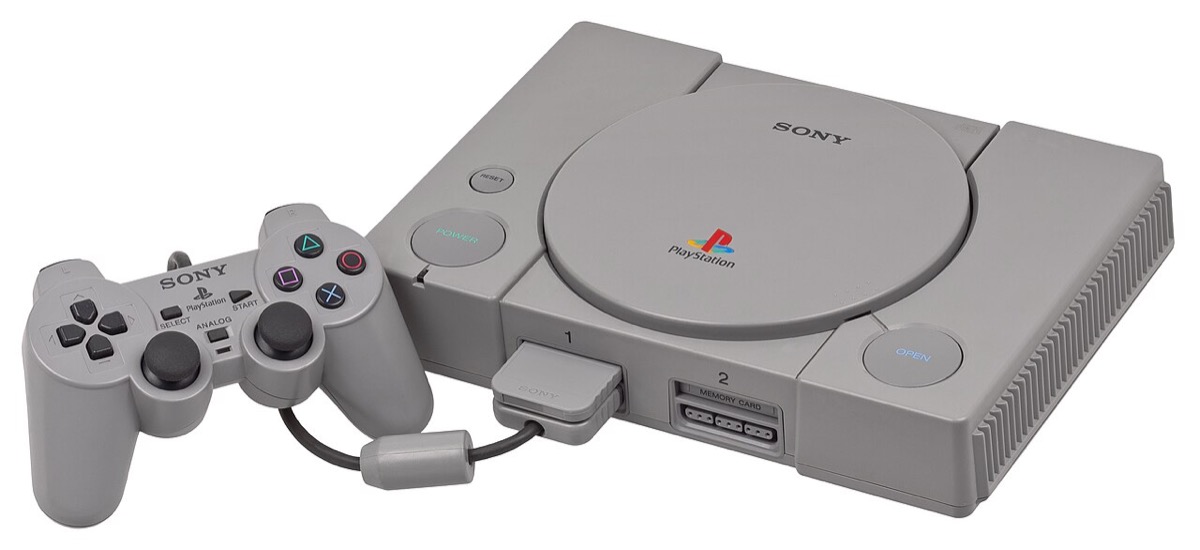
PlayStation
The grey box that took gaming off the cartridge and onto the CD — and took it away from Nintendo and Sega while it was at it. Sony's first console arrived in Japan at the end of 1994 and in America the following September, and it made a generation fluent in memory cards, load screens, and demo discs. It started as a Nintendo project that Nintendo walked away from.