Neo Geo

SNK's answer to a dream: the arcade in your home. The Neo Geo's home console ran hardware identical to its arcade cabinets, so you got arcade-perfect games with zero compromises — for $649.99, plus cartridges that cost upward of $200. The rich kid down the street had one. You didn't.
SNK launched the Neo Geo in Japan in 1990 with a radical premise: unified arcade and home hardware. The AES home console used identical hardware to the MVS arcade board, meaning home players got the exact arcade experience — no compromises, no cut-down ports. "The arcade in your home" was, for once, literally true.
The price reflected the ambition. The US "Gold System" launched at $649.99, the most expensive home console of its day, with a "Silver System" package at $399.99 — and cartridges cost upward of $200, relegating the system to a very select market. SNK's signature series gave the faithful reasons to pay: Fatal Fury, Samurai Shodown, The King of Fighters, and Metal Slug all called the Neo Geo home.
The arcade side carried the business — one million MVS units had shipped worldwide by April 1997. The hardware was discontinued in 1997, but SNK kept releasing Neo Geo games until 2004, an astonishing fourteen-year software run. Today the system is a prized collectible, its reputation burnished by the very exclusivity that once limited its audience.
Similar items
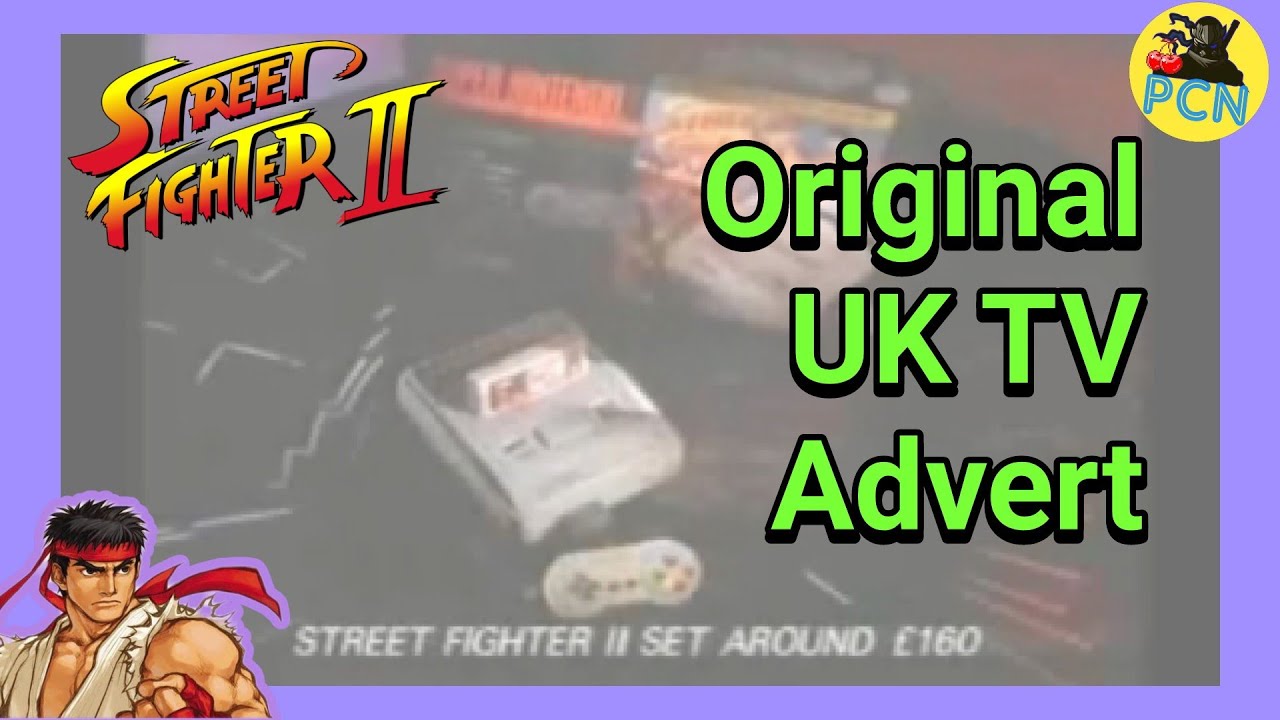
Street Fighter II
The 1991 arcade fighting game that singlehandedly revived the arcade industry and invented the competitive fighting-game community. Capcom's Street Fighter II featured eight selectable characters with unique movesets, and combos—initially discovered as glitches—became the foundation of an entirely new genre. From the SNES port to EVO championships decades later, this game's influence on gaming culture is immeasurable.

Sega Genesis
Sega's 16-bit home console arrived in 1989 and dominated the early 90s with its attitude, speed, and Sonic the Hedgehog. The Genesis ('Mega Drive' everywhere else) promised 'Blast Processing' and delivered games that felt faster and edgier than what Nintendo offered, winning hearts — and quarters — across a generation.

3DO
The 3DO was an audacious gamble: a roughly $700 CD console that The 3DO Company didn't even build itself — partners like Panasonic manufactured it under license, with royalties flowing back to Trip Hawkins' company. Time magazine called it 1993's "Product of the Year." No amount of prestige could overcome the price.
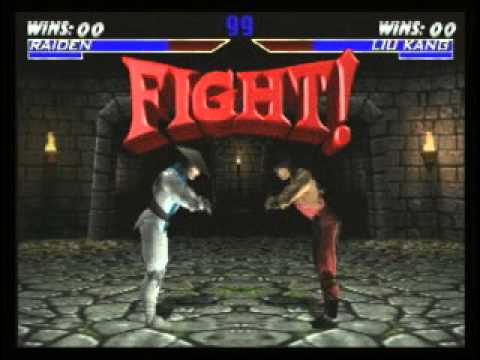
Mortal Kombat 4
The first Mortal Kombat in 3D, the last one to hit arcades—and the first where you could pull a weapon mid-fight. Polygonal fatalities were the playground whisper of 1997.