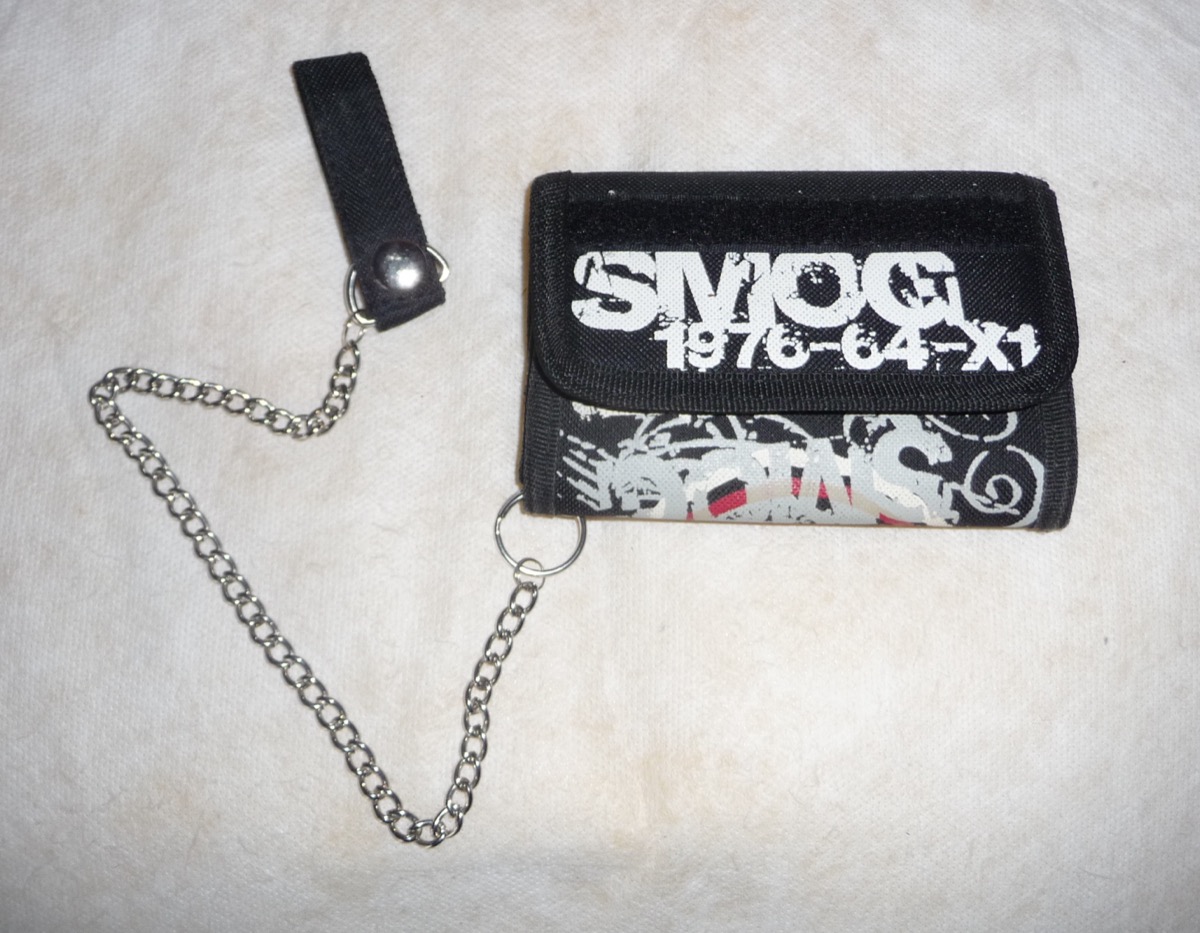
Chain Wallets
A metal chain connecting your trifold wallet to your belt loop—the ultimate 90s mall accessory that nobody actually needed for security but everyone desperately wanted anyway. Biker chic meets suburban shopping mall.
19 items
A metal chain connecting your trifold wallet to your belt loop—the ultimate 90s mall accessory that nobody actually needed for security but everyone desperately wanted anyway. Biker chic meets suburban shopping mall.

The ear-piercing rite of passage: the window chair, the piercing gun, picking starter studs while your friends pressed against the glass. Claire's claims more ear piercings than any other retailer — over 100 million — and for generations of tween girls it was the reason the mall existed: bins of cheap earrings, chokers, butterfly clips, and best-friend necklaces made to be split in half.

Handmade-looking polymer clay pendants—suns with faces, crescent moons, yin-yangs—strung on hemp or black leather cord. Cheap enough to buy at a boardwalk kiosk, earthy enough to feel like you'd made it yourself. The unofficial jewelry of late-90s beach towns and mall food courts.

The zigzag. You clamped the hot iron down section by section — or slept in a head full of tiny braids — and emerged with hair crimped into sawtooth waves for picture day, the school dance, or absolutely no occasion at all. The smell of hot hair was just part of the look.
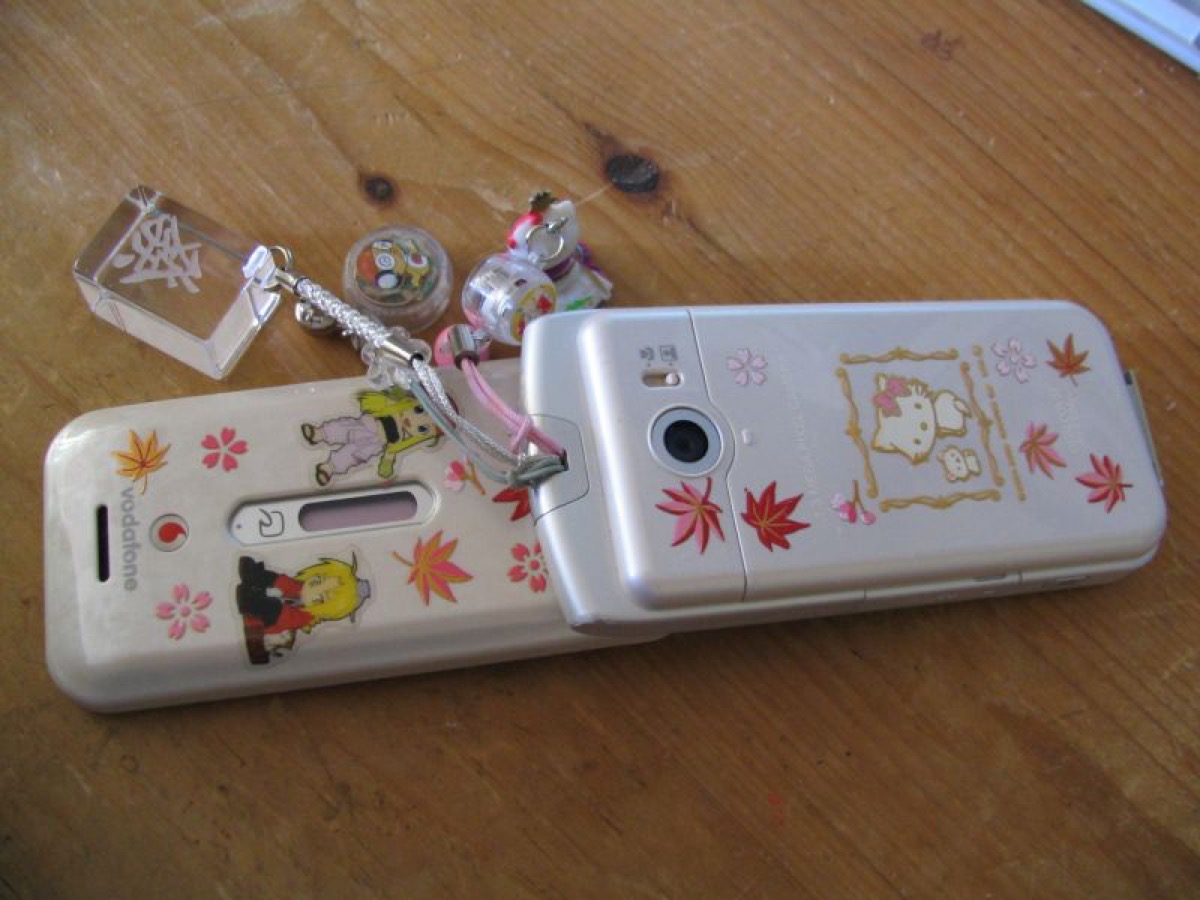
Your flip phone looked exactly like everyone else's — until a charm swung from it. The habit came straight from Japan, where "keitai straps" had been phone culture since the late 1990s, and by the mid-2000s crystal danglies, plush animals, and cartoon characters hung off every clamshell in the mall.
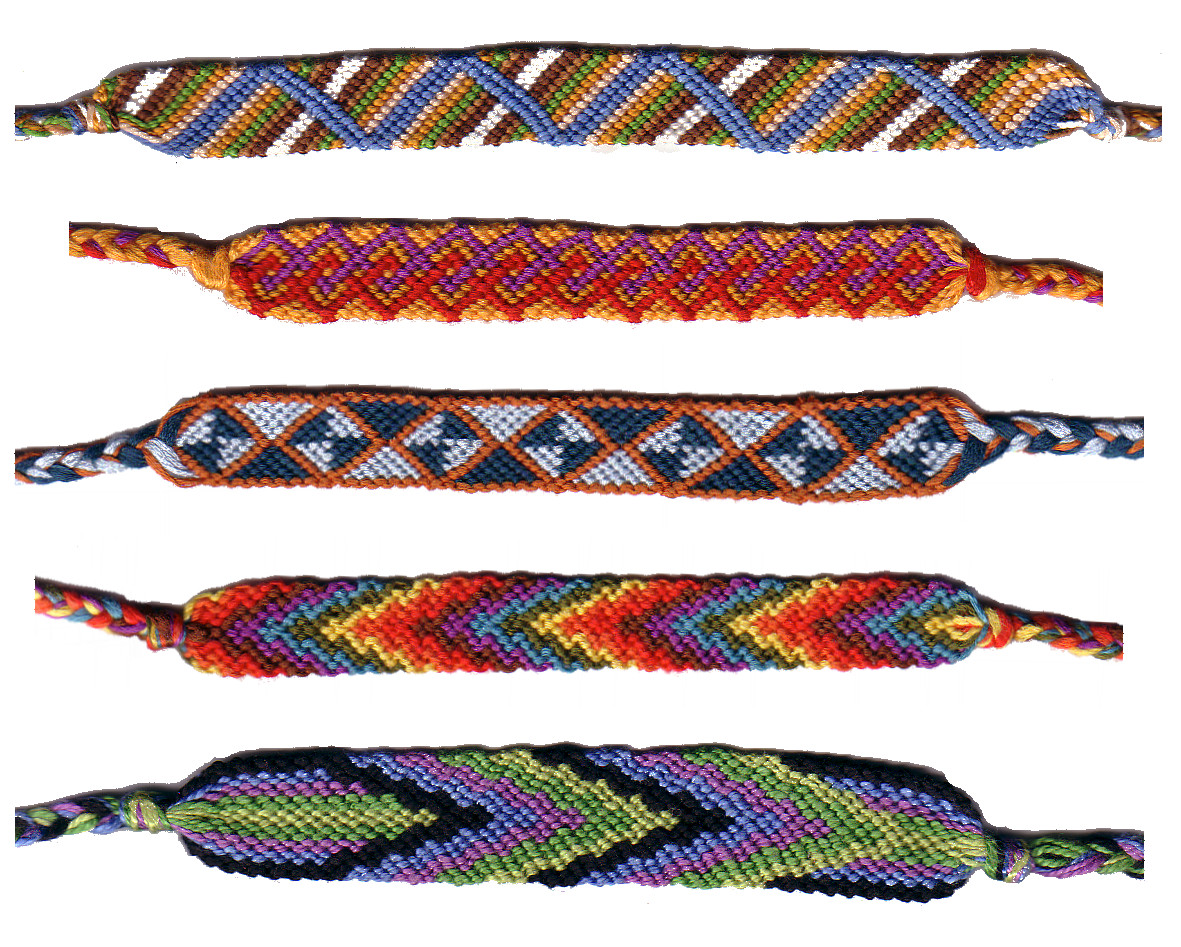
Embroidery floss, a safety pin through your jeans, and forty minutes of tiny knots: the candy-stripe band you made at camp or recess and tied onto a friend's wrist for keeps. The rules were sacred — they make a wish, and it comes true only when the bracelet finally falls off on its own.

Casio's G-Shock (first released in 1983) was the chunky, rugged, shock-resistant digital watch built to survive drops and abuse. The smaller, more colorful Baby-G line (launched 1994) targeted a younger audience and helped make the watches a 1990s fashion staple—big plastic bodies, digital displays, and durability marketing turned them into schoolyard status accessories.
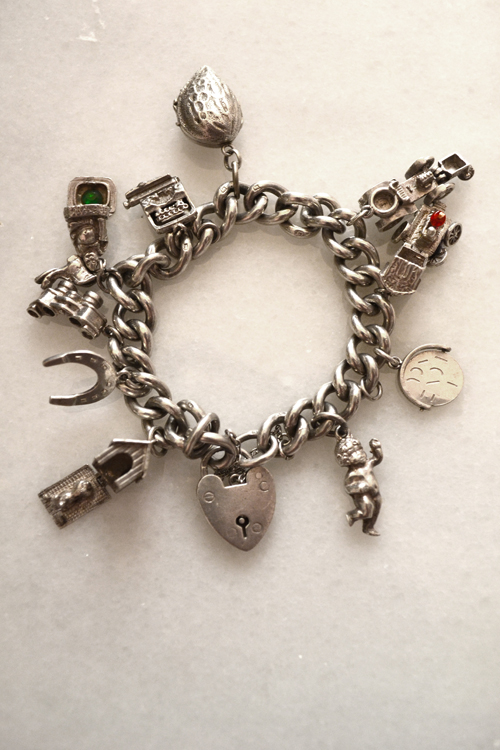
A stretchy steel band of flat little links, each one snapped out and swapped for a charm — your initial, a soccer ball, a ladybug, your best friend's name. Italian charm bracelets turned a wrist into a customizable scrapbook, and for a few years in the early 2000s every girl in school was comparing links.

Thin, neon plastic hoops that came in every color imaginable and were stacked up the arm like jewelry—the fashion accessory that cost almost nothing and became trading currency on every playground. Sparked by Madonna's 1980s stacked-arm look, they dominated the early 80s and stayed essential into the 90s, cheap enough to lose constantly and buy again without guilt.
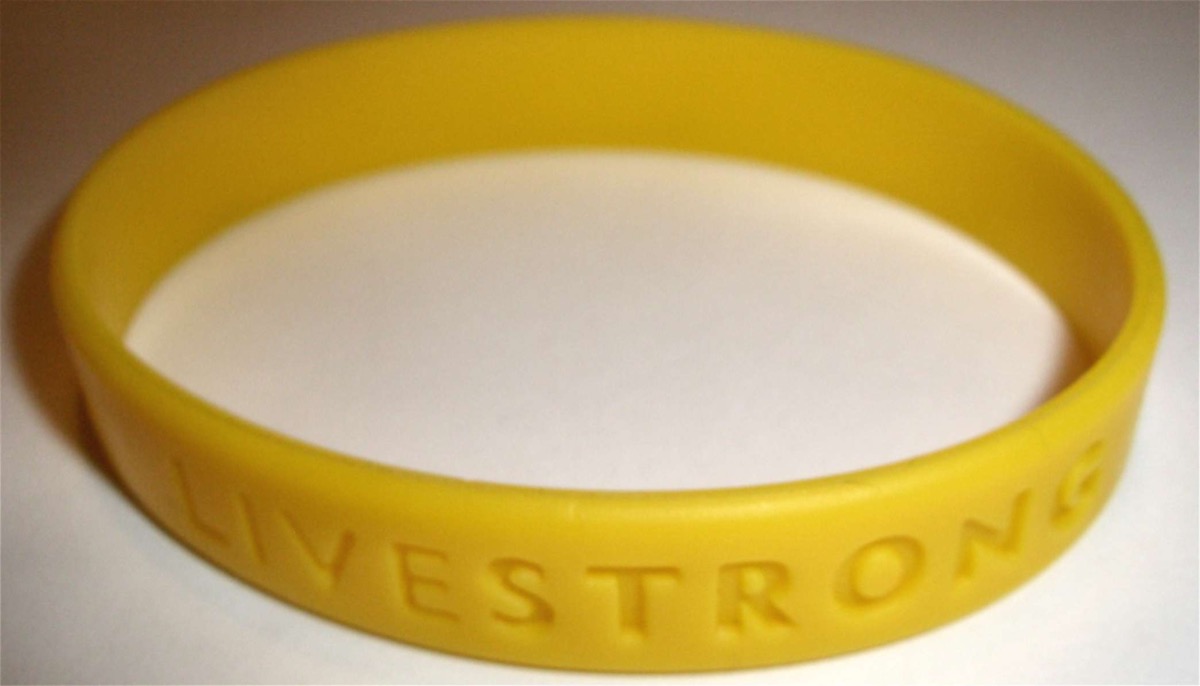
The yellow silicone gel wristband launched in 2004 by the Lance Armstrong Foundation with Nike, sold for $1 to support people affected by cancer. Tens of millions sold, and it ignited the entire cause-awareness rubber-bracelet craze—soon every color stood for a different charity, and everyone stacked them on their wrists like a visible moral portfolio.

The plastic cartridge that made you feel explosions in your palms. Nintendo's rumble accessory turned a memory-card slot into a motor, powered by batteries, and changed what players expected from their hardware.
Stretchy bracelets of round semi-precious stone beads, each color supposedly granting something—happiness, luck, smarts, money—according to the little card on the rack. Stacked a dozen deep on every late-90s wrist, powers pending.

The NES controller you wore on your arm — futuristic on the commercial, nearly unplayable in the living room. It got the greatest product placement line in movie history: "I love the Power Glove. It's so bad." Somehow both a punchline and the coolest thing any kid had ever seen.
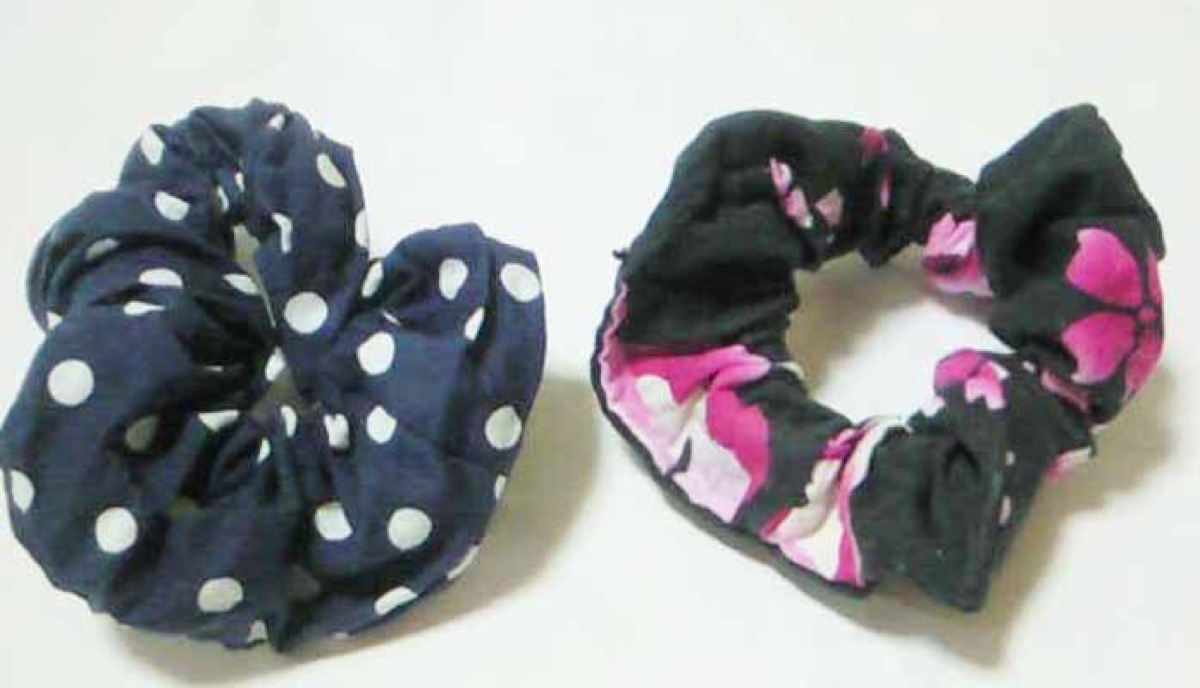
The elastic hair tie wrapped in fabric that came in every color, pattern, and fabric texture imaginable — velvet, neon, holographic, gingham. Patented by Rommy Revson in 1987 and sold as Scünci, scrunchies were the ubiquitous hair staple that defined how an entire generation held up their ponytails and side-swept bangs.

A cordless infrared light gun for the Sega Genesis that could be built up from a handgun into a shoulder-mounted bazooka. It looked futuristic and felt powerful—there was just almost nothing worth shooting at.
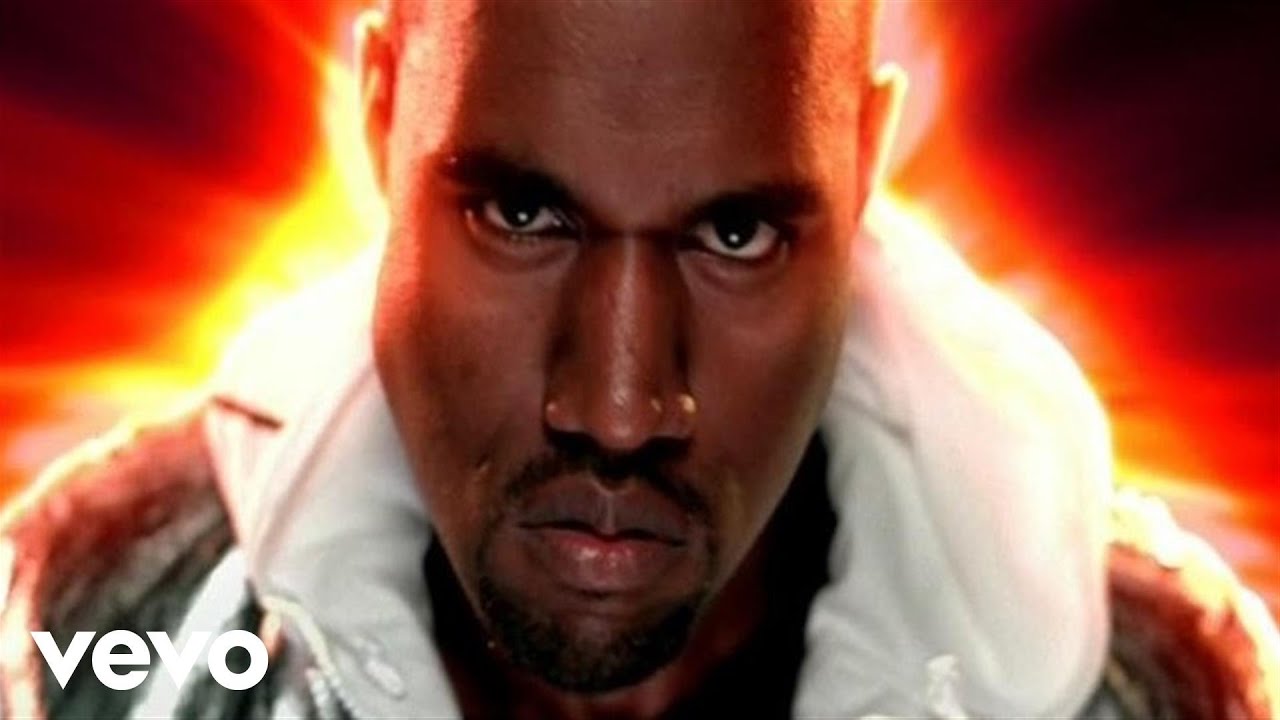
Sunglasses with no lenses — just plastic slats, like Venetian blinds for your face. After Kanye West wore a white pair in the "Stronger" video, shutter shades conquered every mall kiosk, party photo, and MySpace profile picture of 2007–2008, despite being objectively worse than sunglasses at everything sunglasses do.

The tight, lace-patterned plastic necklace that mimicked a hand-drawn tattoo band—one size fits all, no clasp, just stretch it over your head and let it snap snug. Worn by Kate Moss, Drew Barrymore, Gwen Stefani, and every kid with an allowance, the choker's actual origin is lost to history, and it simply appeared everywhere at once.
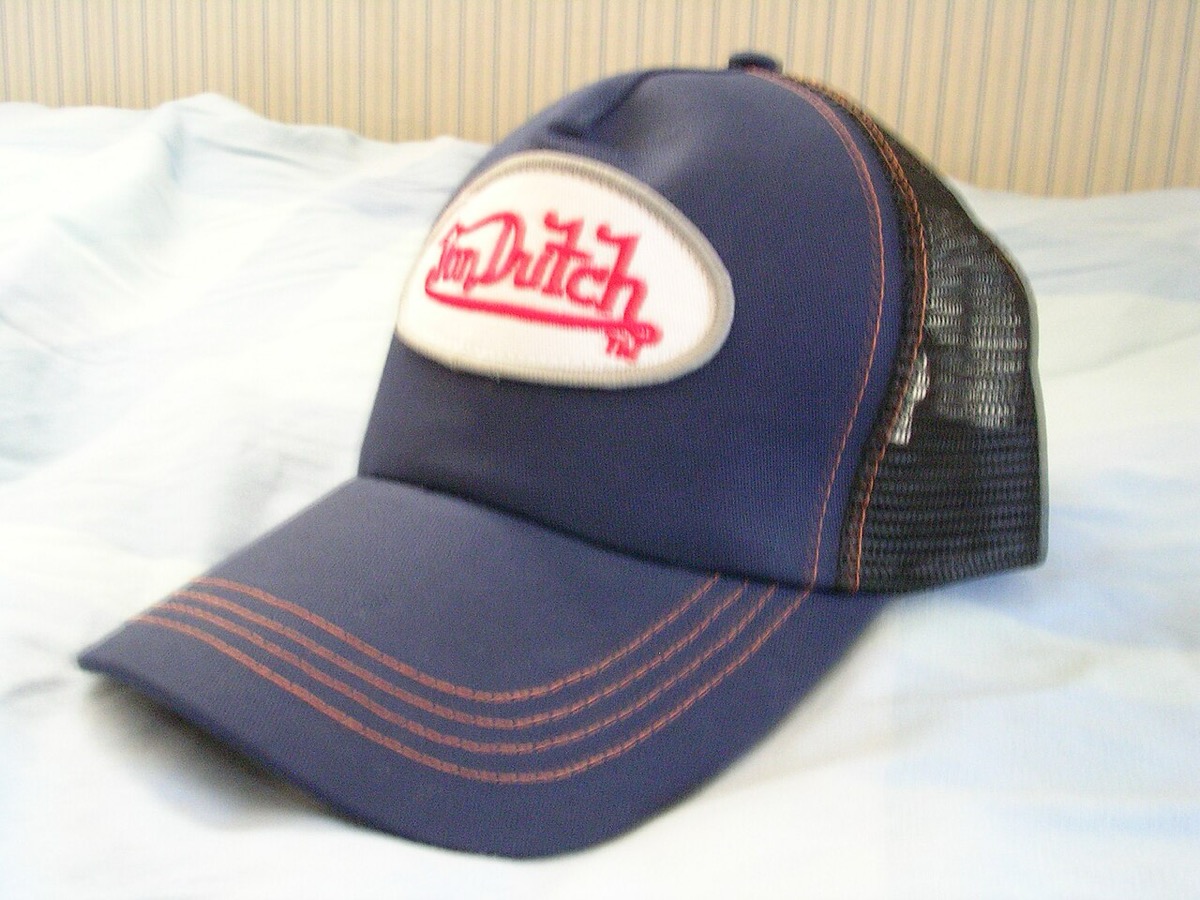
The mesh-backed, foam-front trucker cap that became a mid-2000s celebrity status symbol under the Von Dutch brand. Worn and photographed constantly by celebrities like Ashton Kutcher, Paris Hilton, and Britney Spears, the Von Dutch trucker hat turned a humble working-man's accessory into a pricey fashion flex. It defined—and quickly dated—the Y2K era.
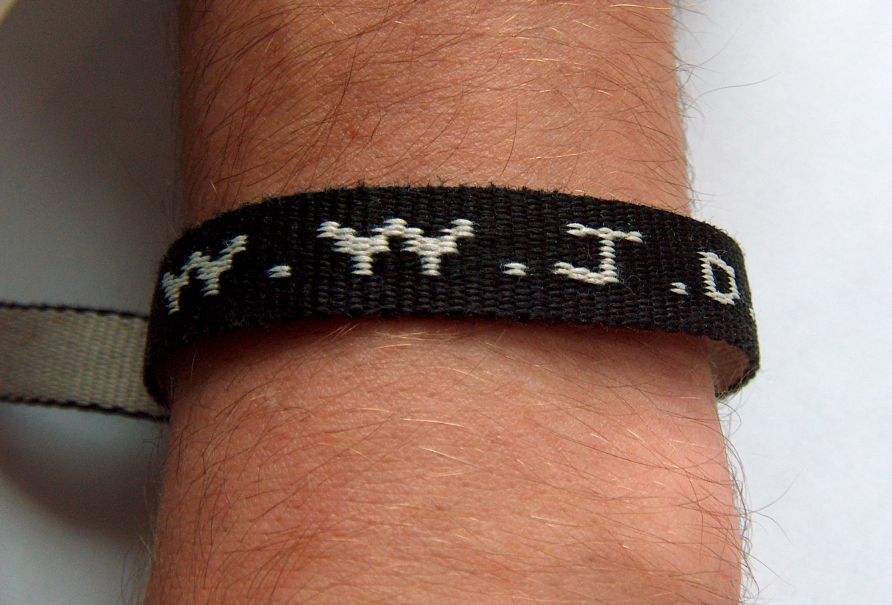
Four woven letters on every other wrist in homeroom: What Would Jesus Do? A Michigan youth leader's craft project for her church kids became one of the decade's biggest accessory fads — worn devoutly by some, worn because everyone else had one by the rest.