Sega Menacer

A cordless infrared light gun for the Sega Genesis that could be built up from a handgun into a shoulder-mounted bazooka. It looked futuristic and felt powerful—there was just almost nothing worth shooting at.
The Sega Menacer arrived in October 1992 at $59.99 as Sega's direct answer to the Super Scope, Nintendo's light-gun bazooka for the SNES. The hardware was genuinely impressive for its time: a cordless infrared light gun that talked to a sensor you perched on top of the TV, detecting shots by counting CRT scan lines. It ran on six AAA batteries and came in three snap-together pieces—a pistol grip, a shoulder stock, and binocular sights—so you could configure it from a simple handheld gun up to a full-shoulder cannon depending on your ambitions. It was tactile, modular, and made you feel like you were holding something from the future.
Sega bundled the Menacer with a cartridge containing six games: Ready, Aim, Tomatoes! (a tomato-lobbing game that became the standout favorite), Pest Control (bug-zapping), Space Station Defender, Whack Ball, Front Line, and Rockman's Zone. Beyond that pack-in, the library was thin but memorable: T2: The Arcade Game was the first retail game to officially support it, Body Count followed on the Genesis, and Sega CD full-motion-video shooters—Mad Dog McCree, Corpse Killer, Who Shot Johnny Rock?—leaned hard into the gun's novelty.
The problem was obvious to anyone who played it: the six pack-in games were subpar and repetitive, and no major third-party support materialized. The library never grew beyond a handful of titles, reviewers and players soured on it, and the Menacer wound up a commercial and critical flop.
But it survives in memory as a gorgeous piece of early-90s toy-gun engineering—the kind of thing that felt genuinely futuristic when you held it. Everyone who owned one remembers snapping it up into the full shoulder cannon and aiming it at everything in the living room BUT the TV, even when there was nothing worthwhile to shoot at on screen.
Similar items

Sega Genesis
Sega's 16-bit home console arrived in 1989 and dominated the early 90s with its attitude, speed, and Sonic the Hedgehog. The Genesis ('Mega Drive' everywhere else) promised 'Blast Processing' and delivered games that felt faster and edgier than what Nintendo offered, winning hearts — and quarters — across a generation.

Cruis'n USA & Cruis'n World
Arcade racing cabinet that promised a coast-to-coast road trip—San Francisco to Washington, D.C.—and actually delivered. You shifted and swerved your way through America's most iconic backdrops, and later the entire globe, one quarter at a time.
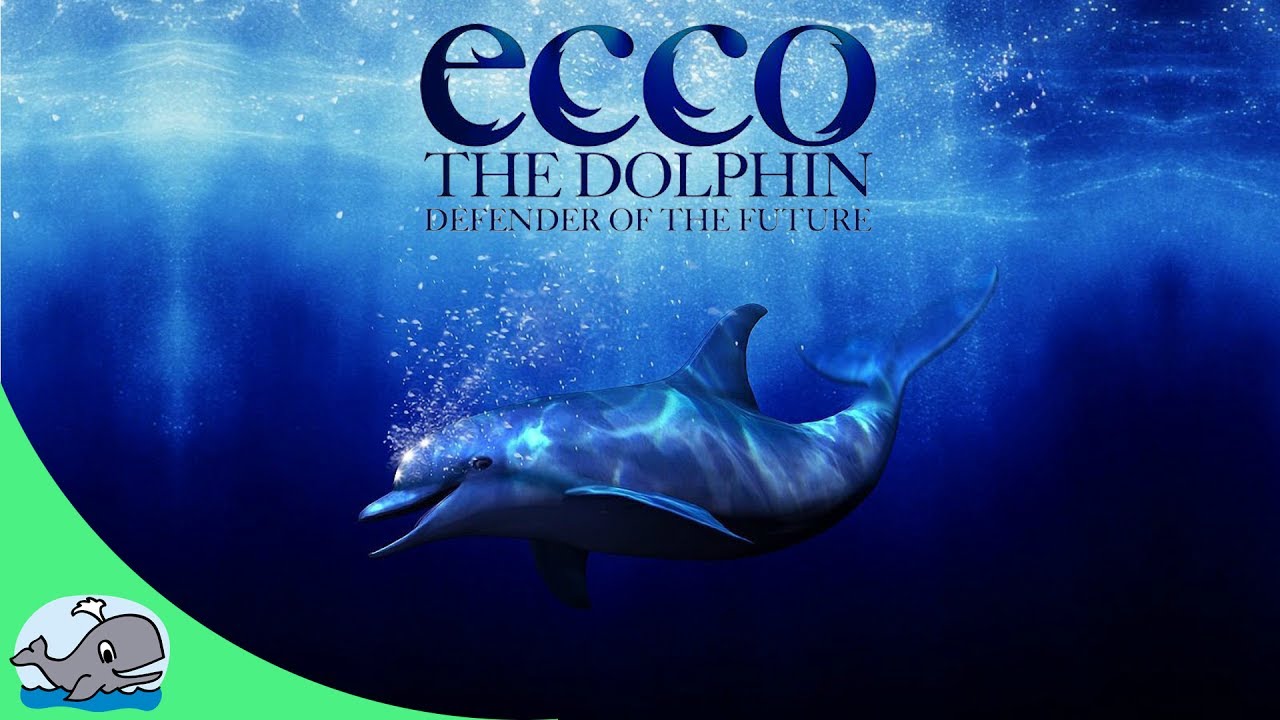
Ecco the Dolphin
A serene ocean-documentary game that lures you into cosmic horror. You're a bottlenose dolphin searching for your pod after a mysterious storm rips them from the sea, only to discover time travel, Atlantis, and an alien menace called the Vortex. Ecco the Dolphin is notoriously, brutally hard — a beautiful betrayal that turns aquatic tranquility into an eerie hunt through the deep.

Vectorman
The late-Genesis showpiece: a run-and-gun platformer starring a robot built from articulated green orbs, with pre-rendered graphics meant to prove the aging console could still hang with the SNES. It also came with a genuinely wild promotion — a hidden $25,000 prize.