SimTower

An elevator game disguised as a skyscraper builder: stack offices, condos, and hotels a hundred floors high, then obsess over elevator schedules while tiny tenants flash red with rage. One of the weirdest, most hypnotic PC sims of the 90s.
SimTower began in Japan as The Tower, designed by Yoot Saito at OPeNBooK and released there in 1994. Will Wright — SimCity's creator — mentioned it to Maxis president Jeff Braun, and Maxis licensed it for worldwide release, publishing it in November 1994 for Windows and Mac as SimTower: The Vertical Empire to ride the Sim-franchise brand. The rebadge hid an obsessive little secret: the game was literally built around an elevator simulation. Saito had even contacted an elevator company to learn real scheduling techniques — they declined to share — and that fixation became the whole game's DNA.
You built up to 100 floors above ground and 9 below, filling them with offices, condos, hotels, restaurants, and shops while your tower climbed a one-to-five-star rating; crown a completed five-star build with a cathedral and it achieved the coveted "Tower" status. But the real game was vertical traffic. Tiny tenants queued in lobbies, flashed red with impatience when the wait stretched, and moved out if you'd botched the elevator scheduling — so players spent hours tuning express shafts and floor assignments, restarting after catastrophic rush-hour congestion cascades. It was meditative and infuriating in equal measure: the specific, neurotic satisfaction of a system running just right.
Saito followed it with Yoot Tower — November 24, 1998 on Mac, January 1999 on Windows — but the original stayed the one people remember: the game that made a generation of kids stare at real office elevators and silently judge their scheduling.
Similar items
SimCity 2000
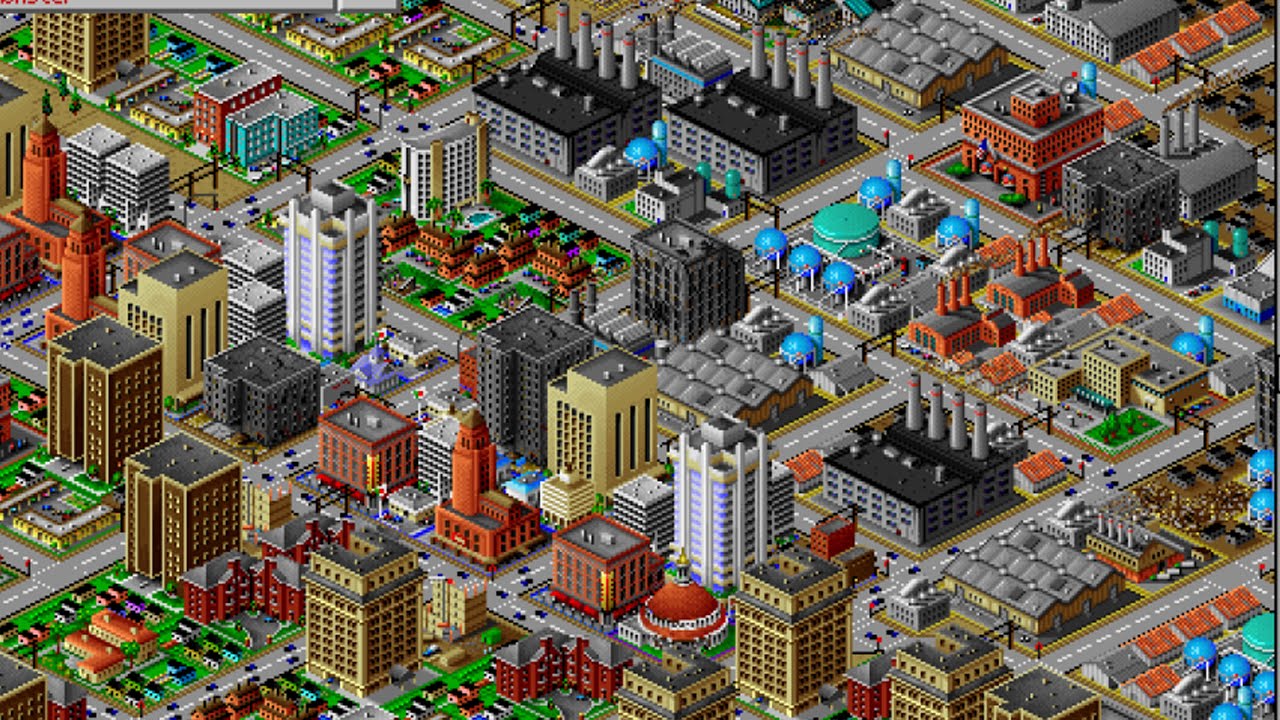
The city-building game that made zoning feel like destiny. SimCity 2000 traded the original's flat grid for a gorgeous isometric view with terrain elevation, underground layers, and a tech tree capped by arcologies — massive self-contained future cities that could blast into space. For a generation of 90s kids on the family PC, it was equal parts urban-planner simulator and disaster-unleashing sandbox.

RollerCoaster Tycoon
You designed roller coasters and managed an amusement park in this beloved strategy sim. Created almost single-handedly by Chris Sawyer and released in 1999, RollerCoaster Tycoon became a sandbox classic — famous for coaster design and infamous for the player habit of trapping guests. RollerCoaster Tycoon 2 followed in 2002.

Spore
Will Wright's evolution sim promised everything from primordial cell to galactic empire — and its Creature Creator was an all-timer. Then the game itself arrived: shallow where the hype was deep, and wrapped in DRM so hated it drew class-action lawsuits and an Amazon review-bombing for the ages.

The Sims
Will Wright's dollhouse simulator where you controlled virtual lives, sent them to work, made them fall in love, and then deleted the pool ladder and watched them drown. Launched in February 2000 by Maxis and EA, The Sims became the best-selling PC game of its era—a mania that never ended, spawning sequels that kept the franchise dominant for decades.