RollerCoaster Tycoon

You designed roller coasters and managed an amusement park in this beloved strategy sim. Created almost single-handedly by Chris Sawyer and released in 1999, RollerCoaster Tycoon became a sandbox classic — famous for coaster design and infamous for the player habit of trapping guests. RollerCoaster Tycoon 2 followed in 2002.
Created by Chris Sawyer and published by Hasbro Interactive and MicroProse, RollerCoaster Tycoon arrived in 1999 and was famously written mostly in assembly language. The game's premise was elegantly simple: design roller coasters, build park infrastructure, manage guests and staff, and keep finances in the black.
The game became renowned as a sandbox for coaster builders, rewarding creative design with guest satisfaction. Just as notably, it became infamous for a particular player behavior: trapping or drowning guests in clever and cruel ways. The franchise continued with RollerCoaster Tycoon 2 in 2002.
Similar items

The Sims
Will Wright's dollhouse simulator where you controlled virtual lives, sent them to work, made them fall in love, and then deleted the pool ladder and watched them drown. Launched in February 2000 by Maxis and EA, The Sims became the best-selling PC game of its era—a mania that never ended, spawning sequels that kept the franchise dominant for decades.

Age of Empires II
Age of Empires II was the medieval real-time strategy game that defined the genre for a generation. Released in 1999, it put 13 civilizations at your command across historical campaigns spanning Joan of Arc to Genghis Khan. The Conquerors expansion (2000) became the definitive version, adding five new civilizations and cementing the game's legacy. Nearly three decades later, HD remasters and competitive esports tournaments prove this masterpiece never went out of style.
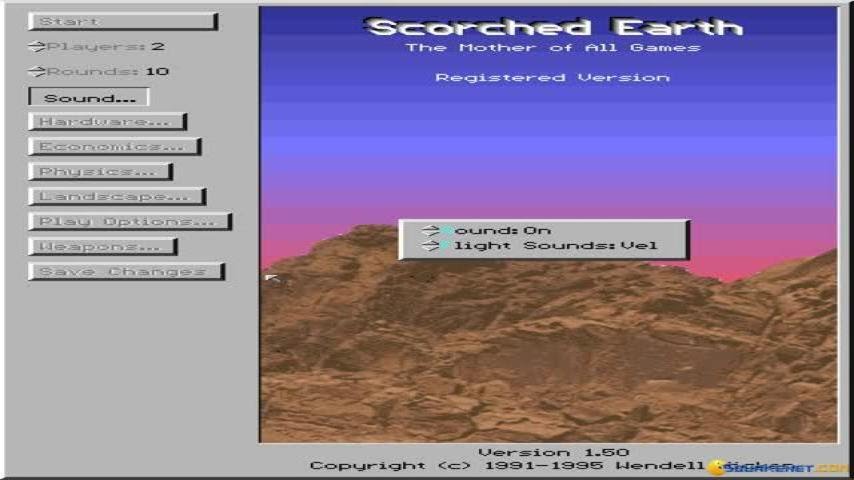
Scorched Earth
"The Mother of All Games"—a turn-based artillery tank battler where physics, wind, and an absurd weapon shop turned a single shared keyboard into hours of hot-seat chaos and sudden laughter.

Zoo Tycoon
Build the exhibits, hire the keepers, keep the guests happy — and then, inevitably, delete the lion fence just to see what happens. Zoo Tycoon was the zoo-management sim on every family PC and school computer lab in the early 2000s, and everyone who played it broke it on purpose at least once.