Power Glove

The NES controller you wore on your arm — futuristic on the commercial, nearly unplayable in the living room. It got the greatest product placement line in movie history: "I love the Power Glove. It's so bad." Somehow both a punchline and the coolest thing any kid had ever seen.
The Power Glove arrived in October 1989 from Mattel in North America (PAX in Japan), a $75 attempt to put genuine virtual-reality tech on a kid's arm. It was designed by Grant Goddard and Samuel Cooper Davis for Abrams/Gentile Entertainment, adapting technology from the VPL DataGlove — serious research hardware developed by Thomas Zimmerman and VR pioneer Jaron Lanier. The consumer version tracked hand position with ultrasonic transmitters and read finger bends through conductive-ink sensors, and players punched in numbered program codes on the forearm pad to configure it for different games.
Nintendo mania did the rest. The glove got its legend cemented by The Wizard (1989), where the antagonist Lucas Barton delivers the immortal line — "I love the Power Glove. It's so bad" — and it sold nearly one million units. But the reality on the carpet was flailing: the controls were imprecise, the signal dropped whenever your arm drifted, and only two games were ever built specifically for it, the maze game Super Glove Ball and the beat 'em up Bad Street Brawler. Most kids ended up using their gloved hand to press the regular buttons mounted on the wrist.
It was discontinued in 1990, barely a year after launch, and completed one of the great arcs in toy history: from must-have Christmas gadget to shorthand for overhyped tech to genuinely beloved icon. The Wizard's line flipped from advertising to epitaph, and the Power Glove settled into its permanent role — the object every 90s kid remembers wanting far more than using.
Similar items
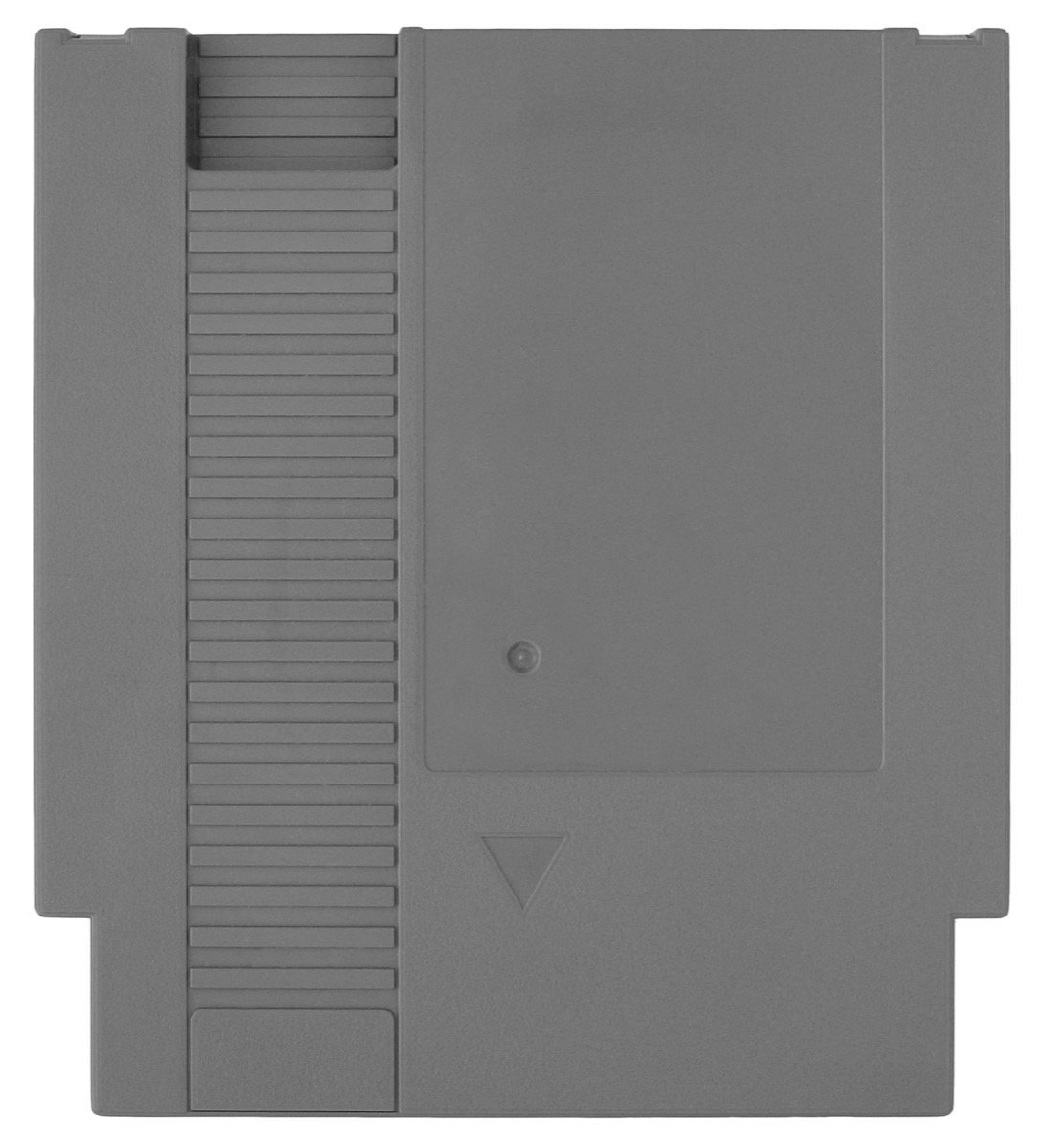
Blowing Into Cartridges
The universal remedy for a glitching NES, SNES, or N64 game: pull the cartridge, blow hard across the contacts, and pray. It never actually worked—the real fix was just reseating the cart—but the ritual of blowing was so universal that every gamer swore by it, confirmation bias at its finest.

Nintendo Virtual Boy
Nintendo's red-and-black 3D machine that sat on a table and asked you to press your face into it. It was on sale in Japan for about five months and in America for about a year, and it is the lowest-selling standalone console Nintendo ever put its name on. Everyone remembers the demo unit at the toy store, and everyone remembers the headache.

Super Nintendo (SNES)
Nintendo's 16-bit powerhouse that dominated the early 1990s and fought the Sega Genesis for console supremacy. Launched in North America at $199 in August 1991, it came packed with Super Mario World and helped define a generation of gaming with over 49 million units sold worldwide.

N64 Rumble Pak
The plastic cartridge that made you feel explosions in your palms. Nintendo's rumble accessory turned a memory-card slot into a motor, powered by batteries, and changed what players expected from their hardware.