Nine Inch Nails

Trent Reznor's one-man industrial-rock project that put "Head Like a Hole" on MTV, rented the Manson murder house to make The Downward Spiral, and played Woodstock '94 caked in mud. Nine Inch Nails made the mid-90s loud, bleak and strangely catchy, and the censored "Closer" became one of the decade's signature singles.
Trent Reznor formed Nine Inch Nails in Cleveland in 1988 and stayed its only permanent member until Atticus Ross joined in 2016. Pretty Hate Machine (1989), on the independent TVT label, was written, arranged and performed by Reznor alone, with "Head Like a Hole," "Down in It" and "Sin" as singles; it spent more than two years on the Billboard 200 and became one of the first independently released records to go platinum. The "Down in It" video, which implied Reznor's character had fallen to his death, drew the attention of the FBI, and when the band was asked which TV show it wanted to appear on, it jokingly named Dance Party USA and got booked. A touring band opened for Peter Murphy and the Jesus and Mary Chain in 1990, Reznor smashing his equipment on stage, and played the first Lollapalooza in 1991.
A feud with TVT drove Reznor to record the Broken EP in secret under pseudonyms before Interscope took over the contract and let him found Nothing Records. From July 1992 he rented 10050 Cielo Drive, the Los Angeles house where the Manson family murdered Sharon Tate, for $11,000 a month, named it "Le Pig," and finished Broken and made The Downward Spiral there. Broken reached the top ten and won two Grammys, for "Wish" and for the Woodstock '94 performance of "Happiness in Slavery," whose video was banned almost everywhere. The Downward Spiral entered the Billboard 200 at number two in 1994 and went quadruple platinum in the United States. Mark Romanek's video for "Closer," with its monkey tied to a cross and Reznor in an S&M mask swinging in shackles, ran on MTV only in a heavily censored cut, and the Self Destruct tour put the band in corn-starch-smeared rags at Woodstock '94, a mud-soaked set seen on pay-per-view in up to 24 million homes, with Marilyn Manson among the opening acts.
Time named Reznor one of 1997's most influential people, and Spin called him "the most vital artist in music." The Fragile, a double album, took five years and debuted at number one in September 1999, then fell to number 16 the next week, a record drop at the time; Reznor paid for the North American tour himself. An overdose in London in June 2000 sent him to rehab. When Johnny Cash covered "Hurt" in 2002, Reznor said the song "isn't mine anymore." Nine Inch Nails has sold more than 20 million records and entered the Rock and Roll Hall of Fame in 2020, inducted by Iggy Pop.
Similar items

Garbage
Three Madison, Wisconsin, producers, one Scottish singer, and the bad-mood pop that MTV could not stop playing. Garbage's "Only Happy When It Rains" and "Stupid Girl" made Shirley Manson the alt-rock frontwoman of 1996, Version 2.0 went to number one in Britain, and they even sang a Bond theme.
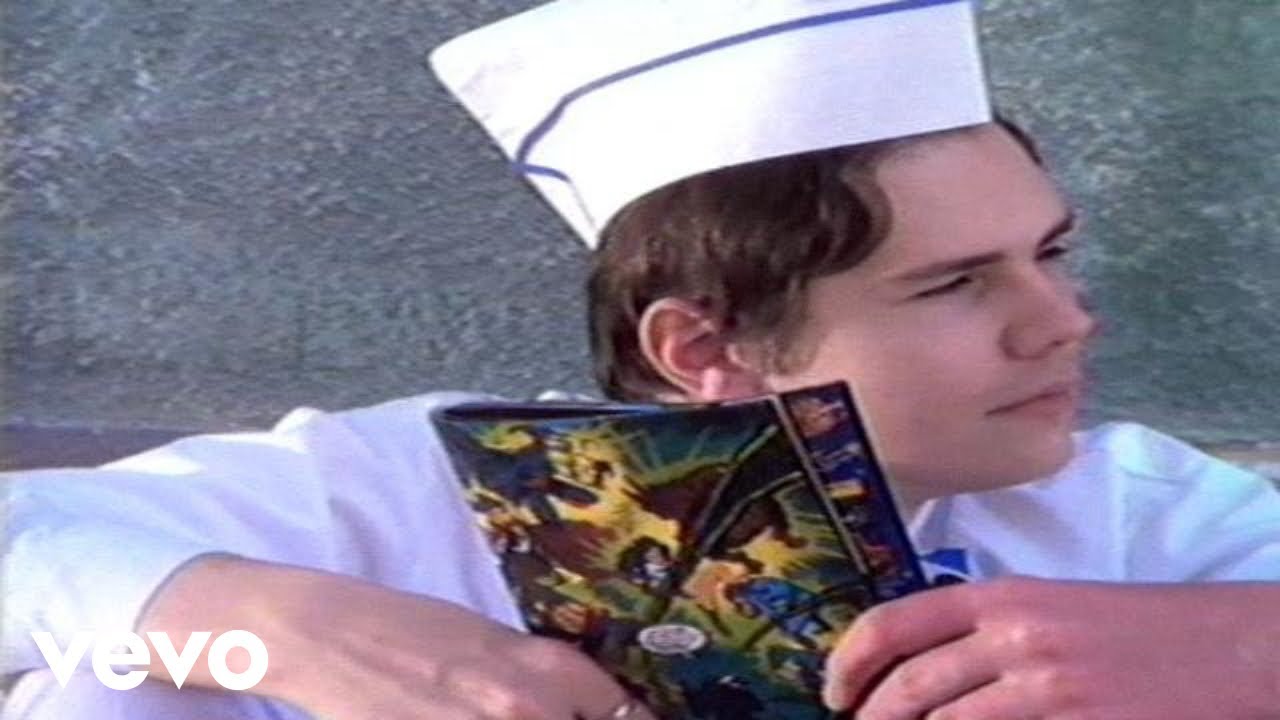
The Smashing Pumpkins
Billy Corgan's Chicago four-piece: shaved head, a black ZERO shirt, and a voice that could go from a whisper to a howl inside one bar. Between Gish and Machina they were a defining act of 90s alternative rock — a #1 double album, two Grammys, and seven VMAs in a single night — and then they ended it themselves, on stage at the same Chicago club where they'd started.
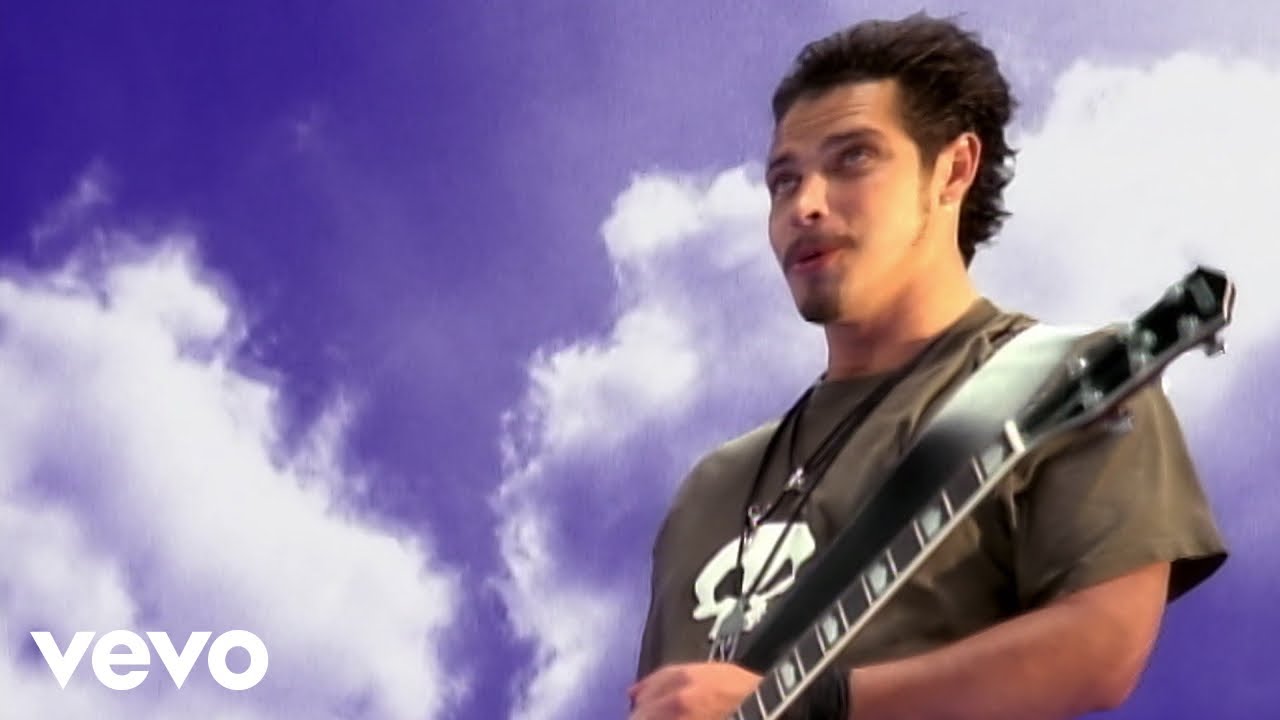
Soundgarden
Seattle's heaviest export: Chris Cornell's wail over Kim Thayil's detuned riffs, years before anyone said "grunge." Soundgarden signed to a major label first, hit number one with Superunknown in 1994, and turned "Black Hole Sun" into the melting-suburbia video every 90s kid remembers.
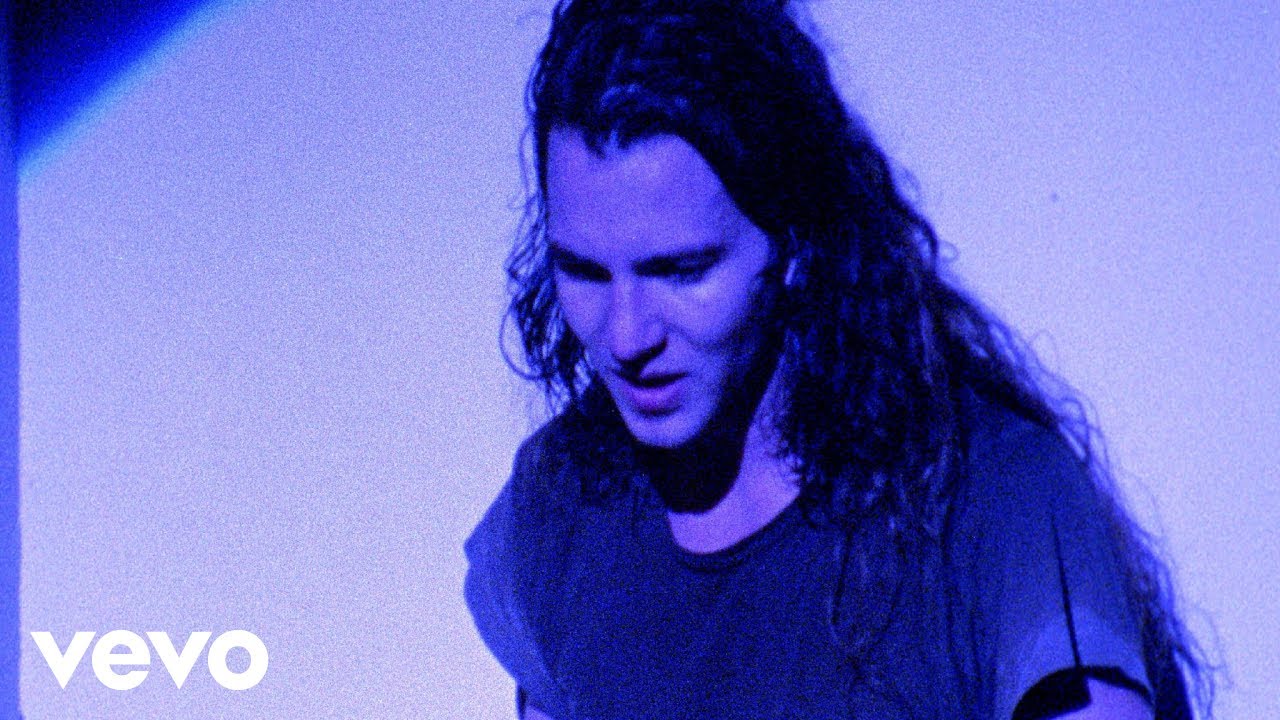
Pearl Jam
Seattle's other grunge titans: Eddie Vedder's baritone over the anthems of Ten, then a career spent actively refusing rock stardom — no more music videos, few interviews, and a one-band war against Ticketmaster.