Soundgarden
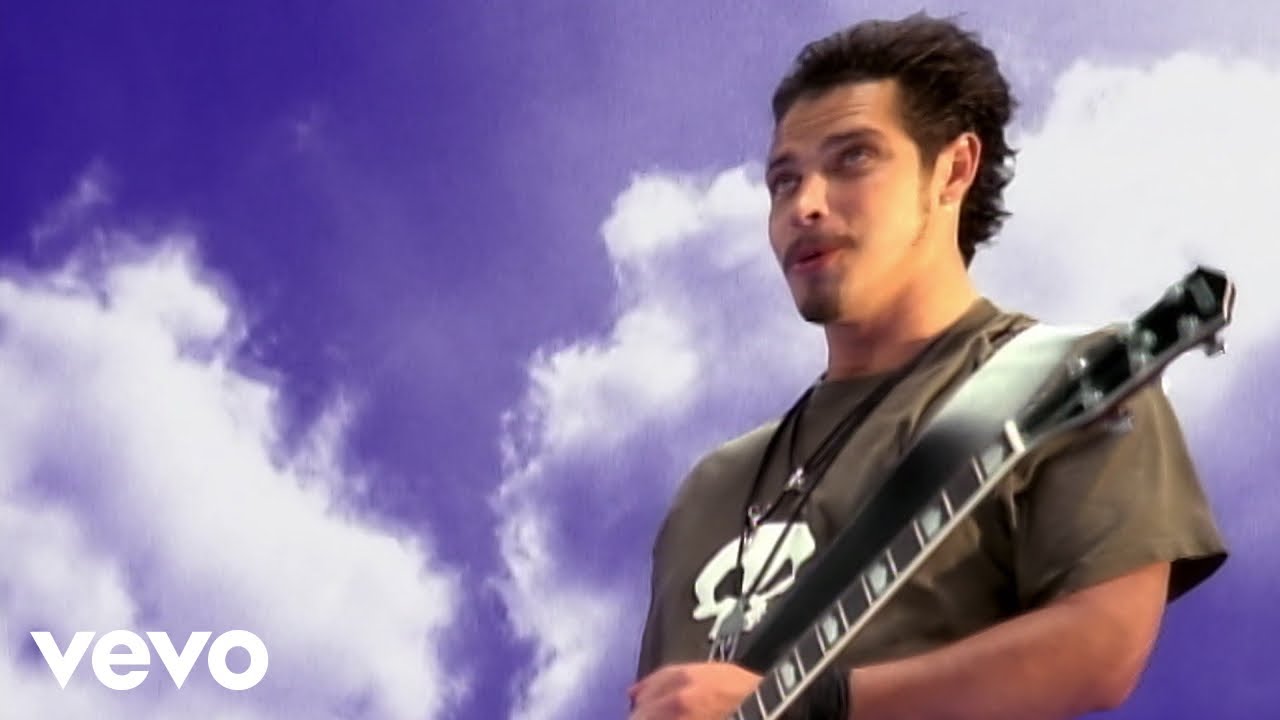
Seattle's heaviest export: Chris Cornell's wail over Kim Thayil's detuned riffs, years before anyone said "grunge." Soundgarden signed to a major label first, hit number one with Superunknown in 1994, and turned "Black Hole Sun" into the melting-suburbia video every 90s kid remembers.
Soundgarden formed in Seattle in 1984, with Chris Cornell singing from behind the drum kit, Kim Thayil on guitar and Hiro Yamamoto on bass, and took their name from A Sound Garden, a wind-channeling pipe sculpture on federal land beside Magnuson Park. Jonathan Poneman's $20,000 to fund their Sub Pop records is what turned that imprint into a real label, and after Ultramega OK on SST in 1988 they became the first grunge band on a major, A&M. Louder Than Love, in 1989, was the first grunge album to reach the Billboard 200, at number 108. Yamamoto left, and by 1990 Ben Shepherd had the bass.
Badmotorfinger, in October 1991, was the breakthrough that Nirvana's Nevermind immediately overshadowed and then, by dragging the world to Seattle, helped along. MTV banned the "Jesus Christ Pose" video, the band got death threats in Britain, and "Outshined" and "Rusty Cage" put them on the road opening for Guns N' Roses, which Cornell said "wasn't a whole lot of fun going out in front of 40,000 people for 35 minutes every day."
Superunknown, released March 8, 1994, debuted at number one. Cornell wrote "Black Hole Sun" in about fifteen minutes, thinking, he said, that the band wouldn't like it — "then it became the biggest hit of the summer." It spent seven weeks atop the Album Rock chart. Howard Greenhalgh's video, a suburb of grinning, stretched faces swallowed by a sun turning into a black hole, won the Best Metal/Hard Rock Video VMA. The 1995 Grammys went to "Black Hole Sun" and "Spoonman," and the album eventually went six times platinum.
Down on the Upside, self-produced and lighter, came in May 1996, followed by Lollapalooza at Metallica's insistence and a world tour that wore them down. At the last stop, in Honolulu on February 9, 1997, Shepherd threw his bass in the air and walked off; on April 9 the band announced it was over. Cameron later said they were "eaten up by the business." They reunited in 2010 and made King Animal in 2012, the last album of Cornell's life; he died in Detroit in May 2017, on the night of a Soundgarden show. The band entered the Rock and Roll Hall of Fame in 2025. Shepherd's own summary: "We never were grunge, we were just a band from Seattle."
Similar items
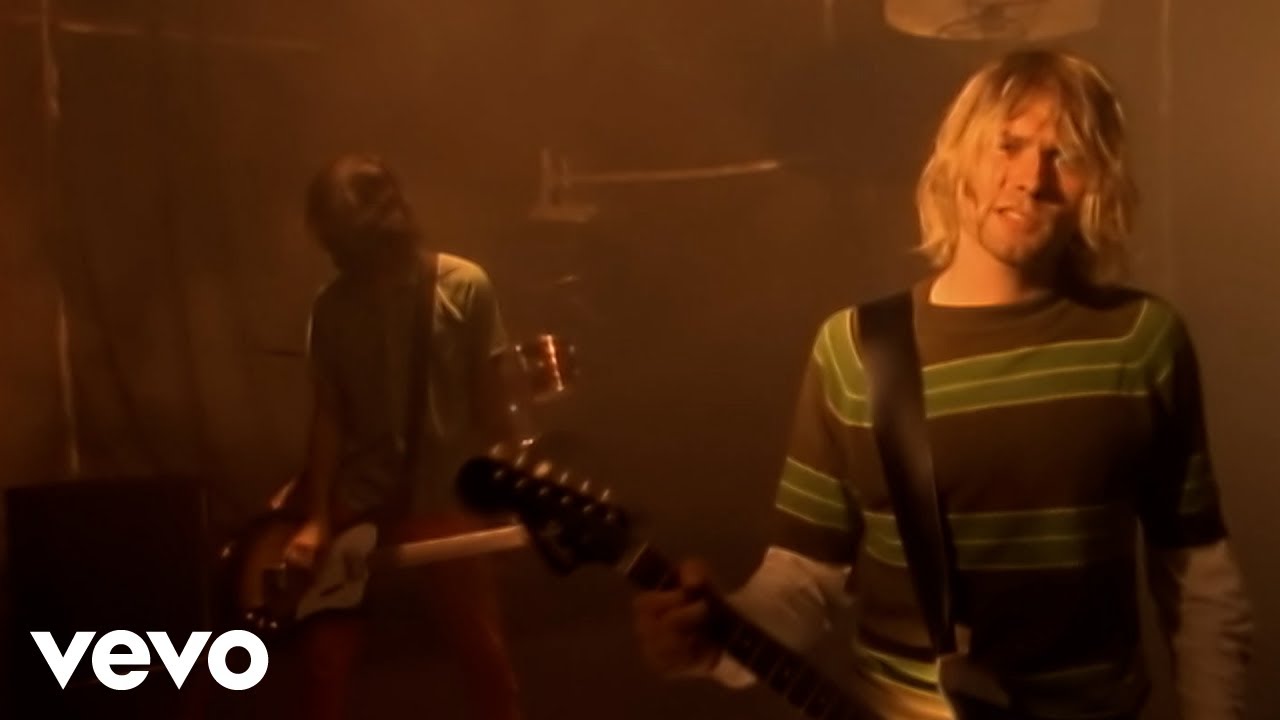
Nirvana
Kurt Cobain, Krist Novoselic, and Dave Grohl didn't invent grunge—but their 1991 album Nevermind accidentally blew it up worldwide, displacing Michael Jackson from #1 and making flannel shirts and angst the uniform of the decade.
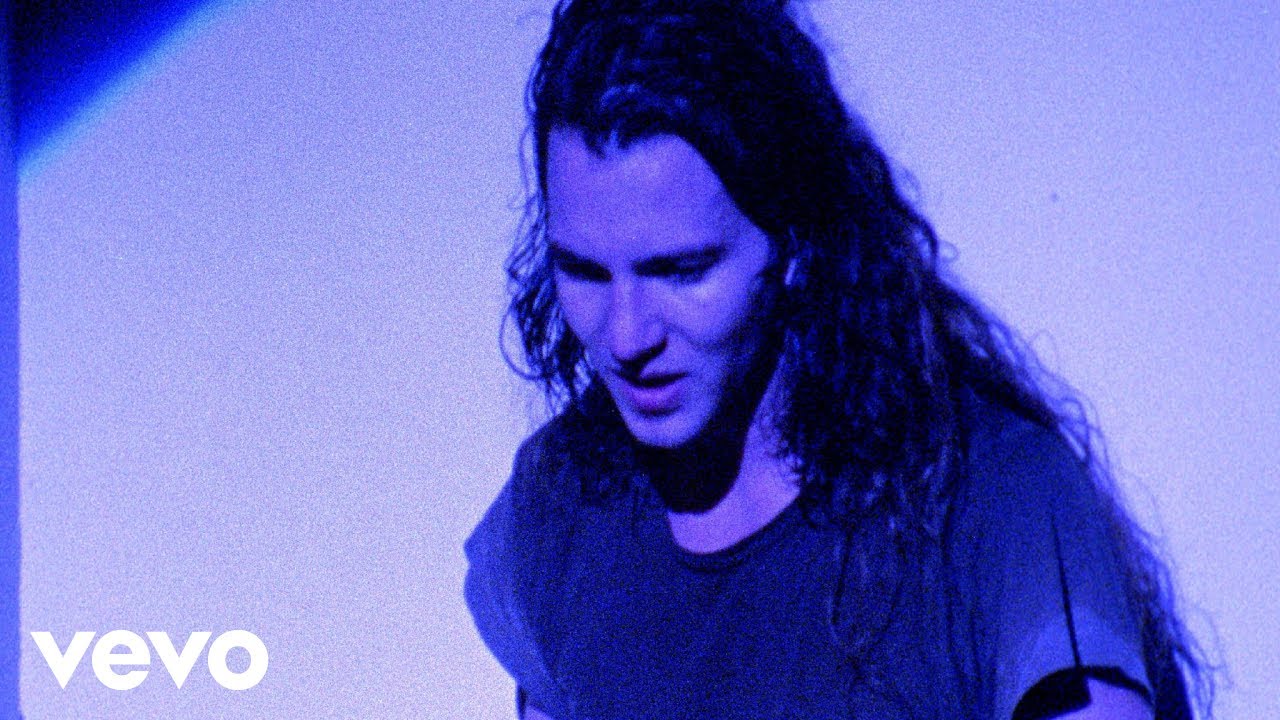
Pearl Jam
Seattle's other grunge titans: Eddie Vedder's baritone over the anthems of Ten, then a career spent actively refusing rock stardom — no more music videos, few interviews, and a one-band war against Ticketmaster.

Nine Inch Nails
Trent Reznor's one-man industrial-rock project that put "Head Like a Hole" on MTV, rented the Manson murder house to make The Downward Spiral, and played Woodstock '94 caked in mud. Nine Inch Nails made the mid-90s loud, bleak and strangely catchy, and the censored "Closer" became one of the decade's signature singles.
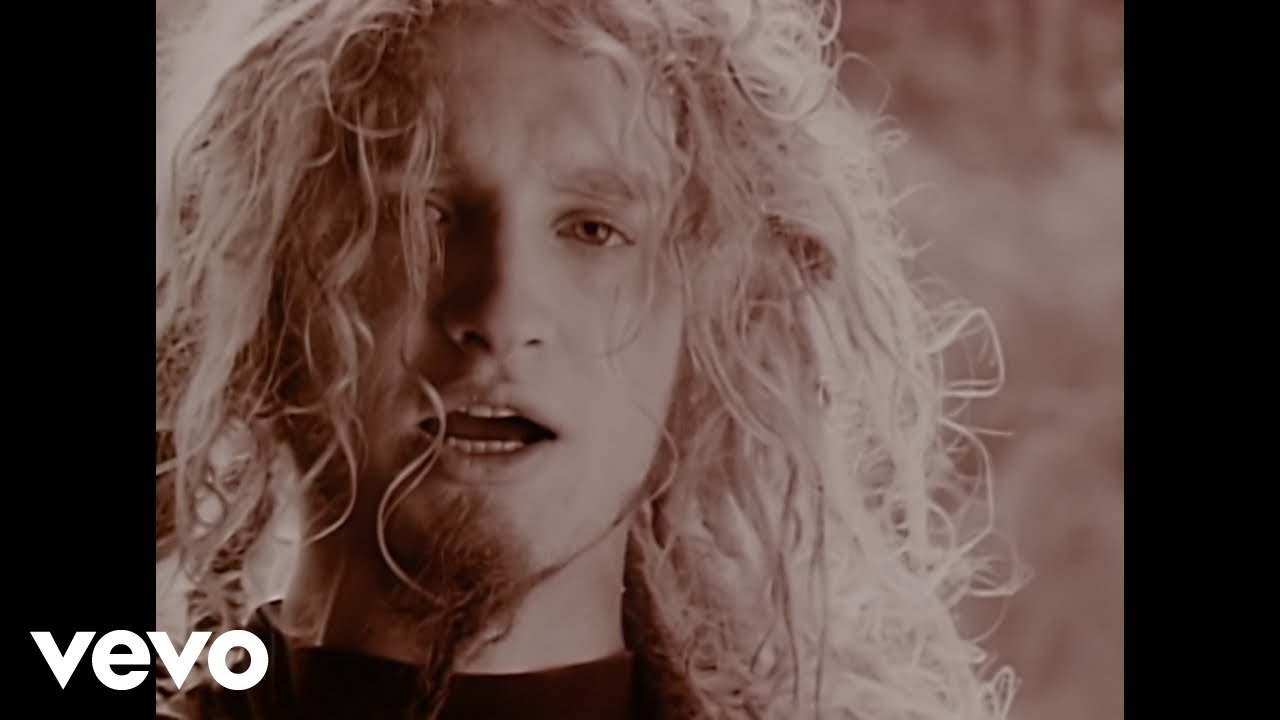
Alice in Chains
The Seattle band whose "Man in the Box" broke through on MTV with a talk-box guitar and a wordless howl. Rooted in heavy metal and built on Layne Staley and Jerry Cantrell's eerie harmonies, they were one of the darkest bands of the grunge boom. In 1994 their Jar of Flies became the first EP ever to debut at No. 1.