The Smashing Pumpkins
Billy Corgan's Chicago four-piece: shaved head, a black ZERO shirt, and a voice that could go from a whisper to a howl inside one bar. Between Gish and Machina they were a defining act of 90s alternative rock — a #1 double album, two Grammys, and seven VMAs in a single night — and then they ended it themselves, on stage at the same Chicago club where they'd started.
The Smashing Pumpkins began in Chicago in 1988 as Billy Corgan and James Iha playing to a drum machine — that lineup's first gig, in July, was at a Polish bar called Chicago 21. By October they had D'arcy Wretzky on bass and Jimmy Chamberlin on drums, and on the fifth the complete four-piece took a stage for the first time, at a club called the Metro. Remember the Metro. Their debut, Gish, arrived on 28 May 1991 on the independent Caroline Records. It only reached #195 on the Billboard 200, but it sold a hundred thousand copies in under a year, which for an indie release in 1991 was a genuine event.
Siamese Dream broke them. Released 27 July 1993, it hit #10 and went on to RIAA quadruple platinum, carrying "Today," "Disarm," and "Cherub Rock" and earning the band its first Grammy nominations. "Disarm" was kept off the BBC's Top of the Pops over the line "cut that little child."
Then came the maximalist swing. Mellon Collie and the Infinite Sadness, released in October 1995, was a real double album — two discs, 28 tracks — and it debuted at #1. The band pulled seven Grammy nominations in 1997 alone, including Album of the Year, and won Best Hard Rock Performance for "Bullet with Butterfly Wings." At the 1996 VMAs they took seven awards in a single night — six for the "Tonight, Tonight" video, Video of the Year among them, plus Best Alternative Video for "1979." And Corgan spent the tour shaven-headed in a black shirt reading ZERO — by the band's own account an original design, one of a handful of shirts made by hand for the Mellon Collie era.
The peak and the damage arrived together. On 12 July 1996, during the Mellon Collie tour, touring keyboardist Jonathan Melvoin was found dead in a Manhattan hotel at 34; the city medical examiner ruled the cause acute intoxication from the combined effects of alcohol and opiates. Chamberlin was present, survived, and was charged with misdemeanor possession. The band fired him days later. They finished the tour with a replacement drummer, and the group that had just conquered 1996 never quite reassembled itself.
A second Grammy came in 1998, again for Best Hard Rock Performance, this time for "The End Is the Beginning Is the End." Adore arrived the same year, quieter and stranger, and brought another nomination; Machina/The Machines of God followed in 2000. On 23 May 2000, Corgan announced the band's breakup live on the radio, telling KROQ they were done "fighting the good fight against the Britneys of the world" — a line that dates the moment perfectly. The farewell came on 2 December 2000 at the Metro — the same club where the four of them had first played together twelve years earlier: 35 songs, four and a half hours, and a circle closed. Corgan has toured under the name again since, but the band that belongs to the 90s stopped that night.
Similar items

Smashing Pumpkins — Mellon Collie and the Infinite Sadness
Billy Corgan's double-album magnum opus: 28 tracks, two discs, infinite sadness. Mellon Collie debuted at #1 on the Billboard 200 (their only chart-topper), spawned multiple MTV staples, and won a Grammy for 'Bullet with Butterfly Wings'—the song that distilled 90s ennui into one howled line: 'Despite all my rage, I am still just a rat in a cage.'

Weezer
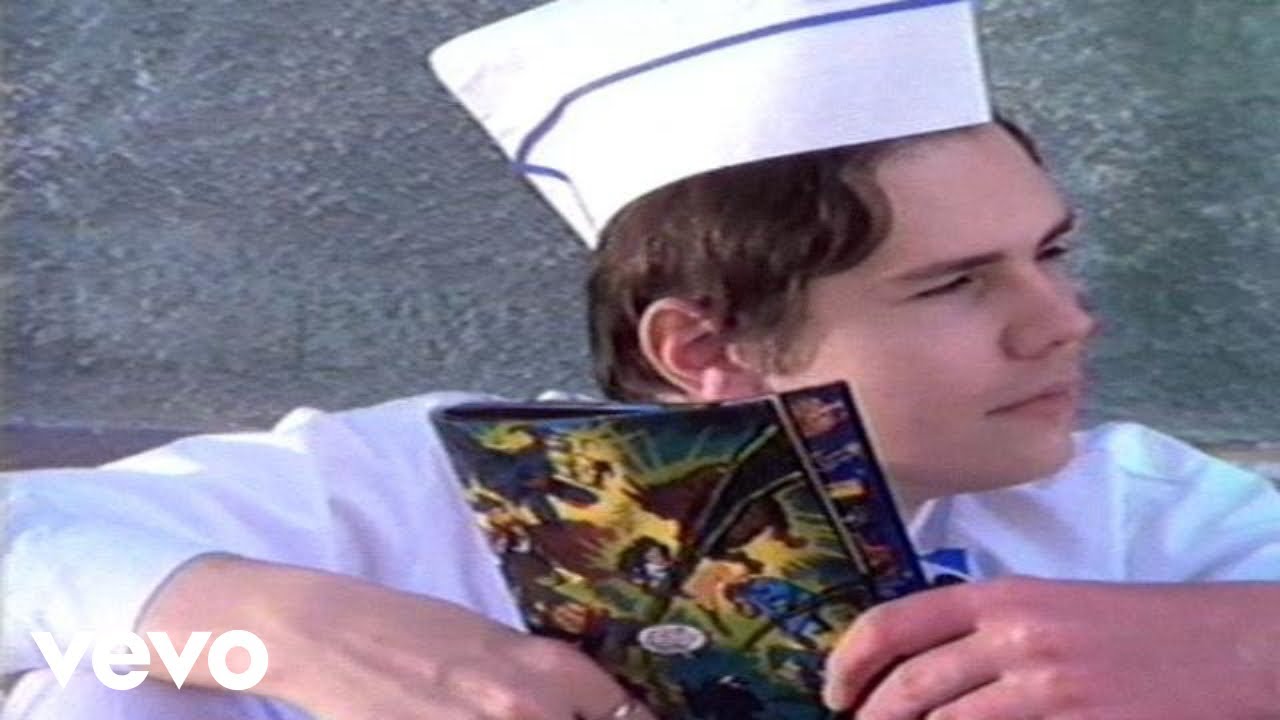
The Los Angeles band that made being a nerd sound like the coolest thing in the world. The 1994 "Blue Album" and its Spike Jonze videos — the Happy Days-themed "Buddy Holly" chief among them — turned Rivers Cuomo's sweater-clad geek-rock into a generational touchstone.
![Video thumbnail — Third Eye Blind - Jumper (Official Music Video) [HD]](https://i.ytimg.com/vi/gRYZijLZR-Q/maxresdefault.jpg)
Third Eye Blind
Stephan Jenkins' San Francisco hit machine: one self-titled 1997 debut that just would not stop producing singles — "Semi-Charmed Life," "Jumper," "How's It Going to Be," "Graduate" — all sunshine on the surface and something much darker underneath.
Pearl Jam
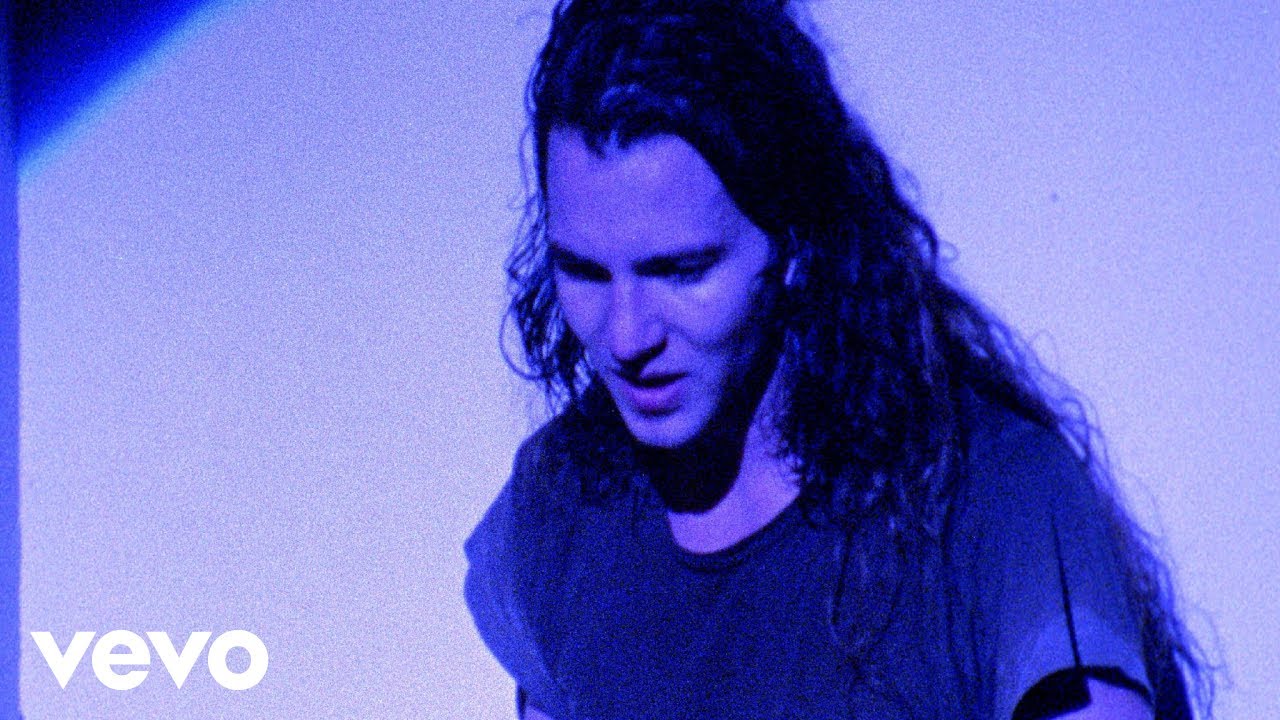
Seattle's other grunge titans: Eddie Vedder's baritone over the anthems of Ten, then a career spent actively refusing rock stardom — no more music videos, few interviews, and a one-band war against Ticketmaster.