Mavis Beacon Teaches Typing

The serene woman on the box taught a whole generation home-row discipline in school computer labs, one timed words-per-minute drill at a time. The twist nobody suspected: Mavis Beacon isn't a real person, and never was.
Mavis Beacon Teaches Typing arrived in late 1987 from The Software Toolworks, built by programmers Norm Worthington, Walt Bilofsky and Mike Duffy, with co-founder (and former talk-show host) Les Crane shaping the character's persona. The name was an invention: "Mavis" borrowed from Mavis Staples, lead vocalist of the Staple Singers, and "Beacon" chosen for its connotation of guidance and light. Through the 90s and 2000s it became the default typing curriculum of the school computer lab — timed drills, accuracy percentages, and typing games doled out under the gaze of the poised instructor on the box.
That instructor was Renée L'Espérance, a Haitian-born model who was paid a $500 flat fee for the photo session — no royalties, no profit share, no involvement in the software — while her face sold the program through edition after edition. By 1999 the series had passed six million copies, and plenty of adults were startled to learn their typing teacher was a marketing invention; as one headline put it, "Next They'll Say Betty Crocker Isn't Real, Either."
The brand outlived its parent companies and still ships today, but its second life is as a cultural artifact: the 2024 documentary Seeking Mavis Beacon, which premiered at Sundance, followed two young investigators tracing what became of L'Espérance — the vanished real face behind software's most famous fictional teacher.
Similar items
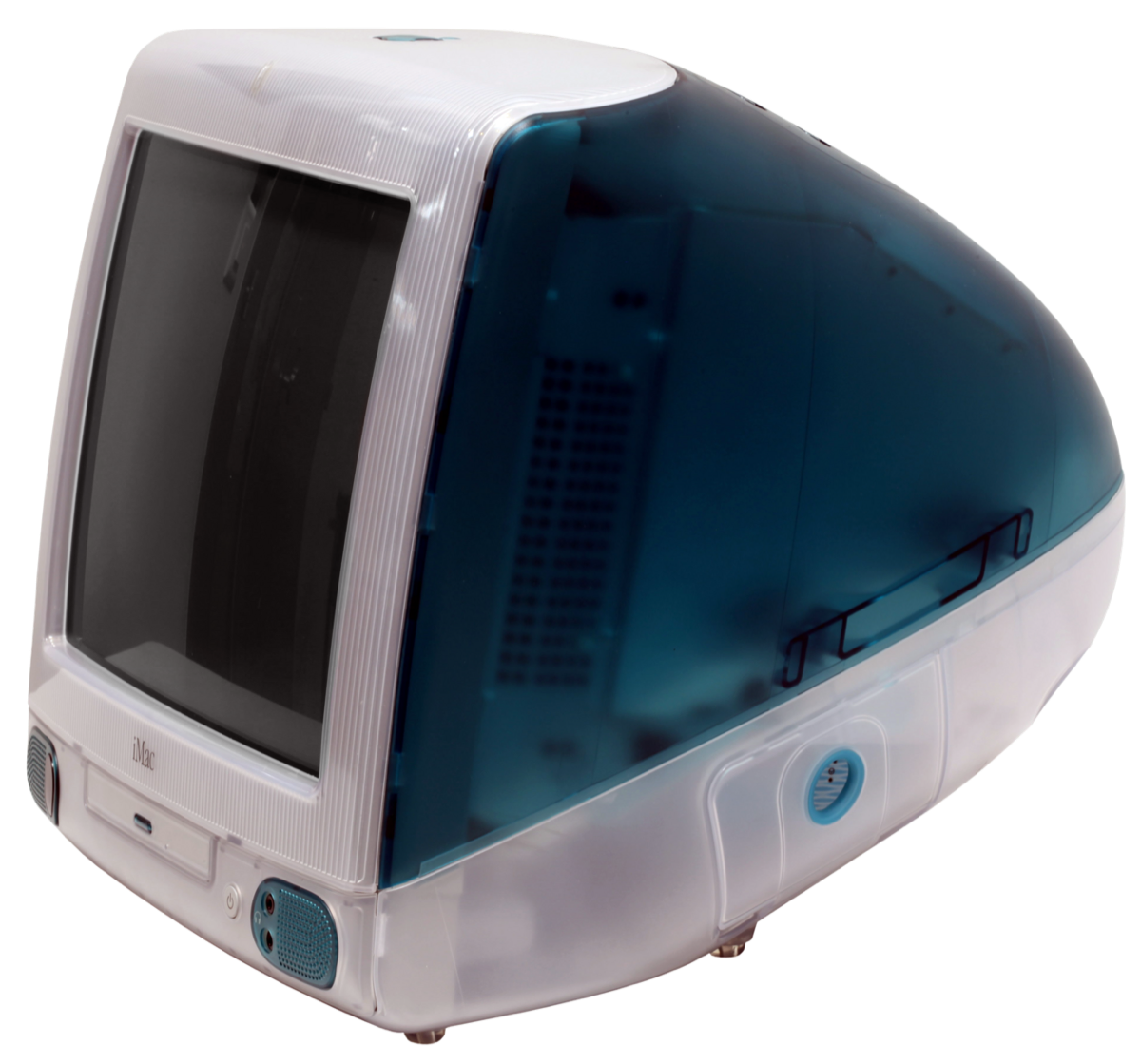
Computer Lab
The weekly pilgrimage down the hall to the room full of beige Apple computers, where you'd slot in a floppy disk, wait, and take turns dying of dysentery on the Oregon Trail. "Computer Day" was equal parts educational software and the first place a lot of kids ever touched a keyboard.

The Oregon Trail
The computer-lab game that taught westward expansion through dysentery and desperation. Every 90s kid named their wagon party after friends, overhunted buffalo, gambled on river crossings, and died of unexpected causes while technically learning American history.

Windows Solitaire
The Klondike card game that shipped with virtually every Windows PC — and quietly taught a generation how to use a mouse. The real reward was winning: the whole deck cascading off the stacks and bouncing across the screen.

Funbrain
The educational-games website that teachers actually let you play during computer lab and indoor recess. Funbrain was the golden ticket: games disguised as learning, enough fun to feel like cheating the system, legitimate enough that authority figures signed off.