Funbrain

The educational-games website that teachers actually let you play during computer lab and indoor recess. Funbrain was the golden ticket: games disguised as learning, enough fun to feel like cheating the system, legitimate enough that authority figures signed off.
Funbrain launched in 1997—the funbrain.com domain was registered in June 1997—as an educational-games site built on a premise: learning didn't have to bore you to death. The site grew into computer-lab and indoor-recess canon, the place where math and grammar felt like you were gaming rather than studying. Signature games like Math Baseball and Grammar Gorillas became as familiar to millennial kids as the Windows log-in screen. By 2000 its traffic had climbed from 20 to 35 million monthly page views, and FamilyEducation Network bought the site—a cultural institution hiding behind didactic purpose.
Funbrain's strangest legacy is a book that was never supposed to be on a bookshelf. Jeff Kinney serialized Diary of a Wimpy Kid on the site starting in 2004, free to read, three years before April 2007 when the print book became a phenomenon. That online version stayed live on Funbrain until August 2021, a quiet monument to the site's heyday. Funbrain itself is still running today, though its moment—the 2000s school computer lab where a kid could zone out on Math Baseball for twenty minutes—has passed. The site outlived the era it defined.
Similar items

Poptropica
The browser game that ate every school computer lab: you made a round-headed avatar and traveled island to island, solving story quests and puzzles. It was created by Jeff Kinney, who was just becoming famous as the author of Diary of a Wimpy Kid.

Diary of a Wimpy Kid
Middle-schooler Greg Heffley's hand-lettered diary, drawn in stick figures, became the book that made reluctant readers into readers. Every school library's most dog-eared spine.
Cool Math Games
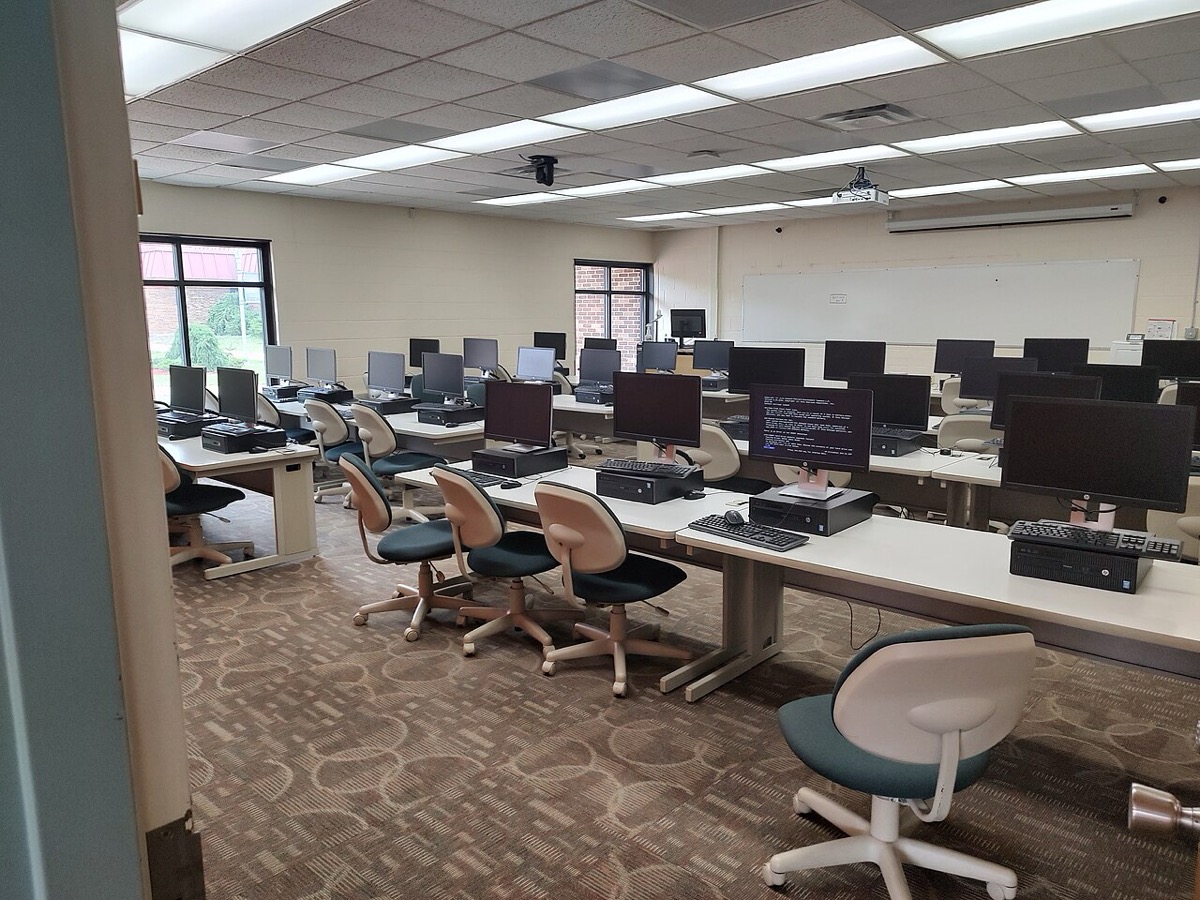
The web filter loophole that became a school institution. Cool Math Games' "math" branding kept it off the blocked-site list while every other gaming site got nuked, making it the de facto arcade of every school computer lab in the mid-2000s.
Computer Lab
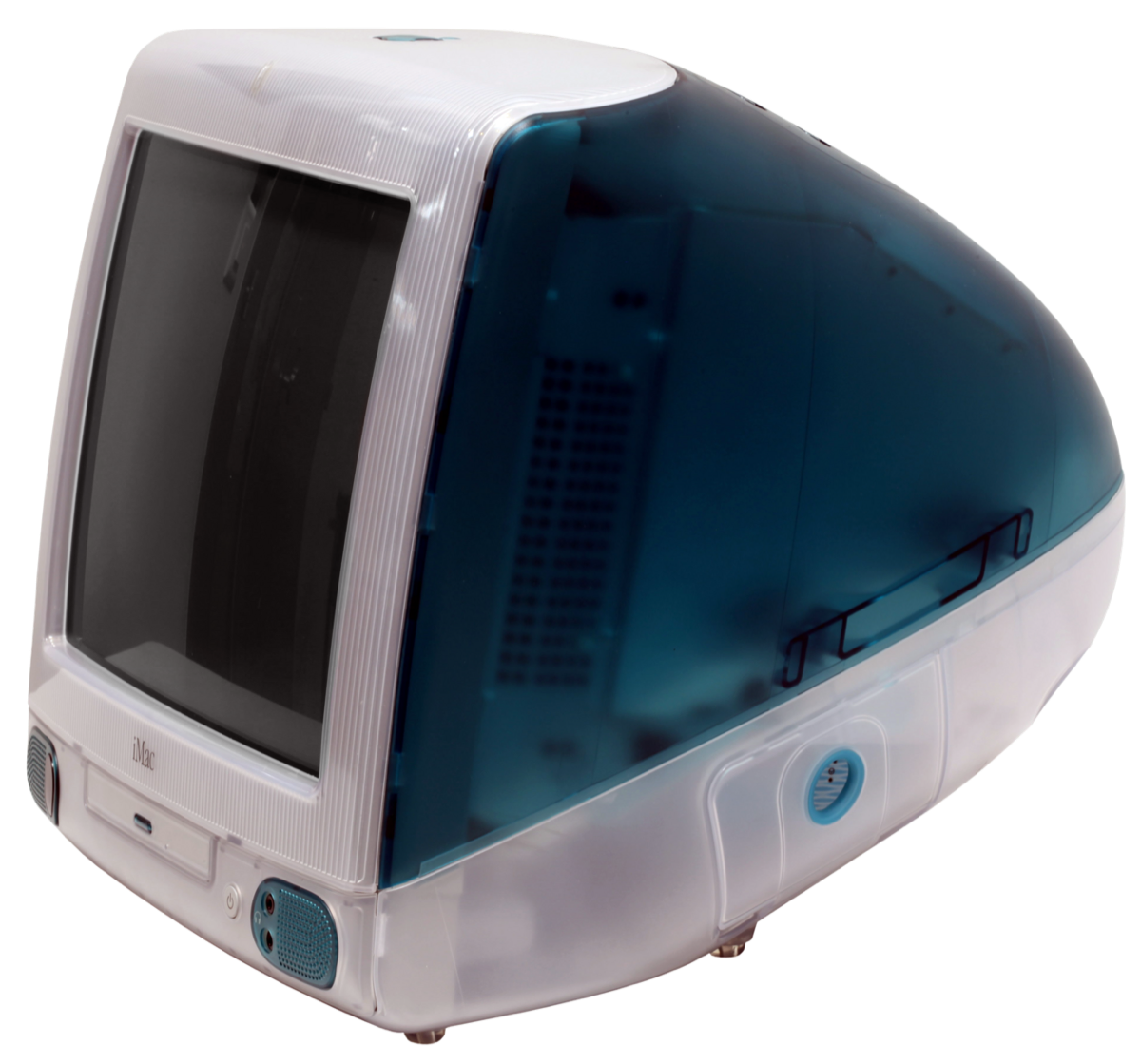
The weekly pilgrimage down the hall to the room full of beige Apple computers, where you'd slot in a floppy disk, wait, and take turns dying of dysentery on the Oregon Trail. "Computer Day" was equal parts educational software and the first place a lot of kids ever touched a keyboard.