Bill Nye the Science Guy
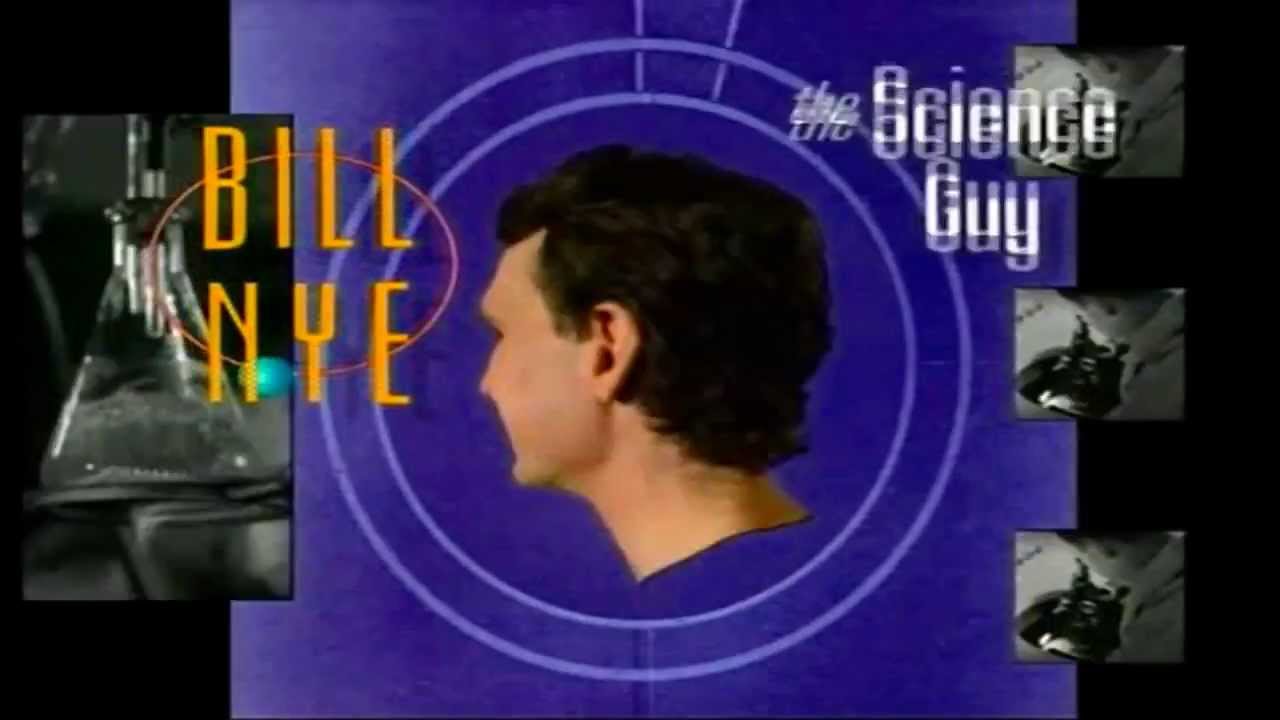
The beloved PBS/syndication science show that dominated classrooms throughout the '90s. Bill Nye, the bow-tie-wearing mechanical engineer-turned-science-communicator, made physics and chemistry accessible—and fun—with MTV-style energy, wild demonstrations, and an unforgettable theme song. Substitute teachers everywhere knew exactly what to do: wheel out the TV cart and press play. A cultural institution that made science cool before it was cool.
Bill Nye wasn't always the Science Guy. Before television, he was a mechanical engineer at Boeing in Seattle, working on the 747. His big break came not in an aerospace lab but on a Seattle sketch-comedy show called Almost Live!, where he first landed a role after winning a Steve Martin lookalike contest. That same show is where his "Science Guy" persona was born, a character so compelling that it eventually caught the attention of producers who saw something worth developing: a full series built entirely around the idea of making science kinetic, accessible, and genuinely entertaining.
Bill Nye the Science Guy premiered on September 10, 1993, and immediately found its distribution split across two very different spaces. The show aired in commercial syndication while also launching on PBS starting October 10, 1994—the same 100 episodes running on both platforms simultaneously over six seasons. Produced by the Seattle public television station KCTS and McKenna/Gottlieb Producers, then distributed nationally by Buena Vista Television, the series was funded in part by the National Science Foundation and the U.S. Department of Energy, organizations that understood the value of making science feel less like homework and more like a party. The format itself was deliberately frenetic: MTV-style quick cuts, parodies of music videos, live demonstrations of real science, and that iconic theme song's thundering "BILL! BILL! BILL!" chant over a house beat became the show's calling card.
The show's true power, though, wasn't in cable schedules or PBS time slots—it was the classroom TV cart. Every substitute teacher who ever rolled that gray cart to the back of the room knew: Bill Nye bought you time and kept the kids quiet. It wasn't mindless; students actually learned. Nye had somehow cracked the code of how to deliver real science to an audience raised on MTV and Nintendo, making it stick not through condescension but through sheer infectious energy. The show became a staple of '90s childhood, one of those things that feels inevitable in hindsight but was actually revolutionary at the time.
The industry noticed. Bill Nye the Science Guy won 19 Emmy Awards during its run, recognition that validated what audiences already knew: a science show could be both rigorous and raucous. Production wrapped in 1997, though new episodes continued airing into early 1999, when the series concluded on February 5.
After the show ended, Bill Nye became a fixture of popular science itself, serving as a public face for science literacy for decades to come. But for many, his legacy remains the show itself—those 100 episodes, that bowtie, and the unforgettable lesson that science could be loud, messy, joyful, and absolutely unmissable.
Similar items

The Magic School Bus
Ms. Frizzle's class rode the Magic School Bus into the bloodstream, through outer space, and into a volcano—all while learning science in four seasons of PBS's most unforgettable animated series. Lily Tomlin's fearless teacher and Bruce Degen's original illustrations made learning an adventure, and every kid left knowing 'Take chances, make mistakes, get messy!'
Computer Lab
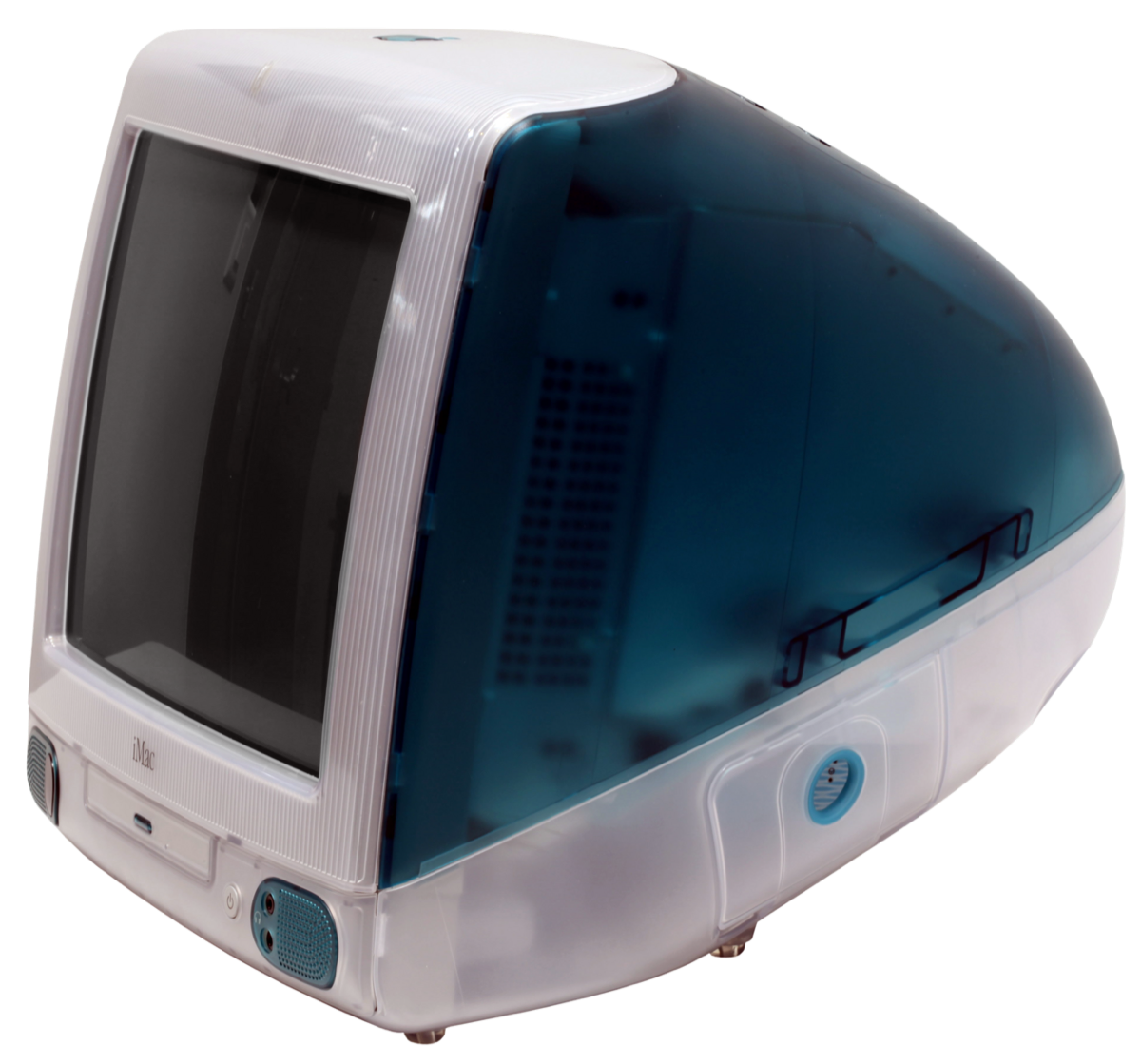
The weekly pilgrimage down the hall to the room full of beige Apple computers, where you'd slot in a floppy disk, wait, and take turns dying of dysentery on the Oregon Trail. "Computer Day" was equal parts educational software and the first place a lot of kids ever touched a keyboard.
The TV-Cart Day
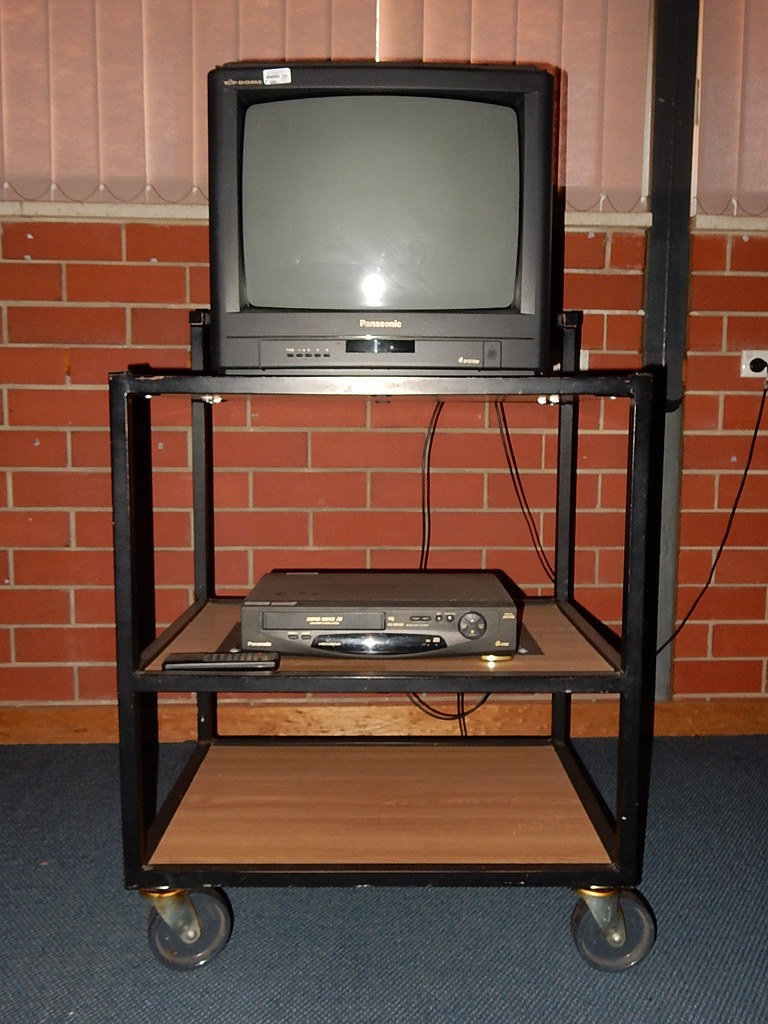
The squeak of wheels in the hallway, the tall metal cart nosing through the classroom door, the TV strapped on top with the VCR on the shelf below — and thirty kids realizing at the same instant that today was not a real school day. No object ever delivered better news than the TV cart.

Mister Rogers' Neighborhood
Fred Rogers walked in the door singing "Won't You Be My Neighbor?", traded his jacket for a cardigan and his shoes for blue sneakers, and for 33 years told children they were special exactly as they were. The Trolley to the Neighborhood of Make-Believe, the fish, the traffic light — it was television slowed to the speed of a child, and nothing else has ever felt quite like it.