Zip Disks

The chunky blue disk that held a then-unthinkable 100 megabytes — seventy floppies in one satisfying clunk. For a few years every graphic designer, computer lab, and serious computer household had an Iomega Zip drive, and every Zip owner lived in quiet fear of the Click of Death.
By the mid-90s the 1.44-megabyte floppy disk was drowning. Files had grown — images, desktop publishing documents, MP3s were coming — and the standard portable disk hadn't. Iomega's answer, announced in 1994 and shipping in 1995, was the Zip drive: a squat external drive selling for just under $200 with one cartridge included, taking rugged $20 cartridges that each held 100 megabytes and transferred data at speeds a floppy couldn't dream of. The pitch was irresistible: your whole hard drive's important stuff, in your backpack.
For a window of about five years, Zip was everywhere serious computing happened — the design studio sneakernet, the school computer lab, the family PC's backup plan. The disks had a distinctive heft and clunk that made saving work feel consequential, and Iomega chased the momentum with 250 MB and eventually 750 MB versions.
The fall came from two directions. One was self-inflicted: a failure mode in which a drive began rhythmically clicking and could destroy cartridges — infamous enough to earn the name 'Click of Death' and, in September 1998, a class-action lawsuit. The other was the market: recordable CDs got cheap, then USB flash drives arrived, then hard drives and broadband made carrying disks around feel antique. Zip sales declined steadily from 1999 to 2003, and Iomega wound the product down. What's left is sense memory — the spring-loaded eject, the disk's confident thunk — and drawers full of blue plastic squares holding senior-year projects nobody can open anymore.
Similar items

PalmPilot
A little gray slab that put your calendar, contacts, memos — and, let's be honest, games — in your pocket, years before smartphones. You wrote on it with a stylus in Graffiti, its own alphabet you had to learn stroke by stroke. For a while, it was the future.
Computer Lab
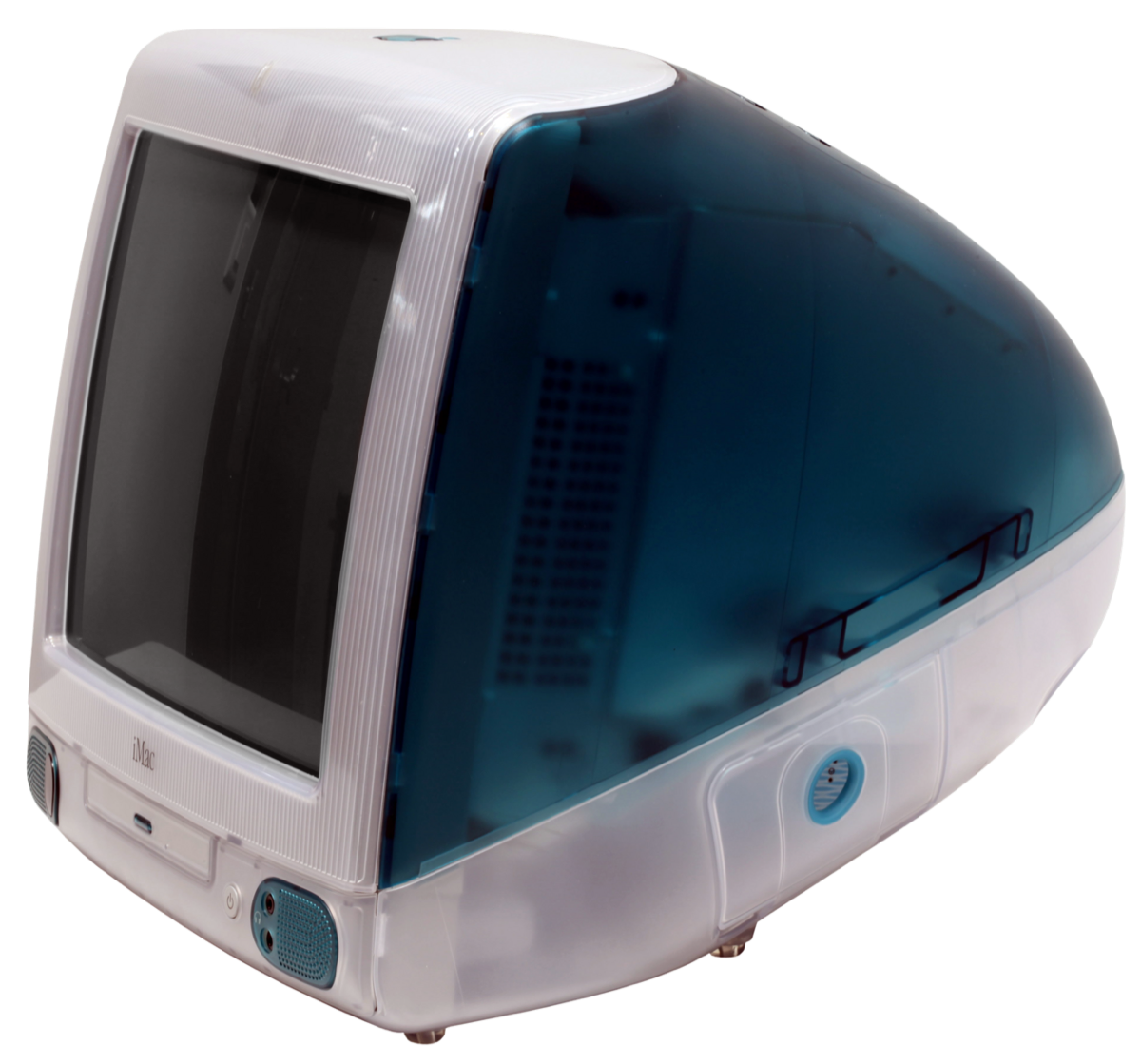
The weekly pilgrimage down the hall to the room full of beige Apple computers, where you'd slot in a floppy disk, wait, and take turns dying of dysentery on the Oregon Trail. "Computer Day" was equal parts educational software and the first place a lot of kids ever touched a keyboard.

Floppy Disks
IBM's 1971 invention, shrunk twice — to 5.25 inches, then 3.5 inches — until the 1.44 MB disk became the default on every 90s computer. That hard plastic shell with the sliding metal shutter, your homework labeled in marker, ferried between the school lab and home in a backpack pocket.
USB Flash Drives
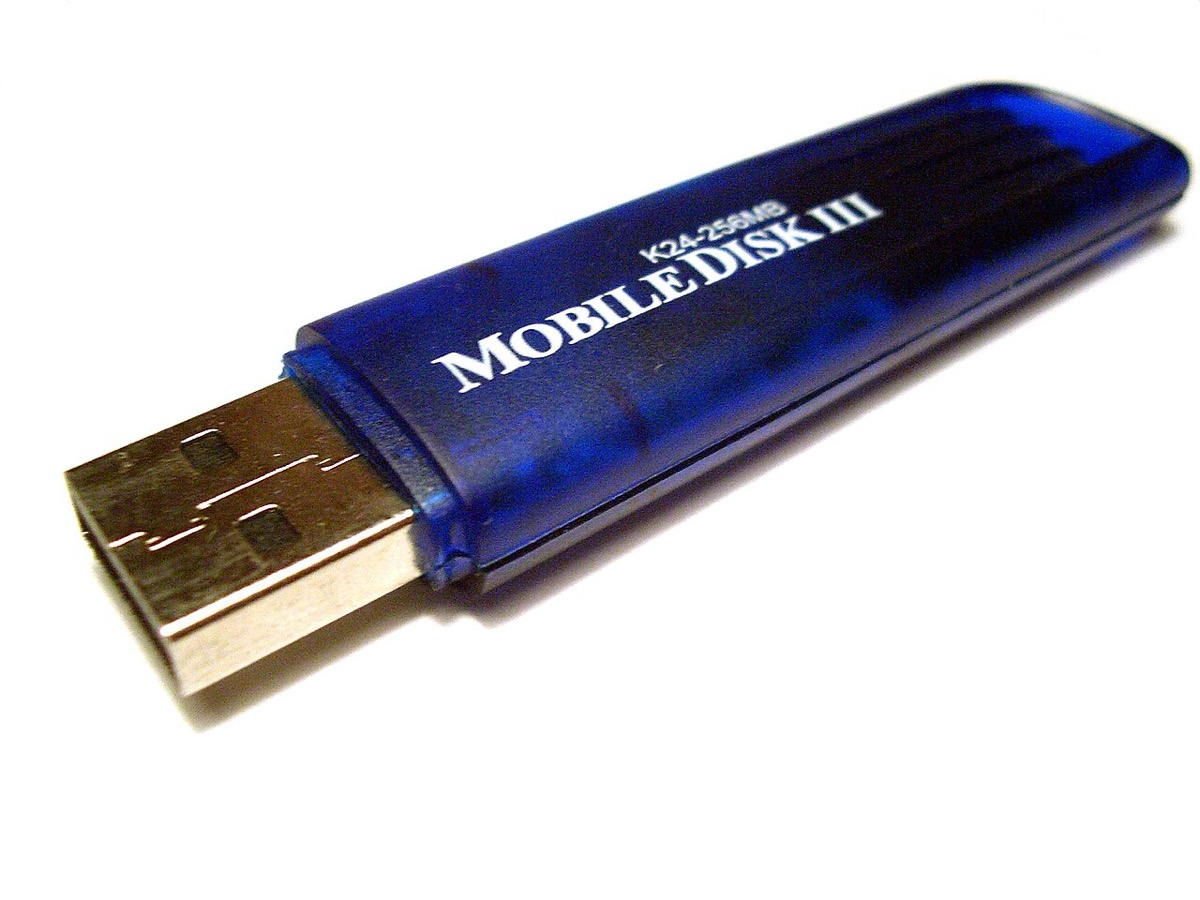
A stick the size of your thumb that held everything. By the mid-2000s, USB flash drives had killed the floppy disk, and everything moved on a lanyard: your homework, your music, your games. Losing one was a 2000s tragedy — the only copy of your essay, gone with the keychain.