Wu-Tang Clan

A nine-man crew out of Staten Island that came out swinging in 1993 with kung-fu samples, a logo you could draw on a desk, and a business plan other labels had turned down. Wu-Tang Clan's Enter the Wu-Tang (36 Chambers) rebuilt New York rap, the solo albums kept coming, and Wu Wear stores and Macy's racks proved the "W" was a brand.
Cousins Gary Grice and Robert Diggs had already been signed and dropped as solo acts by 1991 when, renamed GZA and RZA, they and their cousin Russell Jones, now Ol' Dirty Bastard, assembled a nine-man crew in Staten Island in late 1992 with Method Man, Raekwon, Ghostface Killah, Inspectah Deck, U-God and Masta Killa. RZA and Ghostface built its ethos out of kung-fu movies, Five-Percent Nation teachings and comic books, and the name came from the film Shaolin and Wu Tang. After the independent single "Protect Ya Neck," Loud/RCA accepted a condition other labels refused: every member could sign solo deals elsewhere.
Enter the Wu-Tang (36 Chambers), released November 9, 1993, and produced by RZA, sold 30,000 copies in its first week and peaked at number 41, then kept selling; it was platinum by 1995 and has since been named to the Library of Congress's National Recording Registry. "C.R.E.A.M.," short for Cash Rules Everything Around Me, paired Raekwon and Inspectah Deck over a Charmels sample with Method Man on the hook and reached only number 60 on the Hot 100 on its way to being called one of the greatest hip-hop songs ever. The solo plan worked: Method Man's Tical (1994) produced "All I Need," whose Mary J. Blige duet remix won a Grammy, and ODB's Return to the 36 Chambers, Raekwon's Only Built 4 Cuban Linx…, GZA's Liquid Swords and Ghostface's Ironman followed within two years. Oliver "Power" Grant's Wu Wear line opened four stores and reached Macy's, earning, by his account, $10 million in 1998, while Method Man grumbled about the quality; Nike made a Wu-Tang Dunk in 1999 that now resells for as much as $7,500.
Wu-Tang Forever debuted at number one in June 1997, led by "Triumph," nine verses and no hook. It lost Best Rap Album at the 1998 Grammys to Puff Daddy, and ODB walked onstage during Shawn Colvin's acceptance speech to say he had bought an expensive outfit expecting to win: "When it comes to the children, Wu-Tang is for the children." Then came a flood, seven members' solo albums in the seven months to January 2000, which some critics blamed for the group's fade. ODB died on November 13, 2004, after collapsing at the group's New York studio. A single copy of Once Upon a Time in Shaolin sold to Martin Shkreli for about $2 million, the Clan played its final show in Philadelphia on July 18, 2025, and the Rock and Roll Hall of Fame inducts them in 2026.
Similar items
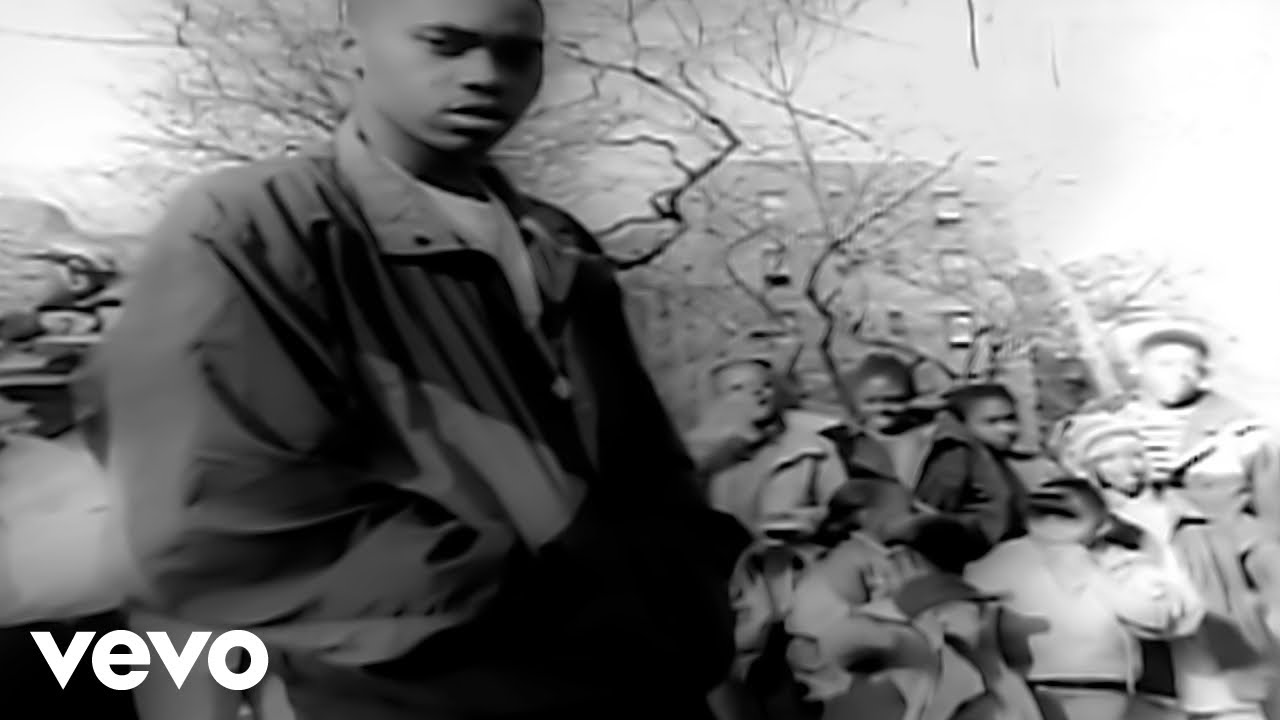
Nas
The kid from Queensbridge who, at 20, made the album every rap argument still starts with. Nas's Illmatic (1994) sold slowly and never left the conversation; It Was Written made him a star, two rushed albums made the doubters loud, and "Ether" settled a feud with Jay-Z that defined New York hip-hop at the turn of the millennium.
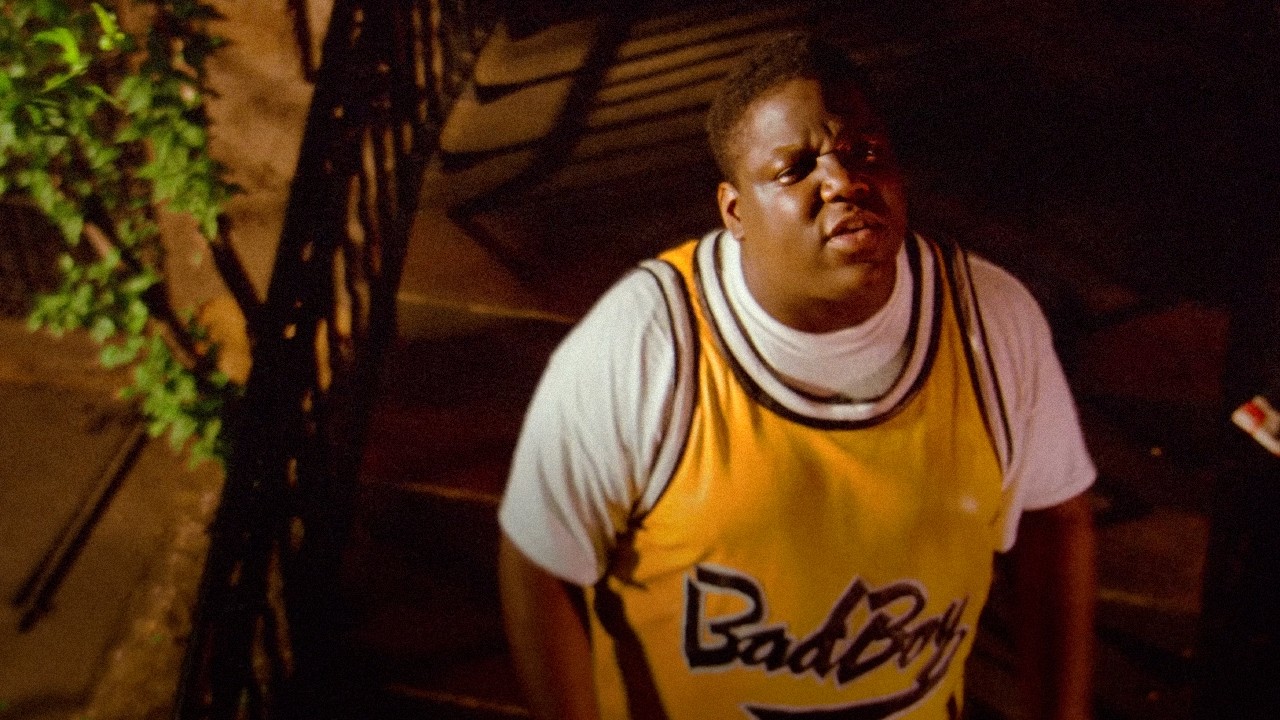
The Notorious B.I.G.
Brooklyn's rap king — Christopher Wallace, aka Biggie Smalls — whose effortless flow and vivid street storytelling made him the defining East Coast voice of the mid-90s. His 1997 murder, still unsolved, cut short one of hip-hop's greatest careers at just 24.

Jay-Z
Shawn Corey Carter rose from Marcy Projects hustler to rap's defining CEO, making the 2000s the decade when hip-hop conquered the boardroom. His Imperial period—from Hard Knock Life through The Black Album and beyond—turned street rap into stadium singalongs and Grammy gold. Jay-Z didn't just make hits; he made an industry, proving rappers could own their own records and empires. The 2000s belonged to him.

Rage Against the Machine
Four guys from Los Angeles whose eight-line chant of refusal became a rite of passage for every suburban kid with a Discman. Rage Against the Machine fused metal, rap and funk to revolutionary politics, tried to hang upside-down flags on Saturday Night Live, charged the New York Stock Exchange for a video, and broke up in 2000 at the height of it.