Nas
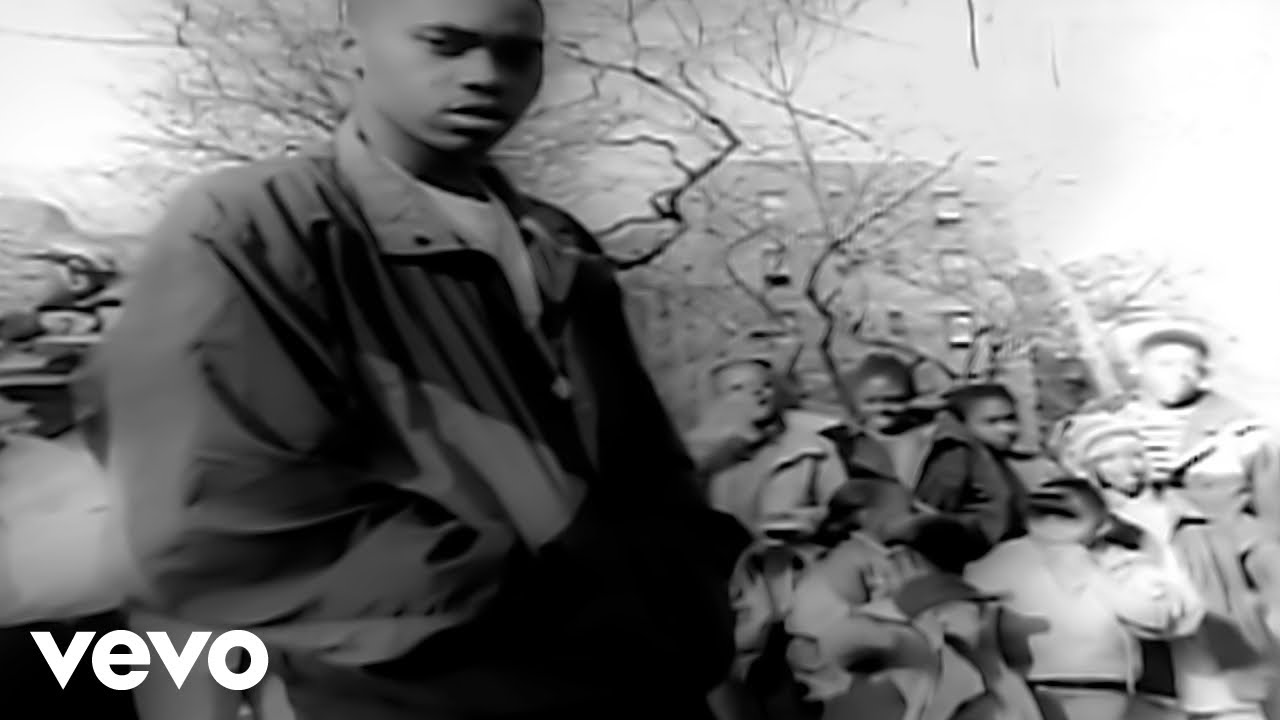
The kid from Queensbridge who, at 20, made the album every rap argument still starts with. Nas's Illmatic (1994) sold slowly and never left the conversation; It Was Written made him a star, two rushed albums made the doubters loud, and "Ether" settled a feud with Jay-Z that defined New York hip-hop at the turn of the millennium.
Nasir Jones was born in Brooklyn on September 14, 1973, the son of jazz musician Olu Dara, and grew up in the Queensbridge Houses in Long Island City, Queens, where an upstairs neighbor, Willie "Ill Will" Graham, played him records; he dropped out of school after eighth grade. At 16 he met producer Large Professor and recorded unreleased demos in the studios where Rakim and Kool G Rap were working, and his first verse, on Main Source's "Live at the Barbeque" in July 1991, got him called the new Rakim, though Cold Chillin' and Def Jam both passed. Ill Will was murdered in May 1992. That summer MC Serch of 3rd Bass became his manager and landed a Columbia deal, and "Halftime," credited to Nasty Nas, appeared on the Zebrahead soundtrack that October.
Illmatic, released April 19, 1994, with production from DJ Premier, Large Professor, Pete Rock, Q-Tip and L.E.S. and a guest turn by his father, debuted at number 12 on 59,000 copies, and none of its five singles charted meaningfully; it took until January 1996 to go gold and December 2001 to go platinum. The Source named it the best album of 1994, Billboard wrote in 2015 that it was "widely seen as the best hip-hop album ever," and the Library of Congress added it to the National Recording Registry in 2021. It Was Written (July 1996) went the other way on purpose, produced mostly by the Trackmasters with Hype Williams videos for "If I Ruled the World (Imagine That)," featuring Lauryn Hill, and "Street Dreams"; it debuted at number one and sold more than a quarter-million copies in a week. The supergroup the Firm followed in 1997, debuting at number one to mixed reviews.
He co-wrote and starred in Hype Williams's Belly in 1998, then stumbled: I Am… (1999) leaked as MP3s and had to be rebuilt, "Hate Me Now" put him and Puff Daddy on crucifixes, and the rushed Nastradamus that November was panned. The comeback ran through Jay-Z, a 90s friend who had sampled "The World Is Yours" on "Dead Presidents" after Nas skipped a studio session. Jay-Z's "Takeover" aired at Summer Jam 2001; Nas answered with "Ether" on Stillmatic that December, Jay-Z fired back with "Supa Ugly," and Jay-Z's own mother made him apologize on Hot 97, whose listeners gave Nas the win 58 to 42. God's Son (2002) carried "Made You Look" and "I Can," his biggest hit to that point, and in October 2005 Jay-Z called him onstage with "Let's go, Esco!" to end it; Nas signed to Jay-Z's Def Jam the next year. His first Grammy came for King's Disease (2020), after thirteen nominations.
Similar items

Jay-Z
Shawn Corey Carter rose from Marcy Projects hustler to rap's defining CEO, making the 2000s the decade when hip-hop conquered the boardroom. His Imperial period—from Hard Knock Life through The Black Album and beyond—turned street rap into stadium singalongs and Grammy gold. Jay-Z didn't just make hits; he made an industry, proving rappers could own their own records and empires. The 2000s belonged to him.

Wu-Tang Clan
A nine-man crew out of Staten Island that came out swinging in 1993 with kung-fu samples, a logo you could draw on a desk, and a business plan other labels had turned down. Wu-Tang Clan's Enter the Wu-Tang (36 Chambers) rebuilt New York rap, the solo albums kept coming, and Wu Wear stores and Macy's racks proved the "W" was a brand.
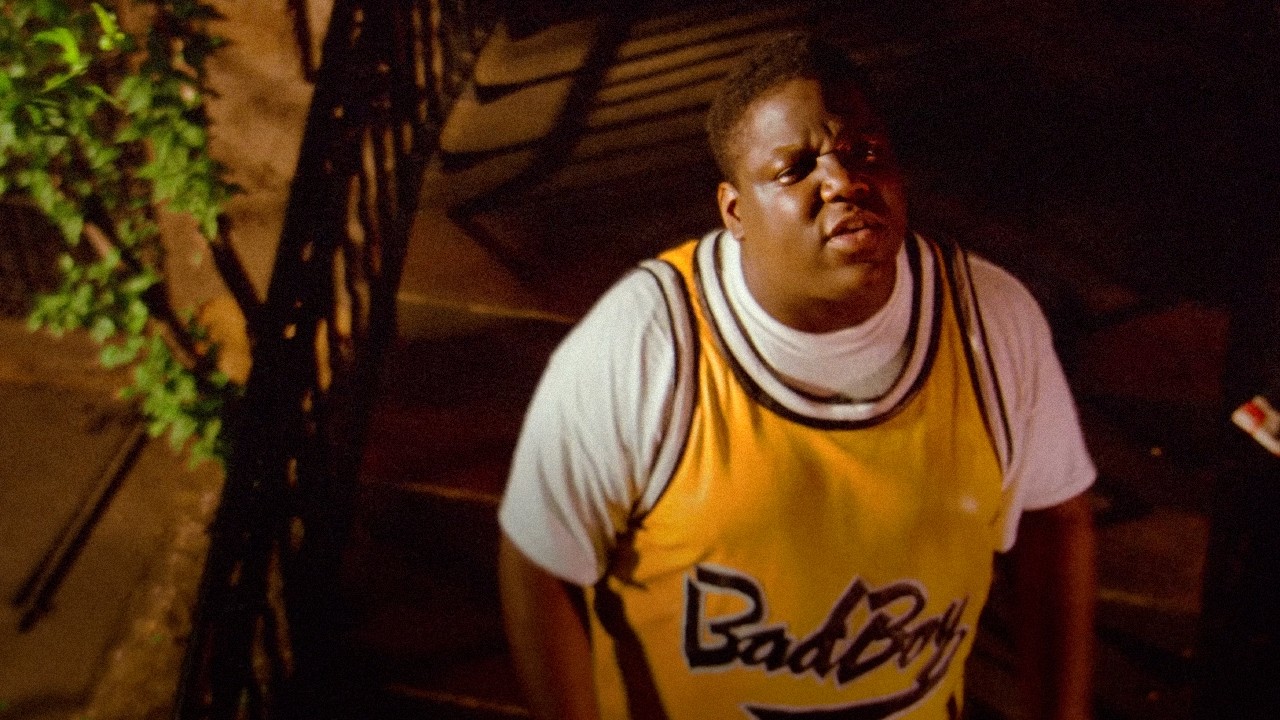
The Notorious B.I.G.
Brooklyn's rap king — Christopher Wallace, aka Biggie Smalls — whose effortless flow and vivid street storytelling made him the defining East Coast voice of the mid-90s. His 1997 murder, still unsolved, cut short one of hip-hop's greatest careers at just 24.
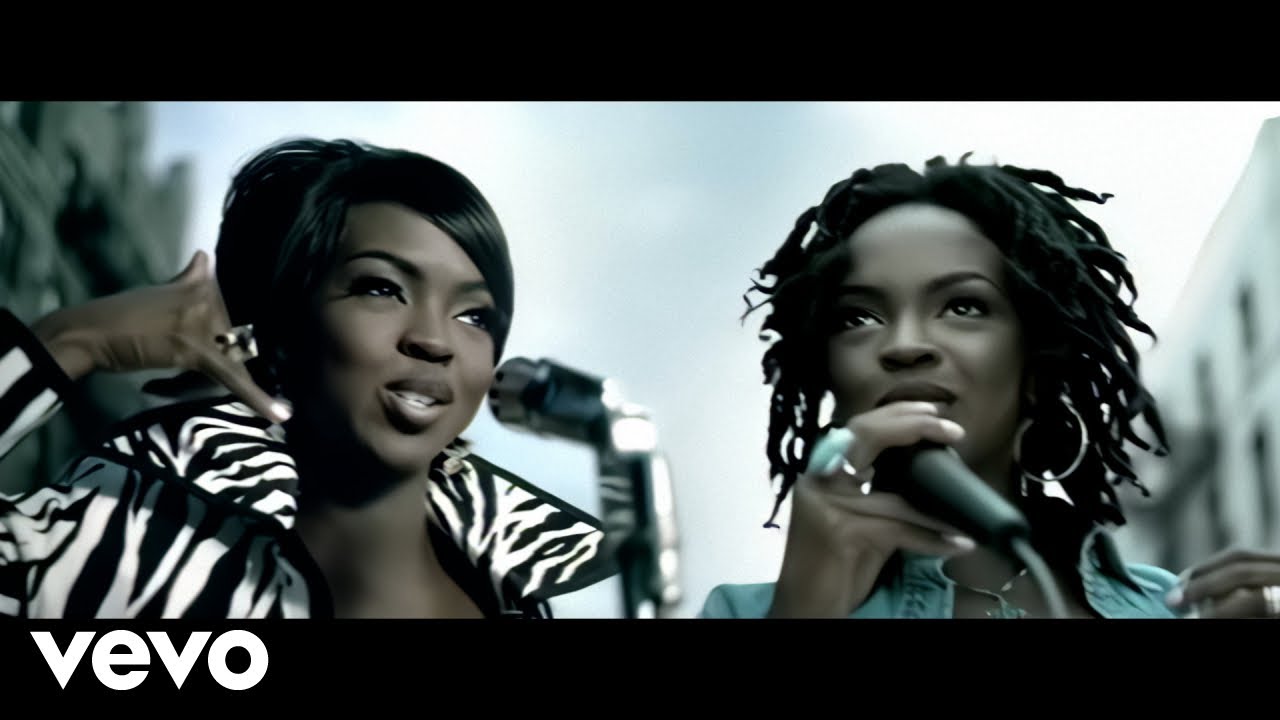
Lauryn Hill — The Miseducation of Lauryn Hill
Lauryn Hill's solo debut album, a genre-blending masterpiece that merged hip-hop, neo-soul, and R&B into a landmark release. Released in August 1998, it featured the hit singles "Doo Wop (That Thing)" and "Ex-Factor," establishing Hill as a solo artist of remarkable range and depth.