DeathTrack

Racing, but with machine guns. DeathTrack put you on a futuristic circuit where winning meant crossing the line first — or being the only car left that could. Prize money went straight into bigger weapons, and the next city's grid found out.
DeathTrack came out of Dynamix — the Eugene, Oregon studio founded in 1984 by Jeff Tunnell and Damon Slye that made vehicle combat its specialty with games like Arcticfox and A-10 Tank Killer — and was published by Activision for MS-DOS in December 1989. The premise was pure late-80s dystopia by way of Saturday-morning gasoline: a racing circuit in a future America where attacking your rivals wasn't a foul, it was the format. You picked from three cars — the fast Hellcat, the gun-heavy Crusher, or the armored Pitbull — and raced ten tracks in ten cities, where the win condition was memorably simple: finish first, or be the only one to finish at all.
The hook that kept it installed on early-90s hard drives was the loop between the races. You started with $10,000 and spent every winning purse in the shop, where each gun, armor plate, and engine part came in small, medium, and large grades — an upgrade treadmill years before that was standard. Computer Gaming World called it "gratuitous violence at its therapeutic best," and in 1996 the magazine still ranked it among the 150 best computer games ever made. A Game Boy port by Argonaut Software was developed but never released, and the name only resurfaced two decades later in a Russian-made 2008 revival, Death Track: Resurrection. Strictly speaking it's a 1989 game — but like a lot of DOS-era classics, it really lived in the early 90s, passed around on floppies and played long after the shrink-wrap era ended.
Similar items

Wing Commander
Strap into a cockpit on the carrier Tiger's Claw and fly against the Kilrathi — cat-faced aliens in a war the game dared to let you lose. Wing Commander was World War II in space on a 1990 PC, and it made every other game on the shelf suddenly look cheap.
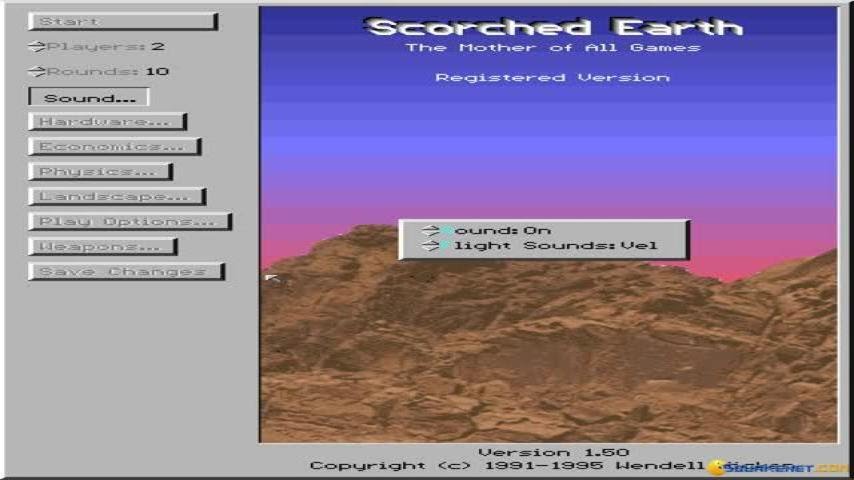
Scorched Earth
"The Mother of All Games"—a turn-based artillery tank battler where physics, wind, and an absurd weapon shop turned a single shared keyboard into hours of hot-seat chaos and sudden laughter.
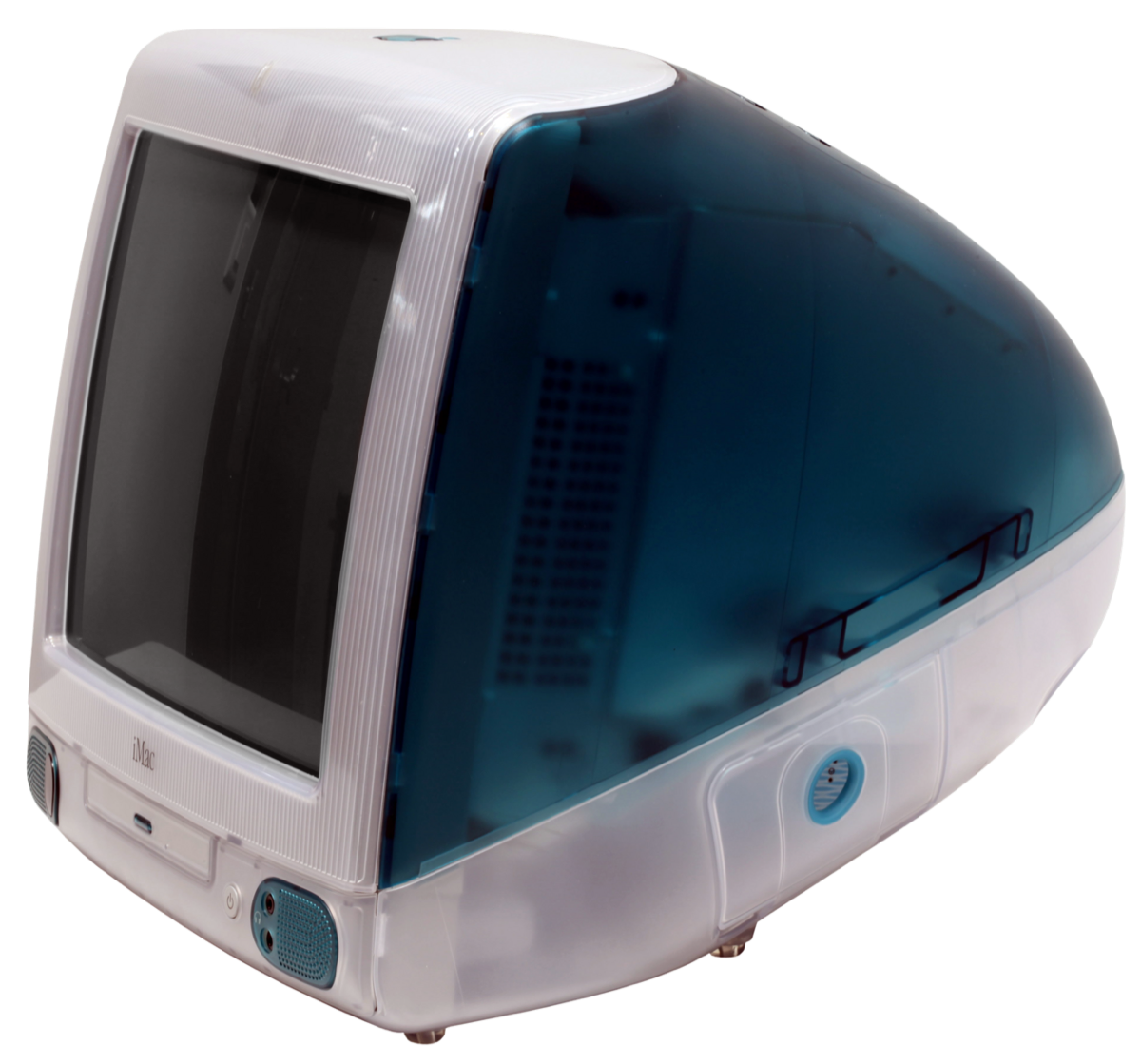
Computer Lab
The weekly pilgrimage down the hall to the room full of beige Apple computers, where you'd slot in a floppy disk, wait, and take turns dying of dysentery on the Oregon Trail. "Computer Day" was equal parts educational software and the first place a lot of kids ever touched a keyboard.

3-D Ultra Pinball
Sierra's Dynamix studio broke the rules of pinball with 3-D Ultra Pinball in 1995—animated spaceships, UFOs, and mining drones appeared on the table as temporary targets, multiple themed tables connected at once, and the whole thing was colorful, chaotic, and absurdly entertaining. It sold over 250,000 copies in its first year, becoming a staple of family PC gaming in the shovelware era. Except it was actually *good*.