Vitaminwater

The pastel wall of the 2000s deli case: candy-bright bottles, lowercase labels full of jokes, and flavors named for what they promised to do for you. Vitaminwater made hydration a personality choice — and made 50 Cent a legend of business-deal folklore.
J. Darius Bikoff founded Glacéau — formally Energy Brands — and launched Smartwater in 1996 and Fruitwater in 1998. Then, in 2000, came Vitaminwater: lowercase on the label, deliberately casual, with pastel colors and names that doubled as claims — Power-C, Energy, Focus, XXX. The chatty, joke-filled label copy made wellness feel like inside humor, and picking your flavor off the wall became a small daily ritual: a color, a promise, a bottle that looked good in a gym bag.
In October 2004, rapper 50 Cent took a minority stake in the company as part of an endorsement deal — struck after the company learned he was already a genuine fan. He helped create the grape "Formula 50" flavor and worked the drink into songs and interviews. On May 25, 2007, Coca-Cola bought Energy Brands for $4.1 billion in cash, and 50 Cent's personal cut became hip-hop's favorite business legend precisely because the exact number was never disclosed — press estimates flew in every direction, and the secrecy only fed the myth.
The wellness halo eventually drew fire. In 2009 the Center for Science in the Public Interest sued over the health-forward marketing, pointing at the 33 grams of sugar in a bottle, and the suit was later allowed to proceed as a class action. But by then Vitaminwater had already won the decade: walk into any 2000s convenience store and there was the glowing pastel wall, waiting for you to choose Focus over Energy and feel, briefly, like the label knew something about you.
Similar items
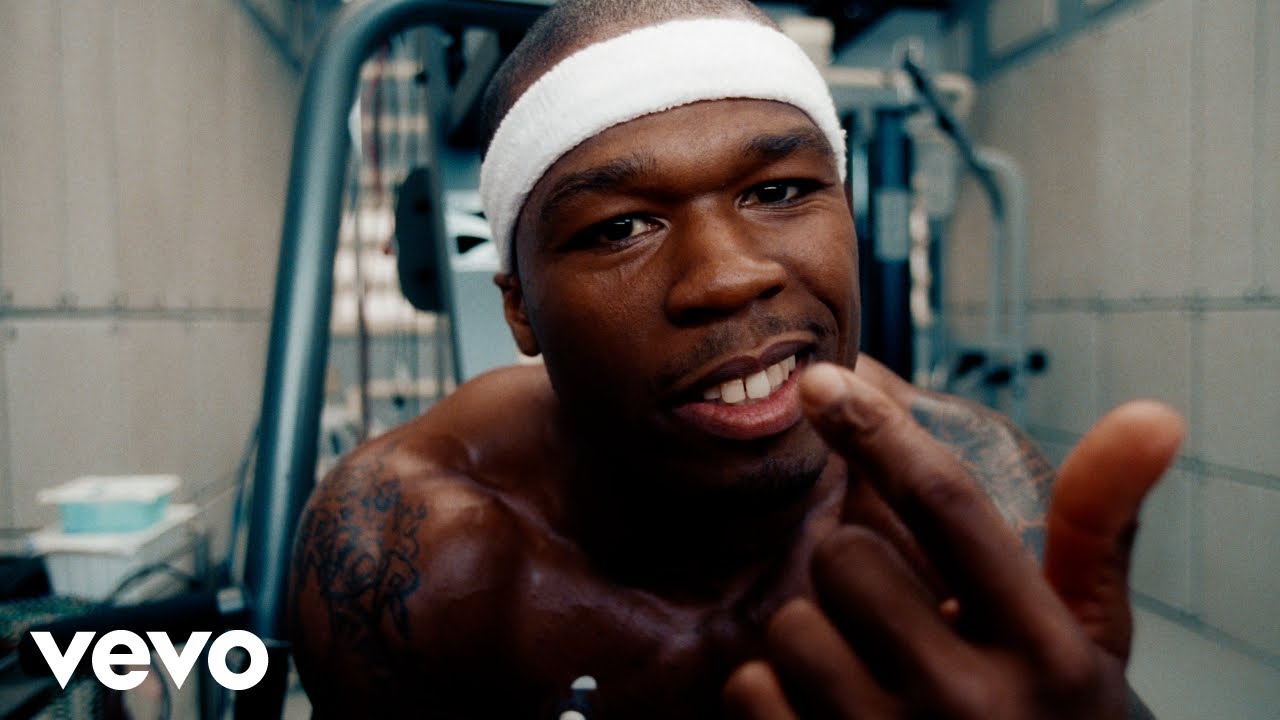
50 Cent
The Queens mixtape king who survived being shot nine times, got signed by Eminem and Dr. Dre, and turned his bulletproof origin story into one of the biggest rap debuts of the decade. For a few years in the mid-2000s, 'In da Club' and 'Get Rich or Die Tryin'' were everywhere, and 50 Cent was the most bankable name in hip-hop.

SoBe
Glass bottles with an embossed lizard, promising mystery potions brewed from ginseng, guarana, and ginkgo — words that meant nothing and sounded exactly like what the future was supposed to taste like. SoBe owned the gas-station cooler at the turn of the millennium, proof you were clued into something cooler than Gatorade.

Snapple
The iced-tea and juice-drink brand that defined 1990s refreshment, served in a distinctive glass bottle with a metal cap (the famous "Real Facts" printed under the lid didn't arrive until 2002). That satisfying pop when you opened it, the quirky trivia, and flavors like peach and raspberry made Snapple a generational memory.

AriZona Iced Tea
The Big Can: a tallboy of iced tea wrapped in pastel southwestern art that looked like nothing else in the cooler. It came out of a Brooklyn warehouse in 1992 to fight Snapple, priced at 99 cents — a number the company later started printing on the aluminum itself, and has refused to let go of ever since, through thirty-plus years of inflation.