
Cherry Coke
Coca-Cola's first flavored cola—and if you were a 90s kid, the wild graffiti-scribble can is the one burned into your memory. Loud, scribbly, teenage energy on aluminum.
11 items
Coca-Cola's first flavored cola—and if you were a 90s kid, the wild graffiti-scribble can is the one burned into your memory. Loud, scribbly, teenage energy on aluminum.

Coke's coffee-flavored "carbonated fusion beverage" in a sleek little glass bottle — the drink that asked "what if espresso, but soda?" in 2006 and got its answer by 2008. You probably tried it exactly once, and you remember the aftertaste either way.
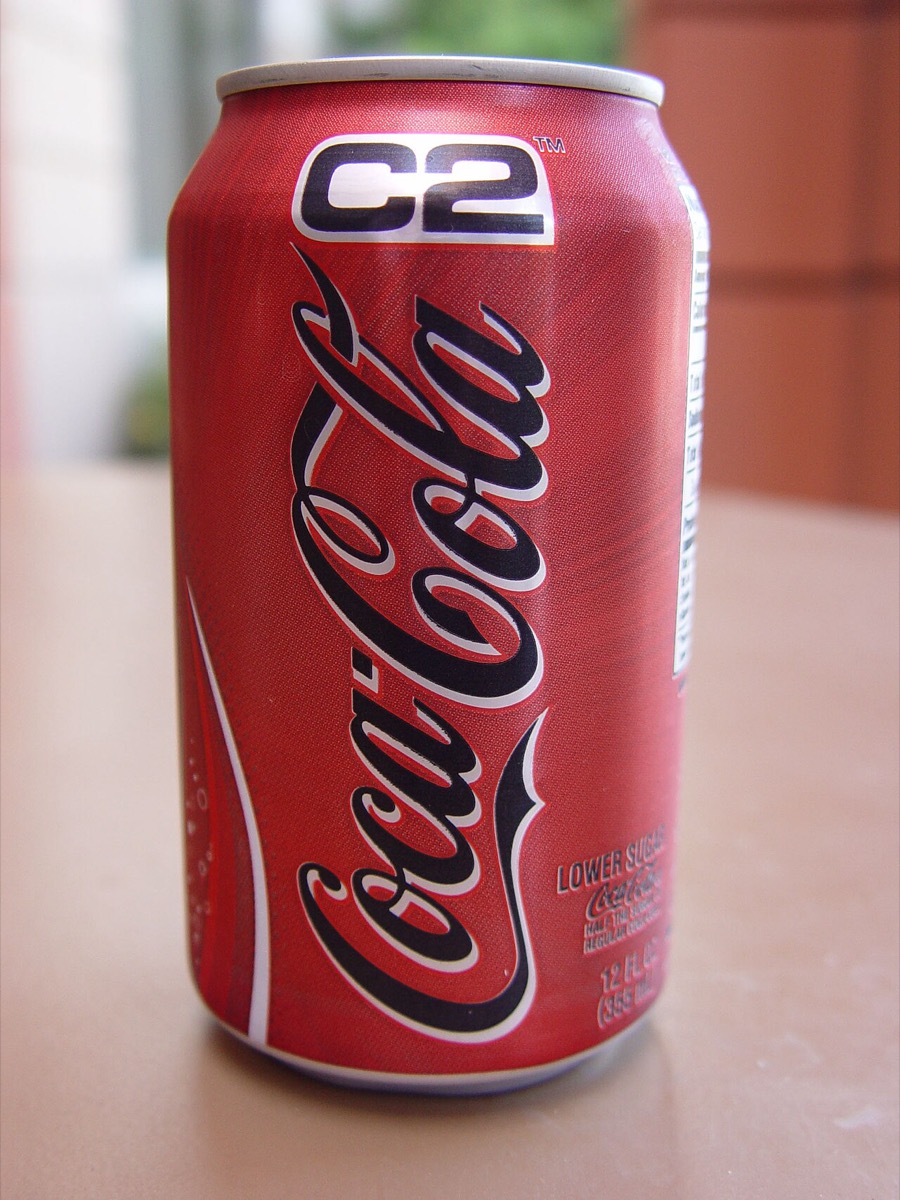
The Atkins diet's cola — half the carbs, half the calories, half the appeal. It got the Rolling Stones and Queen on the TV spots and NASCAR paint schemes at the 2004 Pepsi 400. But America wanted the real thing or nothing at all, and a year later Coke Zero made "half" obsolete.

Coca-Cola's psychedelic, tie-dyed fruit drink 'for the mind, body, and planet.' The trippy kaleidoscope vending machines and New-Age flavor names — Strawberry Passion Awareness — were peak-'90s marketing weirdness.

Coca-Cola's aggressively ironic mid-'90s experiment: a soft drink built on market research showing that "OK" was the most recognizable word on Earth. The gray neo-noir cans were illustrated by alternative-comics artists Daniel Clowes and Charles Burns, the slogan promised only that "Things are going to be OK," and the whole thing was dead within a year.
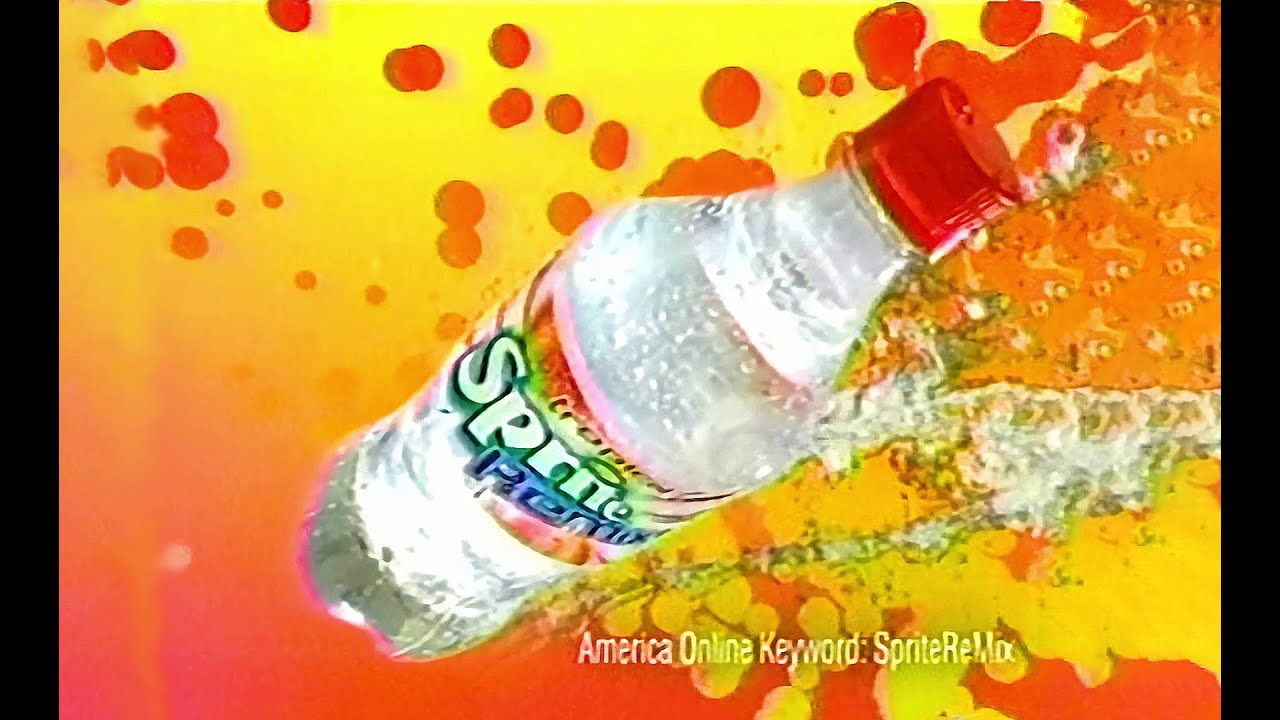
Remember when Sprite messed with its own formula and made something genuinely weird — colorless fruit sodas that looked exactly like the original but tasted like a flavor explosion? Sprite Remix was the early-2000s novelty soda that escaped being a joke and became the one kids actually mourned when it disappeared.
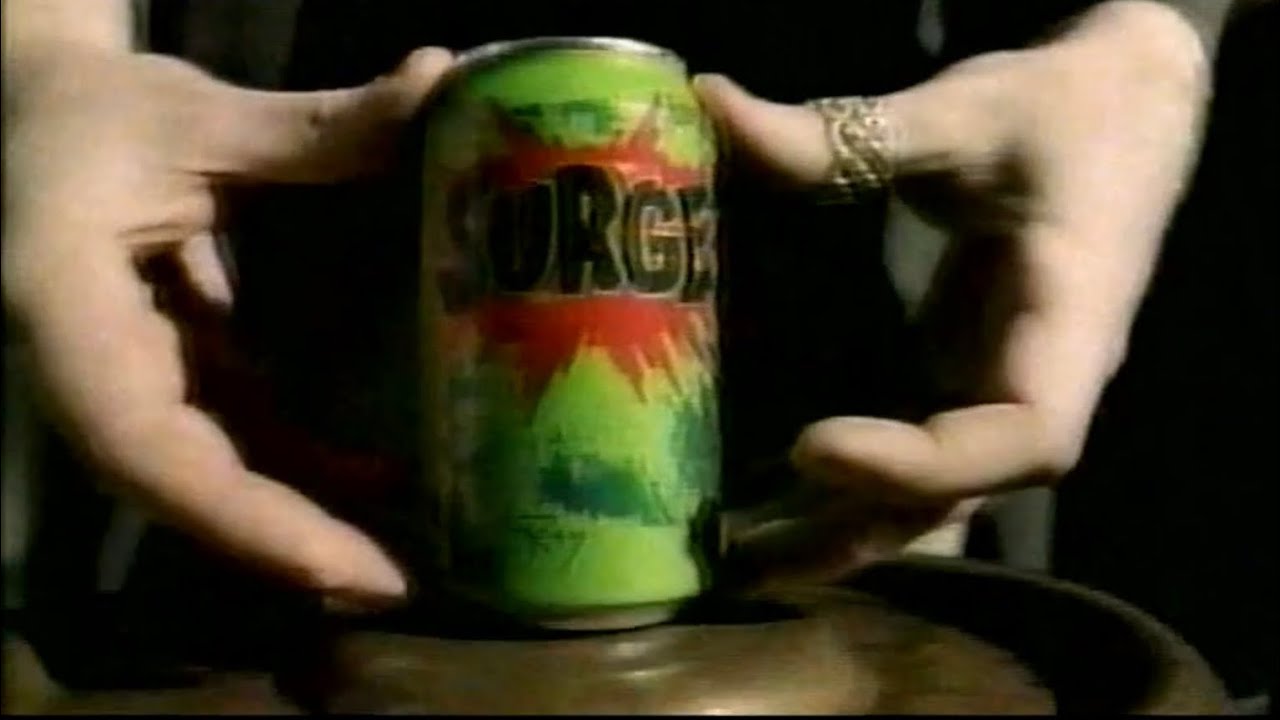
Coca-Cola's aggressively marketed neon-green citrus soda that positioned itself as the extreme-sports answer to Pepsi's Mountain Dew. Heavy on caffeine and attitude, Surge fueled the mayhem marketing of the late 90s before vanishing from shelves in 2003 — only to surge back after a passionate fan movement brought it to Amazon in 2014.

The hot-pink can of Coca-Cola's first-ever diet drink — a saccharin-tart cola with a fanatically loyal following. Once the best-selling diet soda in America, TAB hung on for decades as a cult relic long after Diet Coke stole its crown.
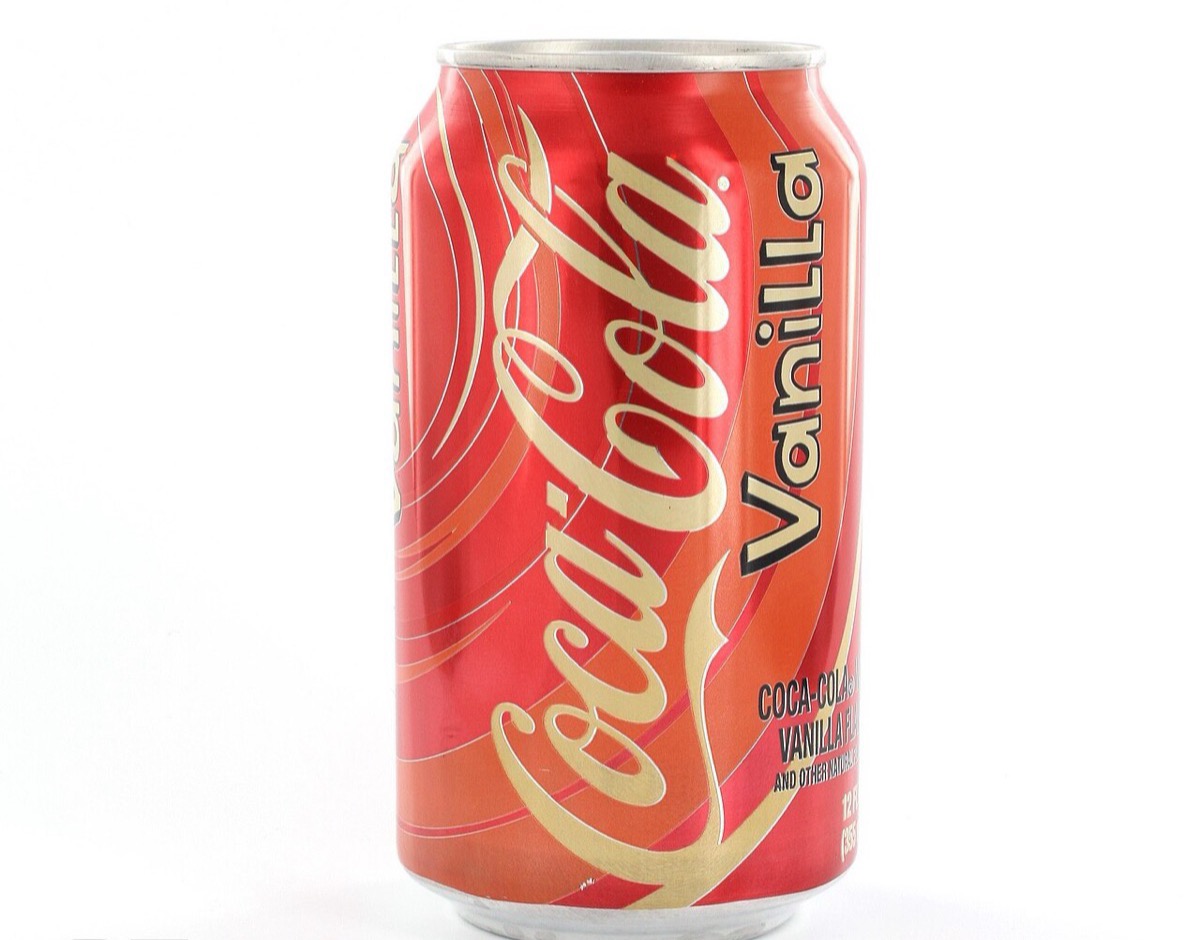
Billed as Coca-Cola's biggest launch since Diet Coke, it arrived in 2002 in a tan-and-gold can that tasted like cream soda had merged with cola. Roughly 29 percent of US households bought it that year. By 2005, it was gone. Then it came back.
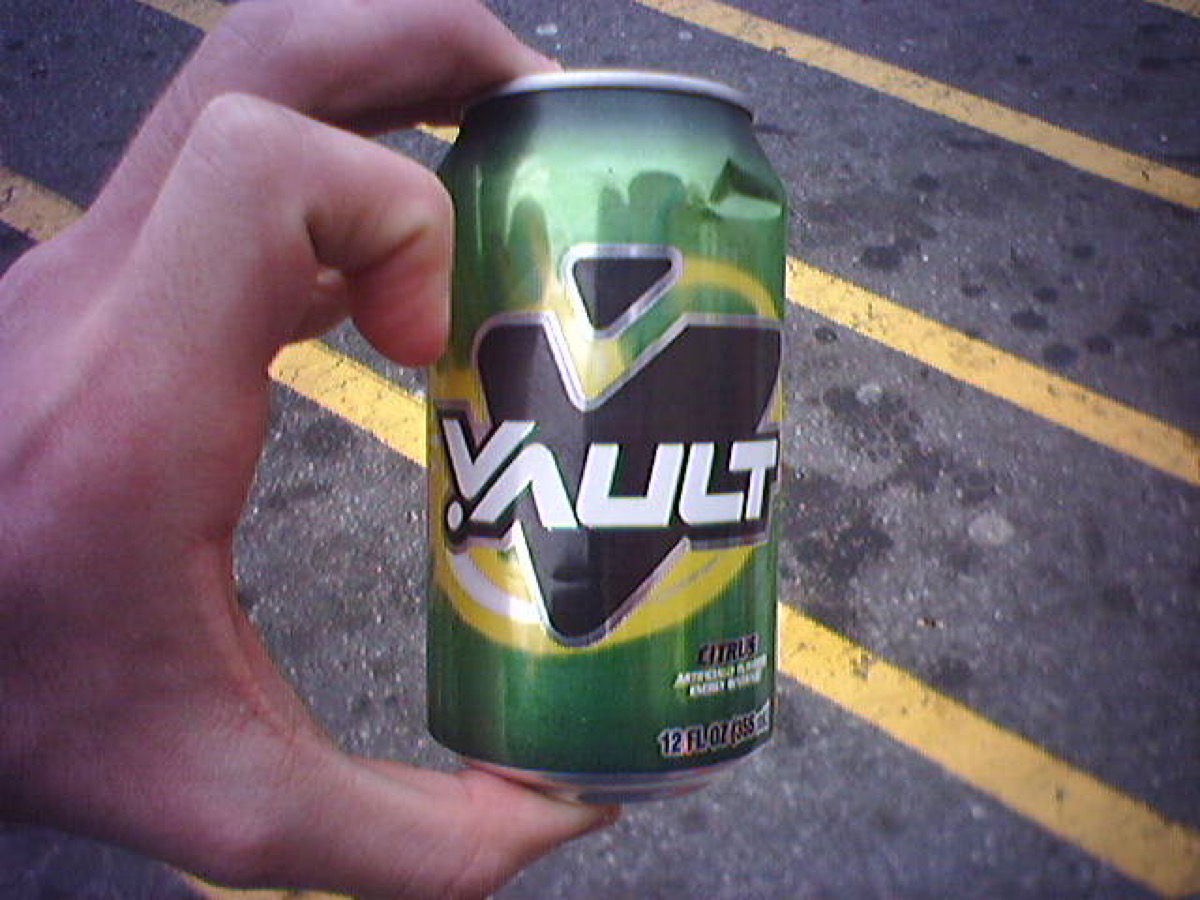
Coca-Cola's bright-green hybrid arrived in 2006 with a promise: "Drinks like a soda, kicks like an energy drink." For fans of the dearly departed Surge, Vault was the second coming — until Coke pulled the plug in 2011 and brought back Mello Yello instead.

The pastel wall of the 2000s deli case: candy-bright bottles, lowercase labels full of jokes, and flavors named for what they promised to do for you. Vitaminwater made hydration a personality choice — and made 50 Cent a legend of business-deal folklore.