Treasure Mountain!

An educational adventure game where kids climbed a mountain solving reading, math, and logic puzzles to catch the Master of Mischief's elves and collect treasure. A classroom-and-home edutainment staple of the early 1990s, published by The Learning Company for DOS, Windows, and Mac.
Released by The Learning Company in 1990, Treasure Mountain! was part of the "Super Seekers" series, a collection of educational adventure games designed to make learning engaging through gameplay. Players took on the role of a young adventurer ascending a mountain, with each level presenting new educational challenges: reading comprehension tests, math problems, and logic puzzles that had to be solved to catch the Master of Mischief's elves, collect treasure keys, and unlock the next level.
The game became a fixture in schools and homes throughout the 1990s, representing a pre-internet era when educational software on floppy disks was the cutting edge of learning tools. Its combination of colorful graphics, adventure-game pacing, and genuine educational content made it more engaging than traditional workbooks, cementing it as a nostalgic touchstone for kids who grew up with edutainment.
Similar items
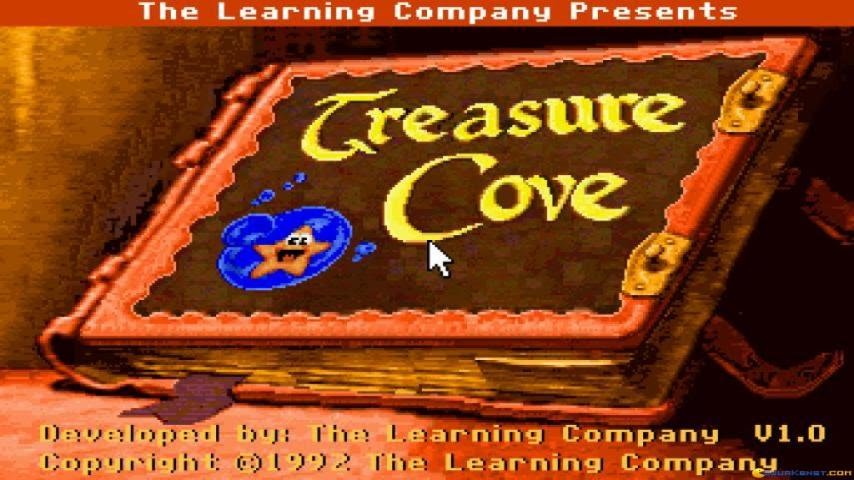
Treasure Cove!
An underwater educational adventure game where kids explored a cove, collected gems and treasures, and solved reading and science puzzles. A sibling title to Treasure Mountain! from The Learning Company's edutainment catalog, released in 1992.

Super Solvers: Gizmos & Gadgets!
Race against Morty Maxwell to build faster vehicles by solving science puzzles and outsmarting Cyber Chimps. This Learning Company edutainment staple disguised lessons about simple machines and magnetism as competitive car-building challenges.

The Oregon Trail
The computer-lab game that taught westward expansion through dysentery and desperation. Every 90s kid named their wagon party after friends, overhunted buffalo, gambled on river crossings, and died of unexpected causes while technically learning American history.
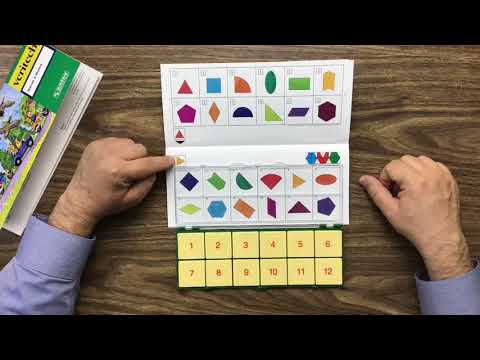
Mini Veritech
A self-checking tile puzzle: twelve numbered tiles in a clear plastic case, each with a fragment of a geometric pattern on the back. You worked through a workbook puzzle, placed each numbered tile on its answer, then flipped the case closed — if the pattern matched what was printed in the book, every answer was right. The game told you before the teacher could.