
The Adventures of Tintin
The boy reporter and his dog Snowy stepped off the comic-book page and into a faithfully animated series that arrived on HBO in 1991. For many American kids, this was their first Tintin — and it stuck.
19 items
The boy reporter and his dog Snowy stepped off the comic-book page and into a faithfully animated series that arrived on HBO in 1991. For many American kids, this was their first Tintin — and it stuck.

The decade's most likable leading man: caveman in Encino Man, gentleman in School Ties, jungle king in George of the Jungle, and finally the revolver-twirling hero of The Mummy. Hollywood's nicest action star — and the comeback story the whole internet rooted for.
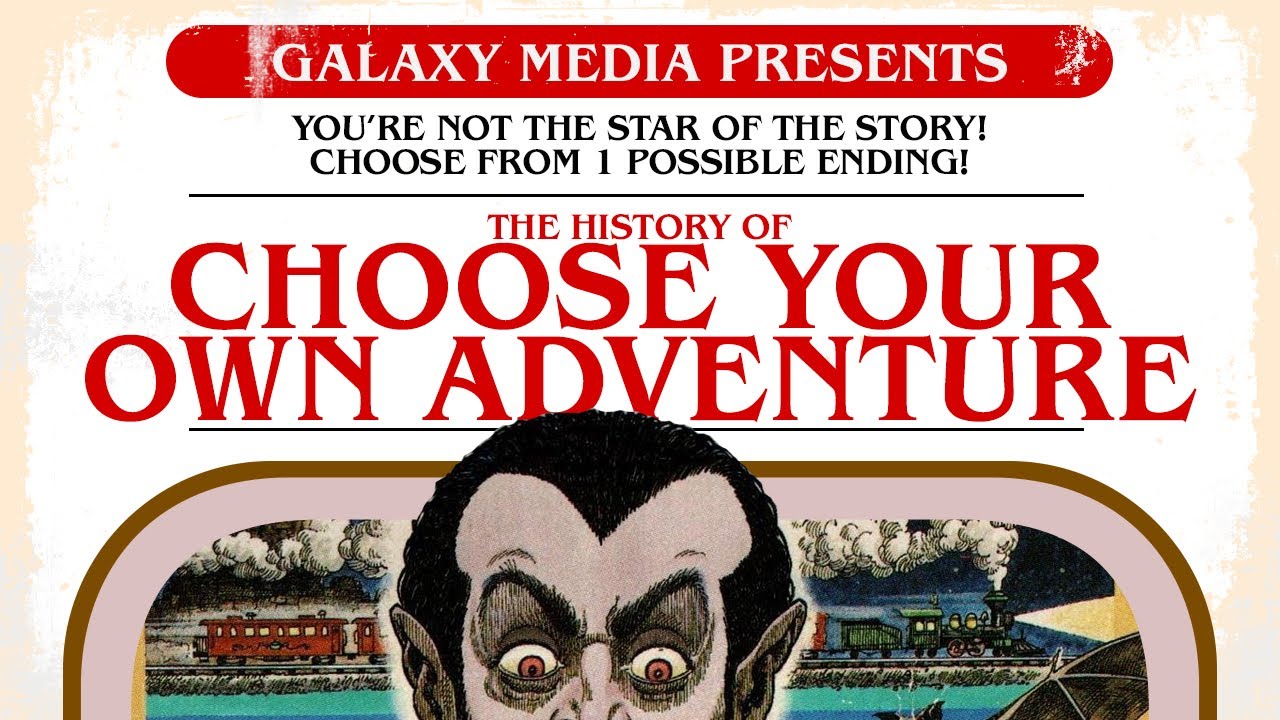
"If you open the door, turn to page…" These were the skinny paperbacks where YOU were the hero, every few pages forked, and a startling number of forks ended with you dead. The series dates to 1979 and was an 80s sensation first — but the books were still on every classroom and library shelf through the 90s, read with one finger holding the last safe page.

A clownfish searches an ocean for his kidnapped son, guided by a forgetful blue tang with the most memorable catchphrase of the decade. Pixar's Finding Nemo won instant hearts with its vibrant coral-reef world, stellar voice acting, and emotional stakes that proved animated films could make you cry.
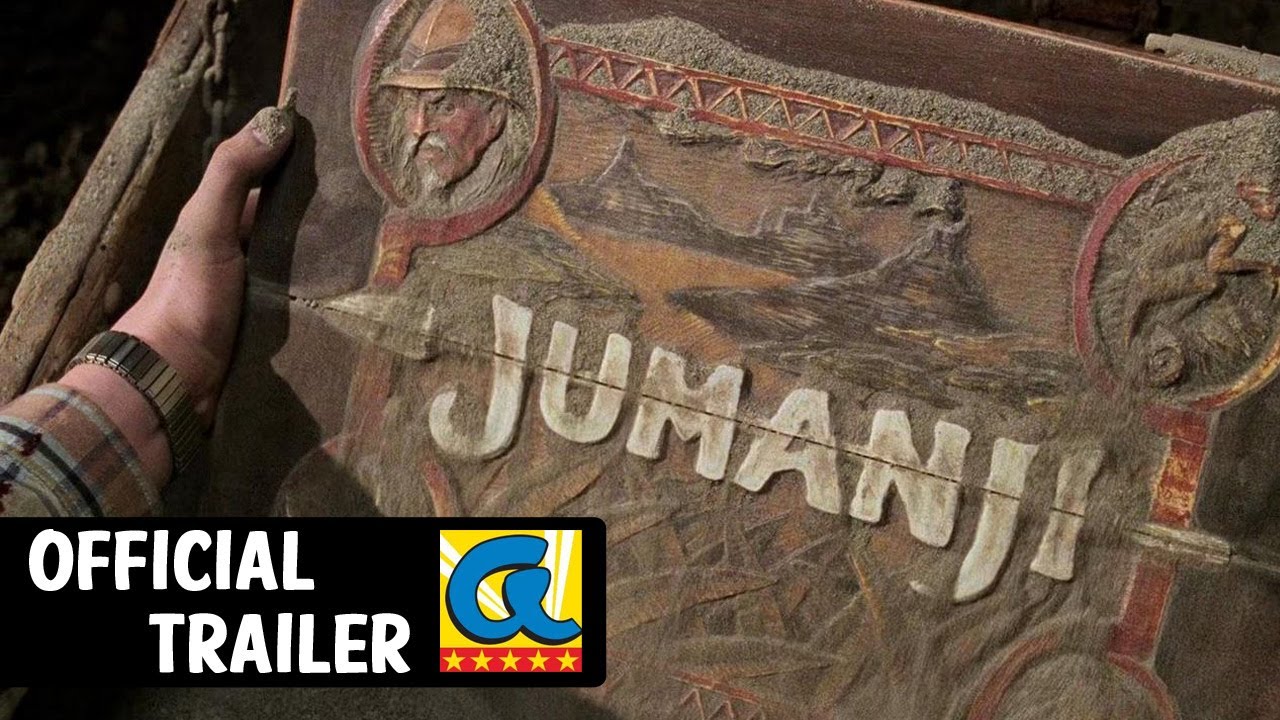
Robin Williams as an adult sprung from a magical jungle game — stampeding rhinos, vine-swinging chaos, and a board game that destroys your house from the inside out. Joe Johnston's December 1995 film combined state-of-the-art CGI and animatronics to bring a children's book to vivid, dangerous life, grossing over $260 million worldwide and proving games were no longer safe fantasy.

Six teams of kids competed in arcade-style obstacle courses to retrieve a relic from inside a booby-trapped temple. Hosted by Kirk Fogg and the giant talking stone head Olmec, this Nickelodeon action game show was as chaotic as it was captivating.
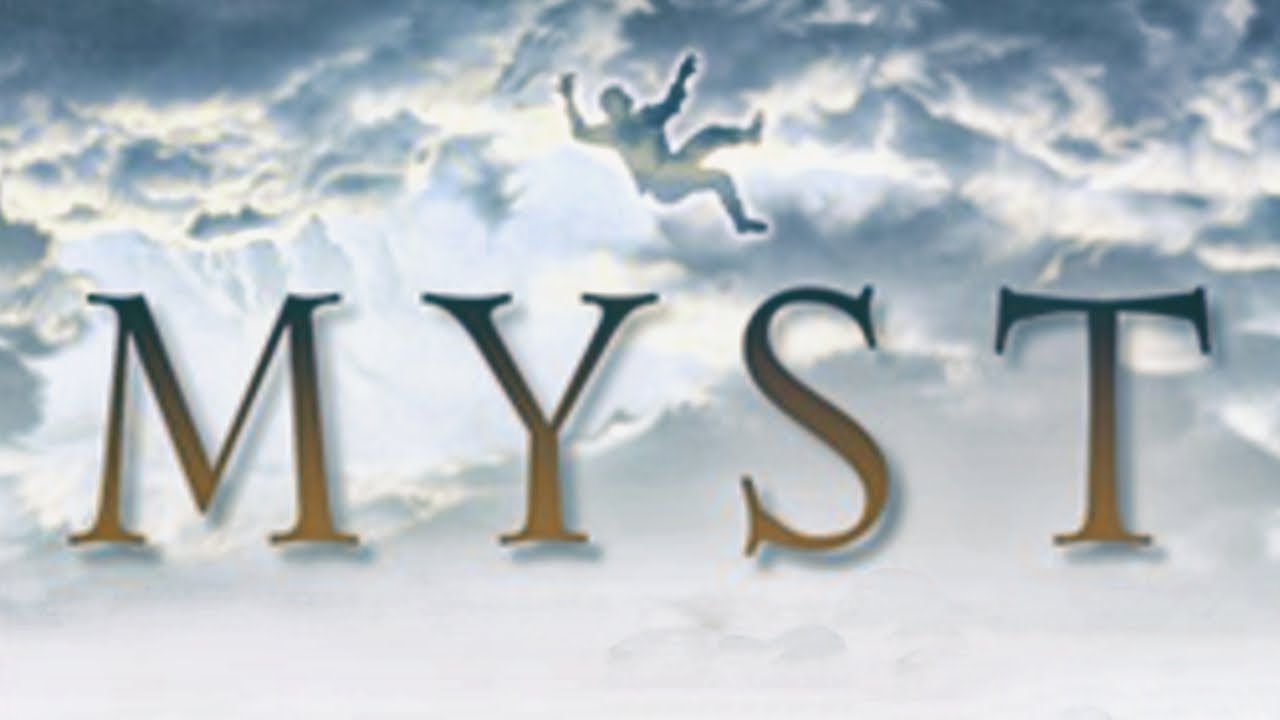
An island with no instructions, no timer, no way to die — just a series of machines to solve, each more surreal than the last. Myst proved a computer game could be a slow, atmospheric mystery with no combat and endless patience.

Nicolas Cage as a history-nerd treasure hunter who decides to steal the Declaration of Independence — because the treasure map is on the back. Bruckheimer gloss, a premise played completely straight, and one of the 2000s' great cable-rerun perennials.

The first three-dimensional Legend of Zelda launched the Nintendo 64 into mythic status. Shigeru Miyamoto's masterpiece introduced the Z-targeting lock-on system that became the industry standard for 3D action games, sold 7.6 million copies, and holds a Metacritic score of 99 — still the highest ever recorded.

Disney's wild ride-to-film franchise that nobody saw coming. The Curse of the Black Pearl (2003) launched a trilogy that turned a theme-park attraction into one of the 2000s' biggest blockbusters, powered by Johnny Depp's Oscar-nominated performance as the eccentric Captain Jack Sparrow.

Sixteen giants, one horse, no other enemies and barely any dialogue. Team Ico's October 2005 PlayStation 2 game sent Wander across an empty forbidden land to climb and kill colossi for a dead girl's sake, and every victory played like a funeral. It became the standard exhibit whenever anyone argued that games could be art.

Yu Suzuki's Dreamcast epic put you in 1986 Yokosuka as Ryo Hazuki, avenging your father one conversation at a time: shops that close for the night, buses on timetables, a forklift job at the docks, and half the town asked where the sailors hang out. The most expensive game ever made at the time, it sold 1.2 million copies and still lost money.

Alexandre Dumas' revenge classic played gloriously straight: betrayal, a hidden fortune, sword fights, and vengeance served exquisitely cold. A January sleeper in 2002 that grew into dad-canon — the cable movie you'd catch on a Sunday afternoon and watch to the end, every single time.

The 1985 adventure every 90s kid knew by heart from VHS and cable reruns — misfit kids chasing One-Eyed Willy's pirate treasure under Astoria, Oregon, with the Fratellis in pursuit. "Goonies never say die." At a 90s sleepover, someone always owned the tape.

Brendan Fraser with a revolver in each hand, Rachel Weisz waking a 3,000-year-old curse, and a face forming out of a wall of sand. Stephen Sommers turned Universal's 1932 monster into pure swashbuckling summer joy — Indiana Jones for a new generation, and it knew it.

A 1938-set superhero film made with practical effects and genuine affection for the adventure serials of an earlier era: a jetpack, an art-deco helmet, and wish-fulfillment so pure it predated the superhero-movie industrial complex by a decade.

Lucasfilm Games' 1990 pirate comedy: Guybrush Threepwood, a kid who wants to be a pirate, the ghost pirate LeChuck, and sword fights settled by insults ("You fight like a dairy farmer." "How appropriate. You fight like a cow."). Ron Gilbert built it so you almost couldn't die, which made it the adventure game people finished instead of quitting.
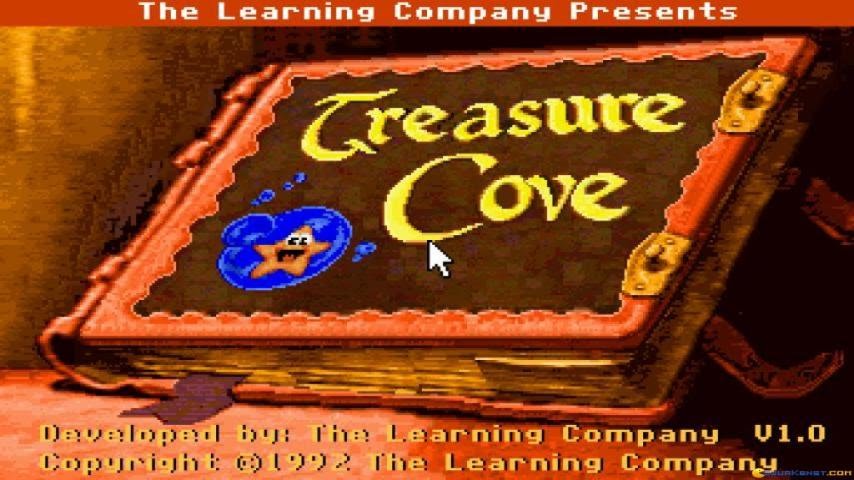
An underwater educational adventure game where kids explored a cove, collected gems and treasures, and solved reading and science puzzles. A sibling title to Treasure Mountain! from The Learning Company's edutainment catalog, released in 1992.

An educational adventure game where kids climbed a mountain solving reading, math, and logic puzzles to catch the Master of Mischief's elves and collect treasure. A classroom-and-home edutainment staple of the early 1990s, published by The Learning Company for DOS, Windows, and Mac.