Bejeweled
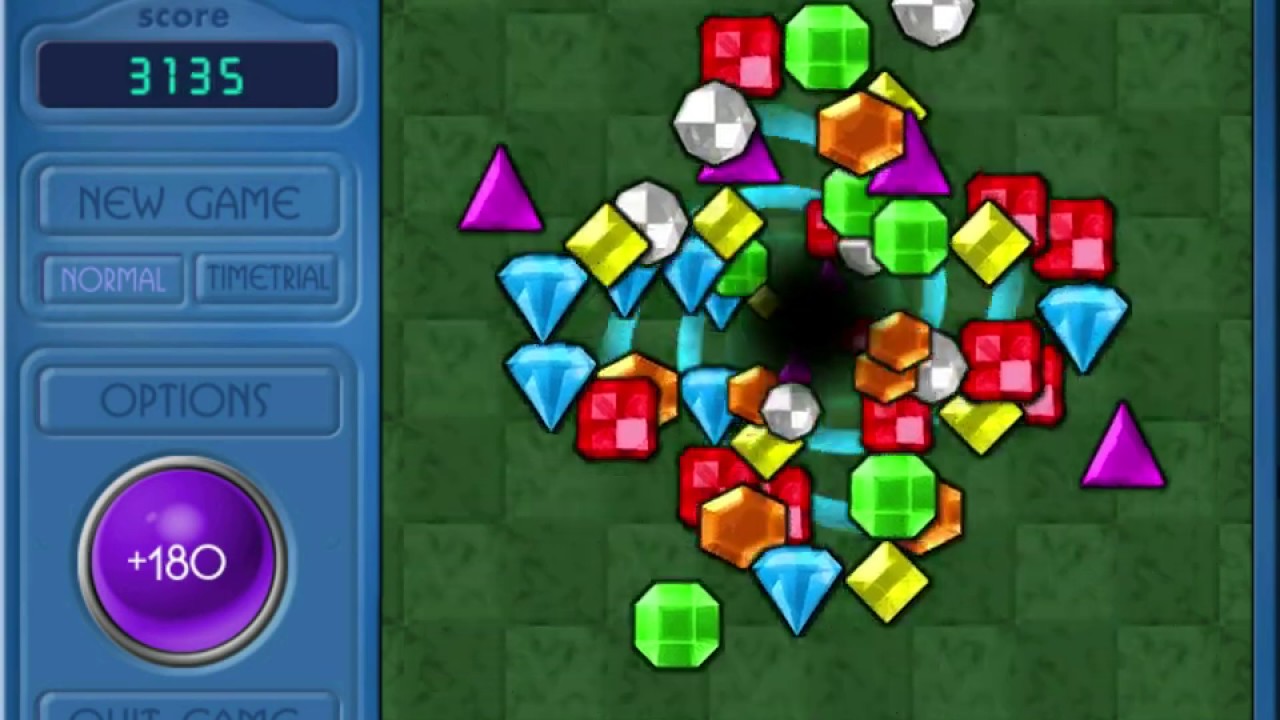
Swap two gems, line up three, watch them vanish and the rest cascade down. PopCap's match-three puzzle turned a simple web game into one of the most-copied ideas in casual gaming.
Bejeweled began in 2000 as a browser game called Diamond Mine, made by the small studio PopCap Games and itself inspired by an earlier web game, Colors. The idea was as clean as it was addictive: swap two adjacent gems to line up three or more of a kind, the matched gems disappear, and the ones above tumble down to fill the gaps — often triggering a chain of new matches.
PopCap tried to sell the game to Microsoft for $50,000 and was turned down; instead Microsoft leased it for $1,500 a month to run on its MSN Games portal and asked the studio to rename it Bejeweled. Within a month it was the number-one game by traffic on MSN Games. A downloadable retail version, Bejeweled Deluxe, followed on May 30, 2001, and the game spread onto seemingly every device that could run it — Palm, Windows, Mac, Xbox, early iPods, and a long list of phones.
The numbers kept climbing: over 10 million copies of Bejeweled Deluxe sold and more than 150 million downloads by 2008. Just as important, it made match-three a genre — the blueprint countless puzzle games (and eventually mobile giants) would build on.
Similar items

Windows Solitaire
The Klondike card game that shipped with virtually every Windows PC — and quietly taught a generation how to use a mouse. The real reward was winning: the whole deck cascading off the stacks and bouncing across the screen.

Minesweeper
The grid of gray squares you clicked to uncover numbers — and the flags you planted over the mines you hoped weren't there. Bundled with Windows for years, it was equal parts logic puzzle and nerve test.
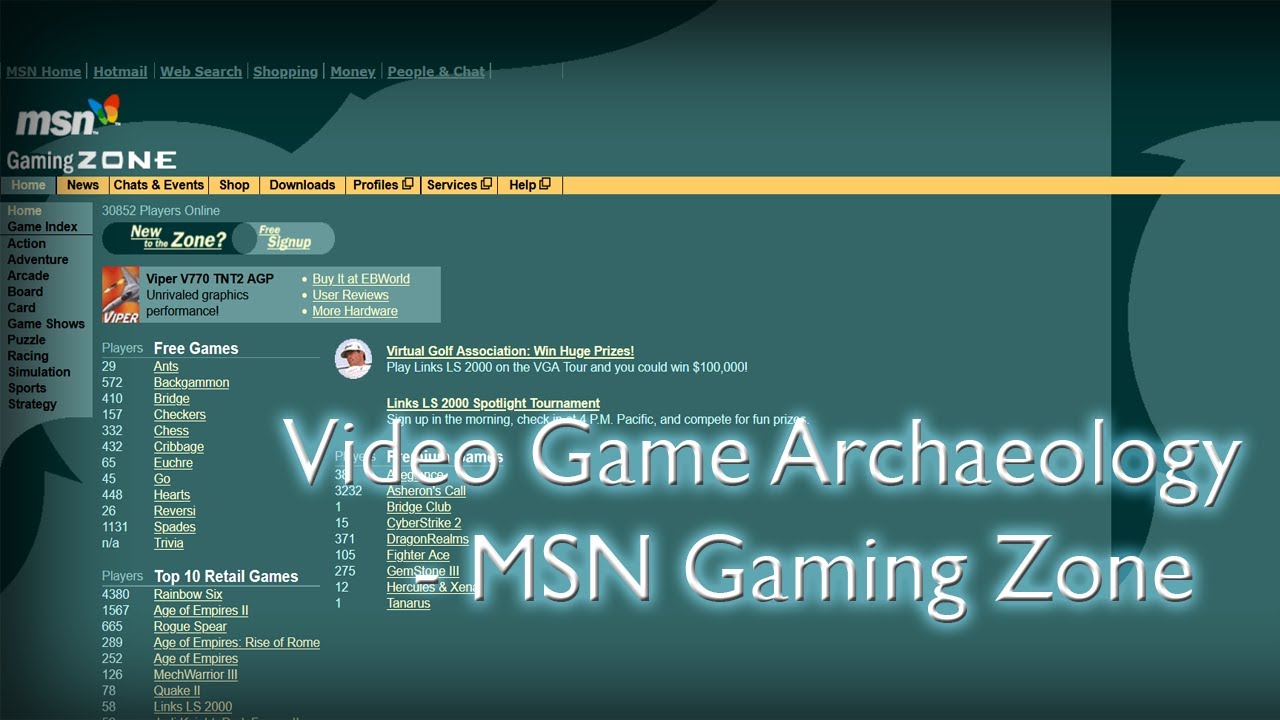
MSN Gaming Zone
For a lot of people, the first place you ever played games against strangers over the internet — dial in, drop into a lobby, and play Hearts, Spades, or Age of Empires. Microsoft's online-gaming portal, and a quiet ancestor of Xbox Live.

3D Pinball: Space Cadet
The space-themed pinball table hidden in the Windows Games folder that ate untold hours in the computer lab. Rack up ranks from Cadet to Fleet Admiral, one launched ball at a time.