Tommy Hilfiger
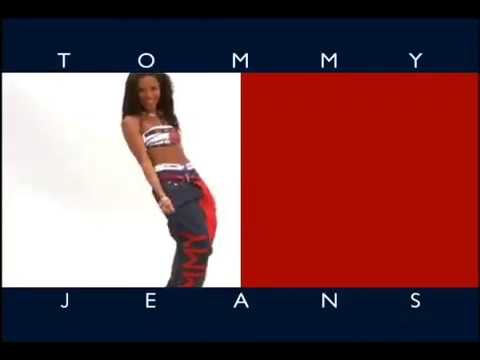
Prep meets hip-hop: the flag logo of a 1985 New York label, co-opted by Snoop Dogg, Aaliyah, and every mall kid of the 90s who wore it oversized and felt instantly cooler. The red-white-and-blue became a uniform.
Tommy Hilfiger founded his label in 1985 in New York City, backed by Indian textile magnate Mohan Murjani. The design language was classic American prep, anchored by a red-white-and-blue flag logo — its red and white center inspired by the International Code of Signals flag for the letter "H." The crossover came in the early 1990s, when menswear went baggy and hip-hop artists adopted roomier silhouettes: Hilfiger's looser fits with blown-up logos became streetwear staples.
The cultural moment crystallized when Snoop Dogg wore a Hilfiger sweatshirt on Saturday Night Live and the item sold out of New York City stores the next day. Aaliyah signed on as a spokesperson in 1997. Puff Daddy and Coolio showed up at the runway shows. The look every kid in the mall remembers: the oversized flag-logo rugby or polo, a size or two too big, worn with the preening confidence of someone who knew it mattered.
By 2000 Hilfiger was doing about $1.9 billion in US sales. The decline followed — by 2009 that number had fallen to around $700 million stateside, even as European sales rose to $1.13 billion — and PVH acquired the company in March 2010 for $3 billion. The 90s pieces are now vintage-shop gold, sought by a generation that remembers the exact weight of that oversized cotton.
Similar items

DKNY
Donna Karan's younger, cheaper, city-cool little sister — the four letters everyone could actually afford. DKNY's logo tees and sweatshirts made a designer name attainable for the '90s mall, half the price of the runway line and twice as casual.

JNCO Jeans
JNCO jeans were the uniform of 90s youth rebellion: outrageously baggy denim with cavernous pockets so deep you could lose a Walkman, decorated with zipper details and an attitude that rejected traditional fit. If you weren't tripping over your cuffs or making those pockets jingle, you weren't dressed for the decade.
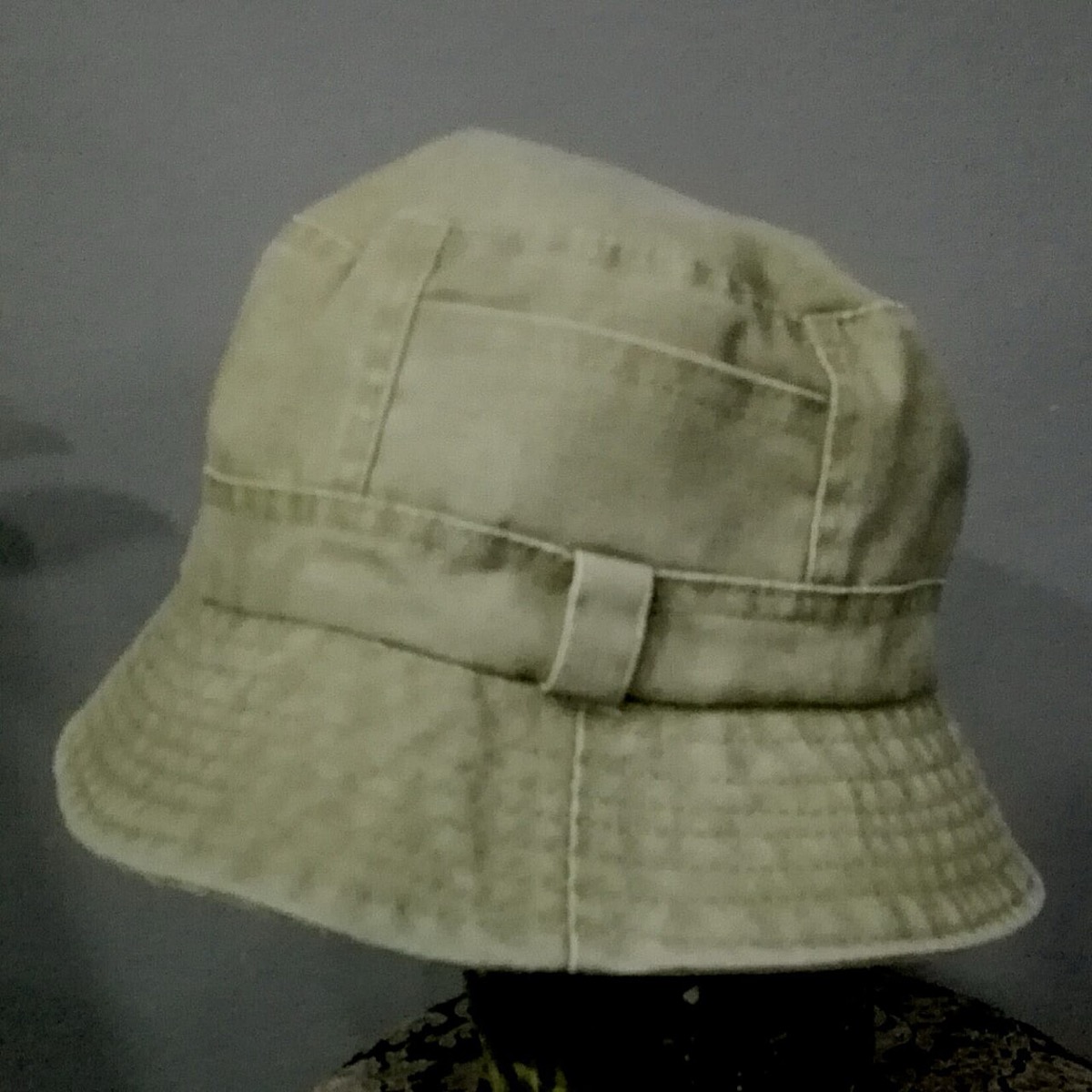
Bucket Hats
A soft crown, a downward brim you never had to shape, and no wrong way to wear it — the bucket hat was the 1990s street-fashion staple that asked nothing of anyone. Rappers made it cool in the '80s; by the '90s it sat on heads that had never heard of its farm-and-fishing past.

Cross Colours
Color-blocked jeans, bold-lettered tees, and a message stitched into every garment: "Clothing Without Prejudice." Cross Colours dressed the Fresh Prince, half of early-90s hip-hop, and every kid who wanted to look like MTV — then vanished almost overnight when its biggest retailer went bankrupt.