#Streetwear

20 items

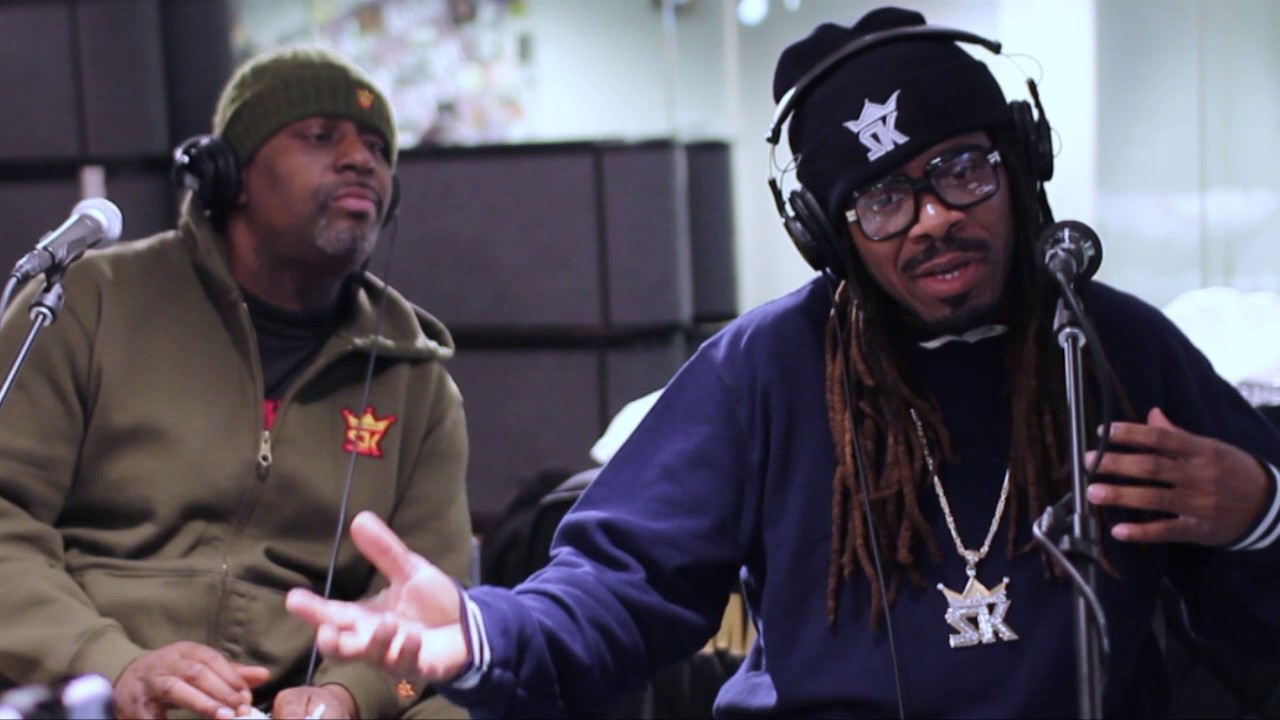
Video thumbnail — The Mighty Shirt Kings on being pioneers of Hip Hop fashion | Rap Is Outta Control
Fashion 1980s–present

Airbrushed T-Shirts

Your name in chrome bubble letters over an airbrushed sunset, sprayed while you watched at the mall kiosk or boardwalk booth. Ten minutes of hissing compressor, a paint-speckled artist in a folding chair, and you walked away with the most personalized thing you owned.

Video thumbnail — The Original AND1 Mixtape: The Skip Tape with Rafer "Skip 2 My Lou" Alston
Fashion 1993–2008 peak

AND1

Basketball trash-talk tees that grew into a sneaker empire. AND1 turned playground streetball into ESPN programming, and by 2001 it trailed only Nike in US basketball-shoe market share. If you owned the shirt that said "Pass. Save yourself the embarrassment," you know.

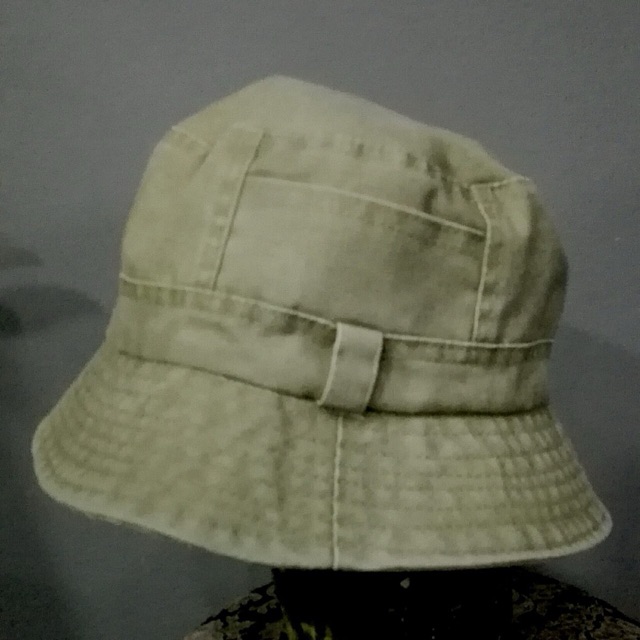
A plain khaki cotton bucket hat
Fashion 1990–1999 peak

Bucket Hats

A soft crown, a downward brim you never had to shape, and no wrong way to wear it — the bucket hat was the 1990s street-fashion staple that asked nothing of anyone. Rappers made it cool in the '80s; by the '90s it sat on heads that had never heard of its farm-and-fishing past.

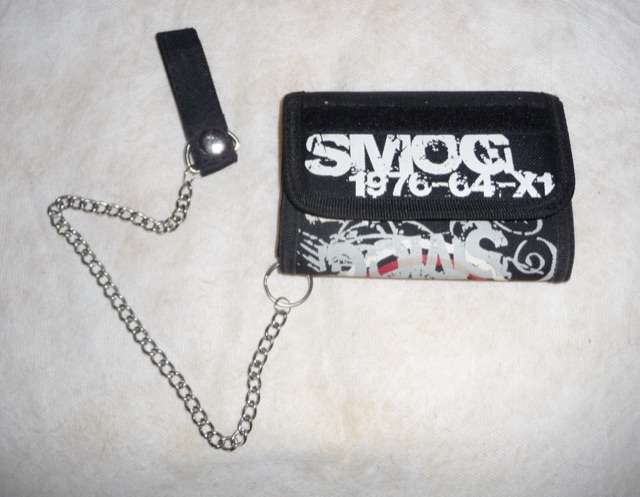
A black nylon trifold wallet with an attached metal chain and belt clip
Fashion 1992–1999

Chain Wallets

A metal chain connecting your trifold wallet to your belt loop—the ultimate 90s mall accessory that nobody actually needed for security but everyone desperately wanted anyway. Biker chic meets suburban shopping mall.

Video thumbnail — Cross Colours: A Look Back At Fashion In '93
Fashion 1989–1994

Cross Colours

Color-blocked jeans, bold-lettered tees, and a message stitched into every garment: "Clothing Without Prejudice." Cross Colours dressed the Fresh Prince, half of early-90s hip-hop, and every kid who wanted to look like MTV — then vanished almost overnight when its biggest retailer went bankrupt.

Video thumbnail — Puddy's 8-ball jacket — Seinfeld, "The Reverse Peephole" (1998)
Fashion 1990–1992

Eight-Ball Jacket

A color-blocked leather jacket with a giant black-and-white eight ball on the back, designed by Michael Hoban in 1990 and priced around $800. For two winters it was the status symbol of New York, worn by ballplayers and rappers, robbed off kids' backs, and then dropped so hard that Seinfeld put one on Puddy as a joke.

Video thumbnail — Marithé + François Girbaud TV commercial (New York spot)
Fashion 1989–1997 peak

Girbaud Jeans

The baggy, stone-washed French jeans with the loud "M+FG" tabs and straps on the leg. Marithé + François Girbaud were the designer denim of early-90s hip-hop, name-checked by Biggie and worn backwards by Kris Kross, before the brand slid from every mall to the thrift rack.

Video thumbnail — Cory 'Nasty' Nastazio JNCO commercial
Fashion 1985–1999

JNCO Jeans

JNCO jeans were the uniform of 90s youth rebellion: outrageously baggy denim with cavernous pockets so deep you could lose a Walkman, decorated with zipper details and an attitude that rejected traditional fit. If you weren't tripping over your cuffs or making those pockets jingle, you weren't dressed for the decade.

Video thumbnail — The Human Nike: A History of Nike Air Max 95
Fashion 1995–present

Nike Air Max 95

The gray-gradient runner with neon-yellow eyelets and a bubble of visible Air under the toes. Sergio Lozano drew it from the human body, ribs, spine and muscle, and Nike's 1995 release became a hip-hop staple, a Liverpool nickname, and a shoe people were mugged for in Japan.

The North Face logo — white wordmark and half-dome mark on the brand's red field
Fashion 1966–present

The North Face Jackets

Expedition outerwear became high-school currency. The North Face started as a mountaineer's brand and somehow became the cold-weather uniform that separated the haves from the have-nots—a puffy jacket and fleece that climbed from base camp to your hallway.

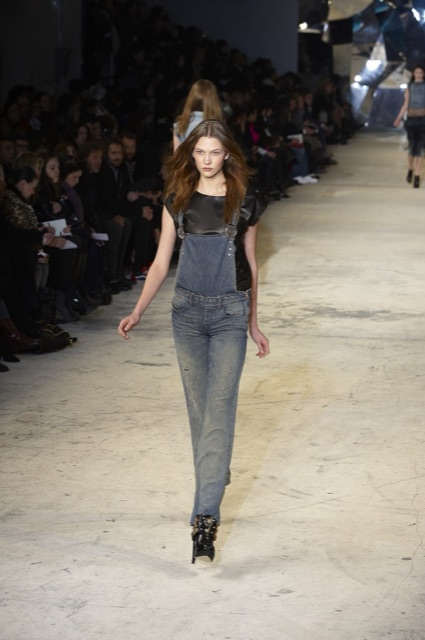
A model in faded denim bib overalls at New York Fashion Week, February 2010 — both straps, for the record, buckled.
Fashion 1990–1998

Overalls with One Strap Undone

Overalls with one shoulder strap deliberately unhooked and dangling — a 1990s look straight out of hip-hop — Will Smith made it Fresh Prince canon — copied by every kid with access to denim. The buckle clanked when you ran. Fastening both straps meant you weren't cool.

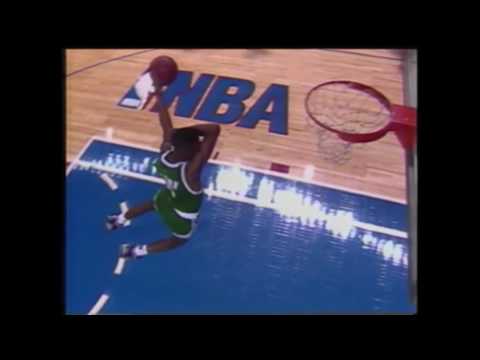
Video thumbnail — Dee Brown - No-Look Dunk (1991 Dunk Contest)
Fashion 1989–1995 peak

Reebok Pump

The shoe that made you pump yourself up—an inflatable basketball sneaker that arrived at $170 and instantly became a playground legend. Press the orange button on the tongue and air chambers swelled around your ankle; every kid in the shoe store pressed it whether their mom was buying or not.

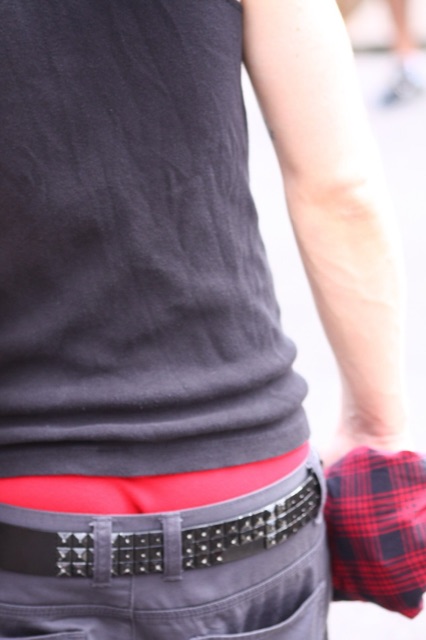
A man photographed from behind in New York in 2009, his grey trousers and studded belt sagging below red boxer shorts
Fashion 1990s–2000s peak

Sagging pants

Jeans worn low enough to show the boxers, the hip-hop look that parents, principals and eventually city councils spent two decades trying to legislate away. Everyone had a theory about where it came from; nobody could prove one.

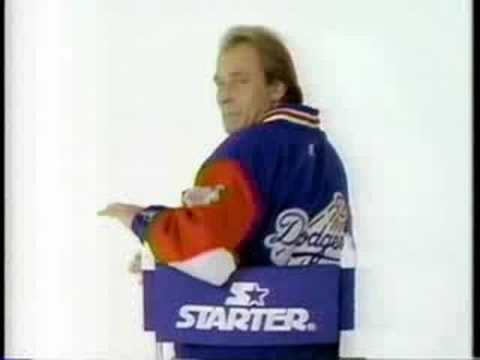
Video thumbnail — 1992 Starter Athletic Wear Commercial
Fashion 1990–1995

Starter Jackets

Starter's nylon and satin team jackets were the uniform of 90s cool — oversized windbreakers emblazoned with NBA and NFL team logos that transformed playground basketball courts and city streets into stadiums of style. Starter jackets became so coveted they sparked robberies, making them perhaps the decade's most dangerous fashion statement.

Video thumbnail — Stüssy: the rise of America's 2nd most important clothing brand
Fashion 1984–present

Stüssy

A surfboard shaper's marker-scrawled signature became the logo streetwear was built on. Shawn Stussy sold tees out of his car around Laguna Beach; within a decade the International Stussy Tribe was seeding the coolest closets in every city — the playbook streetwear brands still run.

Video thumbnail — Michael Jordan pulls off Penny Hardaway's warmup pants
Fashion 1990s–present (true origin unrecorded)

Tearaway Track Pants

Warm-up pants with a row of snaps down the outside of each leg, made so an athlete could get out of them fast without taking off their shoes. A 1992 patent filing already described them as a basketball regular, with about twenty snaps, every one of which had to be snapped back.

Video thumbnail — The History Of Mitchell And Ness : The House That Built Throwback Culture
Fashion 1999–2005 peak

Throwback Jerseys

Mitchell & Ness's faithful remakes of old jerseys, a Jordan, a Dr. J, a Dale Murphy, adopted by hip-hop around the turn of the 2000s. The Philadelphia company's sales went from $2.2 million in 1999 to $36 million in 2003, then dropped after Jay-Z rapped that he didn't wear jerseys anymore.

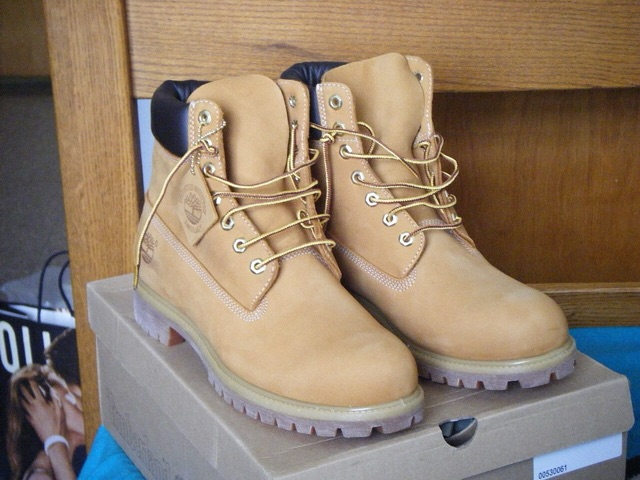
A pair of wheat-colored Timberland six-inch boots on their box
Fashion 1993–1999 peak

Timberland Boots (Timbs)

The wheat-colored, waterproof six-inch work boot from New Hampshire that New York hip-hop turned into a uniform. Unscuffed Timbs with baggy jeans and a Carhartt were the mid-90s look from Wu-Tang to Biggie, and the founder's grandson spent 1993 explaining that the company's customers were "honest working people."

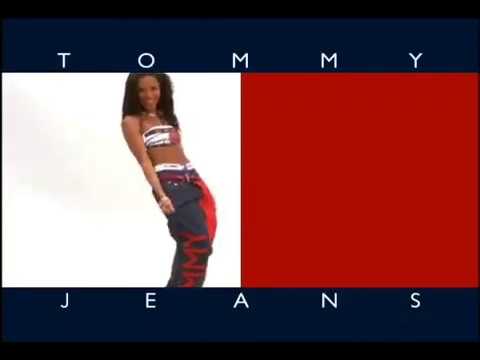
Video thumbnail — Aaliyah - Tommy Hilfiger Commercial HQ, Full Version (Rare)
Fashion 1985–present

Tommy Hilfiger

Prep meets hip-hop: the flag logo of a 1985 New York label, co-opted by Snoop Dogg, Aaliyah, and every mall kid of the 90s who wore it oversized and felt instantly cooler. The red-white-and-blue became a uniform.

Video thumbnail — Zubaz "Dare To Be Different" commercial jingle
Fashion 1988–1996

Zubaz

Zebra-striped, radically baggy, elastic everywhere — the workout pants pro wrestling's Road Warriors helped dream up for guys too big for regular jeans, which somehow ended up on NFL sidelines, in JCPenney, and on your uncle at every 1991 barbecue.