Timberland Boots (Timbs)

The wheat-colored, waterproof six-inch work boot from New Hampshire that New York hip-hop turned into a uniform. Unscuffed Timbs with baggy jeans and a Carhartt were the mid-90s look from Wu-Tang to Biggie, and the founder's grandson spent 1993 explaining that the company's customers were "honest working people."
The boot came out of the Abington Shoe Company, a South Boston shoemaker that Nathan Swartz, an immigrant cobbler from Odesa, bought into in 1952 and that his family eventually owned outright. In 1969 the company moved to Newmarket, New Hampshire, to make waterproof boots with injection-molded soles, and in 1973 it introduced the Timberland: a six-inch, padded-collar, seam-sealed work boot in a yellow-tan nubuck that construction workers could wear through a New England winter. It sold well enough that in 1978 Abington renamed itself The Timberland Company after the boot.
How a rural work boot became the shoe of the inner city is a story usually told through New York's corners: one hip-hop historian traced the year-round wearing of heavy winter boots to crack dealers standing outside all night, who became tastemakers for their whole neighborhoods. By 1993 Brooklyn's Boot Camp Clik had made the six-inch Timb part of their uniform and Wu-Tang Clan were wearing them in their early videos, and the New York Times reported that outdoor brands like Timberland, Carhartt and North Face had, "seemingly overnight," become "dope" and "phat." In that same article Jeffrey Swartz, the founder's grandson and then an executive, said the company aimed its advertising at "honest working people" and called the urban market not "sustainable." The backlash was immediate; some Black artists publicly dropped the brand, and Swartz denied any racism in an Amsterdam News editorial and met with Black cultural leaders. The company then embraced the market, and sales barely noticed.
Through the rest of the decade the boots were everywhere. Nas, Mobb Deep, Tupac, the Notorious B.I.G., Busta Rhymes, DMX and Jay-Z all wore or rapped about them, Jay-Z was reported to buy a fresh pair every week, and the producer Timbaland took his name from the company. They were "Timbs" or "Butters," the Air Jordans of boots. Timberland's sales grew roughly sixfold over the decade, from about $156 million in 1989 to more than $900 million in 1999; Jeffrey Swartz became CEO in 1998, and in June 2011 VF Corporation bought the company for about $2 billion. The wheat six-inch is still the same boot, and still the one you don't scuff.
Similar items
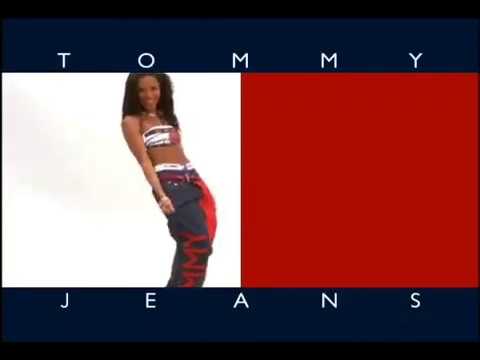
Tommy Hilfiger
Prep meets hip-hop: the flag logo of a 1985 New York label, co-opted by Snoop Dogg, Aaliyah, and every mall kid of the 90s who wore it oversized and felt instantly cooler. The red-white-and-blue became a uniform.
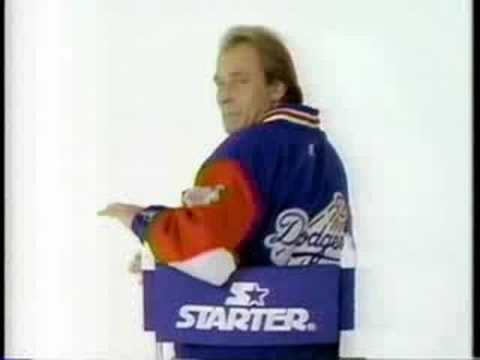
Starter Jackets
Starter's nylon and satin team jackets were the uniform of 90s cool — oversized windbreakers emblazoned with NBA and NFL team logos that transformed playground basketball courts and city streets into stadiums of style. Starter jackets became so coveted they sparked robberies, making them perhaps the decade's most dangerous fashion statement.
The North Face Jackets
Expedition outerwear became high-school currency. The North Face started as a mountaineer's brand and somehow became the cold-weather uniform that separated the haves from the have-nots—a puffy jacket and fleece that climbed from base camp to your hallway.
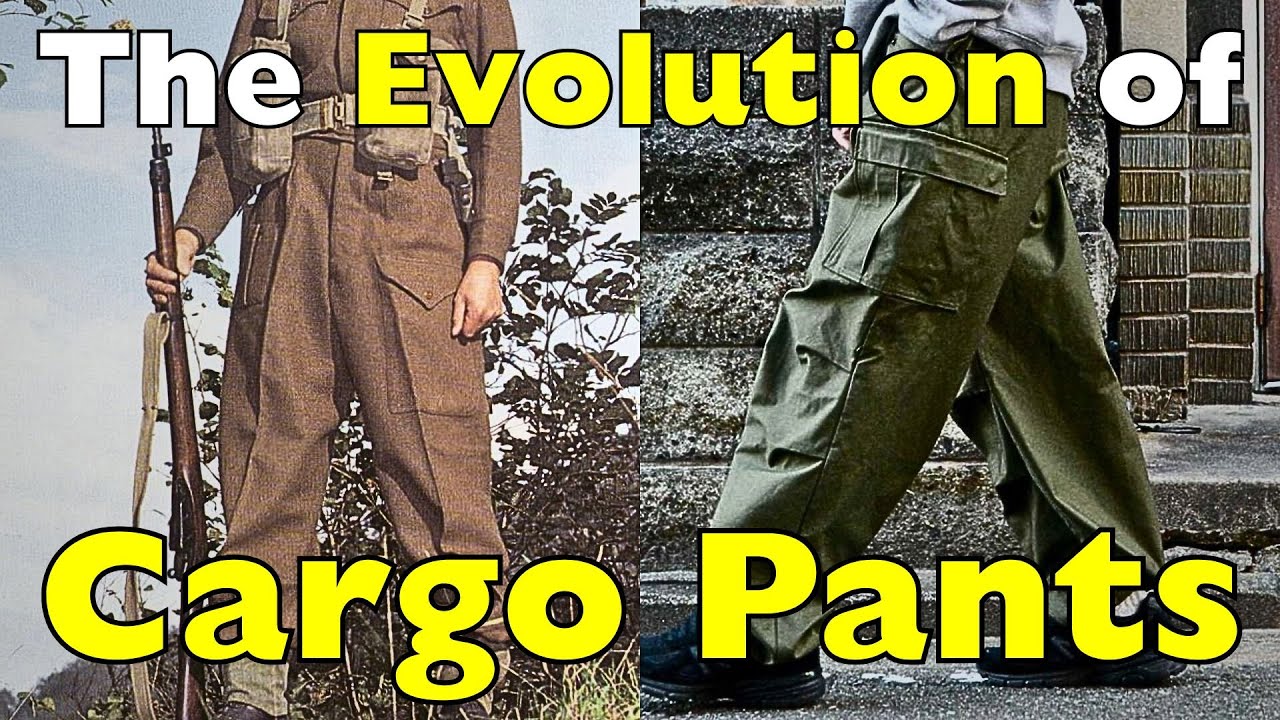
Cargo Pants
Baggy, khaki, and covered in pockets you never put anything in. Six to eight compartments, minimum, most of them flapping empty against your thigh. For a few years in the early 2000s they were simply what pants were, and then everyone agreed to never mention it again — until they came back.