Giga Pets

The keychain virtual pet you fed, cleaned, and played with between classes — America's answer to the Tamagotchi craze. Neglect it and it got sick; ignore it too long and it died right there in your backpack.
Giga Pets were launched by Tiger Electronics in May 1997, riding the virtual-pet wave that Japan's Tamagotchi had kicked off the year before. The concept had actually been invented separately as 'V-Pets' by the firm REHCO in 1995, then licensed to Tiger, which turned it into a phenomenon: a keychain-sized LCD creature you kept alive by pressing buttons to feed it, clean up after it, and play with it. Cheaper and more widely available in the US than the Tamagotchi, Giga Pets were often the version American kids actually got their hands on.
The launch lineup — Digital Doggie, Compu Kitty, and Micro Chimp — soon grew to include a Baby T-Rex, a Virtual Alien, and more. The stakes were the same as their rival's: a running well-being score meant a neglected pet would sicken and die — the average Giga Pet lasted only about two weeks. Kids smuggled them into class, teachers confiscated them, and the beeping demands for attention became the soundtrack of 1997.
The craze burned bright and fast. By the end of 1998, US virtual-pet sales had collapsed by nearly 80 percent, and the fad moved on. Tiger Electronics was acquired by Hasbro in 1998, and while Giga Pets have been revived here and there since, they belong firmly to that brief, frantic window when a plastic keychain could genuinely break your heart.
Similar items

Tamagotchi
The egg-shaped digital pet that lived on a keychain and died if you ignored it during math class. Bandai's Tamagotchi demanded constant feeding, cleaning, and attention, sparking a global craze — and a wave of school bans.

Furby
A furry owl-hamster gremlin that spoke gibberish and slowly "learned" English, making it feel genuinely alive. Tiger Electronics' Furby became the holiday craze of 1998—resale prices hit $100, and the NSA banned it from its offices out of sheer paranoia.
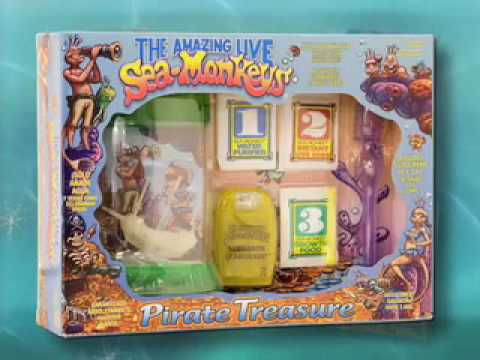
Sea-Monkeys
The comic-book ad promised a smiling pink family of underwater people in a castle. What arrived in the mail was three foil packets and, eventually, a cloud of barely visible brine shrimp. Sea-Monkeys were the great bait-and-switch of childhood — and somehow everyone forgave them, generation after generation.
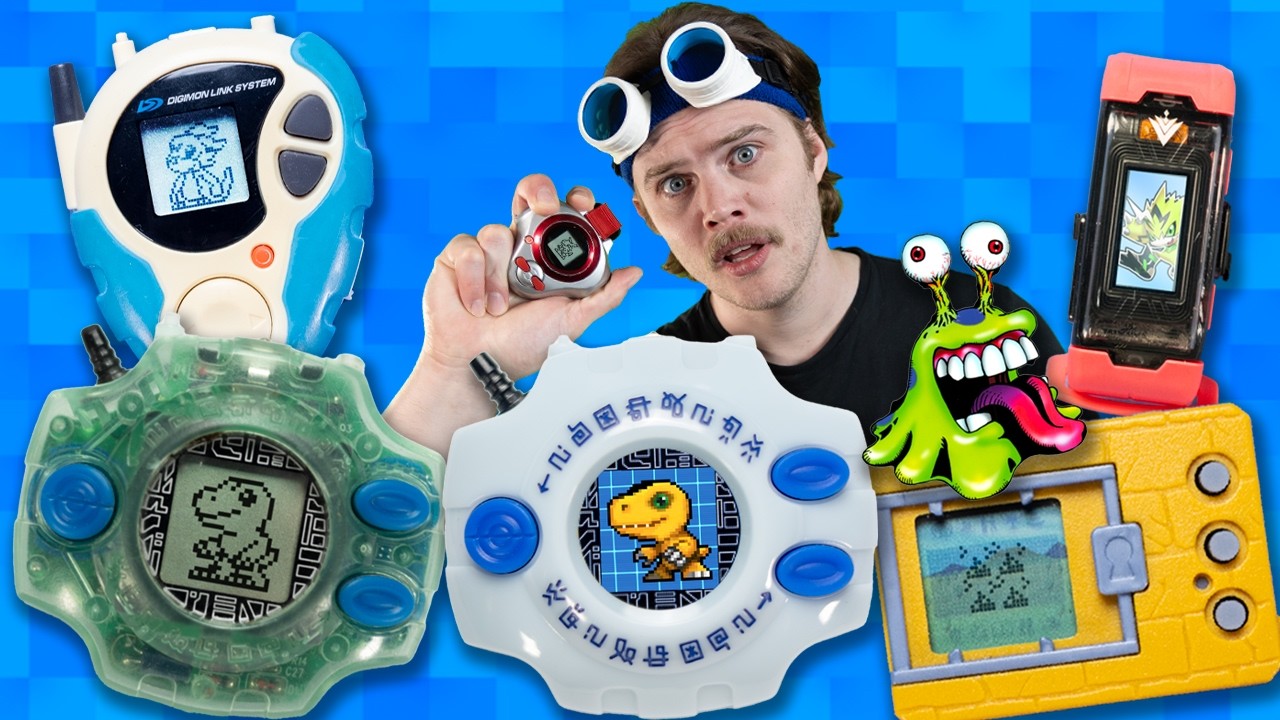
Digimon Virtual Pet
The boy's answer to Tamagotchi, and somehow more addictive: a digital monster you didn't just keep alive, you trained to fight. Snap your device to a friend's, and both creatures would duel on screen, their fate determined by every decision you'd made. The winning evolution wasn't the prettiest — it was the strongest.