#Virtual Pet

12 items

Video thumbnail — Club penguin commercial 2008
Trends 2005–2010

Club Penguin

The online hangout where millions of kids waddled around as cartoon penguins, decorated their igloos, adopted puffle pets, and played mini-games for coins in a safety-focused chat environment. Club Penguin was one of the first MMOs designed specifically for kids, and it became an after-school addiction that defined a generation's online childhood.
Video thumbnail — A Deep Dive on Digimon Virtual Pets
Toys 1997–2000

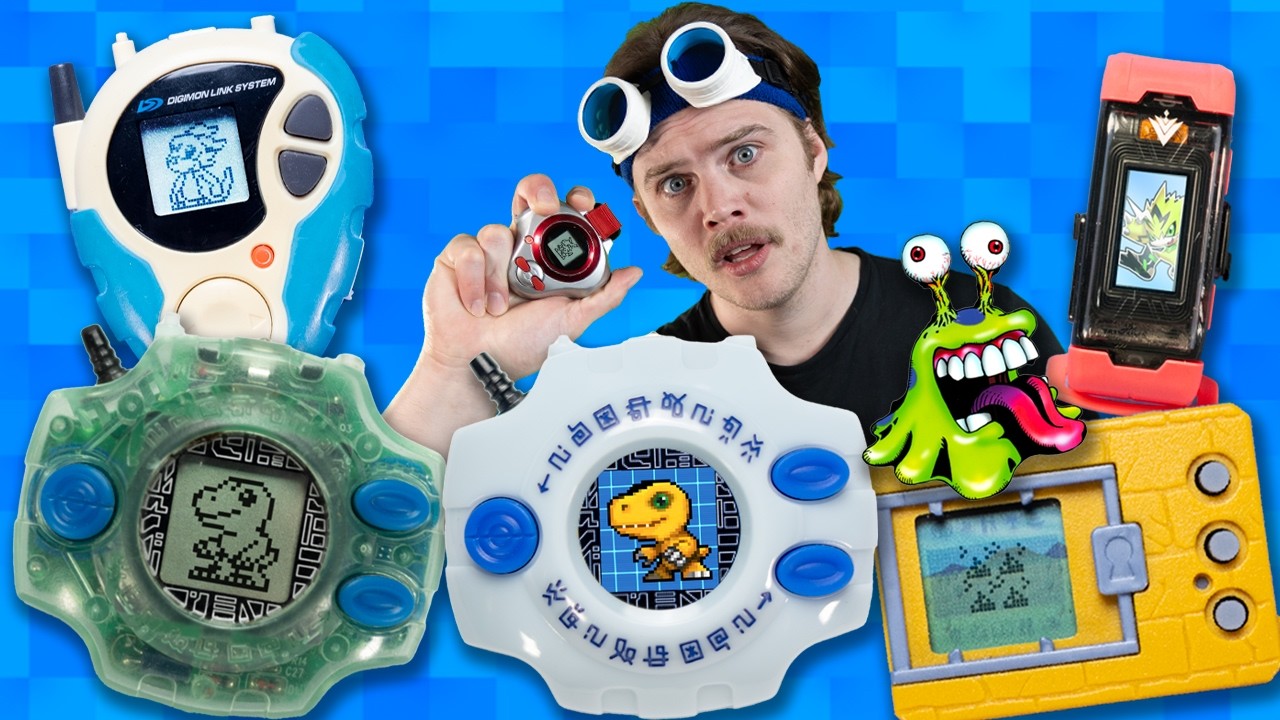
Digimon Virtual Pet

The boy's answer to Tamagotchi, and somehow more addictive: a digital monster you didn't just keep alive, you trained to fight. Snap your device to a friend's, and both creatures would duel on screen, their fate determined by every decision you'd made. The winning evolution wasn't the prettiest — it was the strongest.

Video thumbnail — FURBY Original Commercial (1998)
Toys 1998–2000

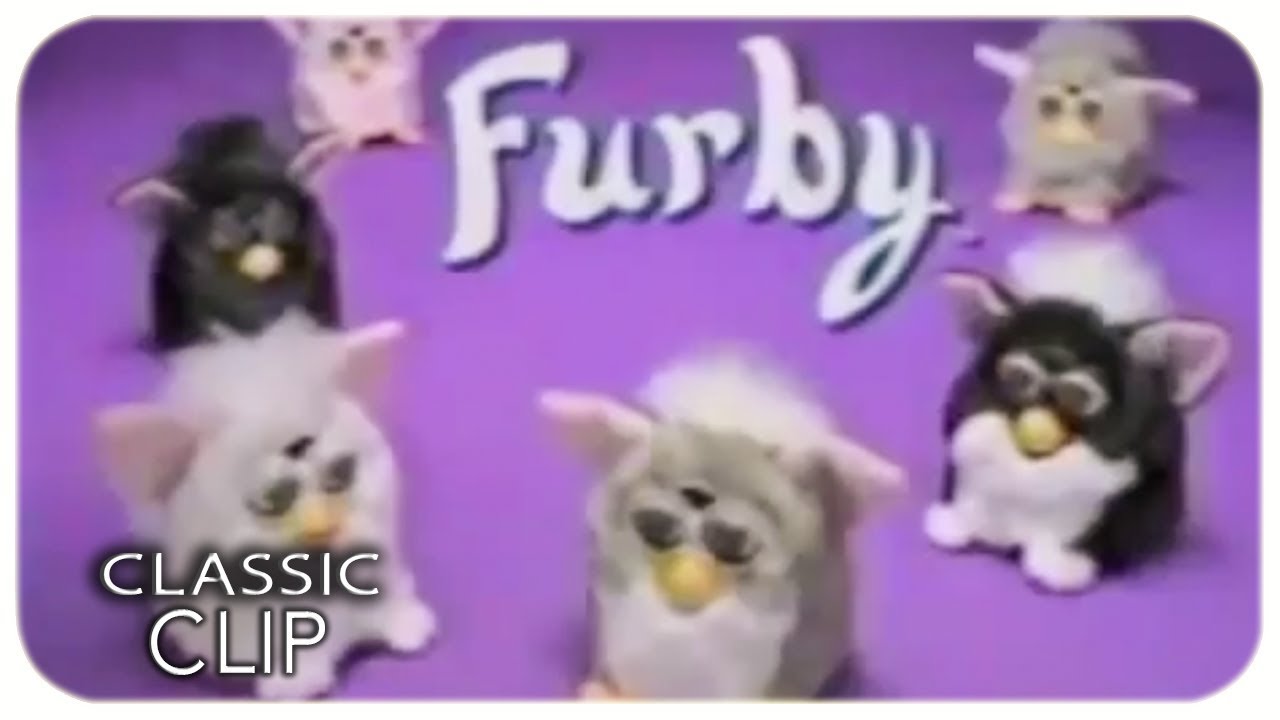
Furby

A furry owl-hamster gremlin that spoke gibberish and slowly "learned" English, making it feel genuinely alive. Tiger Electronics' Furby became the holiday craze of 1998—resale prices hit $100, and the NSA banned it from its offices out of sheer paranoia.

Video thumbnail — Tiger Giga Pets Commercial (1997)
Toys 1997–1998

Giga Pets

The keychain virtual pet you fed, cleaned, and played with between classes — America's answer to the Tamagotchi craze. Neglect it and it got sick; ignore it too long and it died right there in your backpack.

Video thumbnail — Some moments of my life with NABAZTAG:TAG by Violet (2007)
Tech 2005–2011

Nabaztag

A white plastic rabbit from Paris that connected to your Wi-Fi, wiggled its ears, lit up its belly and read your email out loud. Violet launched it in France in 2005, had sold 50,000 across Europe within a year, and then watched its servers buckle at Christmas 2006 under the weight of new owners trying to register.

Video thumbnail — Nano Baby
Toys 1997–1999

Nano Baby

The virtual pet that handed you a human baby on a keychain. While Tamagotchi kids nursed space blobs, Nano Baby owners were on feeding, medical checks, and cleanup duty for a tiny pixel infant that did not care that you were in math class.

Video thumbnail — 2003 Neopets TV Commercial
Trends 1999–2008

Neopets

The website where you could adopt a digital pet, battle it in the Battledome, and waste hours playing Flash mini-games to earn Neopoints. Launched by UK students Adam Powell and Donna Williams in 1999, Neopets became a certified after-school phenomenon, drawing tens of millions of users at its mid-2000s peak.

Video thumbnail — Nintendogs USA Commercial #2
Video Games 2005–2007

Nintendogs

You pet the puppy with the stylus, you called its name into the microphone, and it learned to sit — Nintendogs made grown adults coo at a plastic clamshell on the bus. The virtual puppy that sold the Nintendo DS to everyone's mom ended up one of the best-selling games ever made.

Video thumbnail — Pixel Chix Pals Advert (2006)
Toys 2005–2009

Pixel Chix

A little plastic house with an LCD screen and a digital girl living inside it—part Tamagotchi, part dollhouse. You fed her, played games, dressed her, and sent her to bed, and if you neglected her long enough she'd pack up and leave.

Video thumbnail — Sony AIBO ERS-110
Tech 1999–2006

Sony AIBO

A $2,500 robot dog that learned, played, and had moods — and people loved theirs like family. Sony's AIBO was the actual future, briefly for sale — Japan's entire first batch sold out over the internet in twenty minutes.

Video thumbnail — Tamagotchi Original Commercial 1997
Toys 1996–1999

Tamagotchi

The egg-shaped digital pet that lived on a keychain and died if you ignored it during math class. Bandai's Tamagotchi demanded constant feeding, cleaning, and attention, sparking a global craze — and a wave of school bans.

Video thumbnail — Webkinz Commercial
Toys 2005–2009

Webkinz

Adorable plush animals from Canadian maker Ganz that came with a Secret Code—enter it online, and a virtual version appeared in Webkinz World, your own customizable digital space. Feed it, play mini-games, decorate its room, and if you neglected it too long, it'd get cranky. The plush-plus-online hook made Webkinz a mid-to-late 2000s obsession, especially among kids who'd aged out of Tamagotchis but weren't ready to leave their digital pets behind.