#Soda

19 items

Video thumbnail — Baja Blast | Commercial | Mountain Dew
Food 2004–present

Mountain Dew Baja Blast

A teal-colored tropical-lime Mountain Dew created by PepsiCo and born as a Taco Bell fountain exclusive in 2004. The exclusivity gave it instant cult appeal—you could only get it at the Bell, which made every trip feel like a special occasion. Fans begged for wider release, clamored online, and eventually got their wish: bottled and retail runs, though the Taco Bell version remained the holy grail. A pure 2000s fast-food icon.

Video thumbnail — Cherry Coke - "Ostrich"
Food 1985–present

Cherry Coke

Coca-Cola's first flavored cola—and if you were a 90s kid, the wild graffiti-scribble can is the one burned into your memory. Loud, scribbly, teenage energy on aluminum.

Video thumbnail — Coca-Cola Blak - The FAILED Coffee Cola
Food 2006–2008

Coca-Cola BlāK

Coke's coffee-flavored "carbonated fusion beverage" in a sleek little glass bottle — the drink that asked "what if espresso, but soda?" in 2006 and got its answer by 2008. You probably tried it exactly once, and you remember the aftertaste either way.

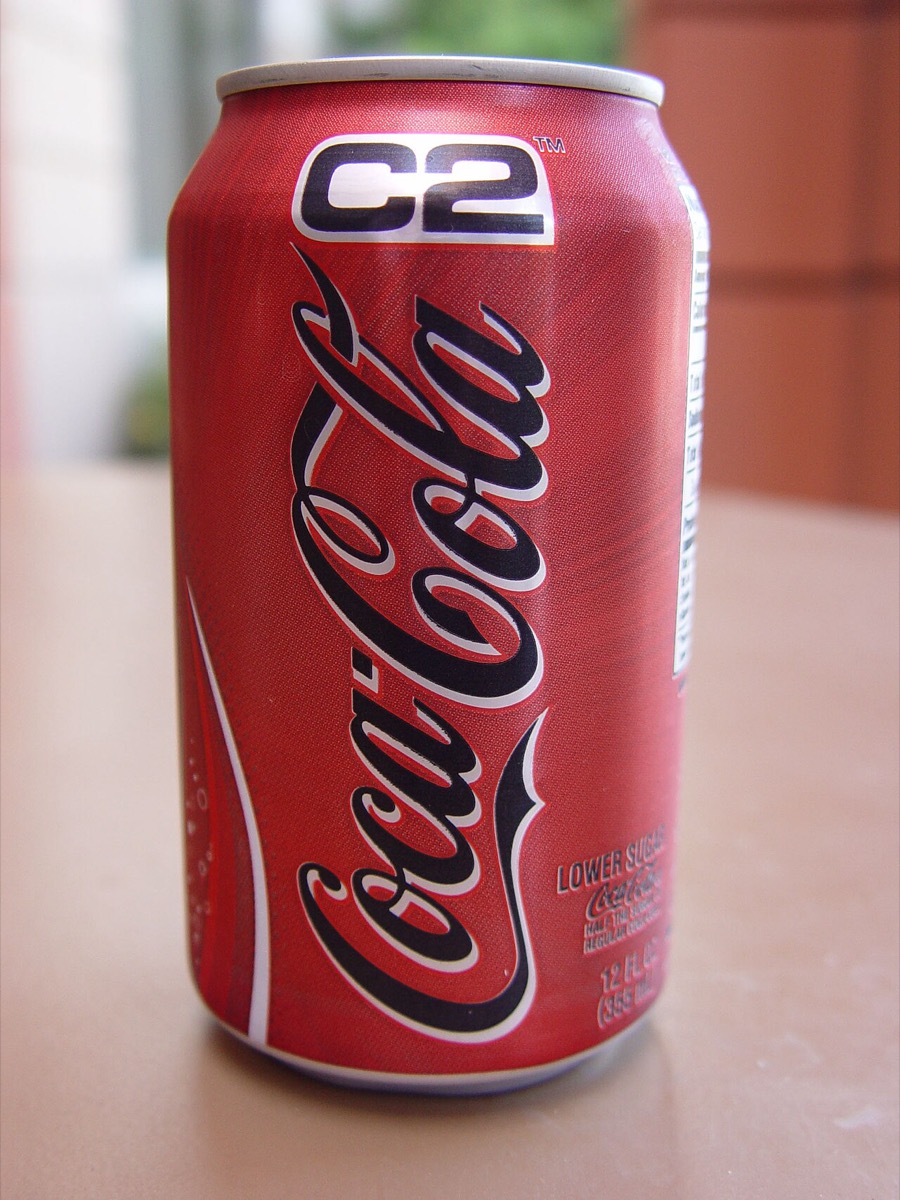
A 12-ounce can of Coca-Cola C2
Food 2004–2007

Coca-Cola C2

The Atkins diet's cola — half the carbs, half the calories, half the appeal. It got the Rolling Stones and Queen on the TV spots and NASCAR paint schemes at the 2004 Pepsi 400. But America wanted the real thing or nothing at all, and a year later Coke Zero made "half" obsolete.

Video thumbnail — 1993 - Crystal Pepsi - Right Now Commercial
Food 1992–1994

Crystal Pepsi

The clear cola that tasted like 90s optimism and regret mixed together. Crystal Pepsi was caffeine-free, marketed on a fever dream of purity, and backed by a Super Bowl ad that tried desperately to make it cool.

Video thumbnail — 7up dnL Willie the Leprechaun
Food 2002–2006

dnL

Take the 7 UP logo and flip it upside down: dnL. Take the drink and flip it too — green soda in a clear bottle instead of clear soda in a green one, with caffeine instead of none and an extra citrus kick. The most committed-to-the-bit soft drink of the early 2000s lasted four years and left behind a small, devoted cult.

Video thumbnail — Jolt Cola 'All the sugar and twice the caffeine' commercial (1986)
Food 1985–2009

Jolt Cola

The soda that made a virtue of overkill: 'All the sugar and twice the caffeine.' The unofficial fuel of all-nighters, cram sessions, and anyone with a deadline and no intention of sleeping.

Video thumbnail — The Bubbly Rise And Shattering Fall Of Jones Soda
Food 1995–present

Jones Soda

The indie soda in a glass bottle with a customer-submitted photo on every label — weird, grainy snapshots of real life where the big brands would have put a logo. And once a year, flavors like Turkey & Gravy turned the whole company into performance art.

Video thumbnail — "Gramps" Josta TV Commercial
Food 1995–1999

Josta

PepsiCo's high-energy guaraná drink, marketed as "Better do the good stuff now" and remembered for its dark snarling-cat branding. Often credited as the first energy drink from a major U.S. beverage company, it arrived years ahead of the energy-drink boom — and was gone by 1999.

Video thumbnail — Mountain Dew Code Red "Courtside" 2001
Food 2001–present

Mountain Dew Code Red

The cherry-red Mountain Dew that felt genuinely edgy in 2001 — a new flavor, a darker can, and a tongue-staining color that made regular Dew look tame. It was the drink of LAN parties and late-night gaming.

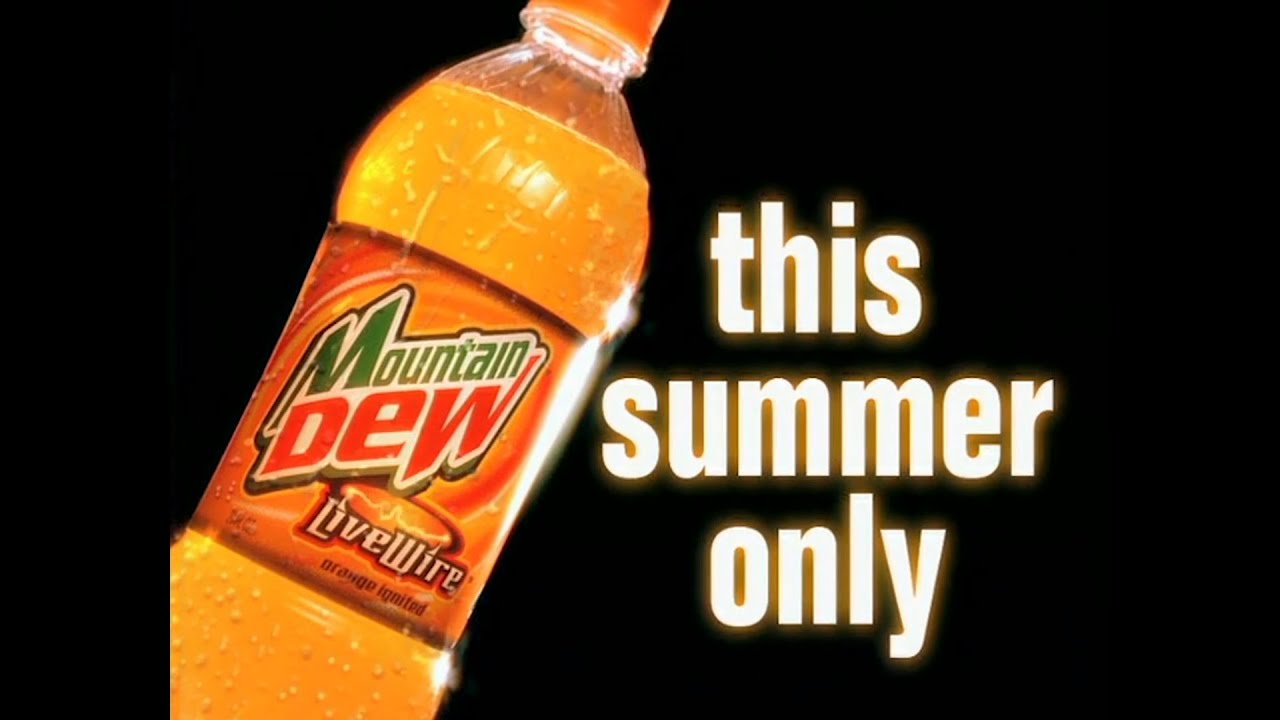
Video thumbnail — Mountain Dew LiveWire Commercial (2003)
Food 2003–present

Mountain Dew LiveWire

The orange Dew that only existed between Memorial Day and Labor Day. Two summers of "get it before it's gone" panic-buying later, PepsiCo surrendered and made LiveWire permanent in 2005.

Video thumbnail — 1994 OK Soda commercial
Food 1994–1995

OK Soda

Coca-Cola's aggressively ironic mid-'90s experiment: a soft drink built on market research showing that "OK" was the most recognizable word on Earth. The gray neo-noir cans were illustrated by alternative-comics artists Daniel Clowes and Charles Burns, the slogan promised only that "Things are going to be OK," and the whole thing was dead within a year.

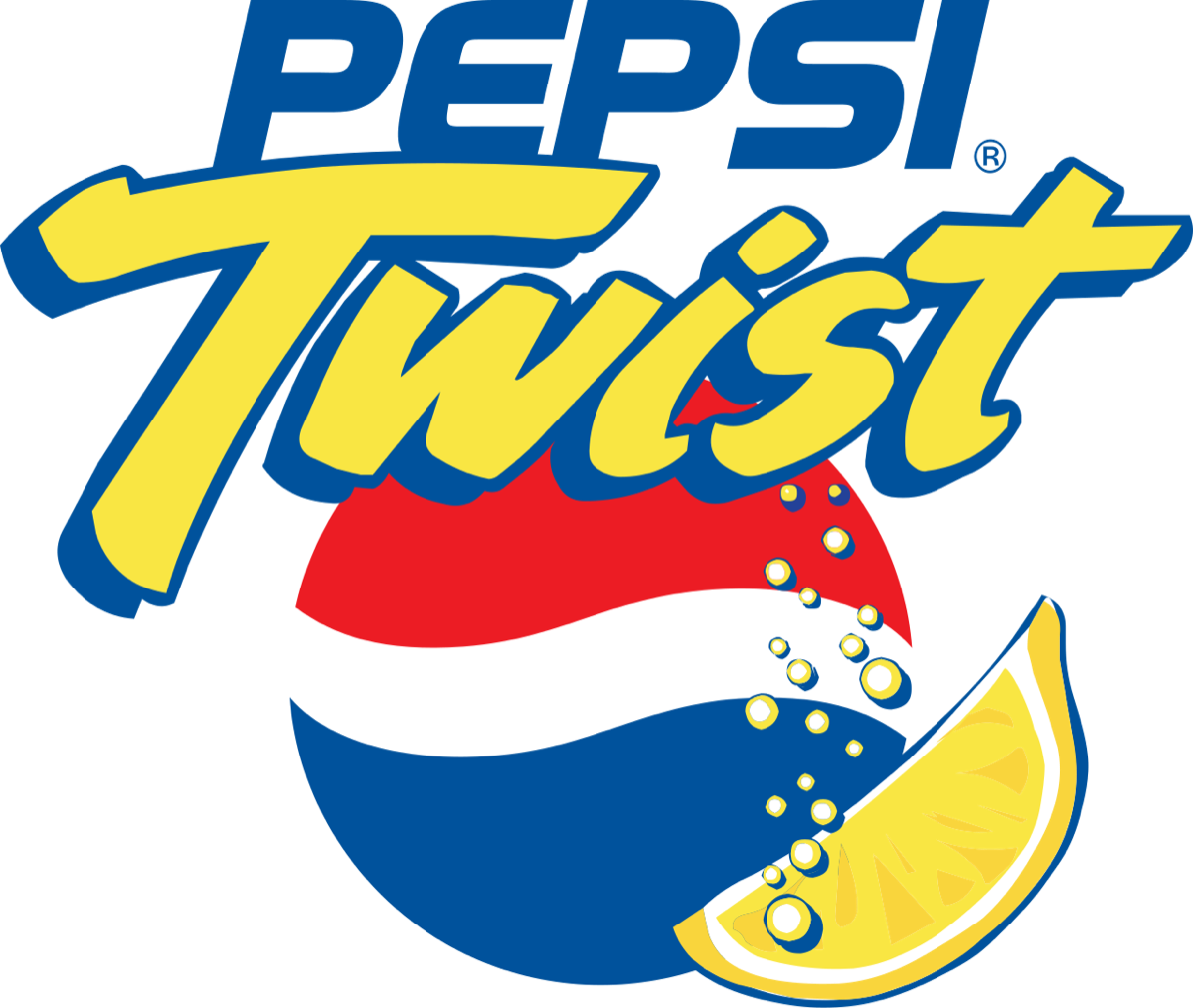
The Pepsi Twist logo from its 2000 US launch — the Pepsi globe with a lemon wedge
Food 2000–2006

Pepsi Twist

Pepsi with a shot of lemon and a yellow spiral on the label — the cola aisle's big swing of the early 2000s. Britney Spears sold it, the Osbournes sold it at the Super Bowl, and by 2006 it was gone from American shelves.

Video thumbnail — Sprite Remix Commercials 2003 (HD)
Food 2003–2006

Sprite Remix

Remember when Sprite messed with its own formula and made something genuinely weird — colorless fruit sodas that looked exactly like the original but tasted like a flavor explosion? Sprite Remix was the early-2000s novelty soda that escaped being a joke and became the one kids actually mourned when it disappeared.

Video thumbnail — 1997 Surge "Feed the Rush" Drink Commercial
Food 1997–2003

Surge

Coca-Cola's aggressively marketed neon-green citrus soda that positioned itself as the extreme-sports answer to Pepsi's Mountain Dew. Heavy on caffeine and attitude, Surge fueled the mayhem marketing of the late 90s before vanishing from shelves in 2003 — only to surge back after a passionate fan movement brought it to Amazon in 2014.

Video thumbnail — Vintage Tab Cola 'Beautiful People' TV Commercial (1978)
Food 1963–2020

TAB

The hot-pink can of Coca-Cola's first-ever diet drink — a saccharin-tart cola with a fanatically loyal following. Once the best-selling diet soda in America, TAB hung on for decades as a cult relic long after Diet Coke stole its crown.

Video thumbnail — Fanta (Wanta Fanta) Commercial 2003
Trends 2002–2009

The Fantanas

Coca-Cola invented four fictional spokes-girls to lip-sync about wanting Fanta, and for most of the 2000s the jingle lived in everyone's head rent-free. Each Fantana repped a flavor; together they were the bubbliest, most aggressively catchy thing on television. "Wanta Fanta — don't you wanta?"

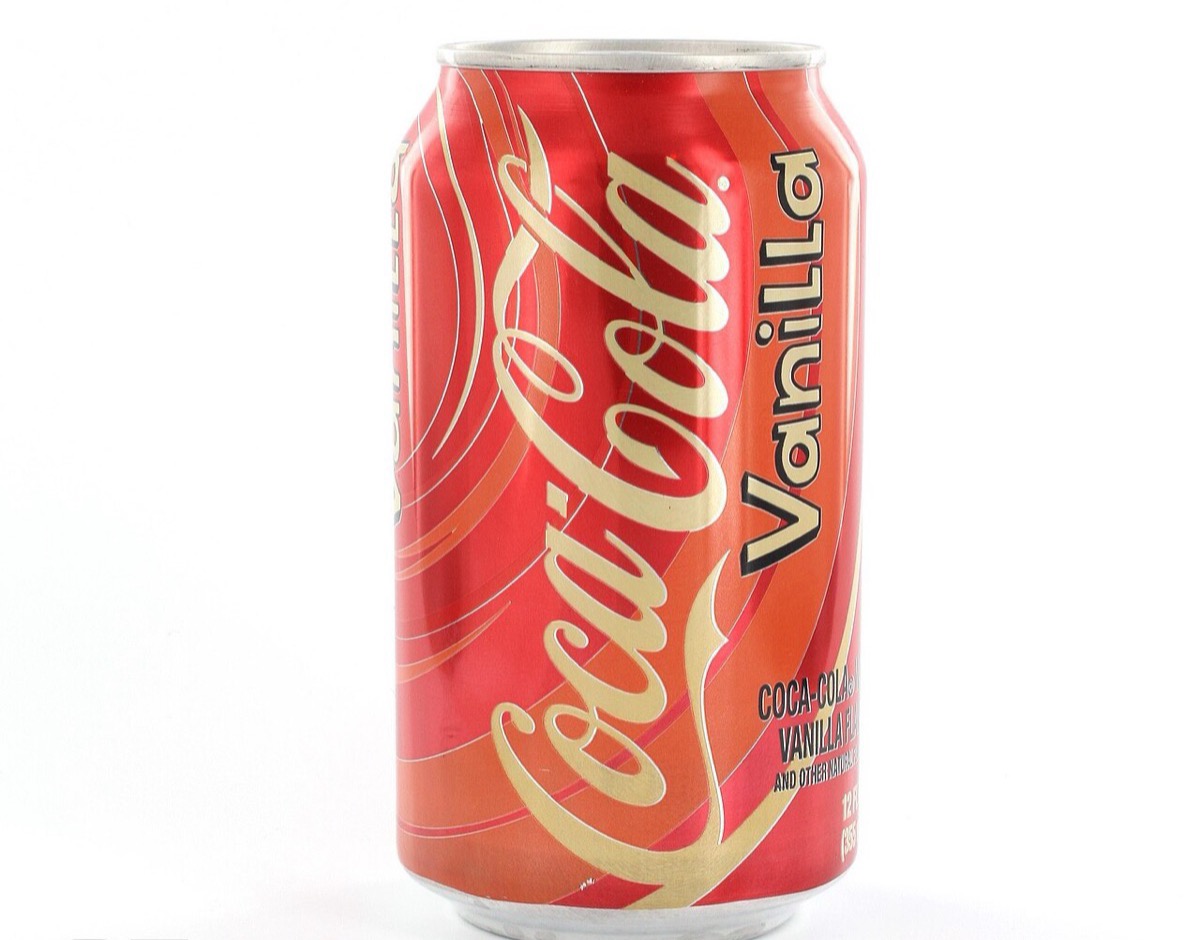
A 2002-era Vanilla Coke can with the gold cursive Vanilla script
Food 2002–2005

Vanilla Coke

Billed as Coca-Cola's biggest launch since Diet Coke, it arrived in 2002 in a tan-and-gold can that tasted like cream soda had merged with cola. Roughly 29 percent of US households bought it that year. By 2005, it was gone. Then it came back.

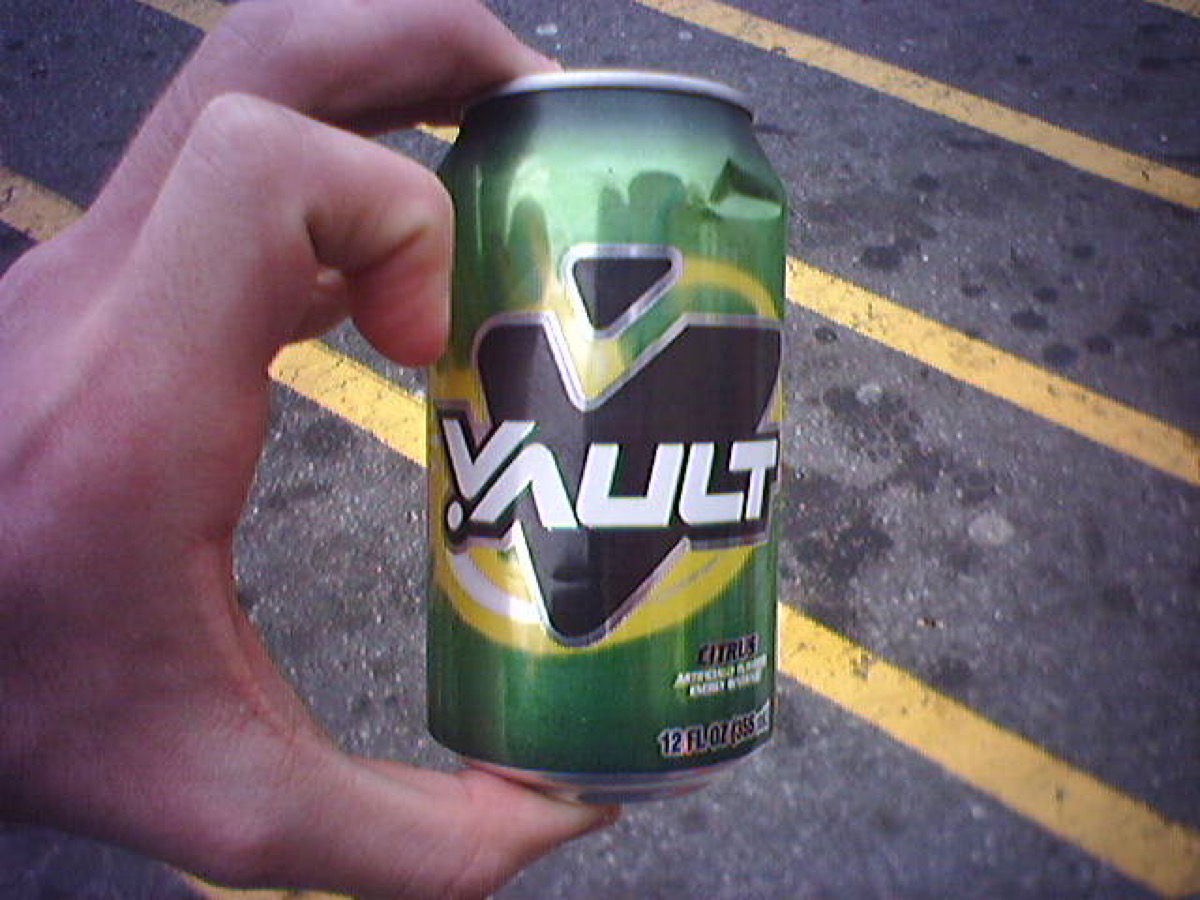
A 12-ounce can of Vault citrus soda, photographed in 2006
Food 2005–2011

Vault

Coca-Cola's bright-green hybrid arrived in 2006 with a promise: "Drinks like a soda, kicks like an energy drink." For fans of the dearly departed Surge, Vault was the second coming — until Coke pulled the plug in 2011 and brought back Mello Yello instead.